
Hatay
Yuva (Nest)
Yuva was formed through a collaboration between film industry professionals and architects, and brought together builders, ecologists, logistics coordinators, and event managers. The group’s experience in film production, lighting, rapid fabrication, and delivery and assembly of set designs, proved uniquely suited to crisis conditions.
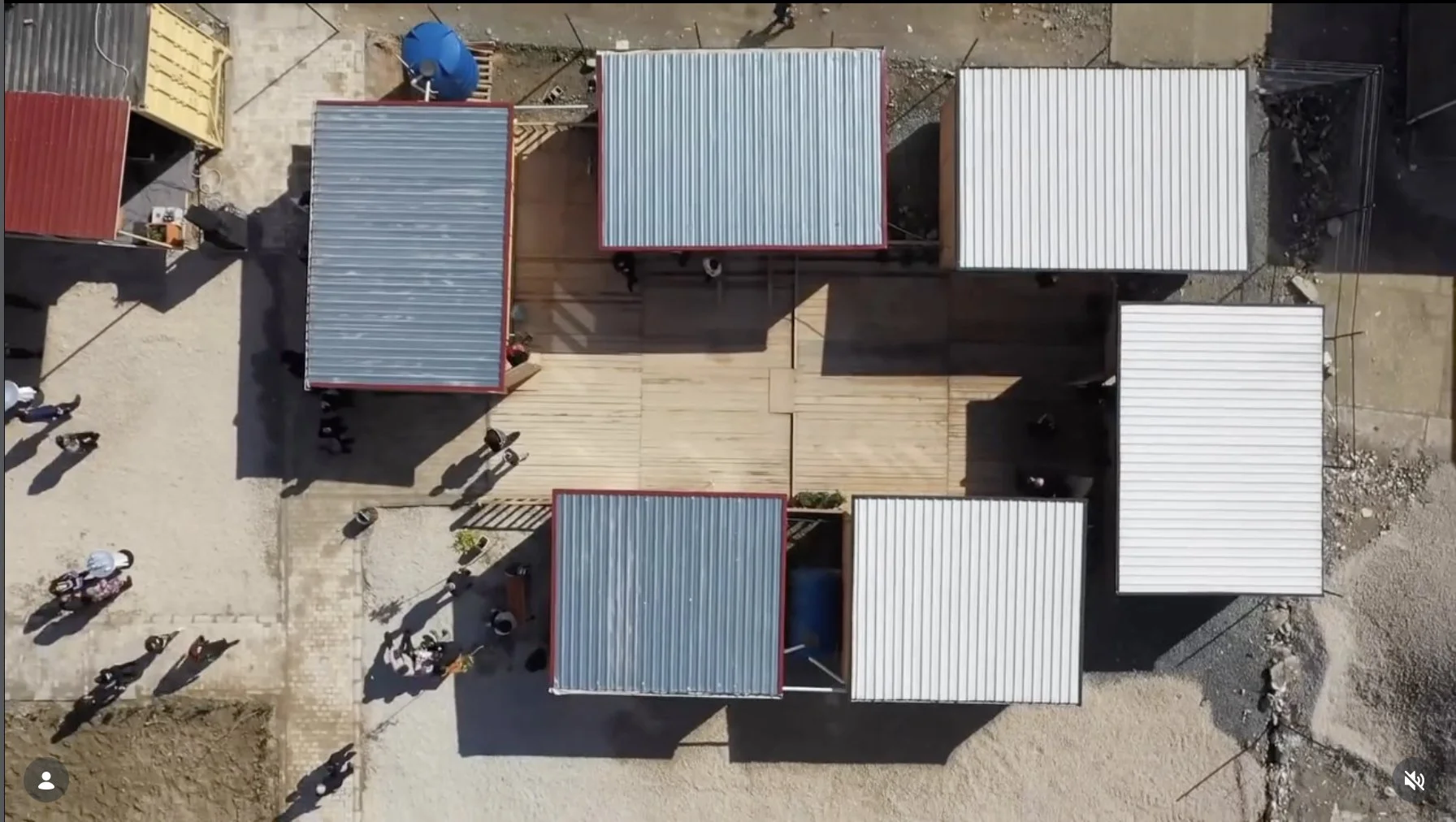
Yuva approached recovery through design, fabrication, and deployment of structures. Their interdisciplinary model allowed them to respond quickly, organize production, and adapt, with varying degrees of success, as conditions shifted from emergency to longer-term rebuilding. They provided shelter as well as community spaces.
Image Credits: Yuva, ACHA
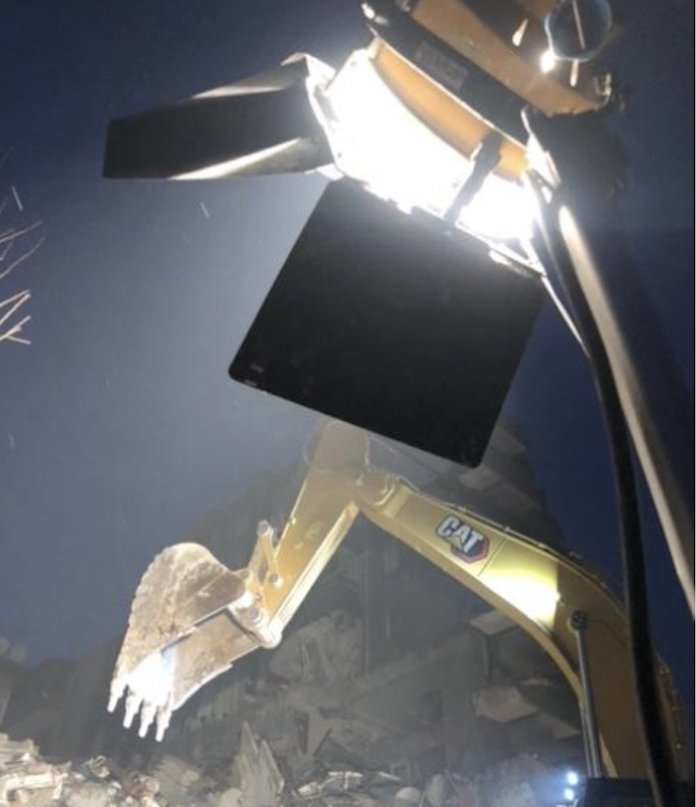
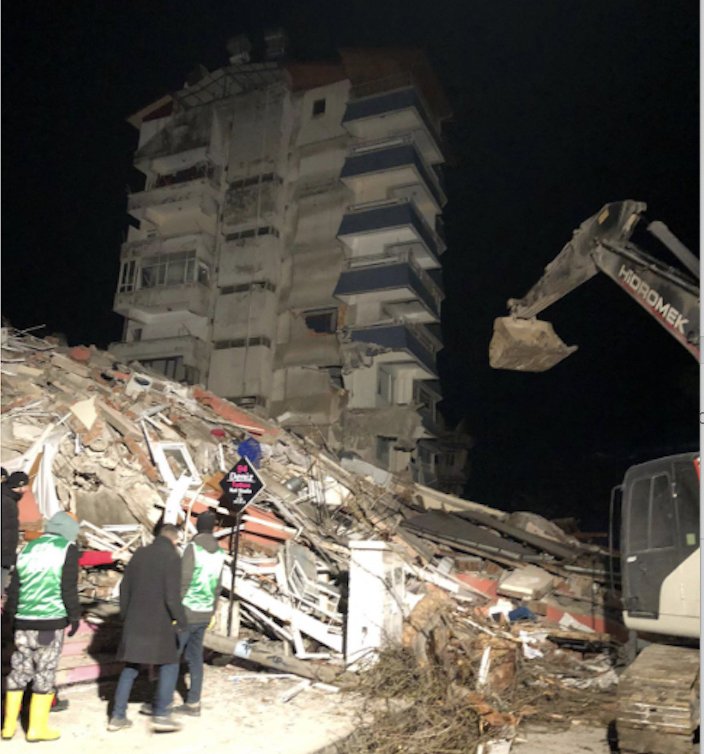
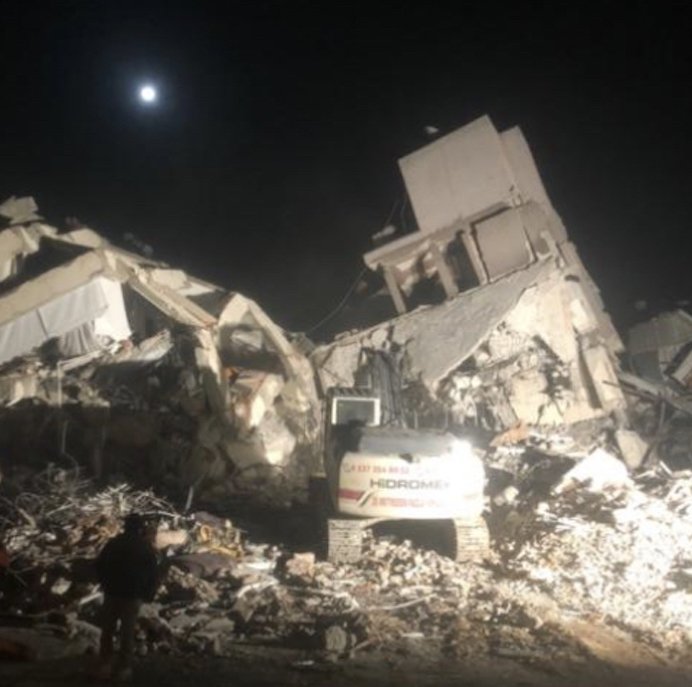
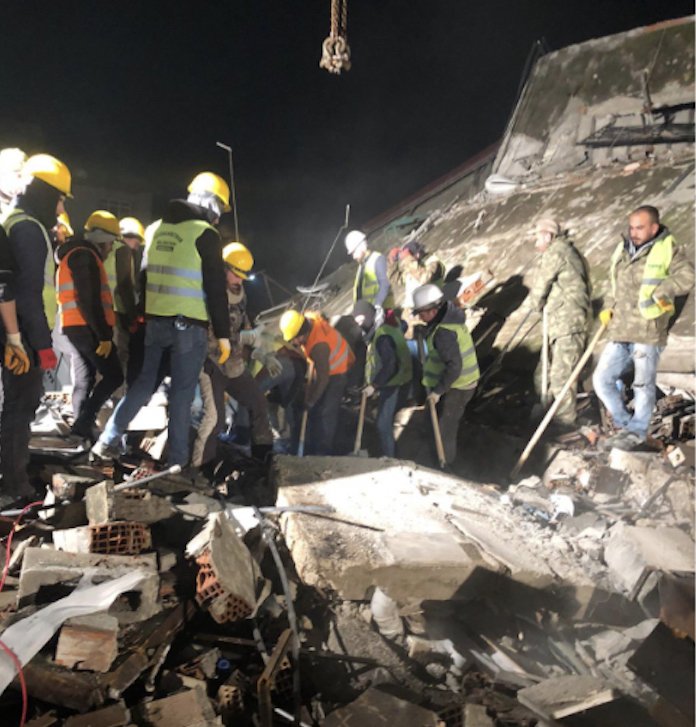
Emergency Response - Film Crew Lighting Experts
Immediately after the earthquakes, YUVA volunteers transported generators, toilets, lighting equipment, and essential supplies to the region. With electrical infrastructure destroyed, their lighting crews enabled search-and-rescue operations to continue through the night.
100 Tiny Houses and Local Employment
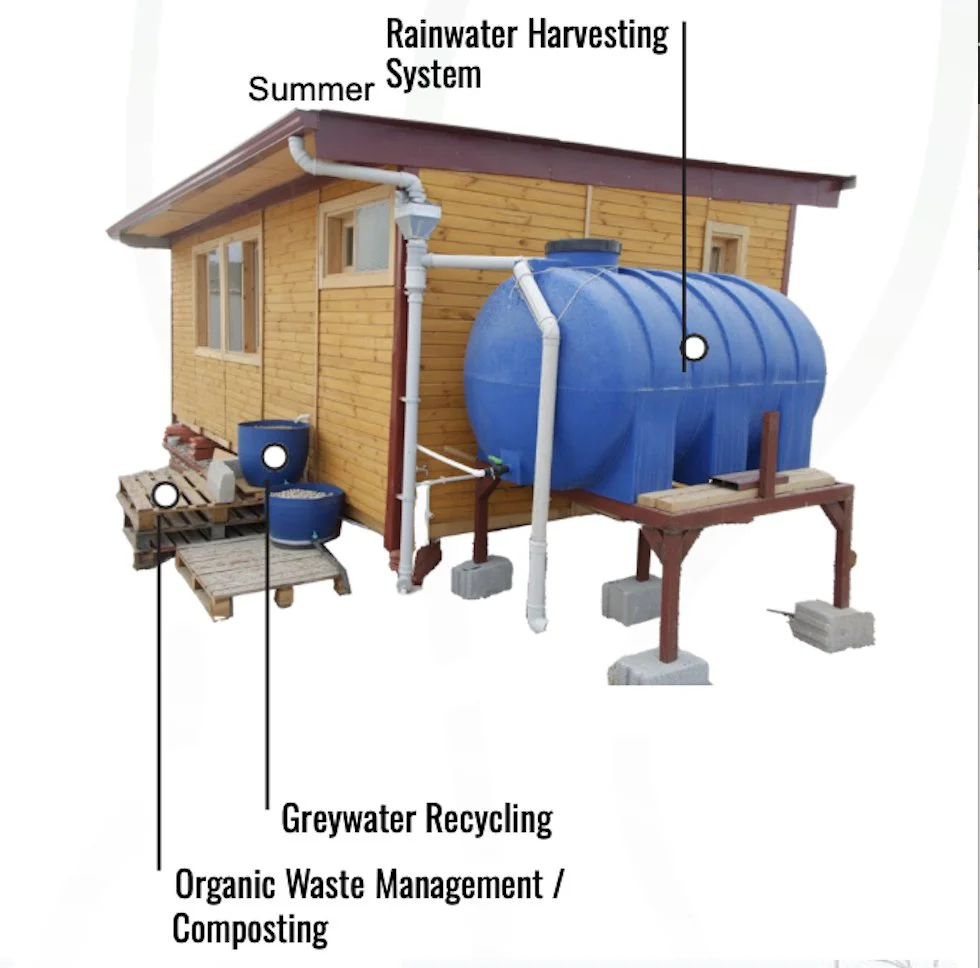
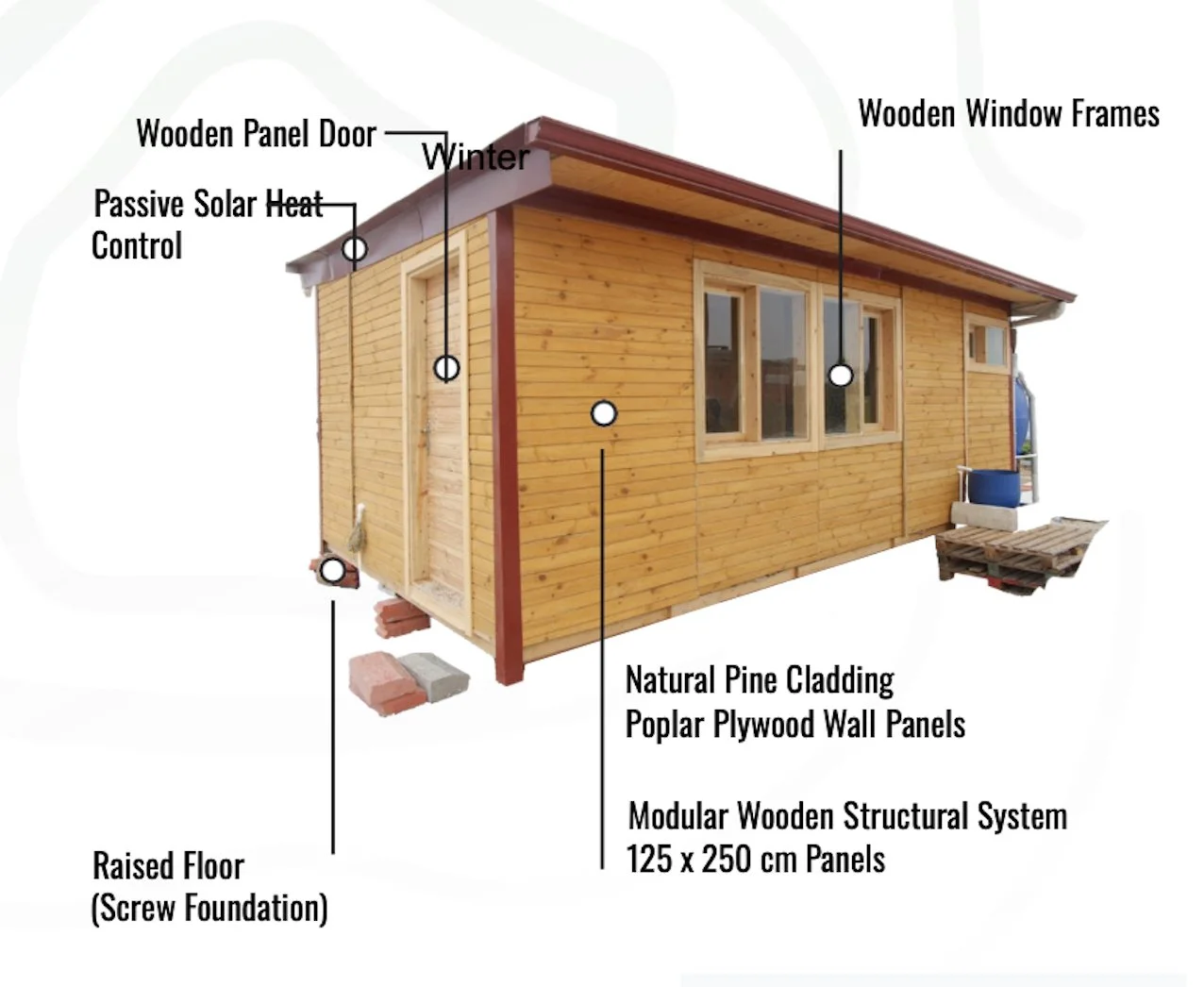
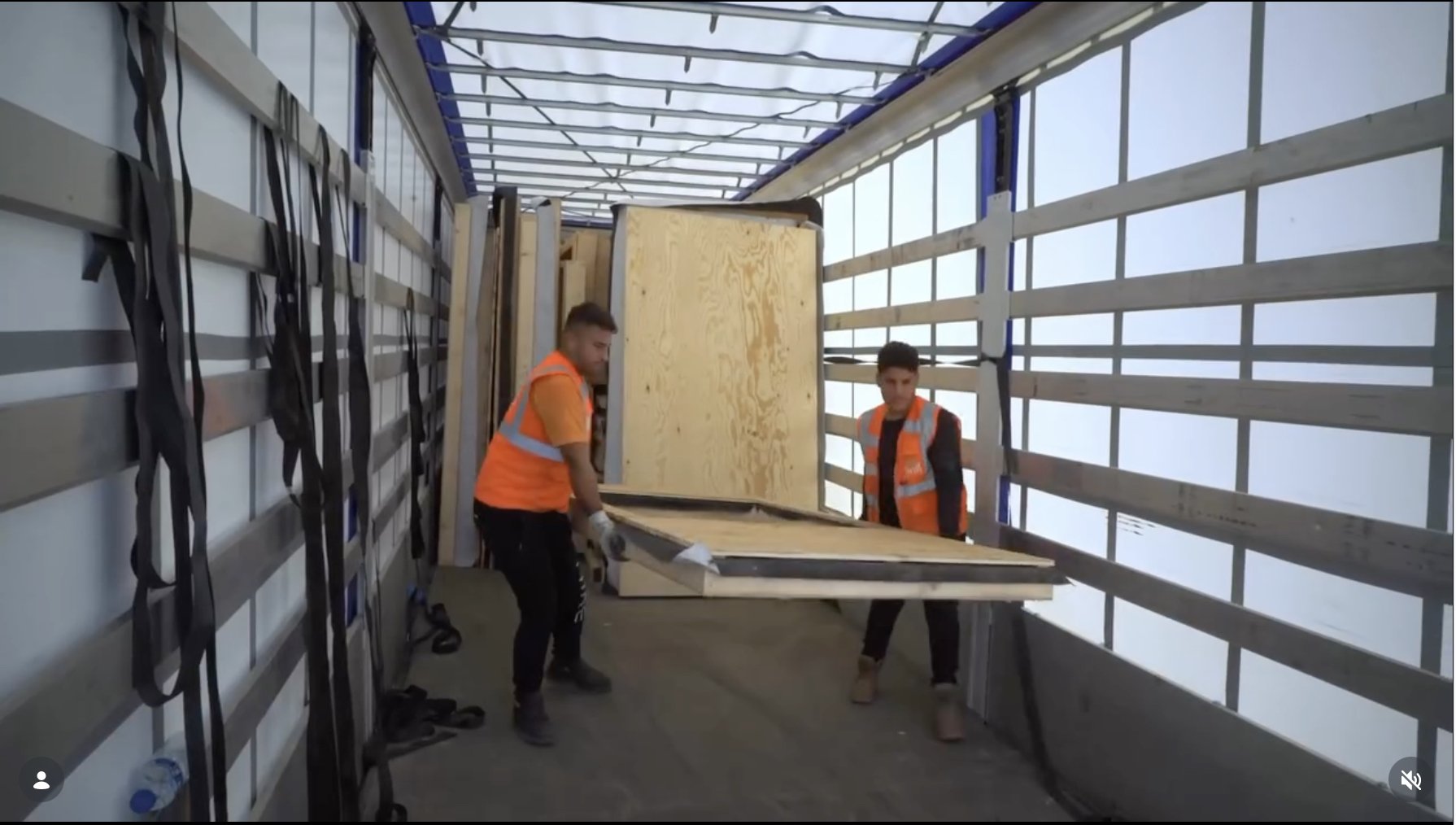
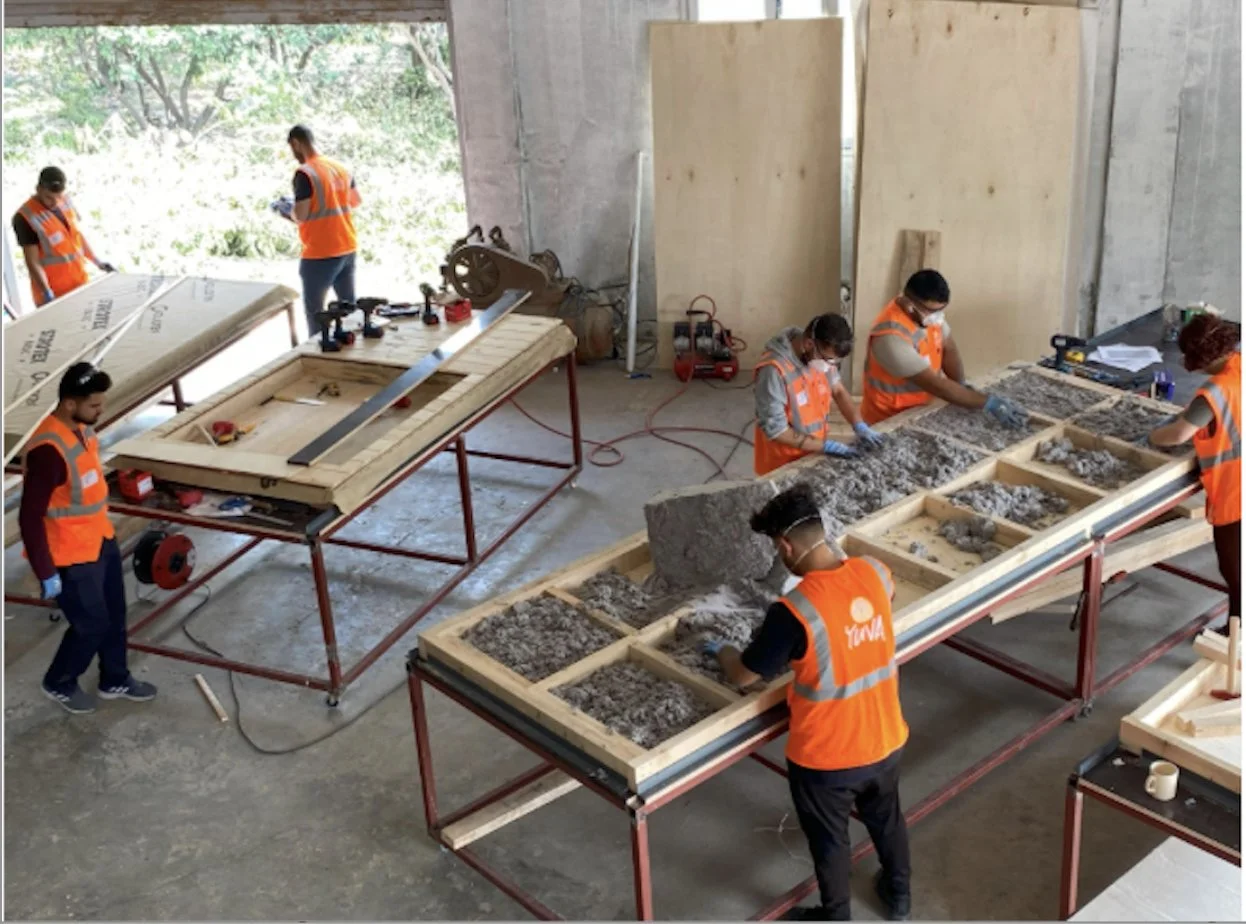
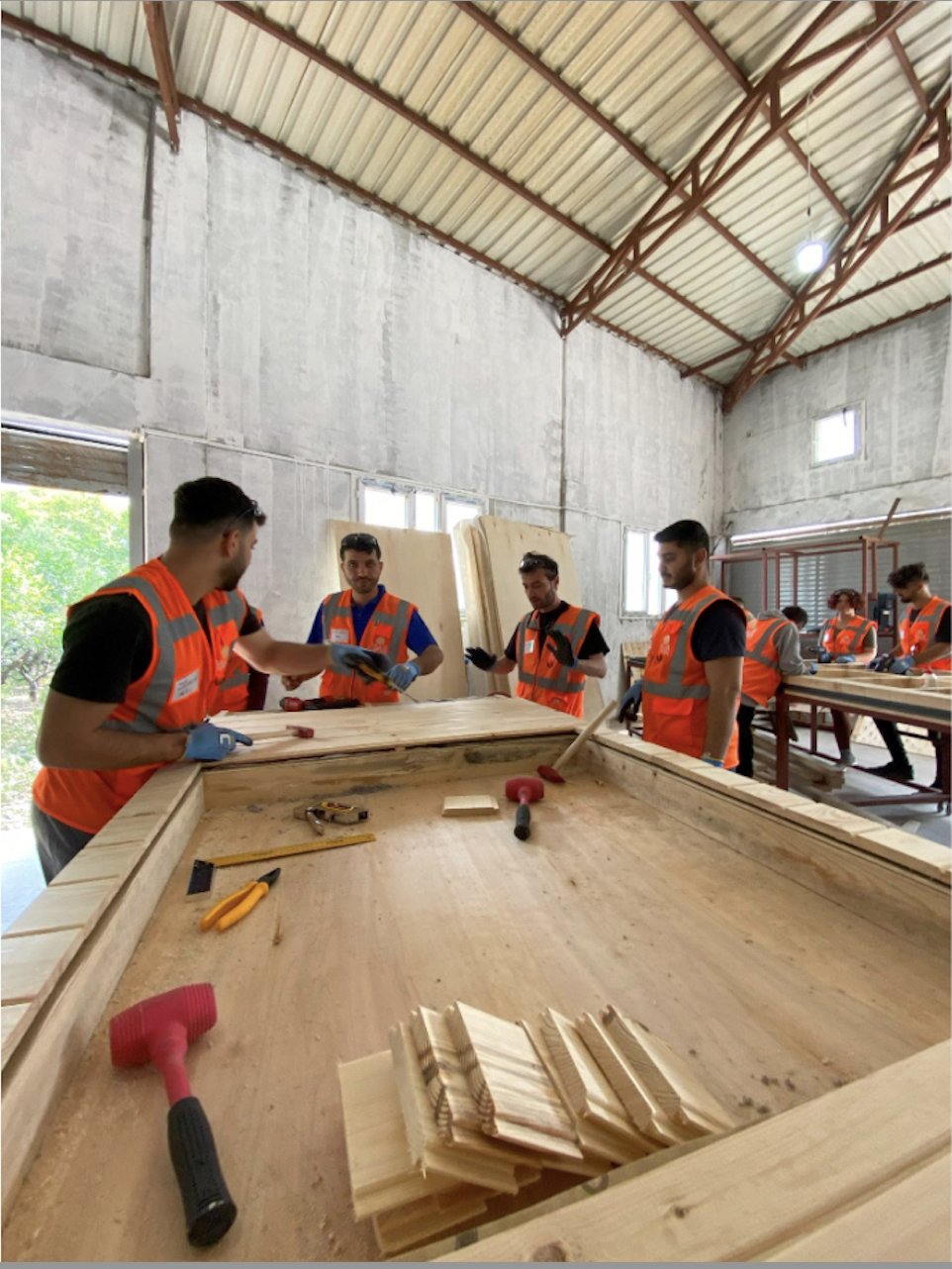
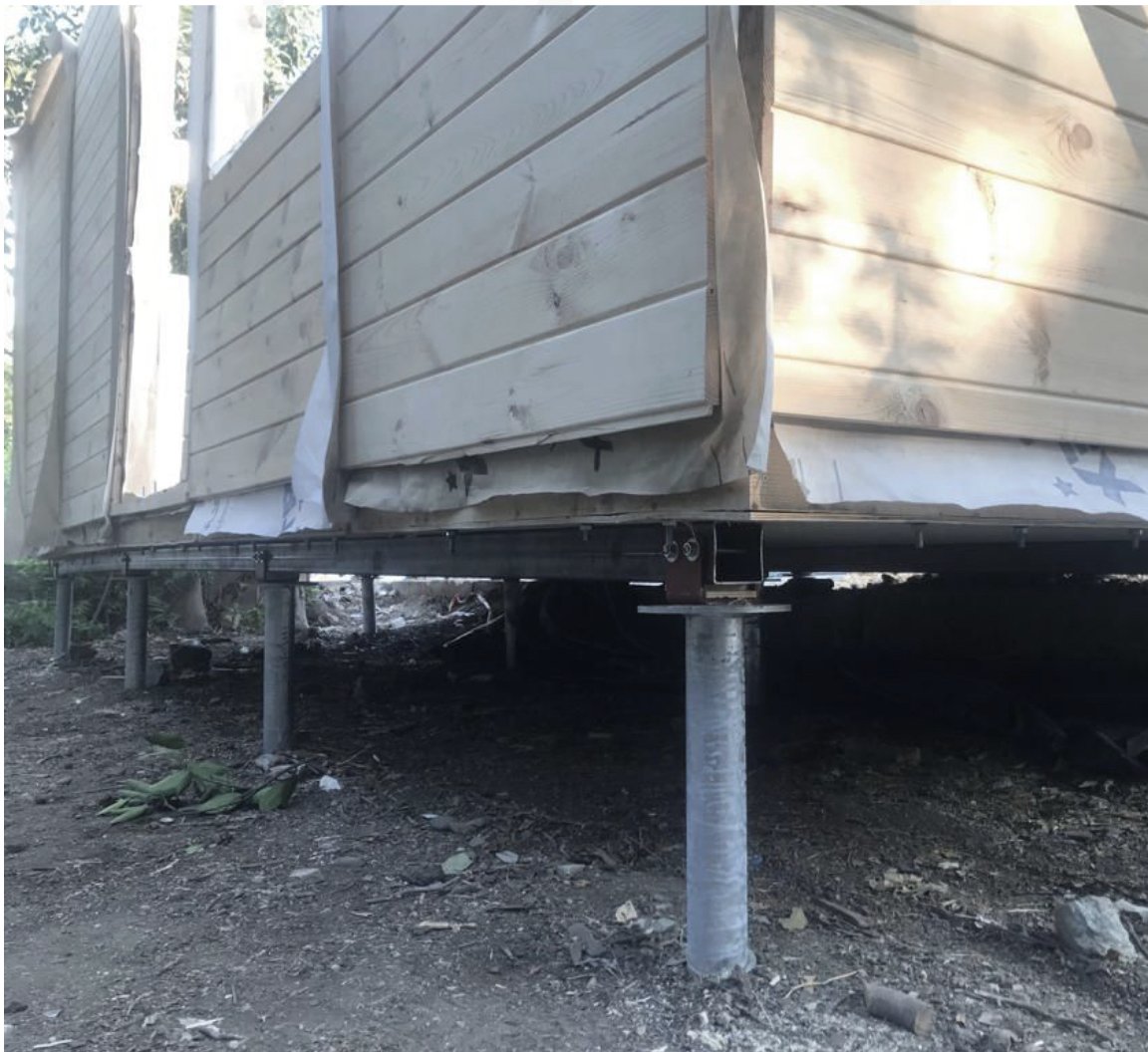
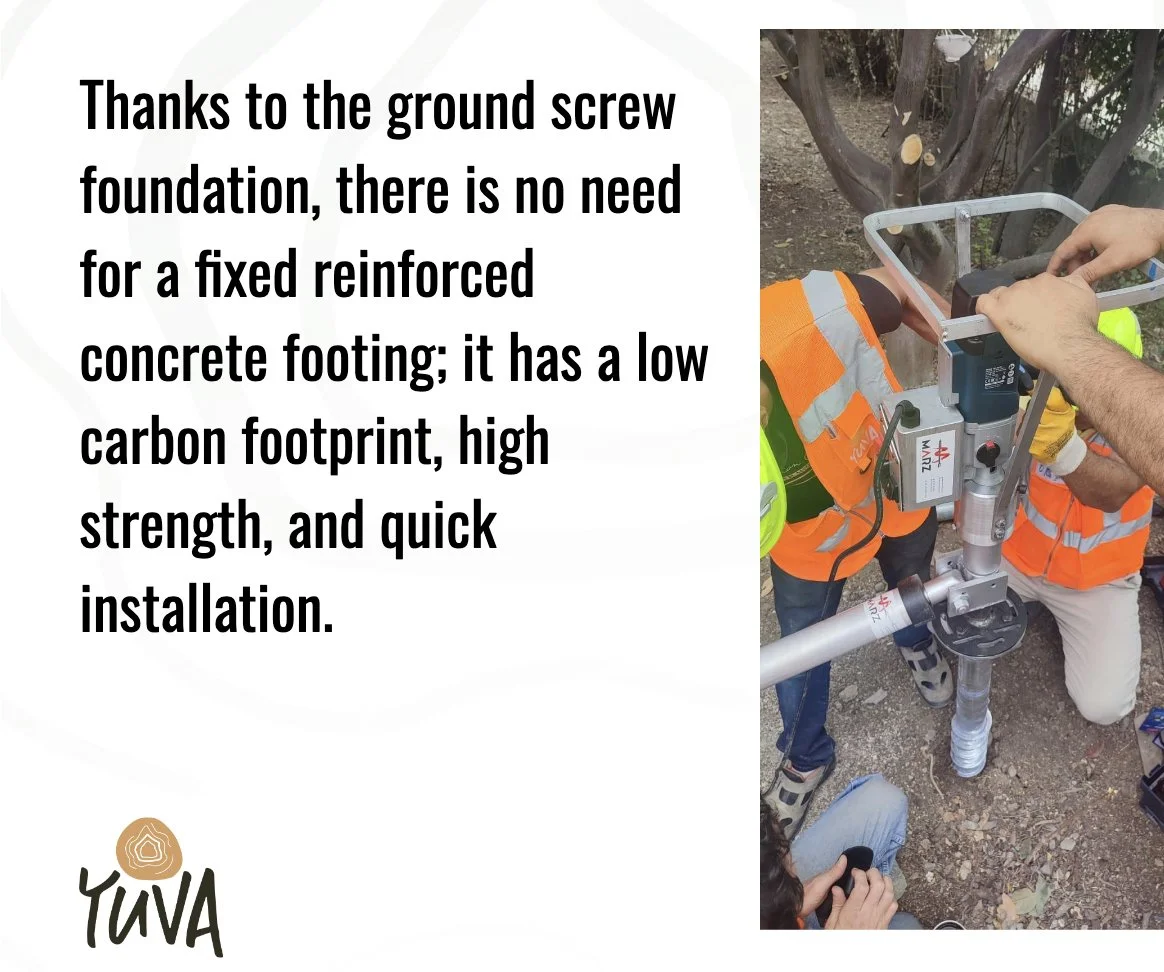
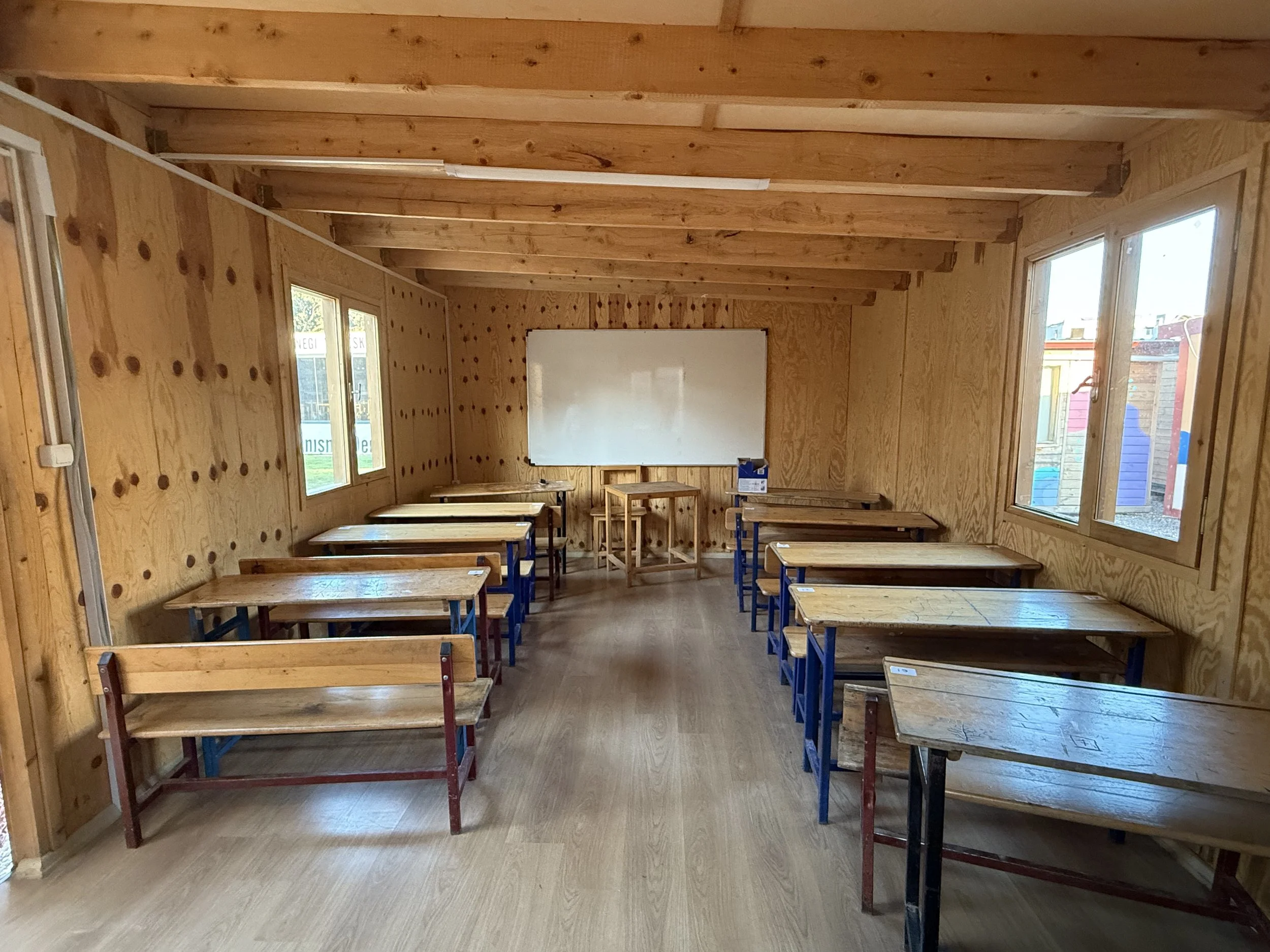
As an alternative to metal containers which are poorly suited to extreme seasonal temperatures and produce harmful outcomes to those who live in them over the long-term, Yuva developed a prefabricated, panelized wooden housing system with rainwater collection and photo voltaic panels. The lightweight panels are insulated with cellulose fiber, easy to transport, and designed for rapid assembly without the need for highly skilled labor. Unlike containers, they do not leave a large carbon footprint in the transport process nor in the waste produced at the end of their lifespans. After meeting urgent shelter needs, the building can be repurposed for use in the same location or easily transported and assembled in another location. Screw jack footings allow for quick deployment and raise the units above accumulated water and residual mud.
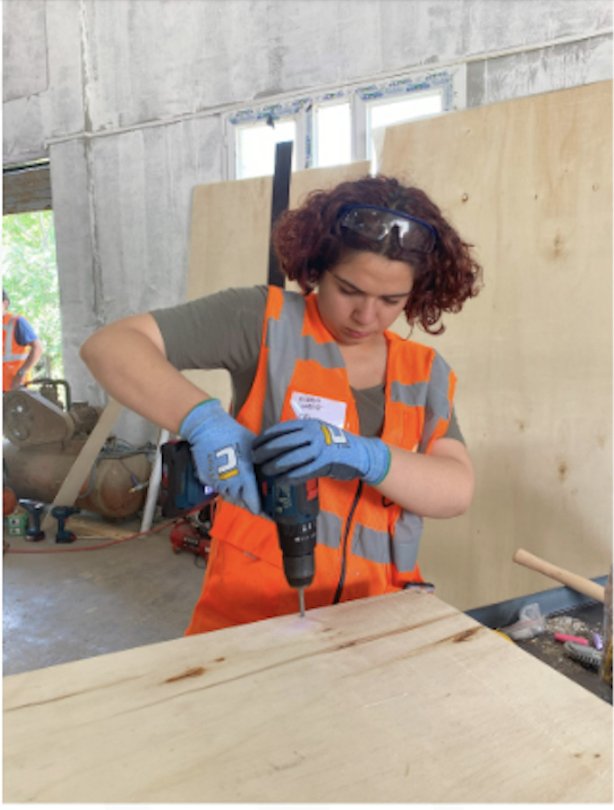
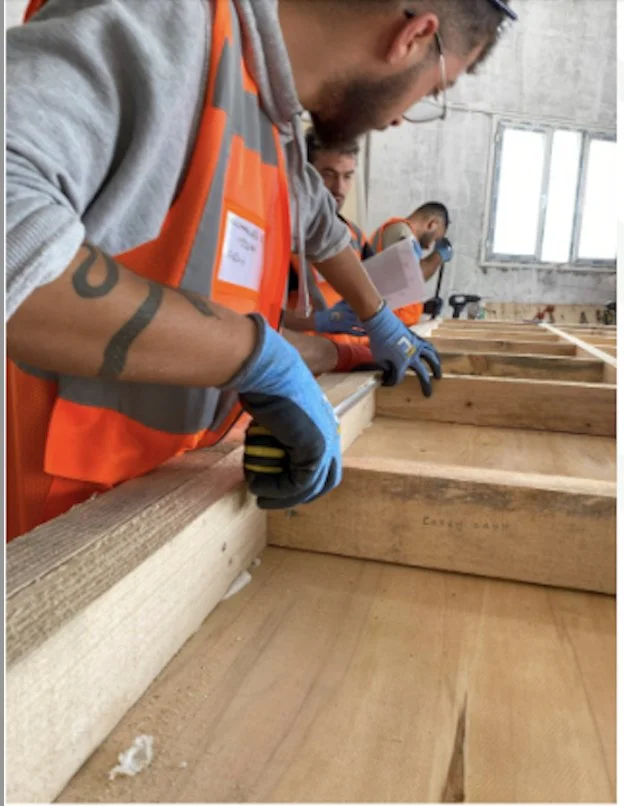
By April 2023, Yuva’s Istanbul-based members had completed a prototype for the 100 Tiny Houses project. By May, they established a workshop in Samandağ, Hatay, creating a local production facility within the earthquake region itself and hired 20 staff and local craftsmen. By the end of the year, they had installed several modular, wooden, demountable homes designed to be energy-efficient. Organizing fabrication locally reduced shipping time and cost while generating employment where livelihoods had been disrupted. Unfortunately, the workshop was unable to sustain itself. Problems encountered included issues of funding (mostly from non-local sources) and also the ability to train a sizeable labor force to fabricate with good, local materials.
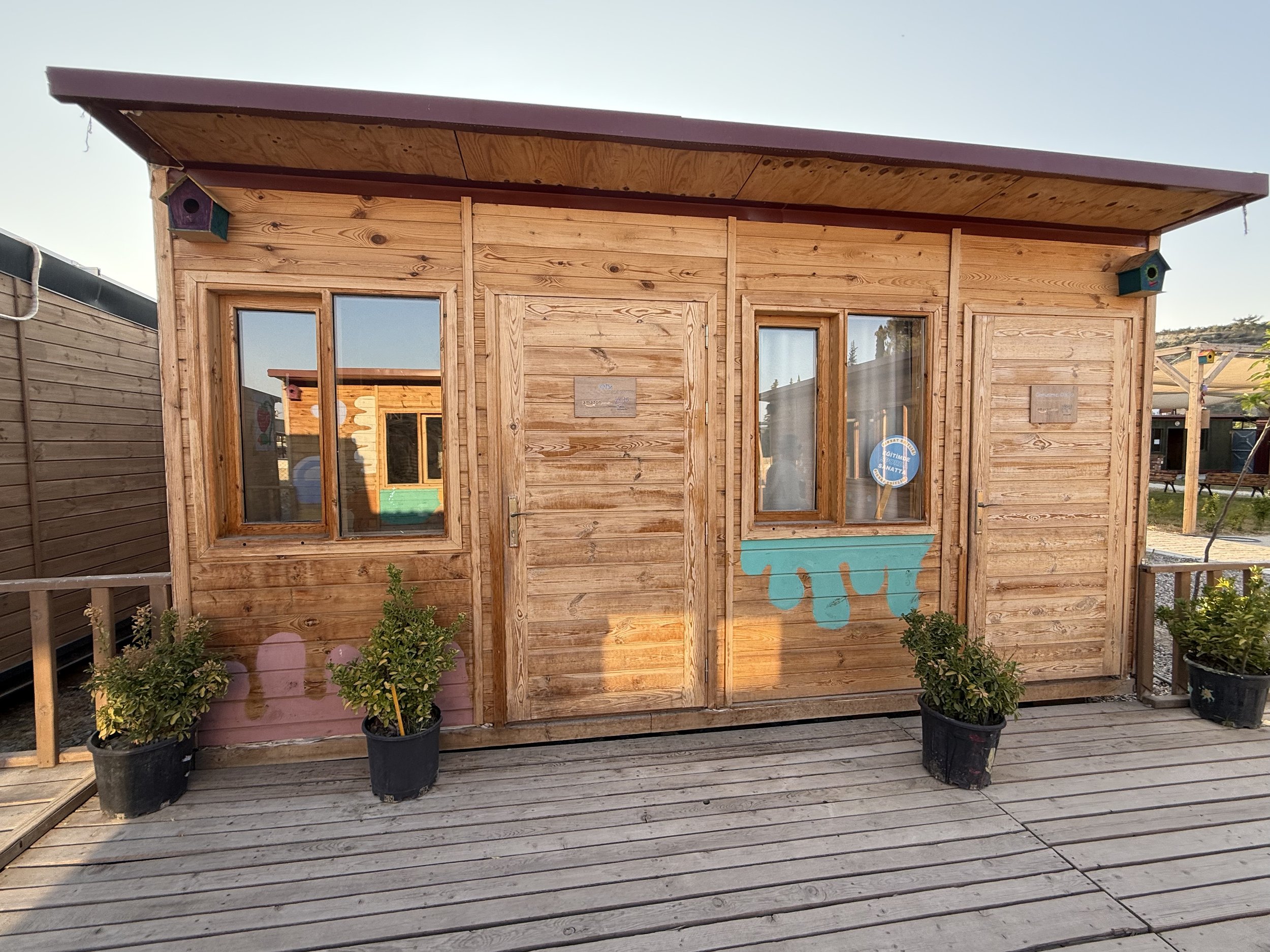
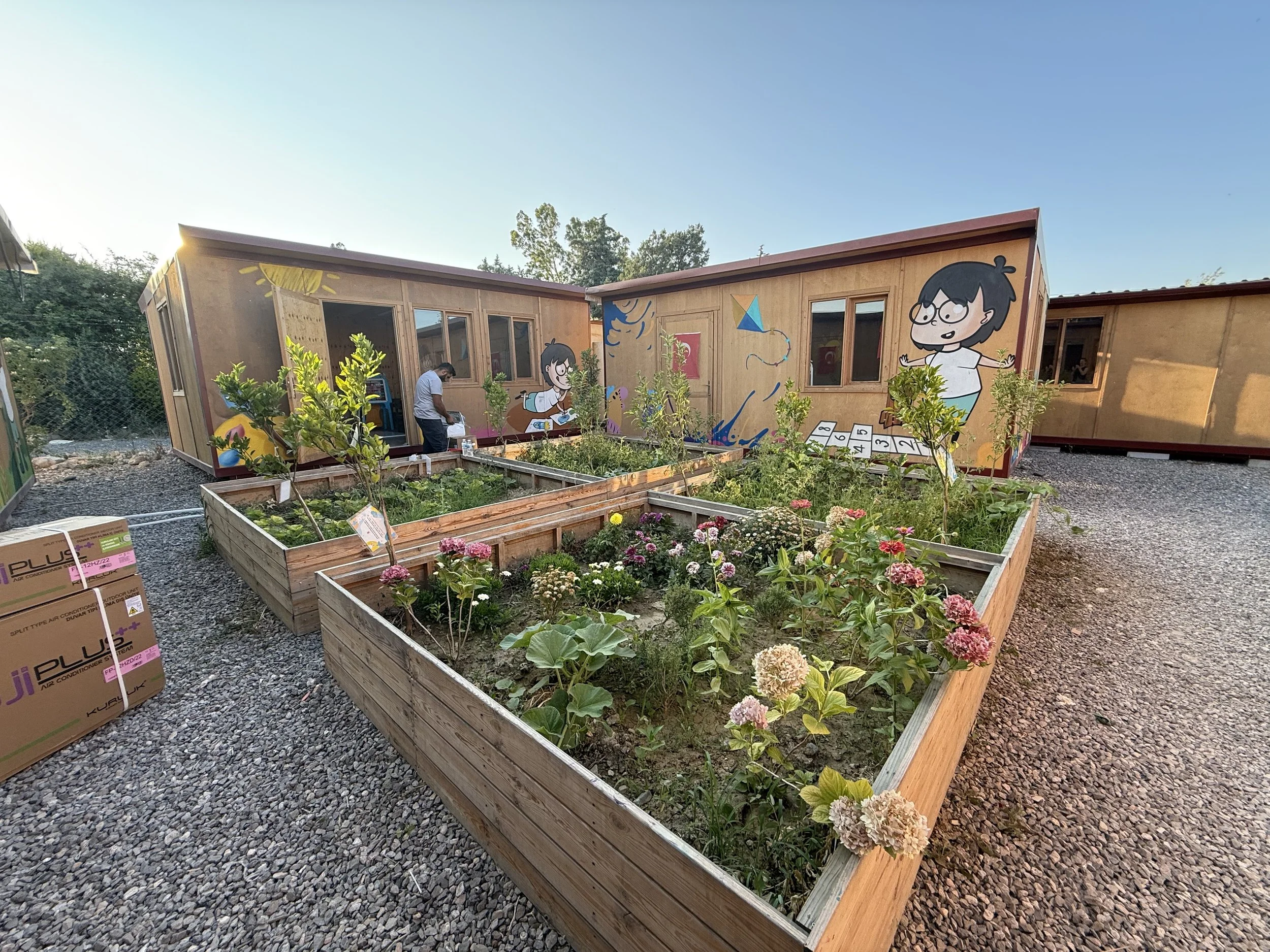
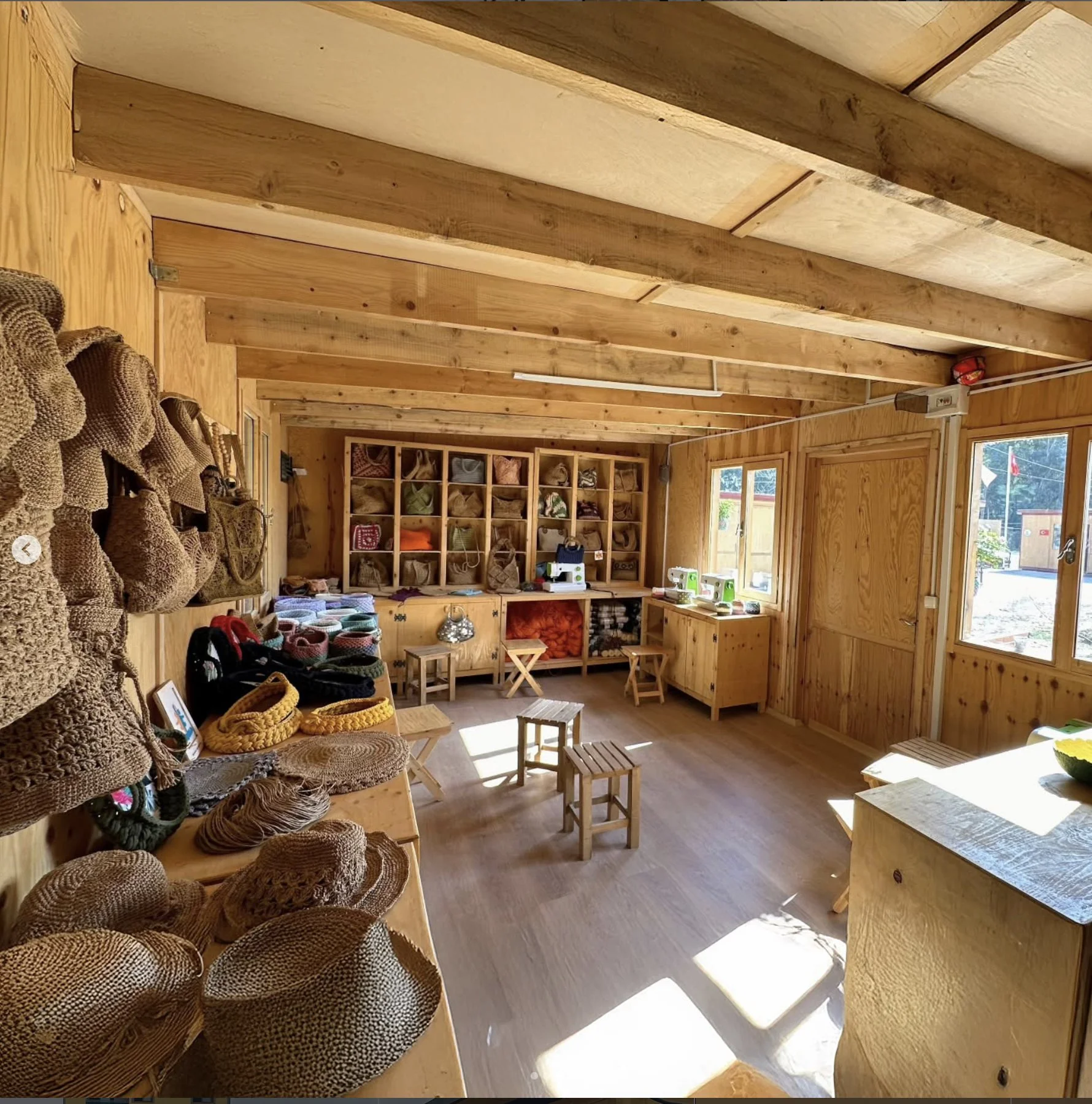
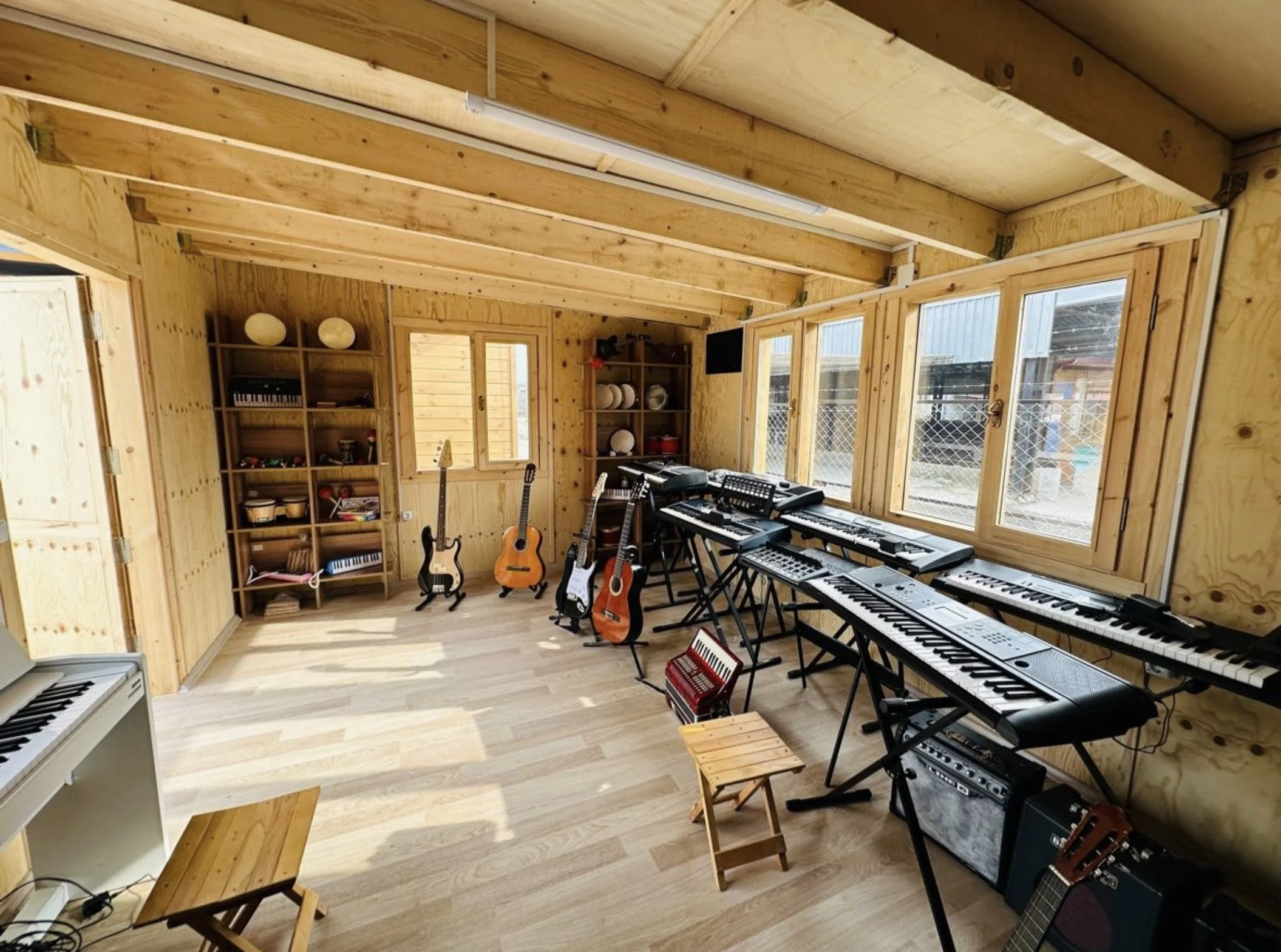
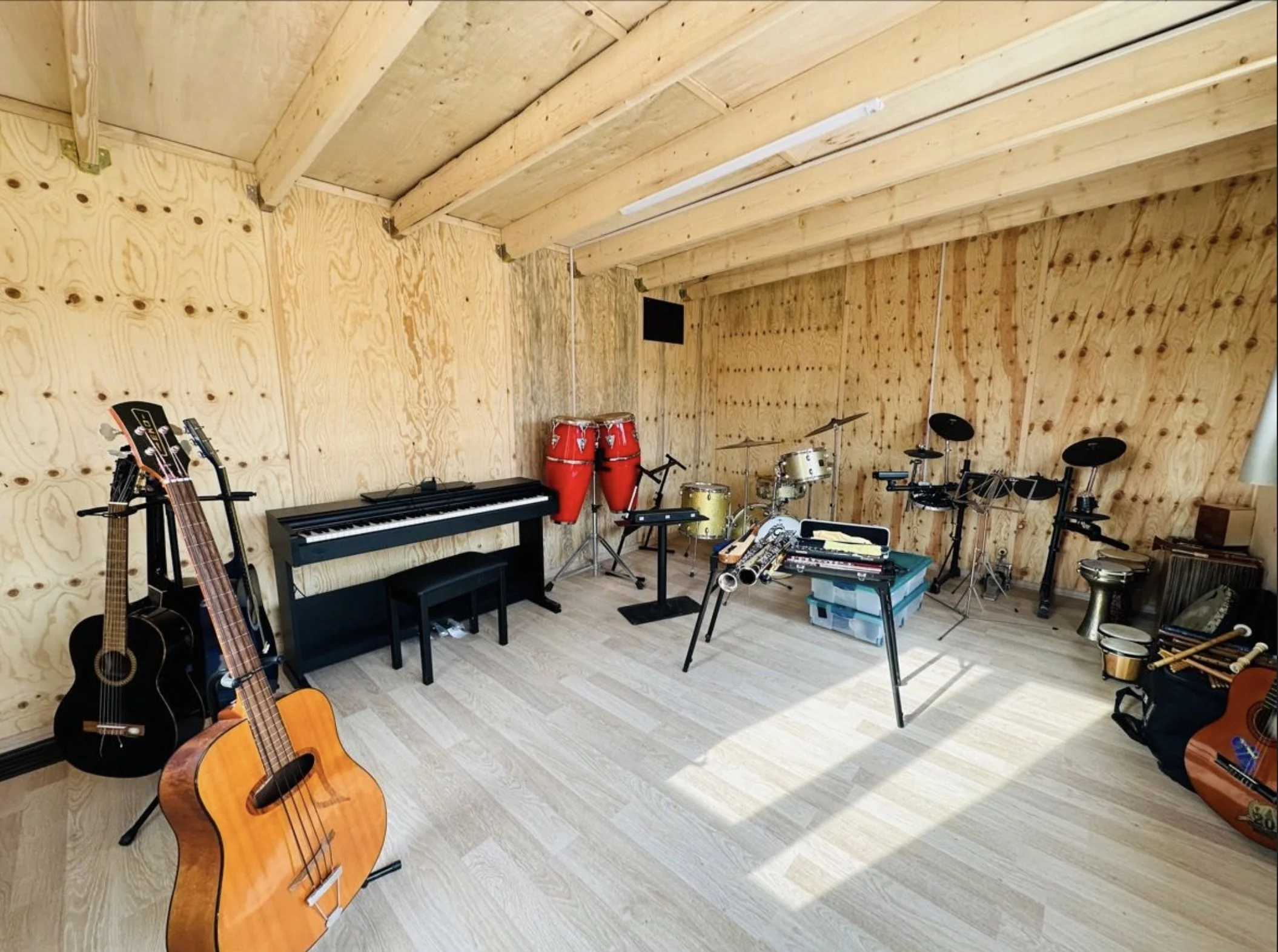
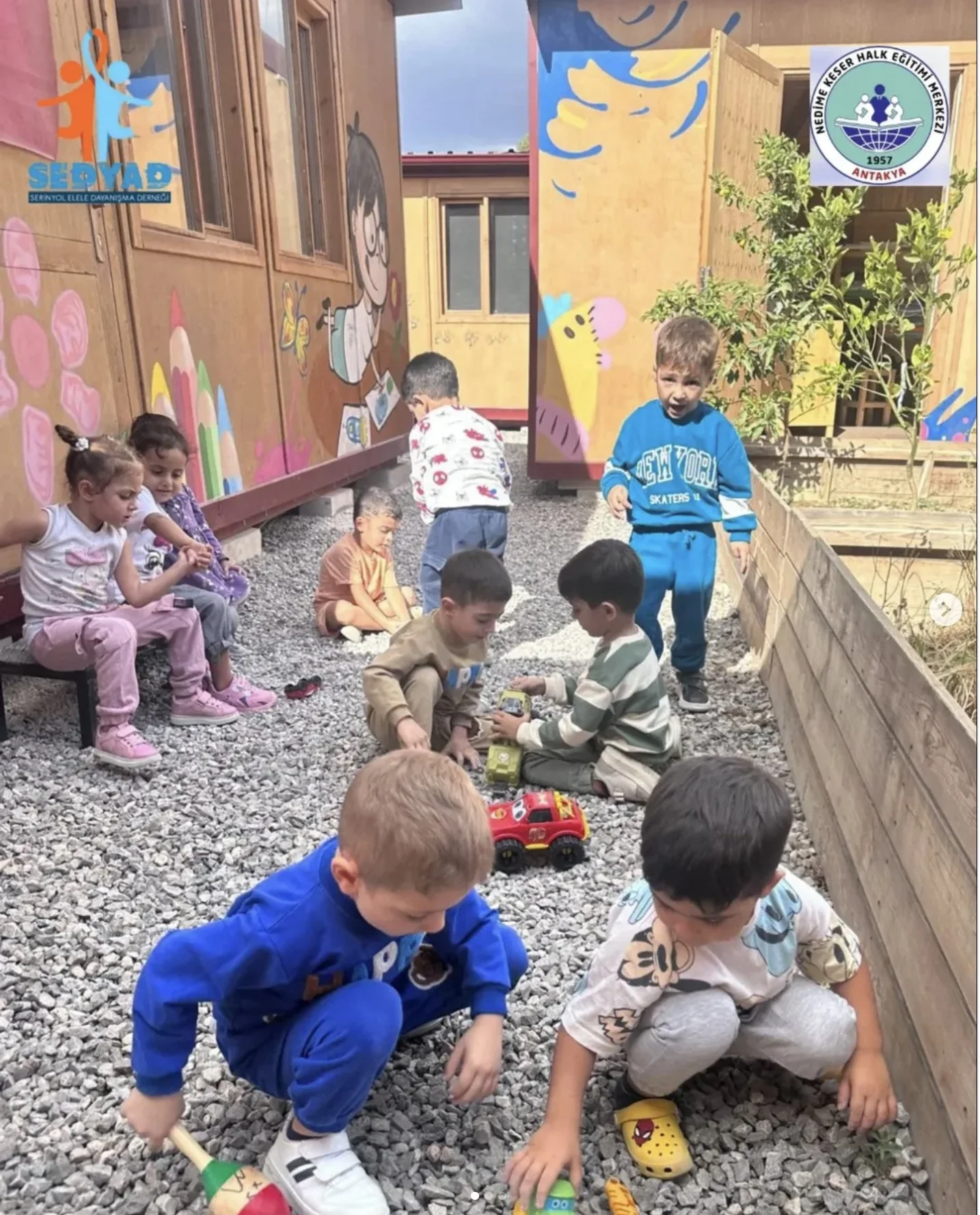
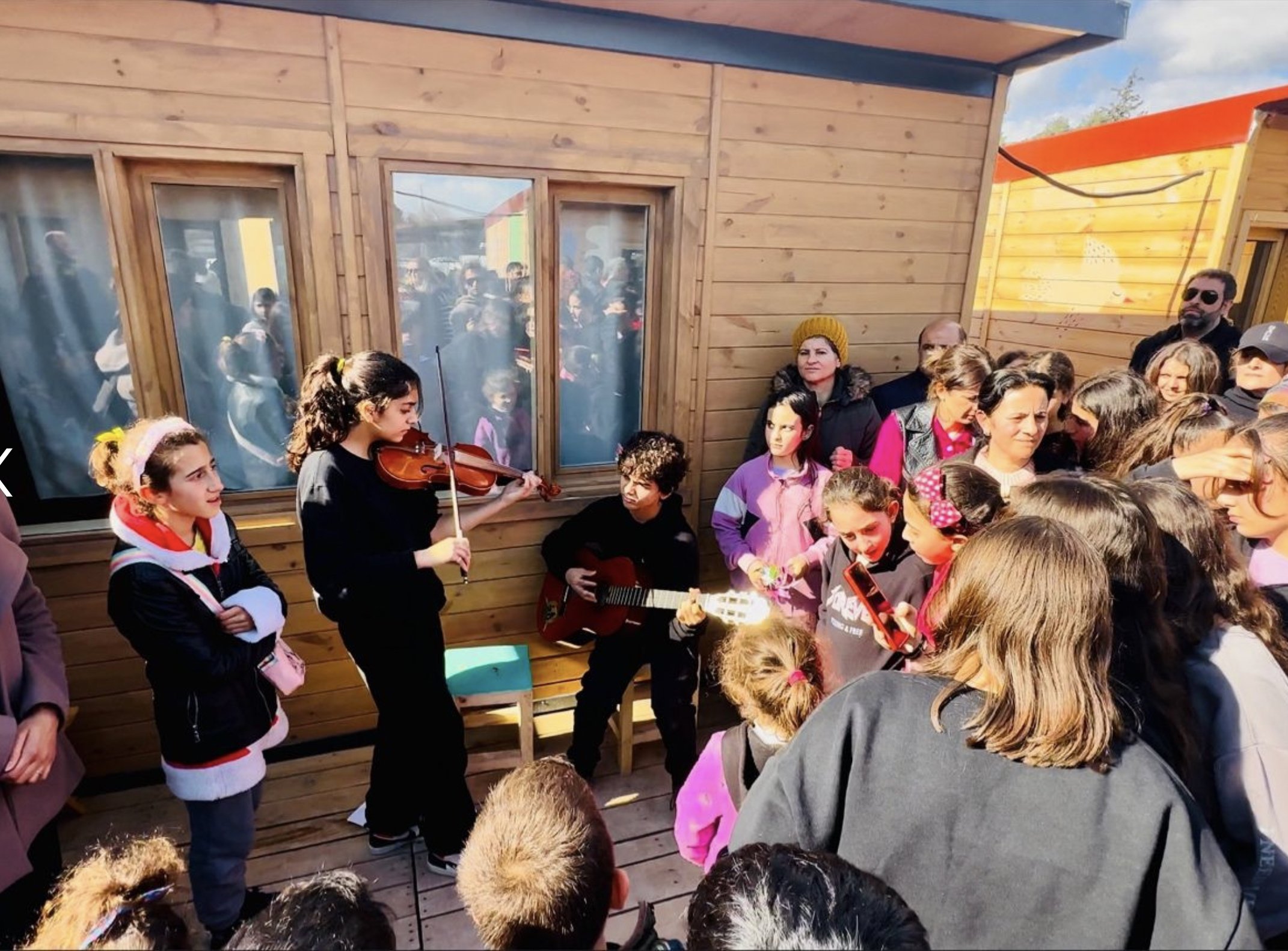
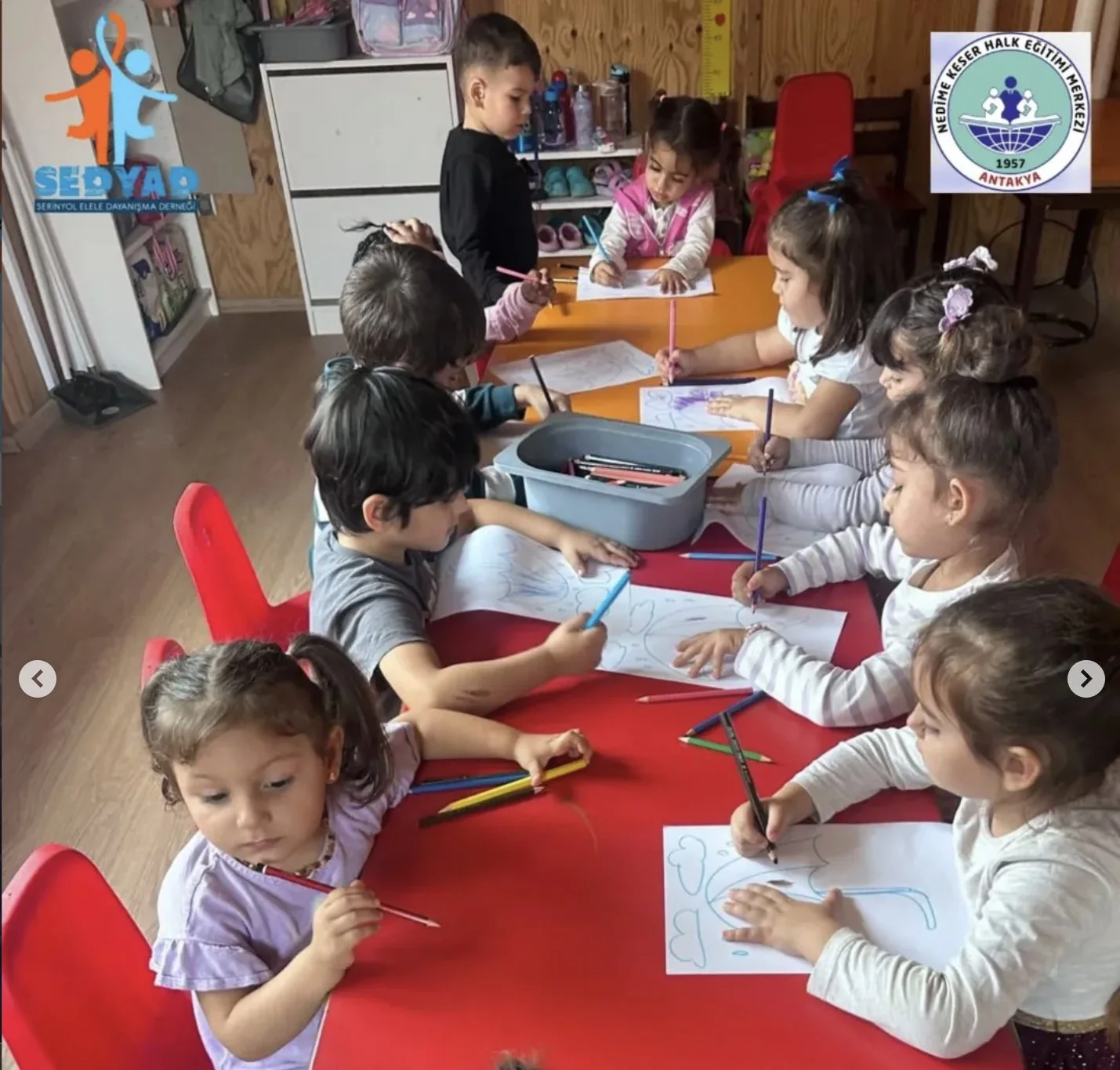
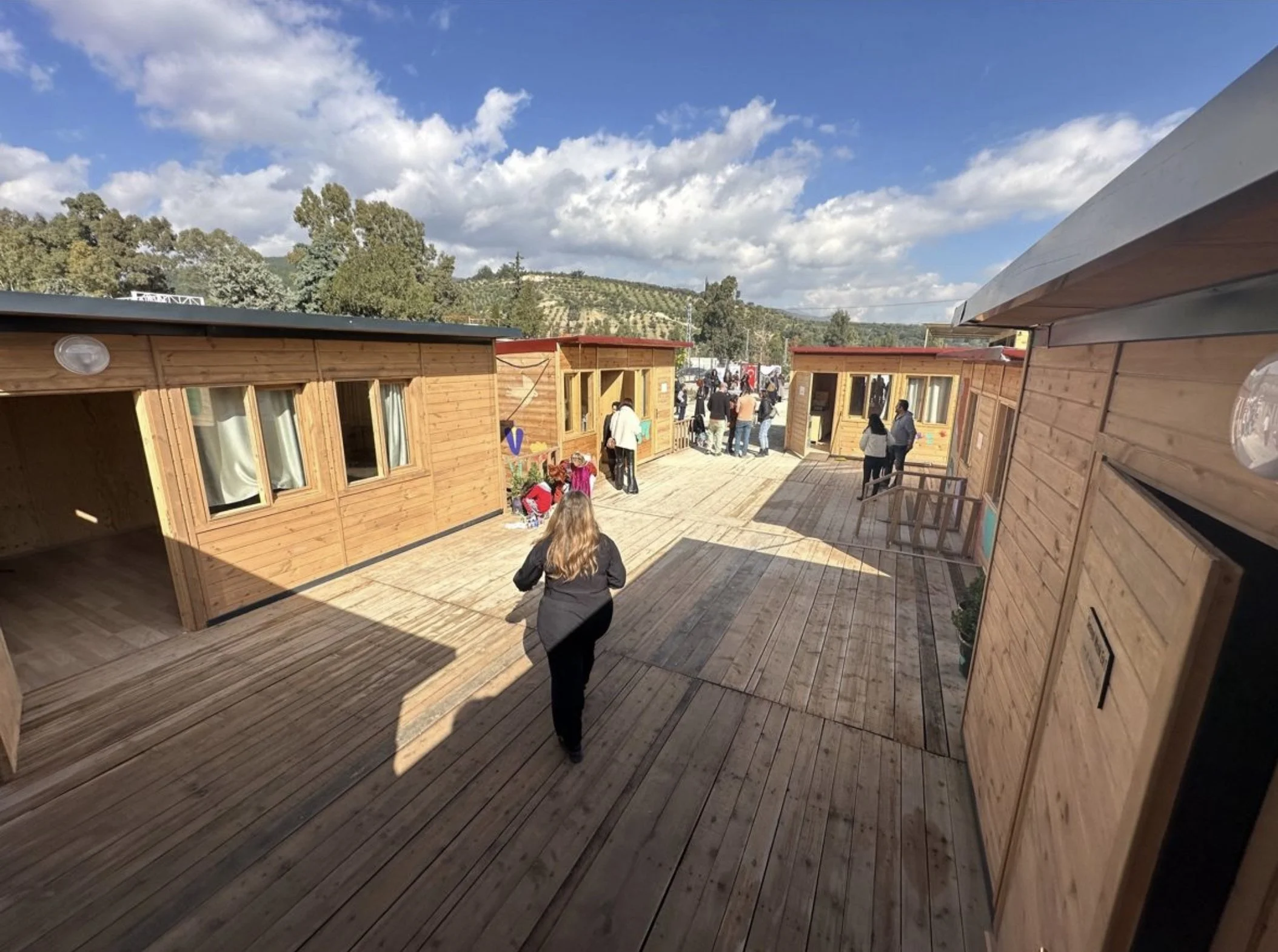
Serinyol El Ele Dayanışma Derneği (SEDYAD) (Hand in Hand Solidarity Association)
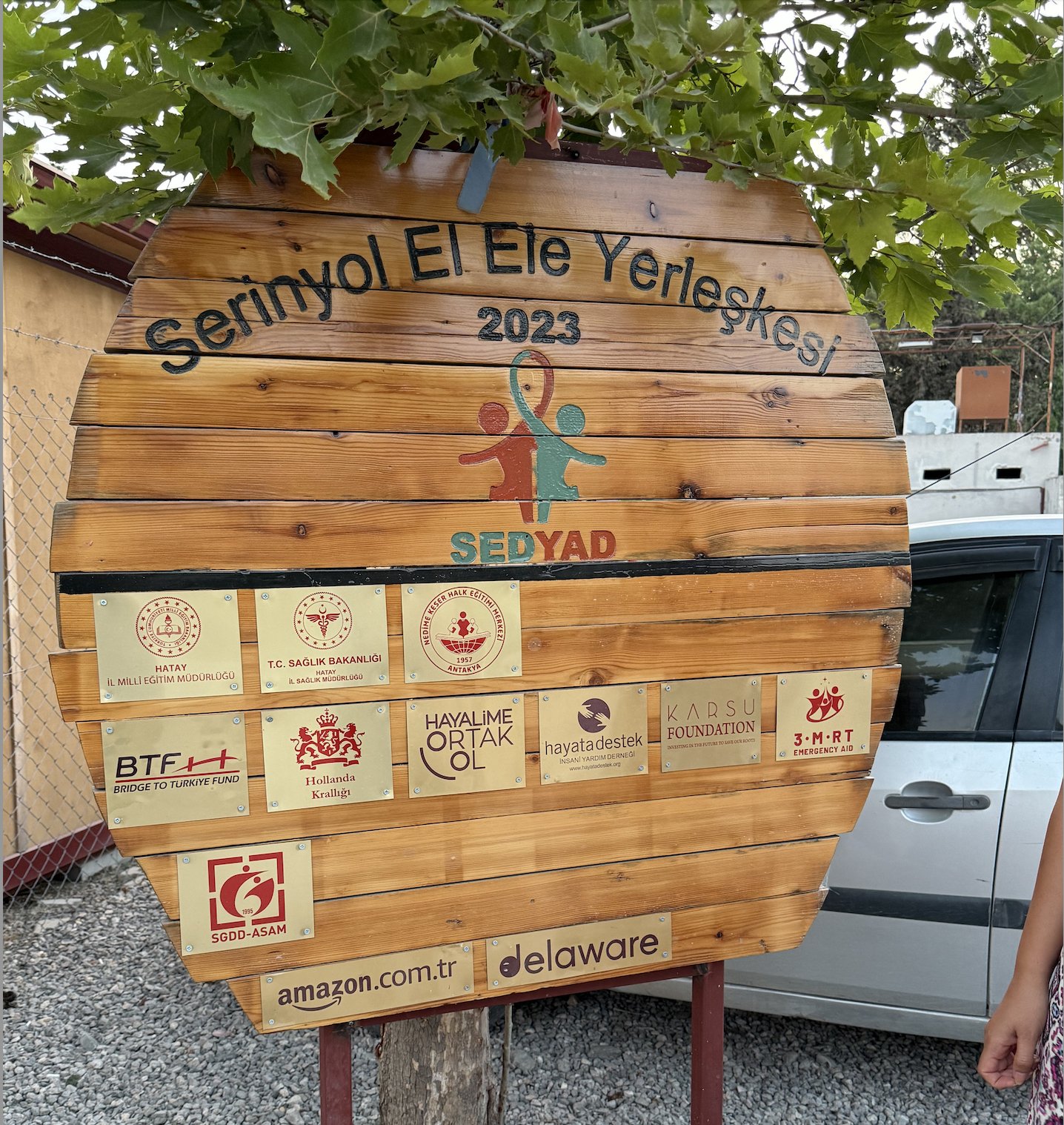
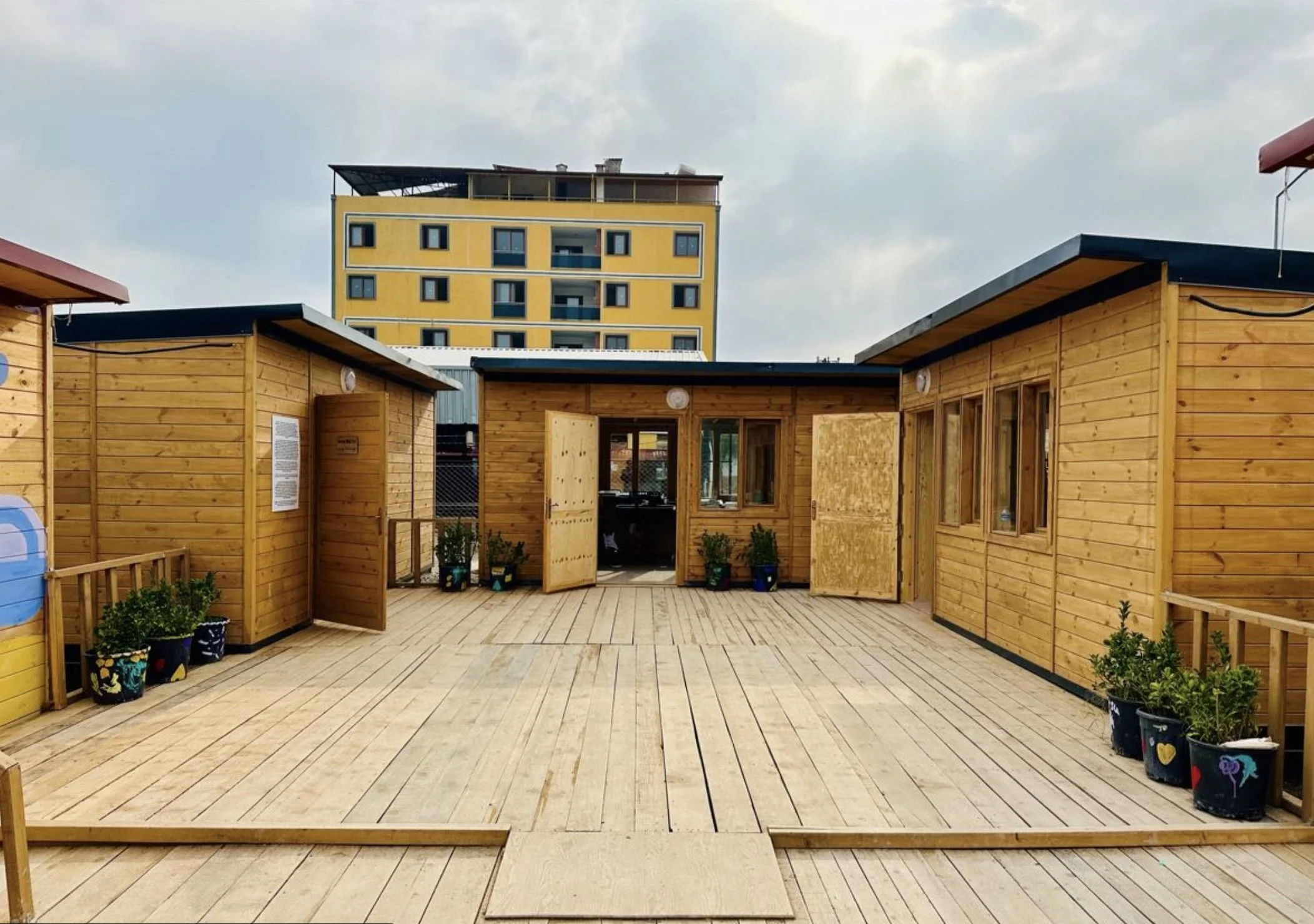
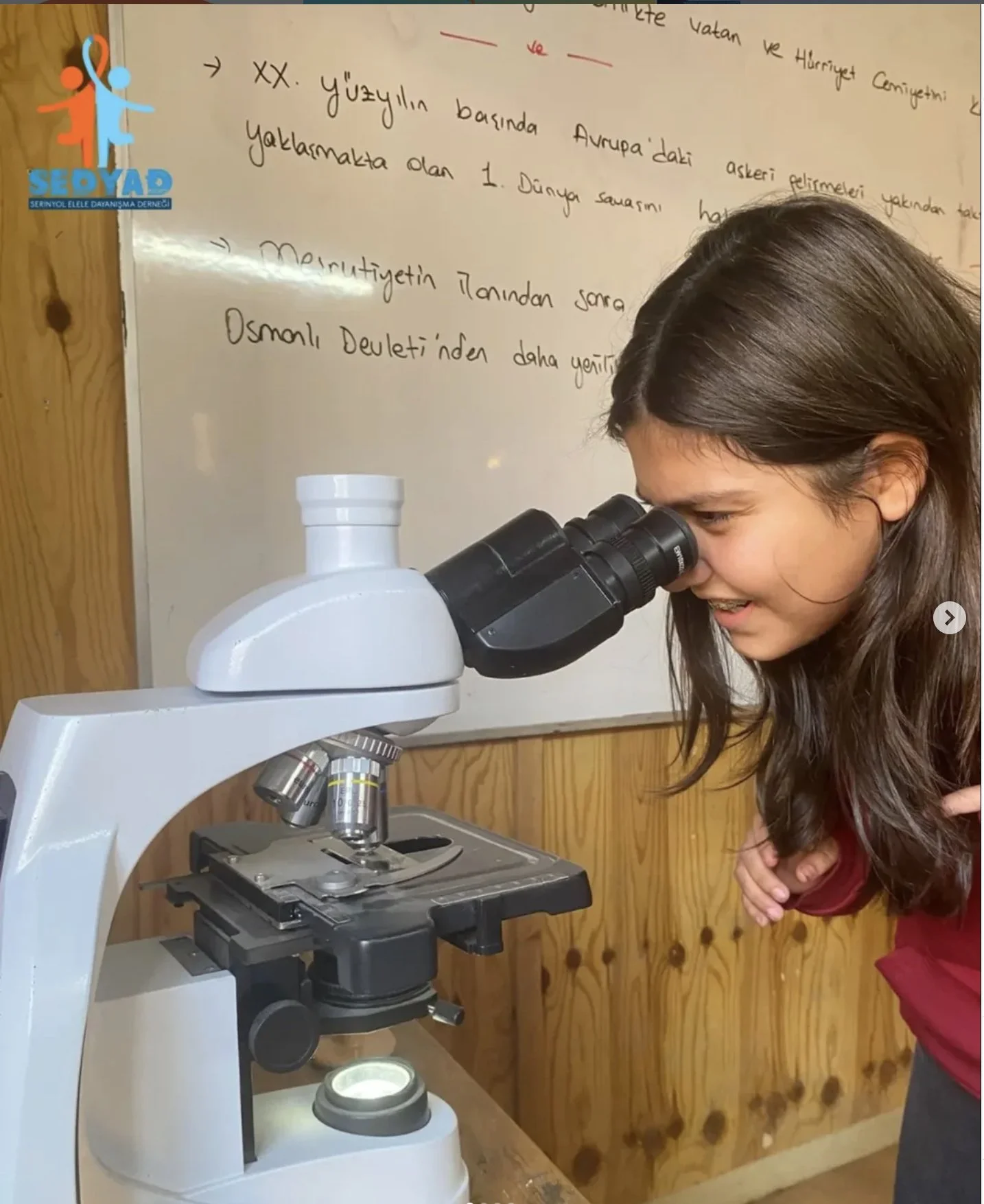
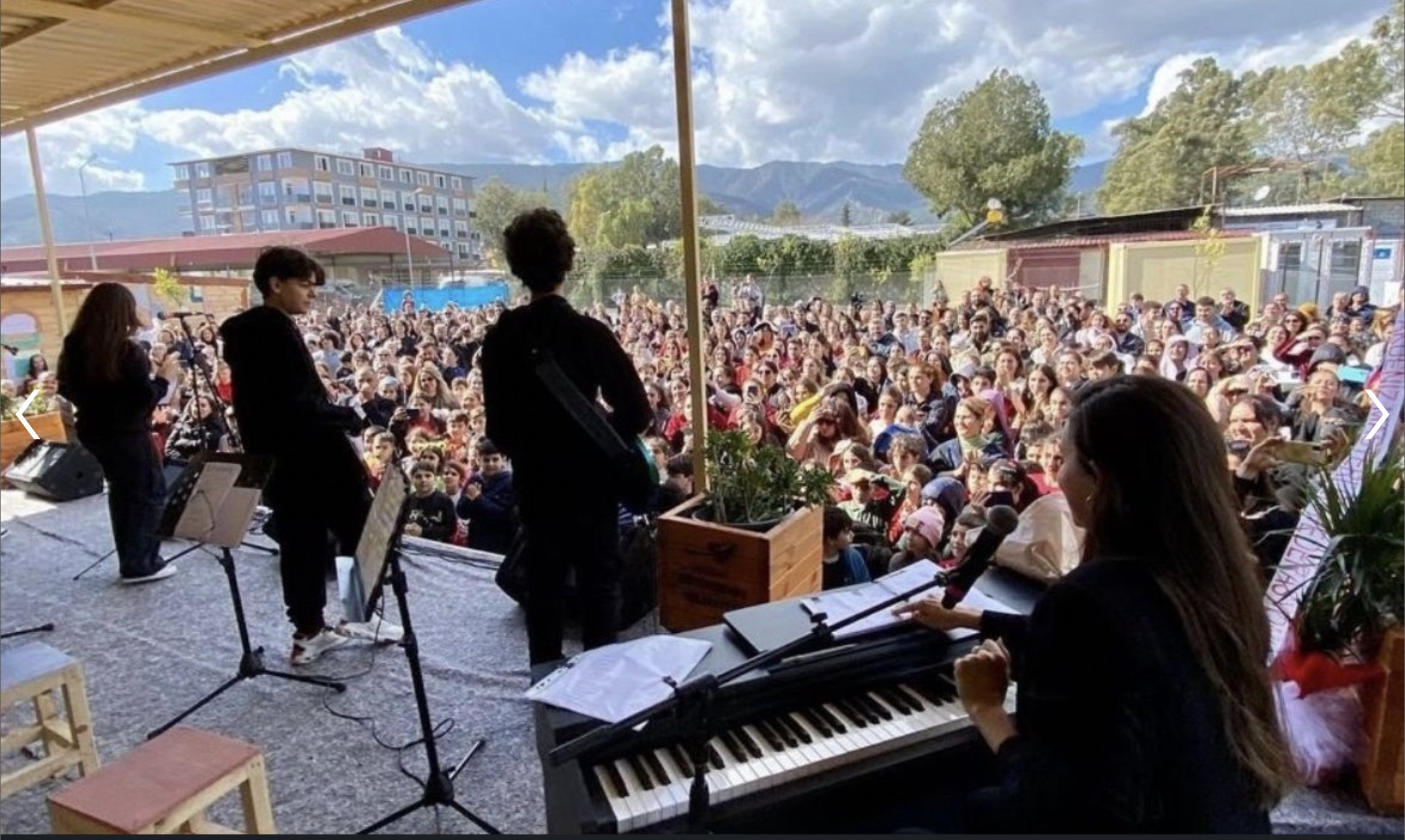
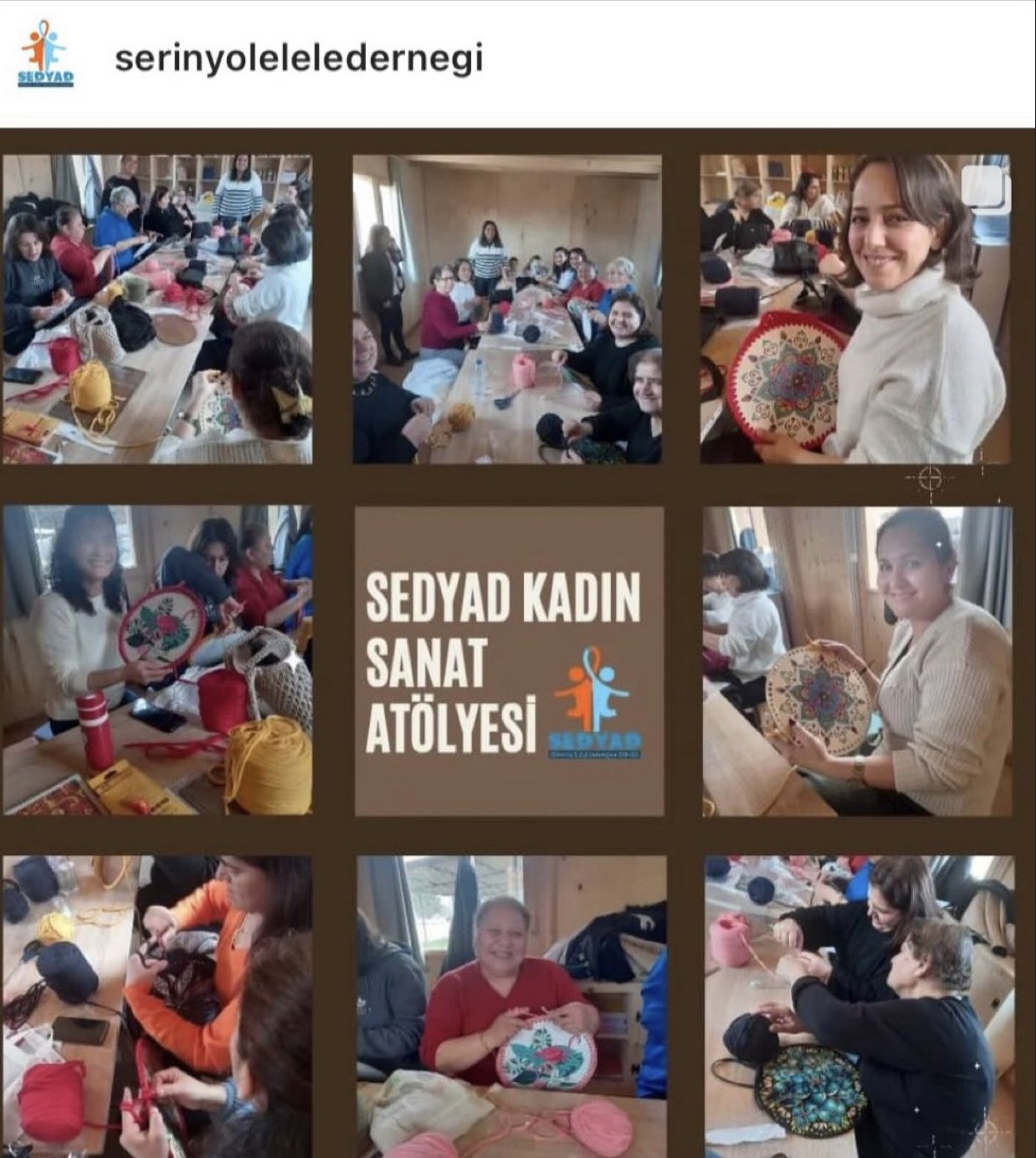
Yuva applied its panel system to the construction of the communal center, SEDYAD in Serinyol. Support from local and international partners funded the construction and initial programming. SEDYAD hosts a music school and performance space, women’s workshops, classrooms, daycare facilities, gardening beds, psychosocial support rooms, and accessible units for individuals with disabilities. In this way, it addresses both the social and employment needs of rural and urban communities alike. SEDYAD also serves as a distribution hub and soup kitchen, providing meals and essential supplies. During emergencies—including the frequent summer fires that affect the region—it continues to be a place where residents gather, organize, and coordinate response efforts. As with similarly situated groups after four years, its programming suffers from dwindling funding.