
The 7.8 and 7.5 magnitude earthquakes that hit Southeastern Turkey and Syria on February 6, 2023, took an estimated 60,000 lives. Entire neighborhoods across 11 provinces were destroyed in cities such as Kahramanmaraş, Adiyaman, and Antakya, with more than 2 million people displaced and 500,000 collapsed or severely damaged buildings. The humanitarian crisis presented urgent aid and disaster relief challenges as well as concerns for long-term, sustainable, and resilient rebuilding efforts.
Turkey and Syria After the Earthquakes is a series of panel discussions curated by CARRRE, a collective of U.S.-based architects and academics with deep ties to Turkey, aiming to amplify awareness among a global audience regarding the catastrophic repercussions of these earthquakes and to provide agency to architects, planners, engineers, municipalities, and builders on the ground through the sharing of professional expertise and long-term rebuilding strategies.
This second panel examines the challenges of extended occupancy of temporary disaster shelters, including housing, community spaces, and settlements. Conventional post-disaster planning strategies and building techniques are discussed as well as alternative approaches and designs that retain a community’s sense of place and identity within social and environmental ecologies.
Cover Image: A semi-destroyed building standing amongst rubble, located in Antakya, Turkiye. Photo: Ingrid Woudwijk
Turkey and Syria after the Earthquakes
Panel 2: Mid-Term Relief and Transitional Programs

Meltem Şenol Balaban

Yasmeen Lari
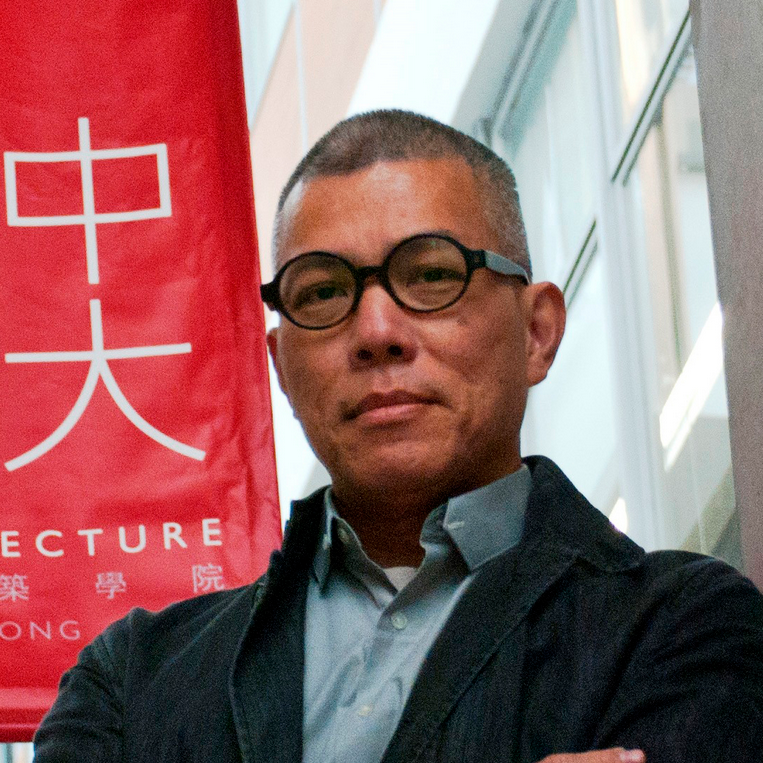
Edward Ng
Speakers

James Garrison

Alp Arisoy