
Southeastern Türkiye
Hope Cities (Umut Kentler)
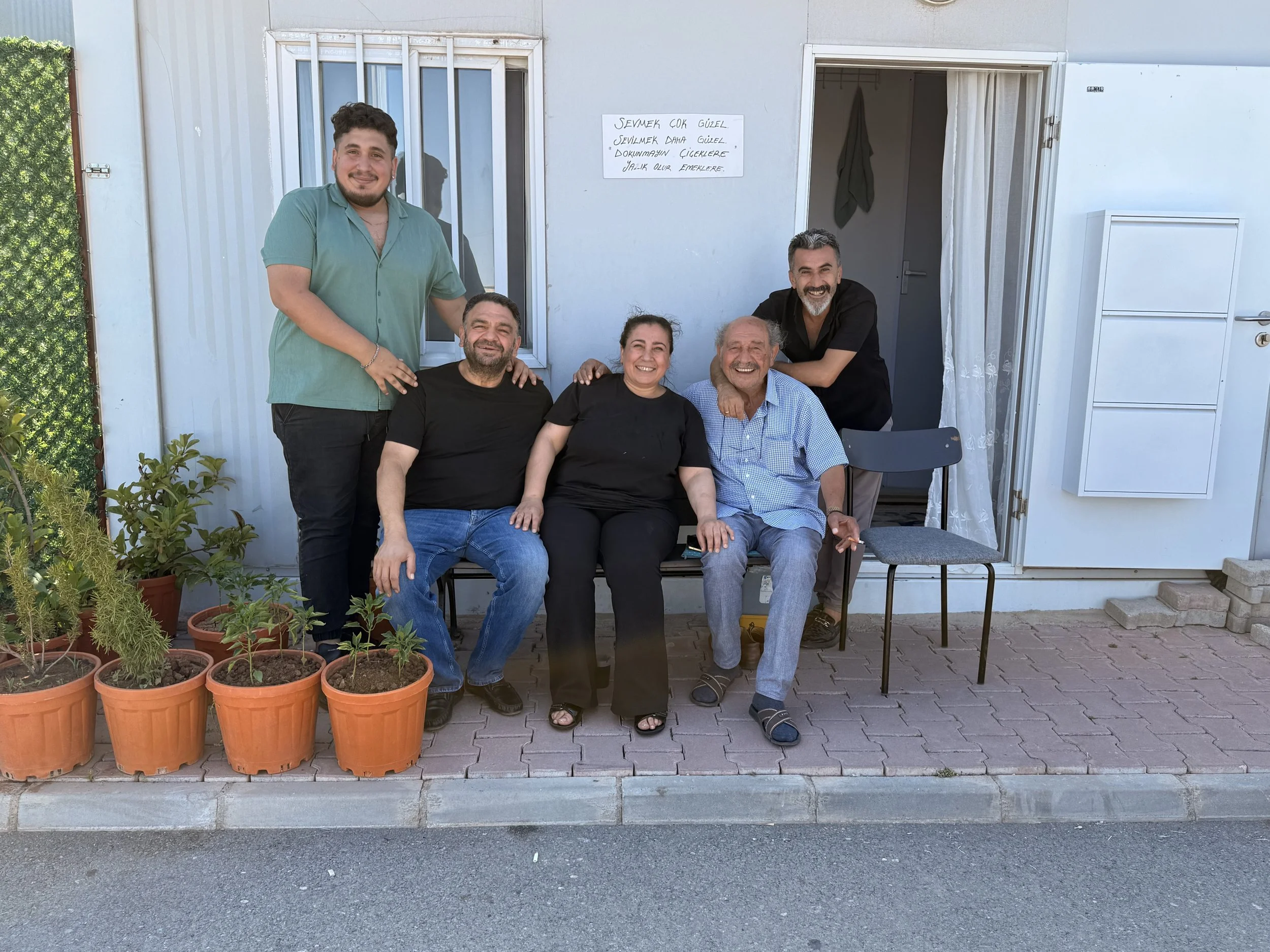
Over 300 temporary settlements have housed over 650,000 people in the regions affected by Türkiye’s 2023 earthquakes. Five of these are “Hope Cities” and are located in Adıyaman, İskenderun, Antakya, Kahramanmaraş, and Malatya. They have provided housing and community support for 20,000 displaced people. These communities emerged through a collaboration initiated by the Koç Group, and are distinct from traditional settlements in their implementation and in their programming. As the largest industrial and services conglomerate in Türkiye, Koç was able to quickly mobilize its human resources and supply and logistics capacity immediately after the earthquakes to address urgent needs and also materialize longer-term solutions. In partnership with AFAD, NGOs, and thousands of employee volunteers, the Koç companies worked at every stage to bring the cities into being — from design, procurement, logistics, and assembly to installation.
*In Turkish, the word “kent” here means “settlement” or “city.” The plural version of “kent” is “kentler.”
Image Credits: Koç Holding, Koç Foundation, ACHA
-
![]()
Official Kahramanmaraş Plan
-
![]()
Kahramanmaraş Overview
-
![]()
Room to ride!
-
![]()
Children’s inside play area
-
![]()
Outdoor athletic area for youth and play area for children
-
![]()
Libraries show the importance of education, and provide a quiet and private workspace
-
![]()
3D printing area for children
-
![]()
Nursery school
-
![]()
-
![]()
-
![]()
-
![]()
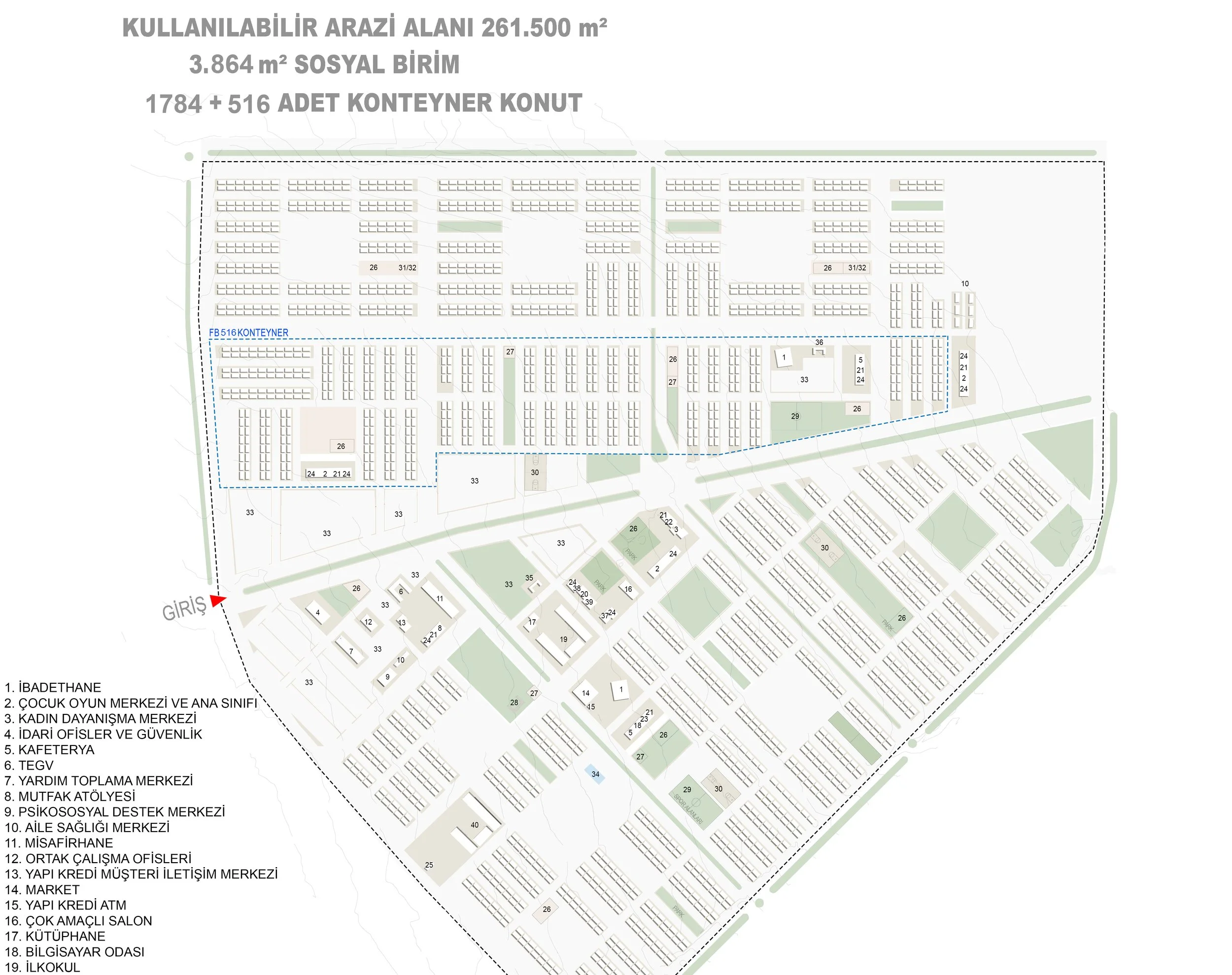
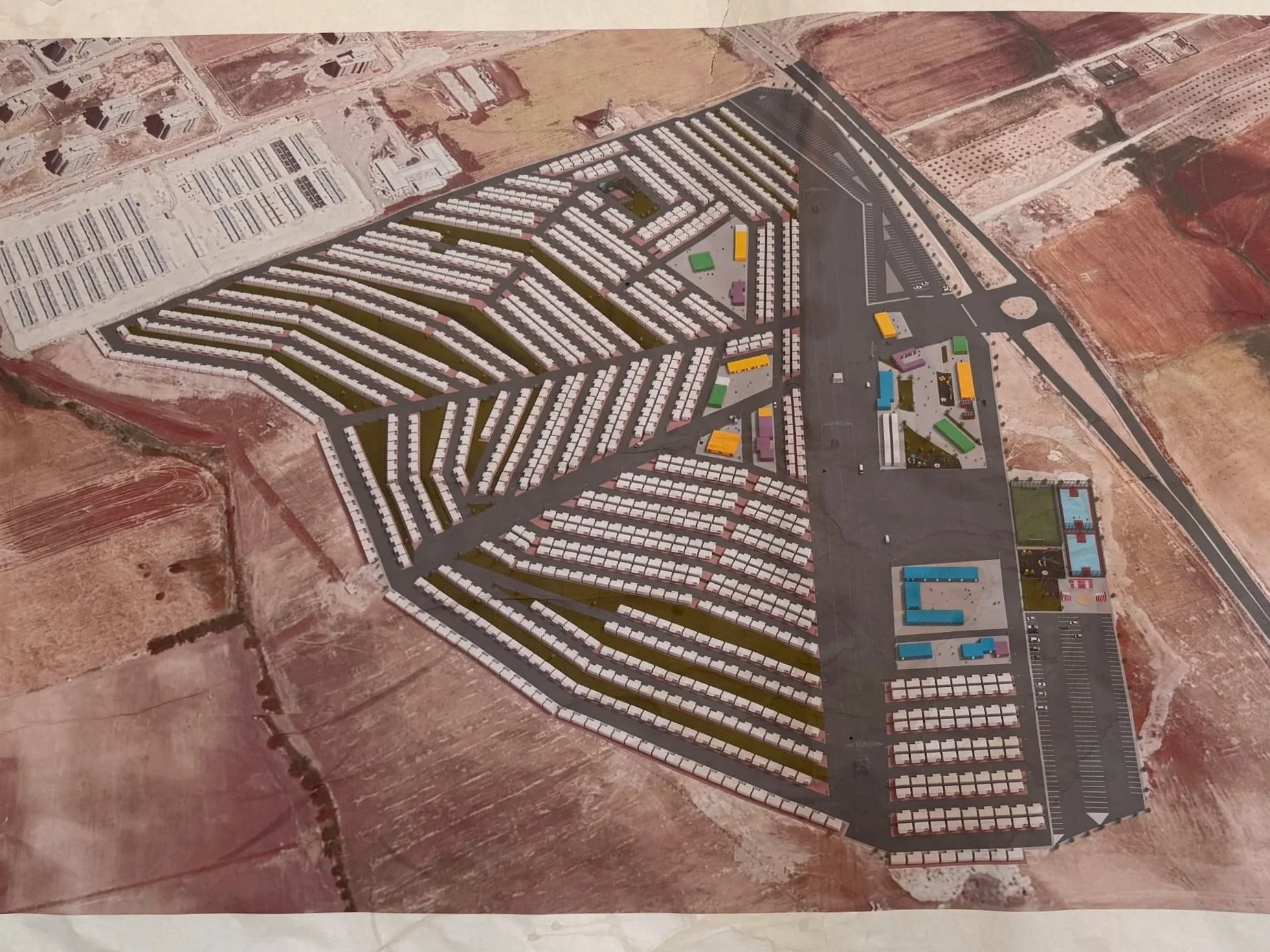
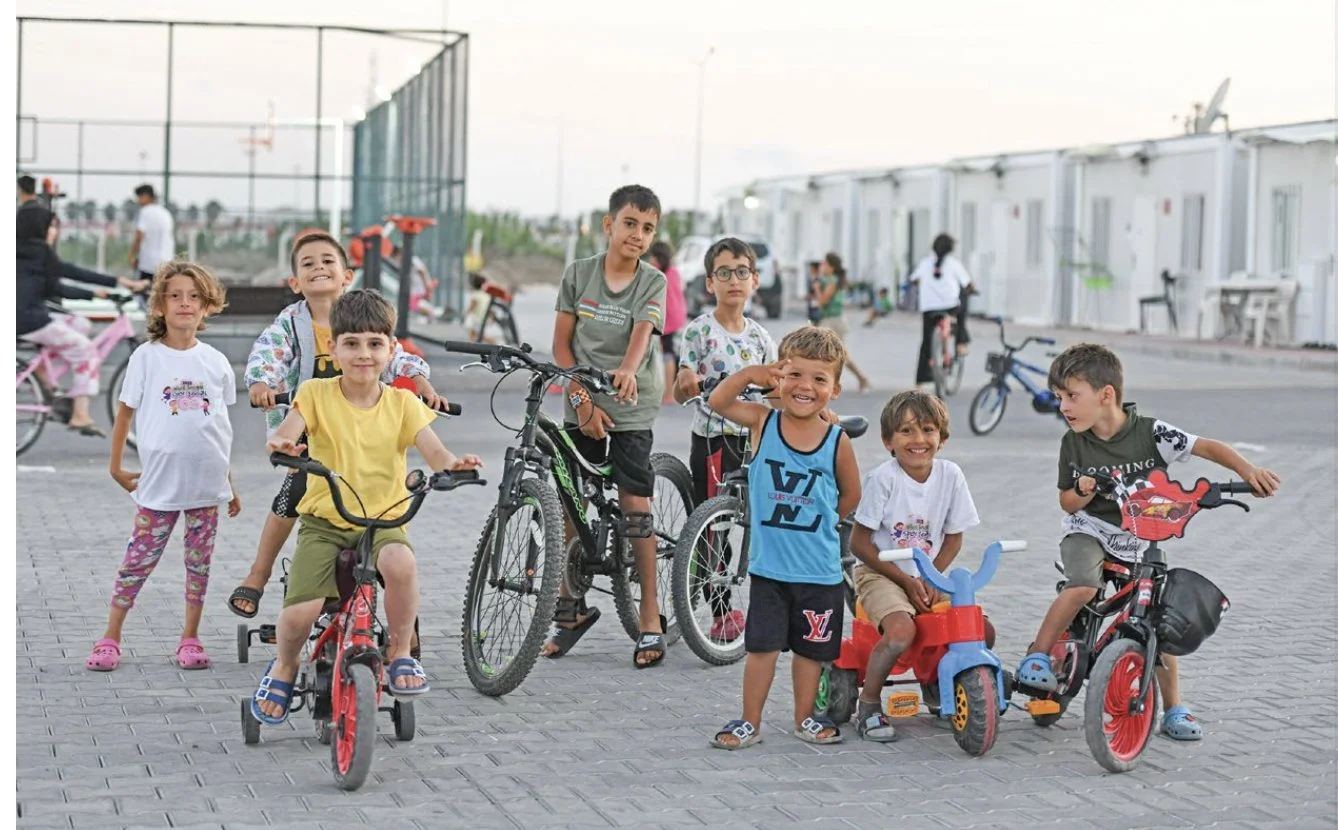
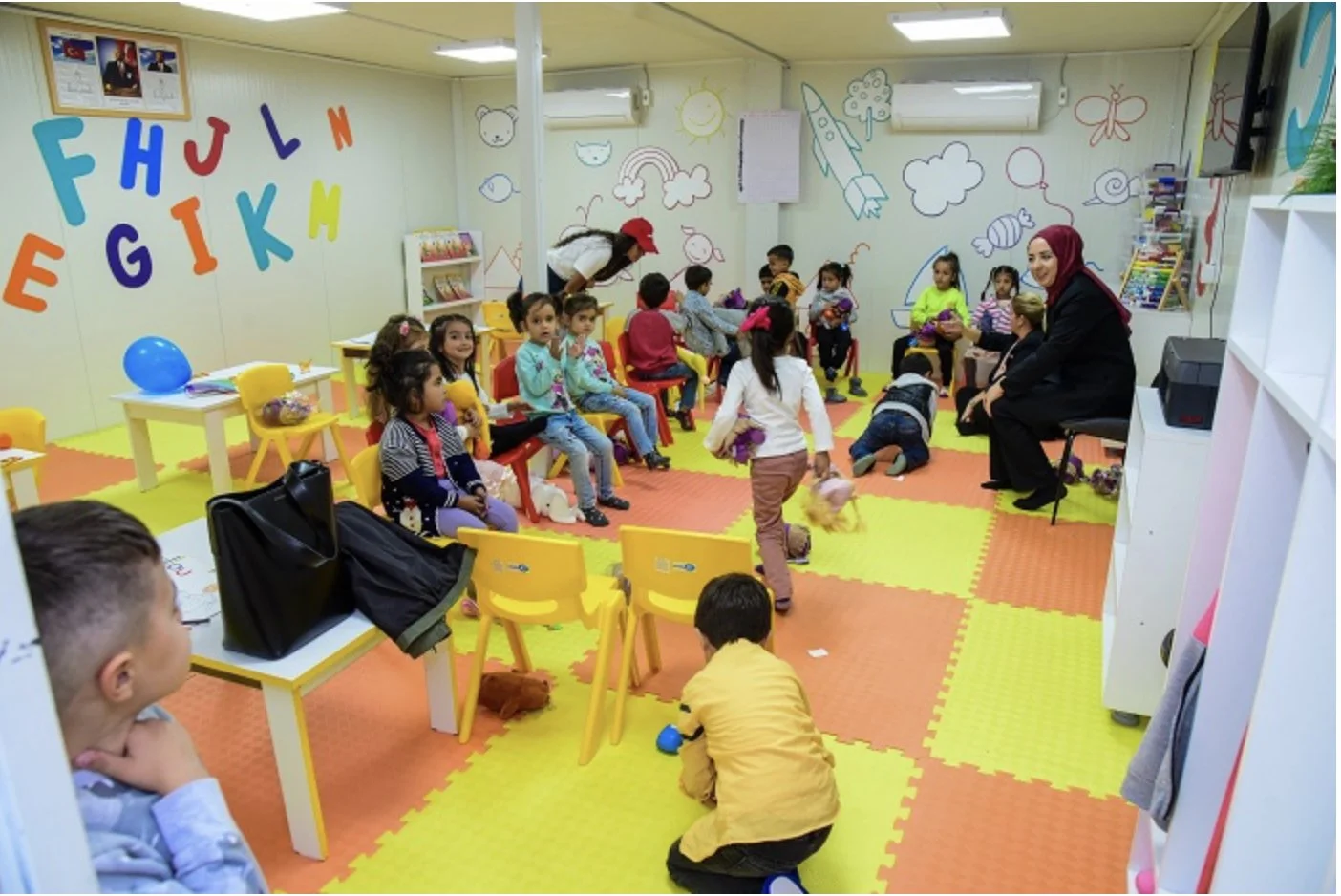
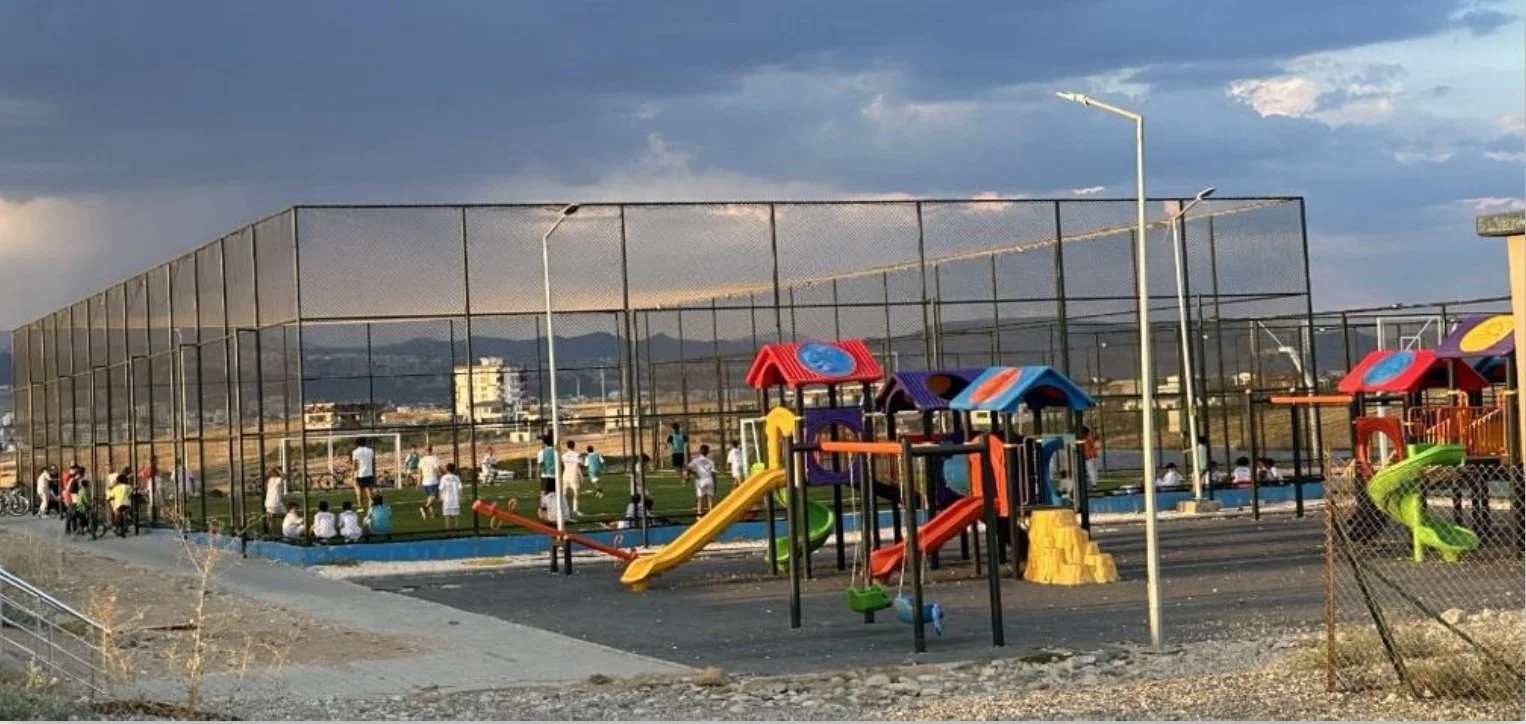
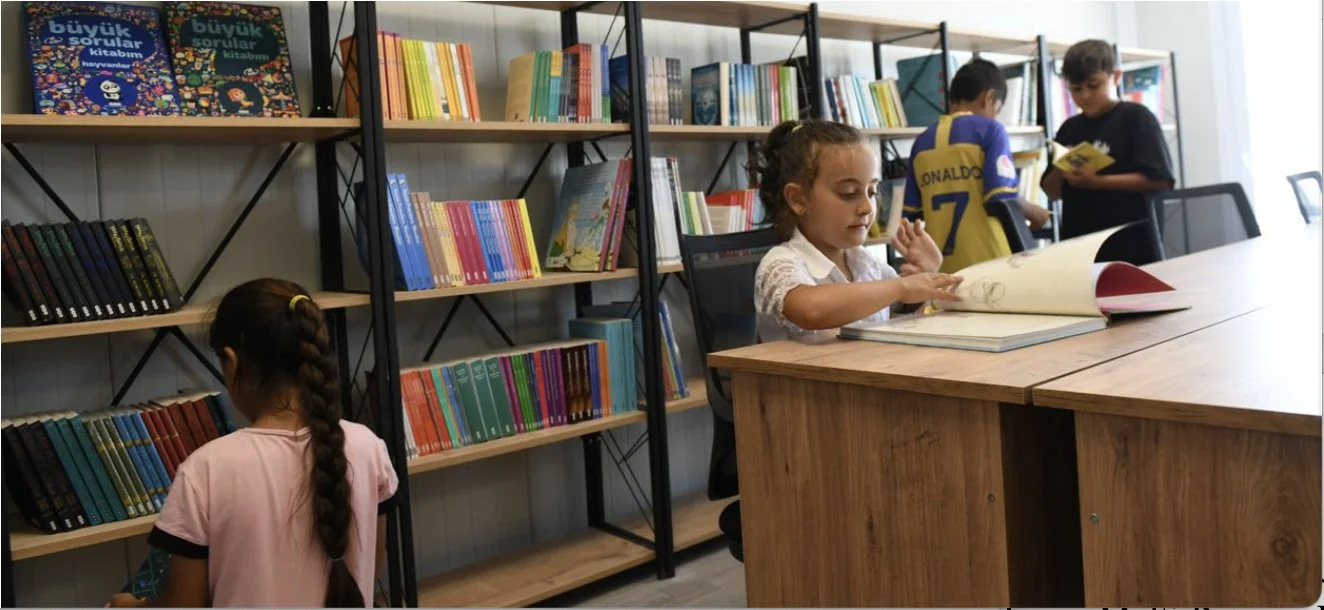
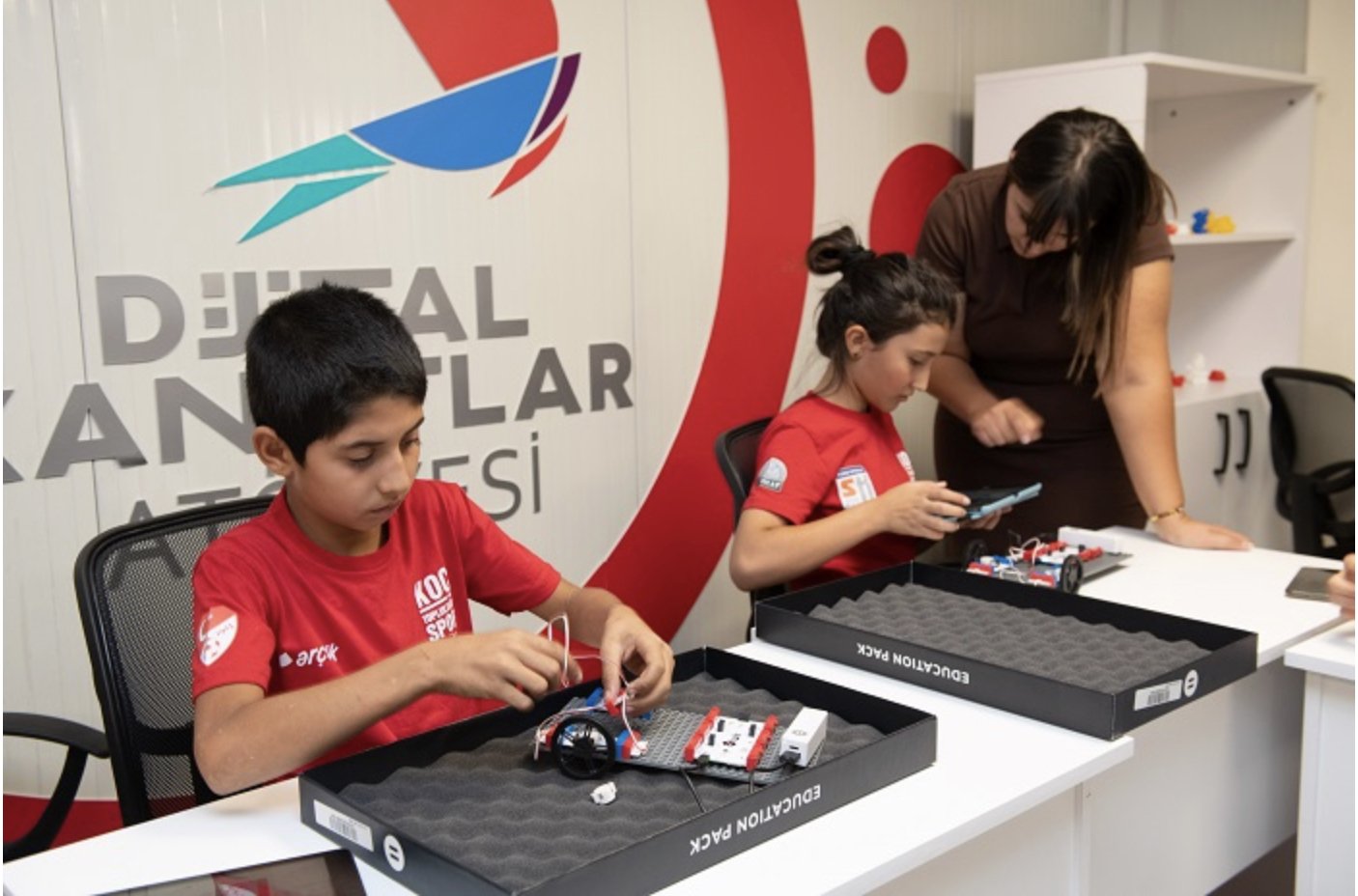
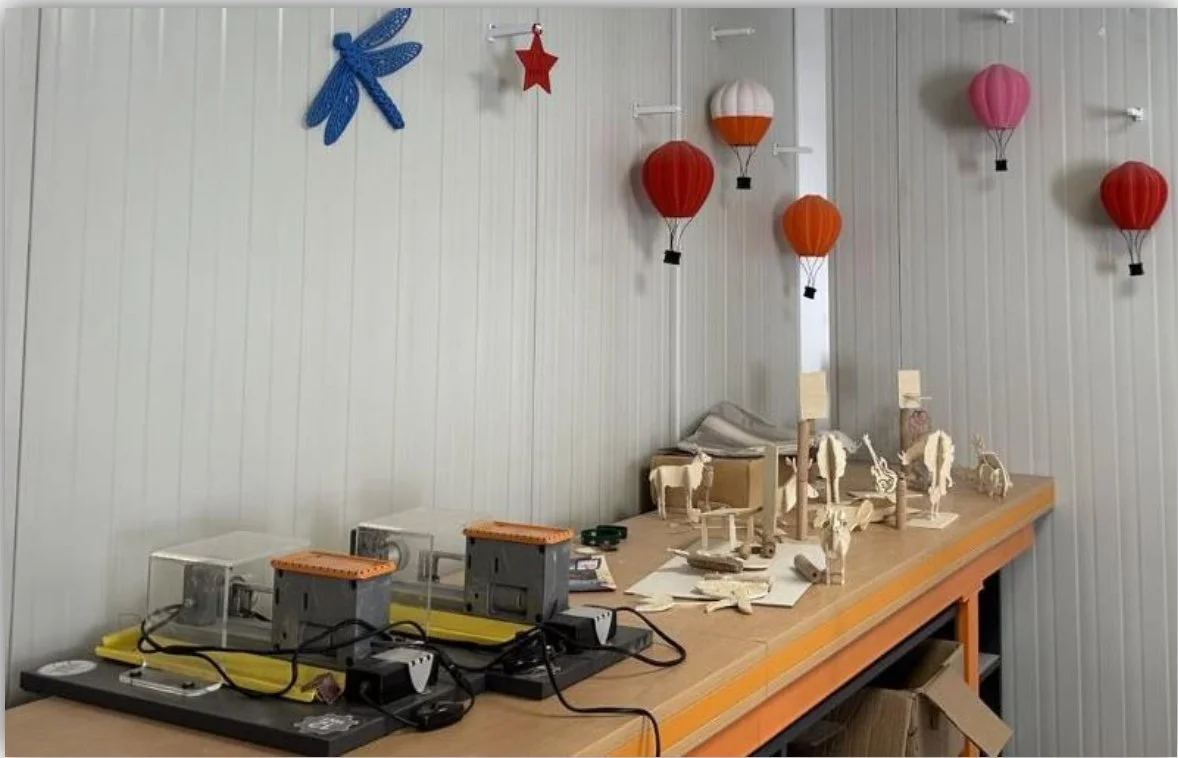
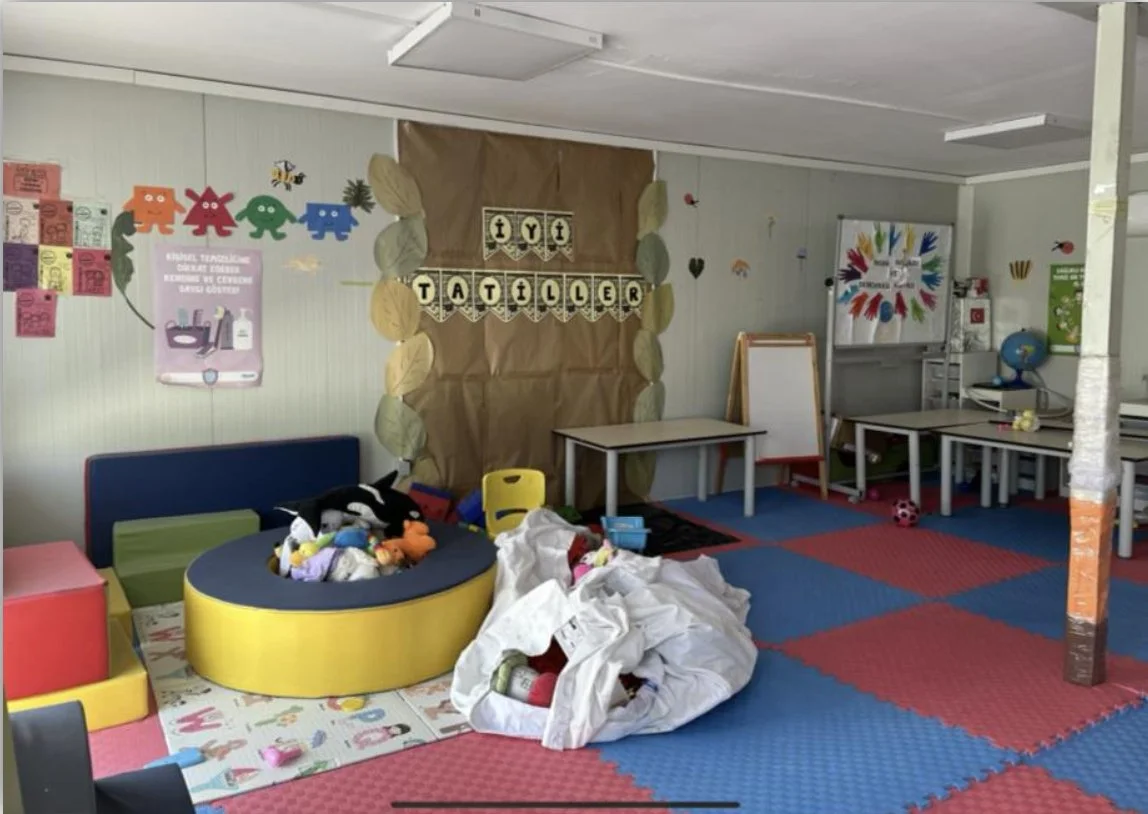
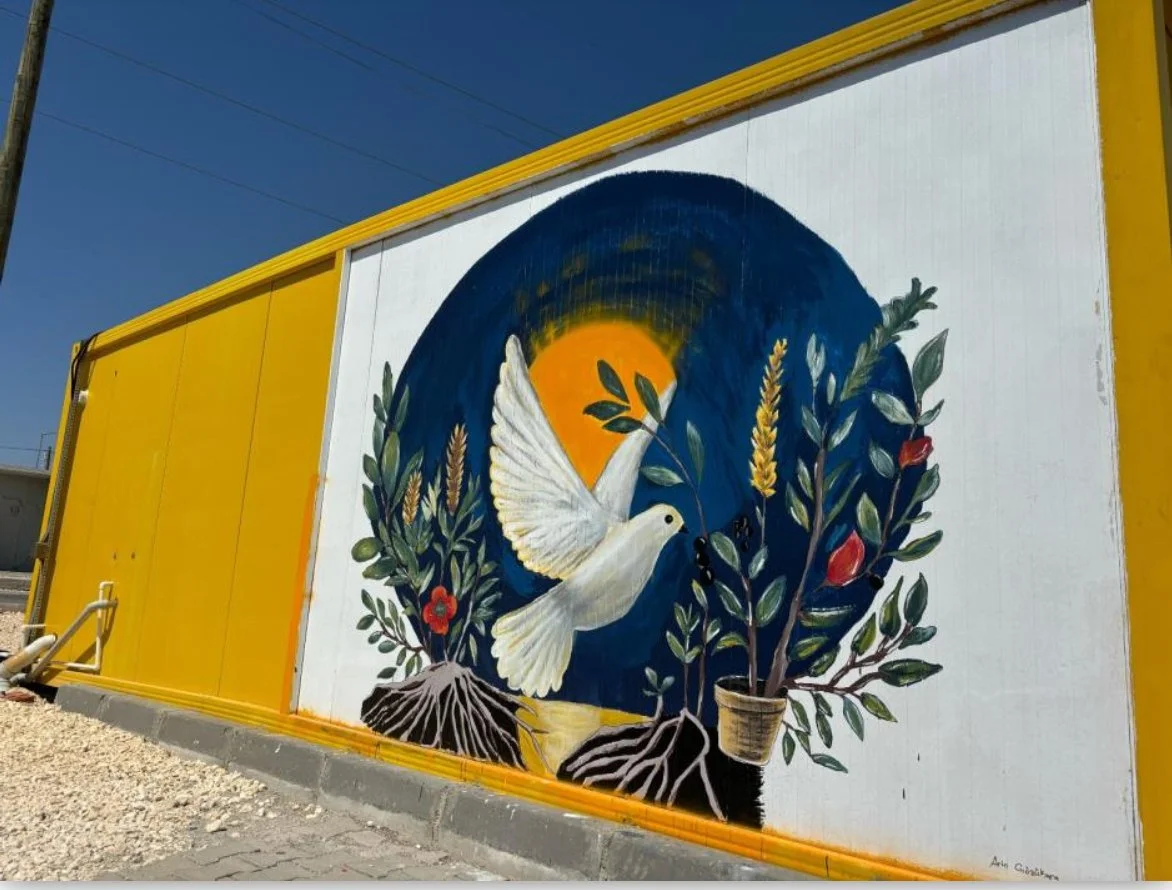
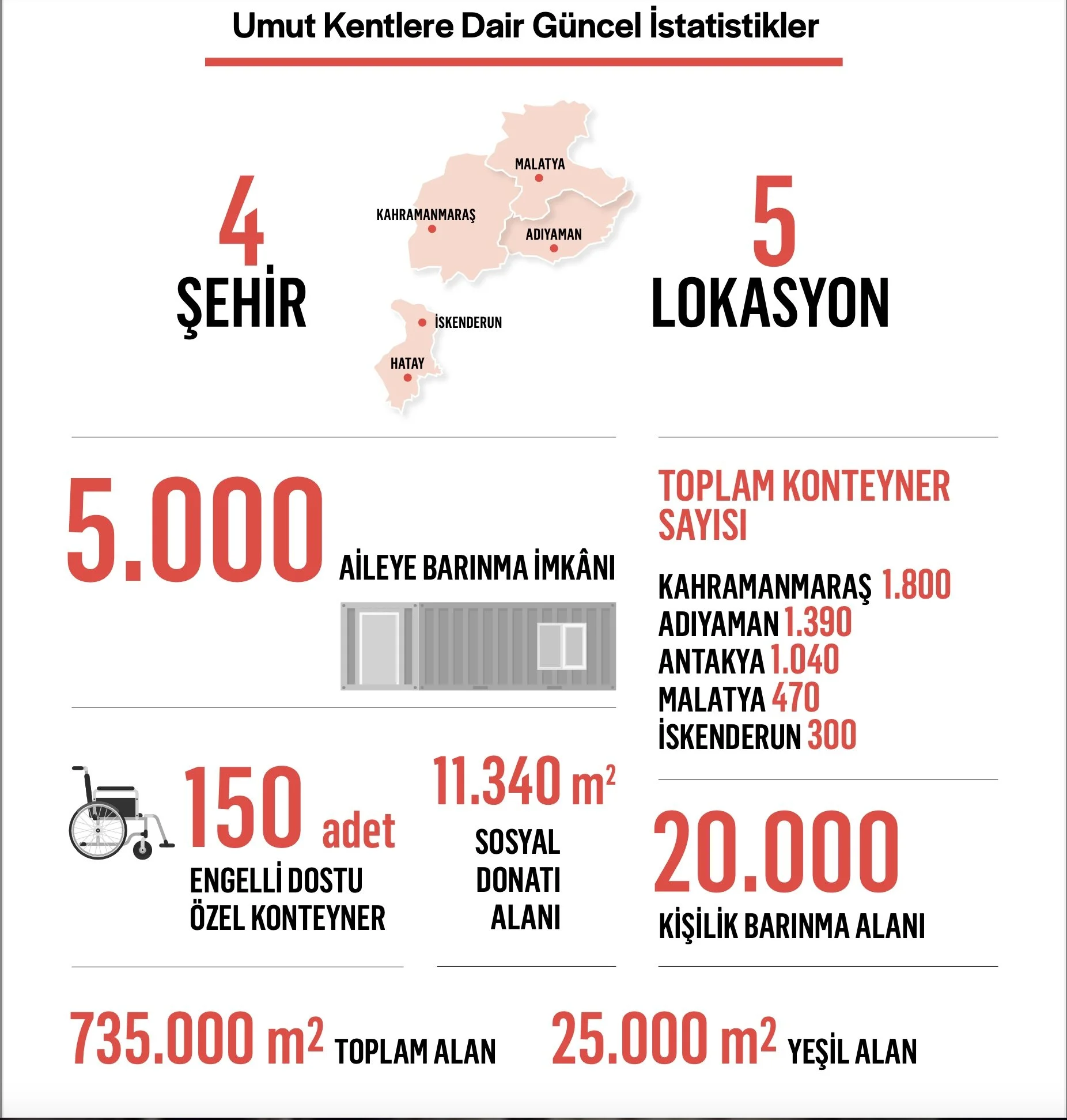
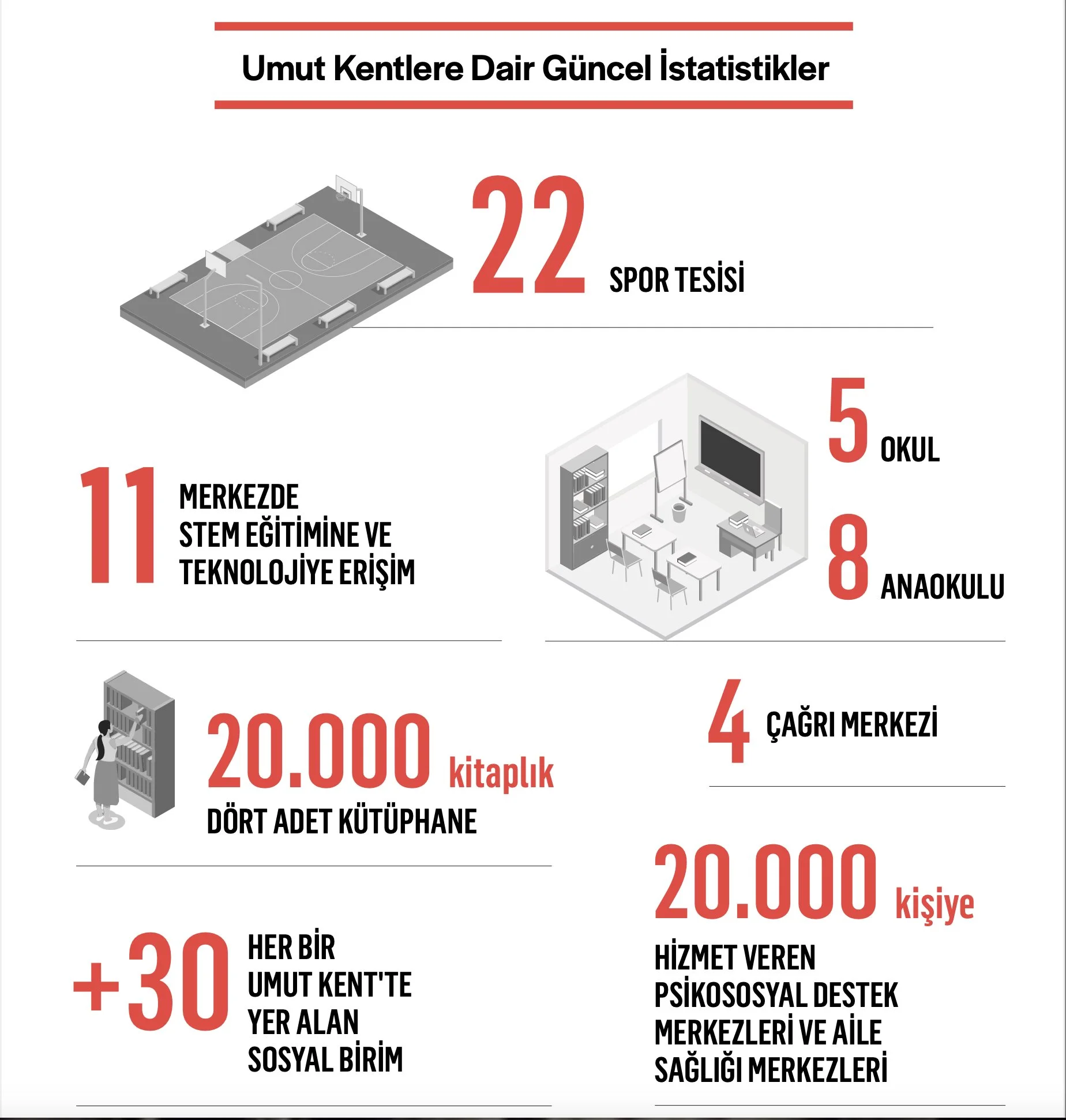
As their name indicates, the Umut Kentler are akin to small cities which incorporate full social facilities and services. Community spaces are located within, or adjacent to, the settlements themselves. These include schools, daycare centers, libraries, sports facilities, youth centers, and theatres, as well spaces for programs managed by the Koç Foundation. For communities deeply traumatized in the aftermath of the earthquakes, these elements help to sustain a common fabric that can support their healing and nourish their efforts to build better futures.
-
![]()
Residents create small gardens in front of the containers, hanging their vegetables to dry using traditional methods.
-
![]()
-
![]()
Vegetable gardens among the homes
-
![]()
A little color and shade in a very hot landscape
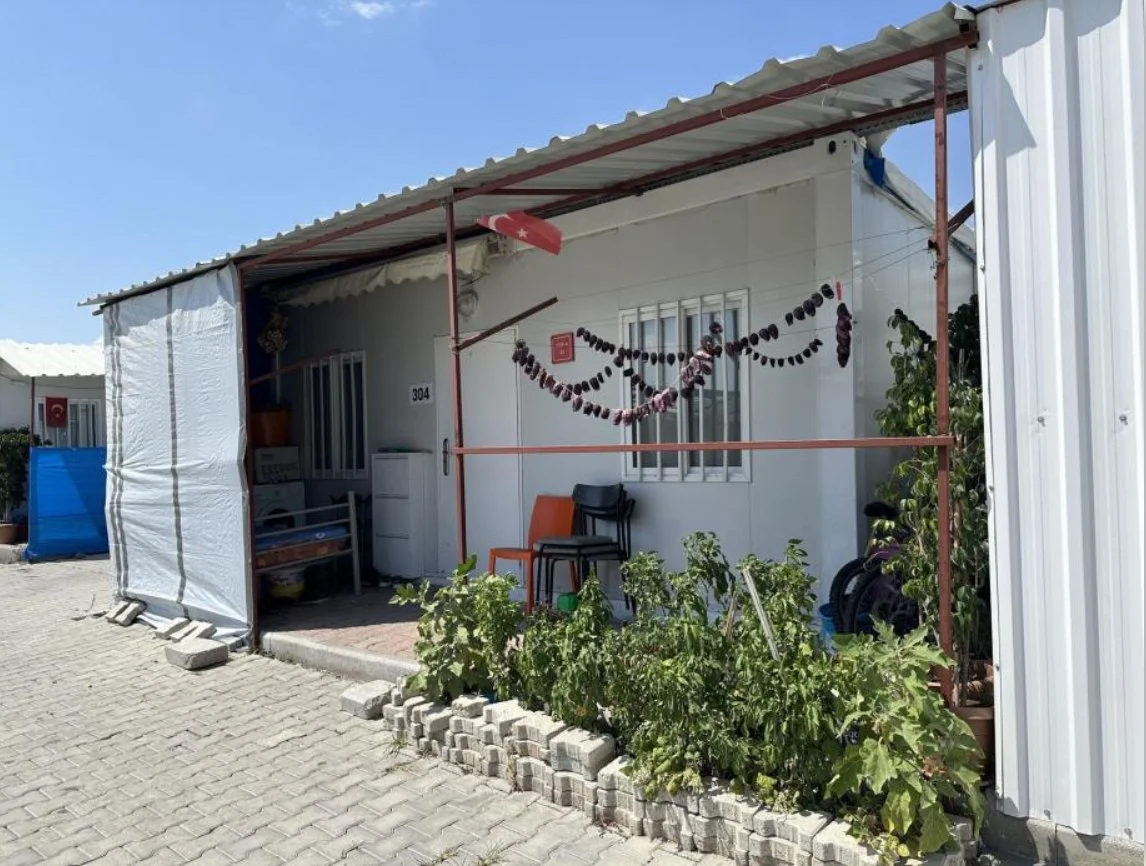
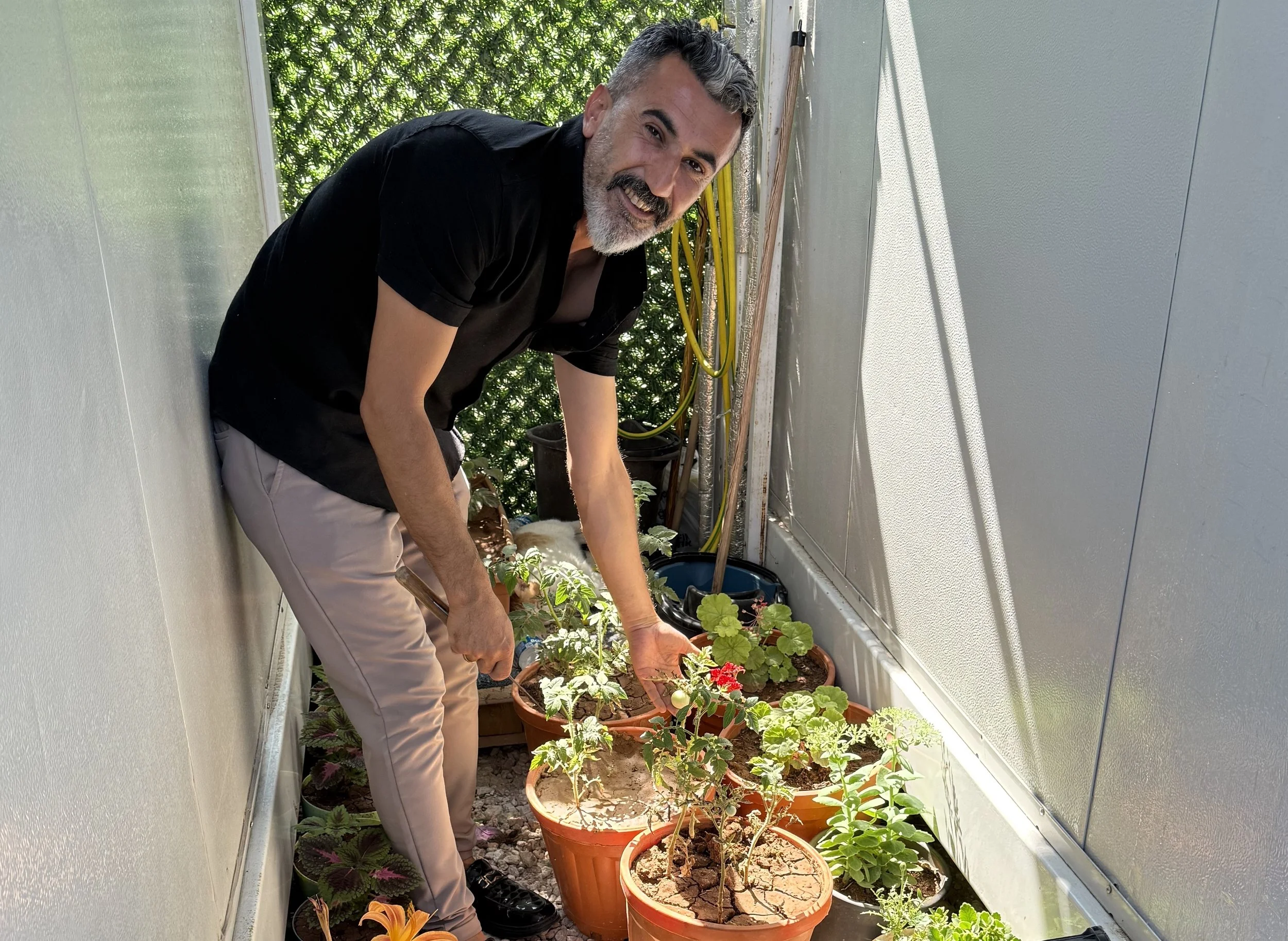
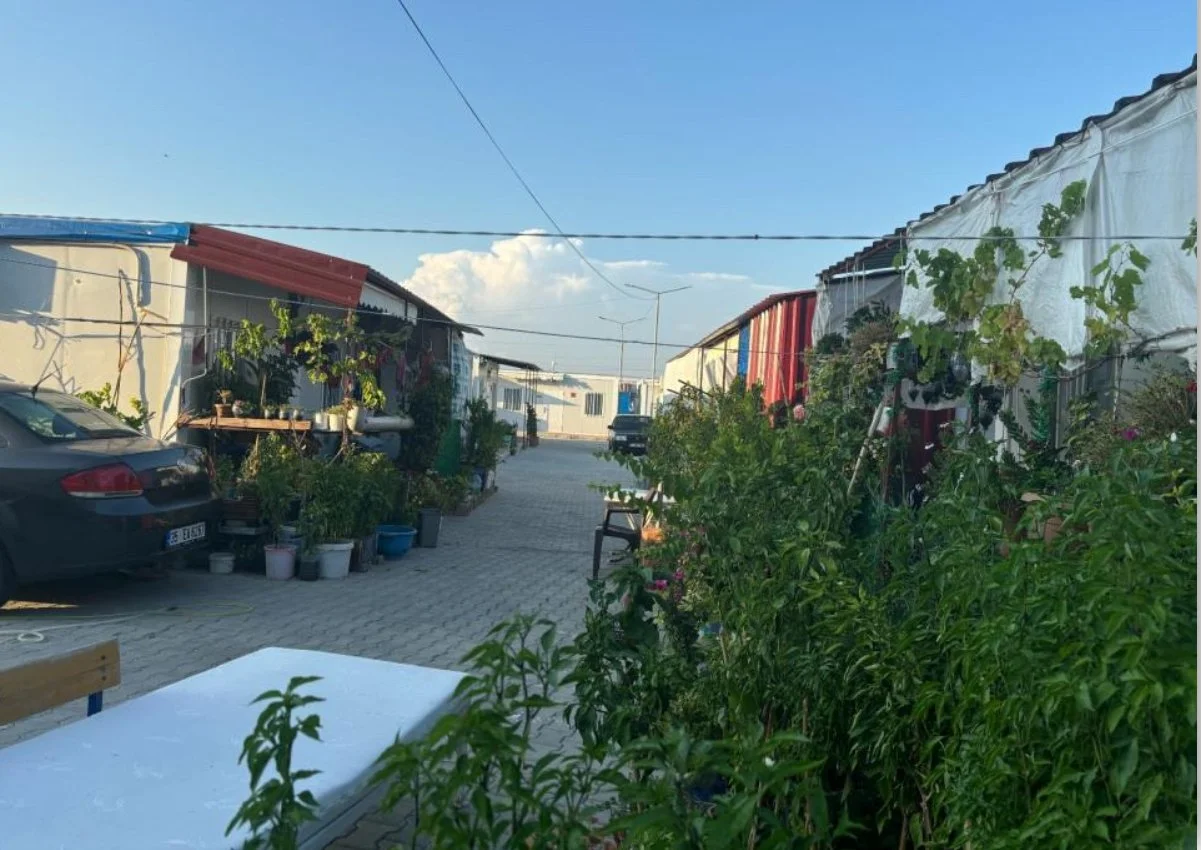

Sociologists’ research informed the design of the containers and the cities. At 18 sq m, the Umut Kent containers are smaller than the traditional AFAD containers (21 sq m). They also have an open space, not separate rooms. The research showed that a large kitchen area with a large refrigerator was the most important feature for the residents. Each unit has new appliances – when the key is handed over to the new family, the plastic wrap is peeled from the appliances – a gesture to a new beginning and in recognition of the tremendous losses experienced by the residents.
-
![]()
Evening gatherings in the public square
-
![]()
Tea being provided at café employing local youth
-
![]()
Local market
-
![]()
Common kitchen area where women and families come together to cook and share meals
-
![]()
-
![]()
Public square with mosque and women’s workshops
-
![]()
Safe space to play together and heal
-
![]()
Outdoor shaded café
-
![]()
-
![]()
-
![]()
Library
-
![]()
Children’s computer room
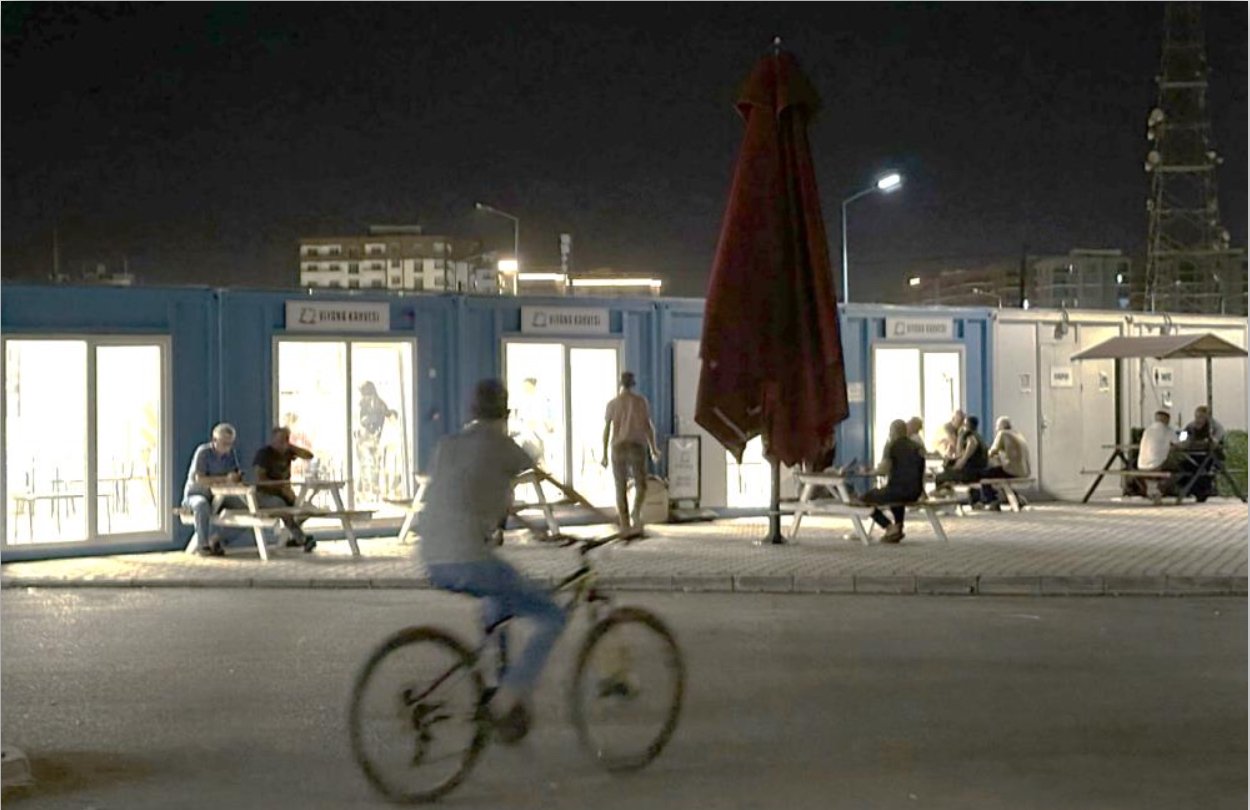
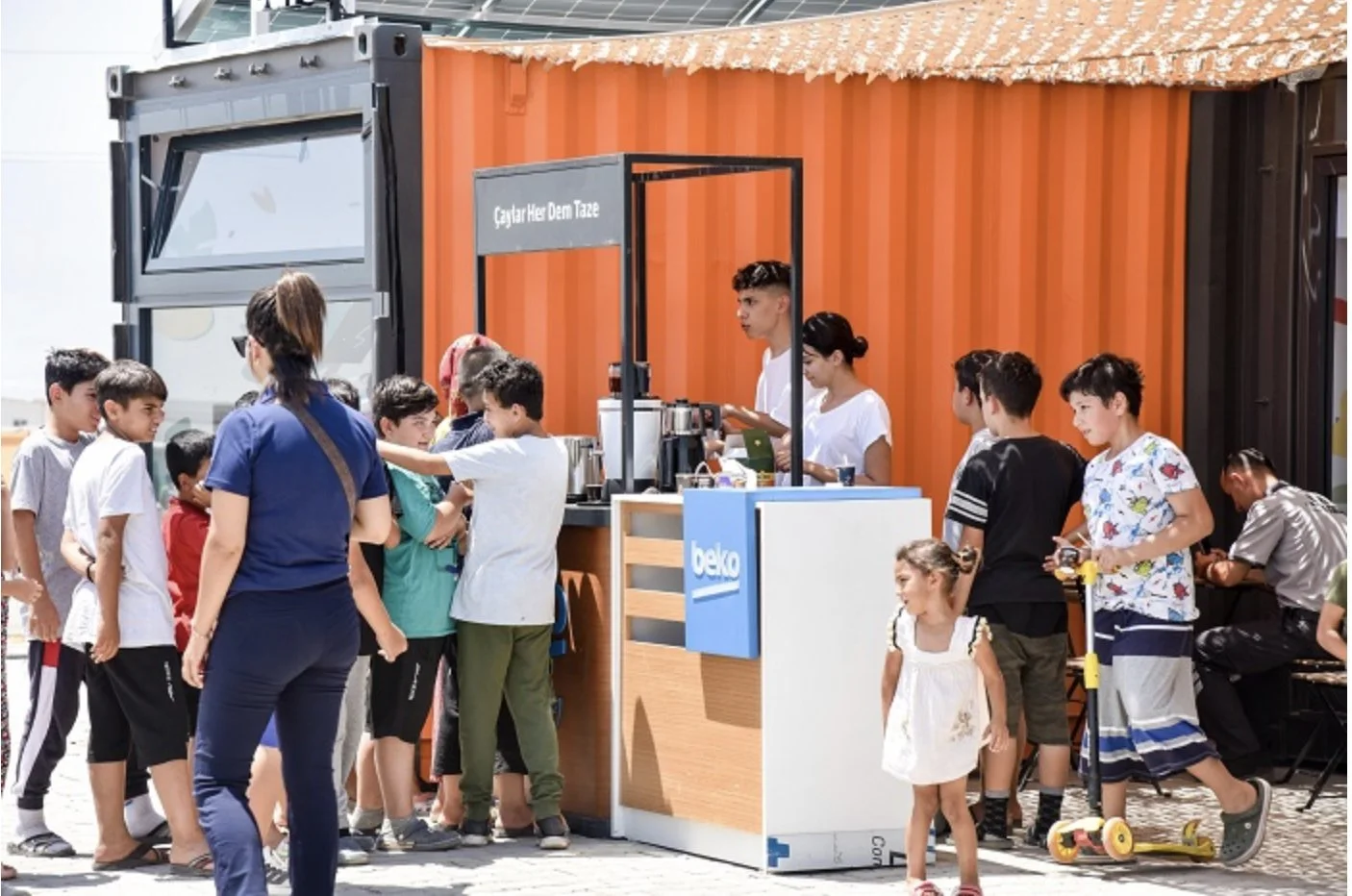
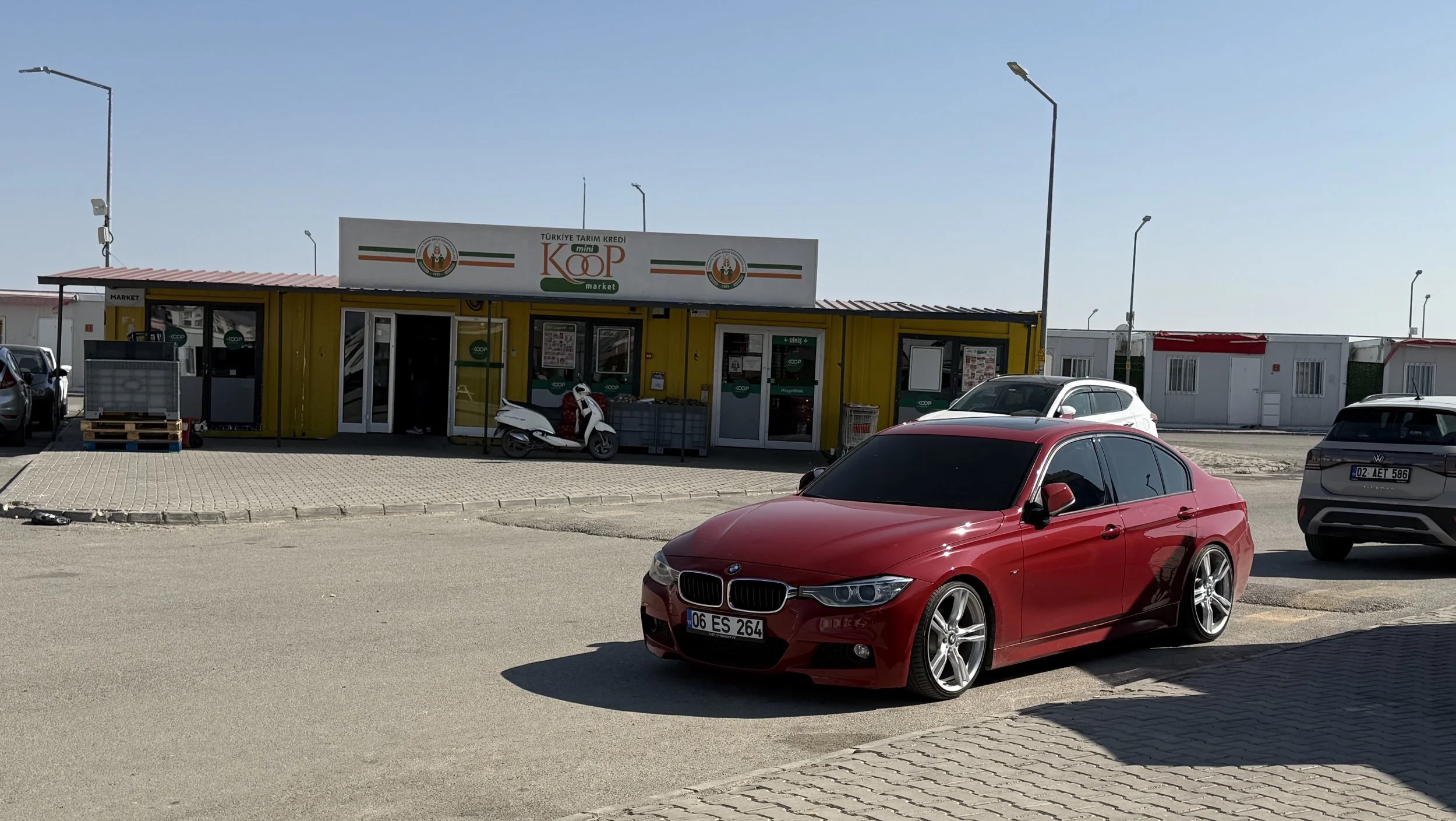
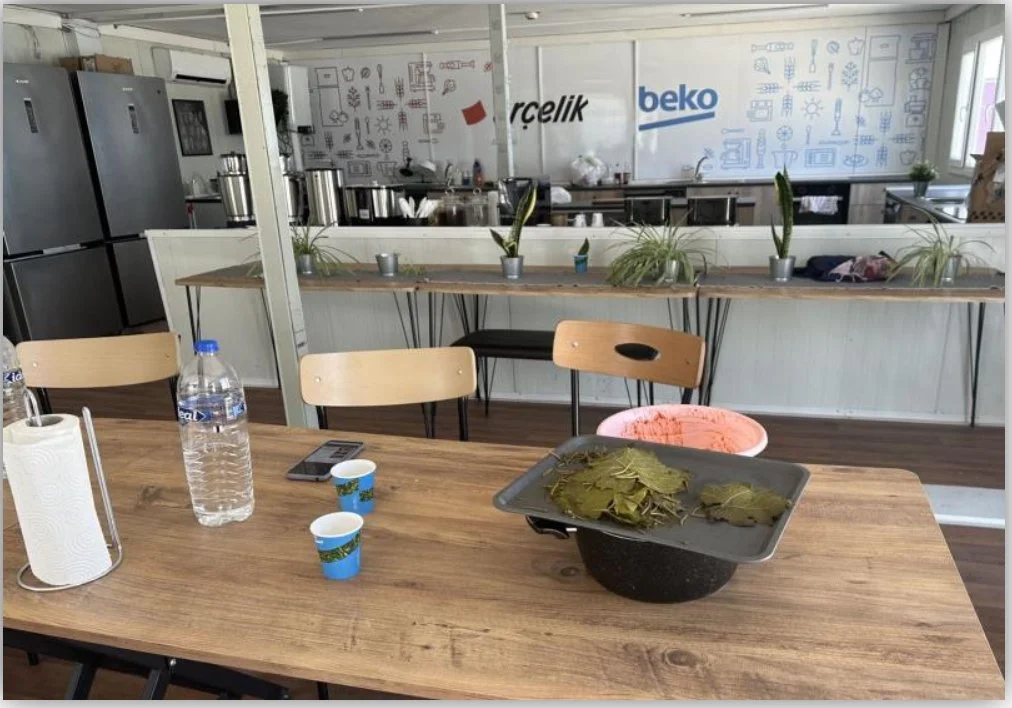
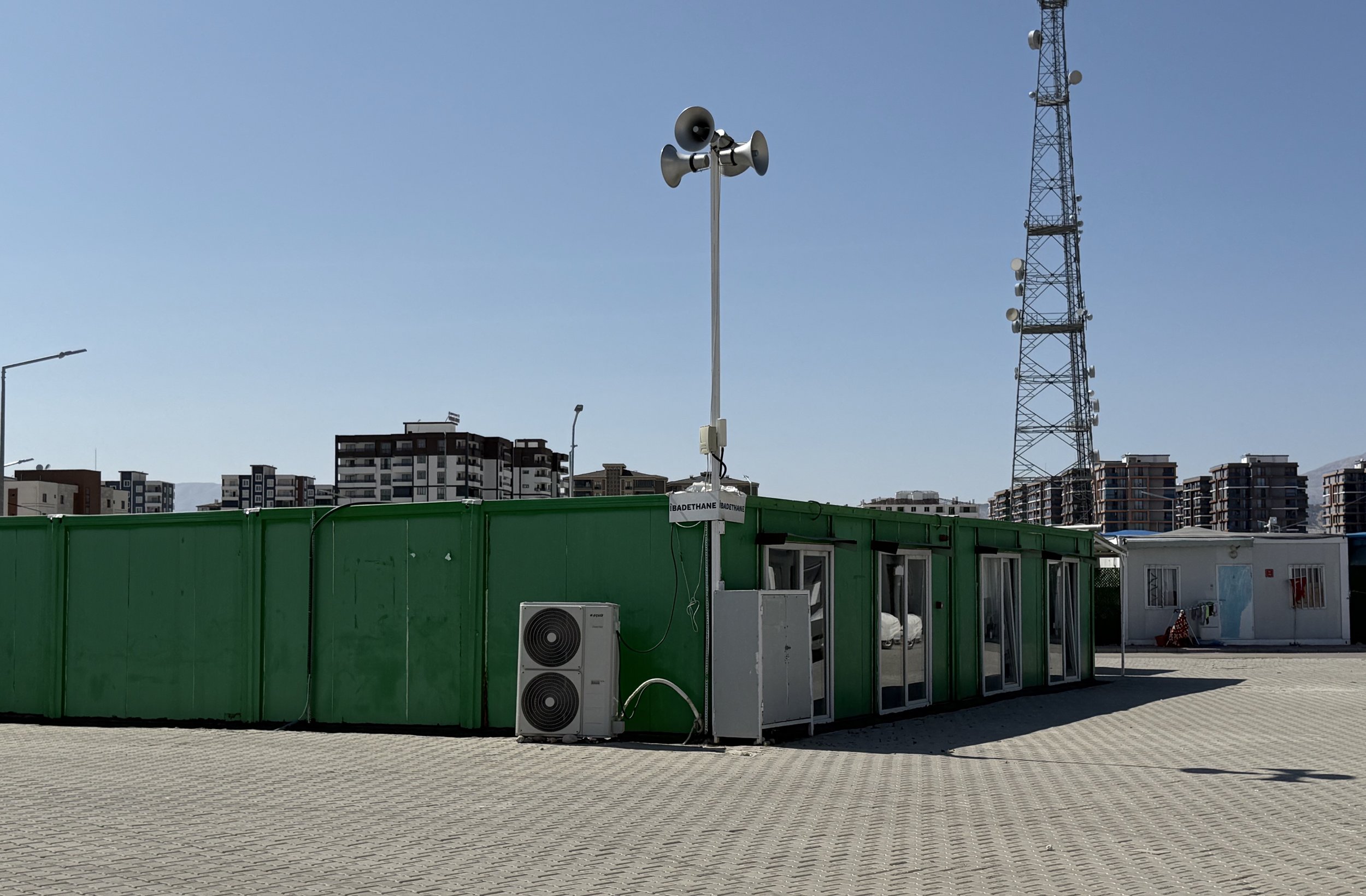
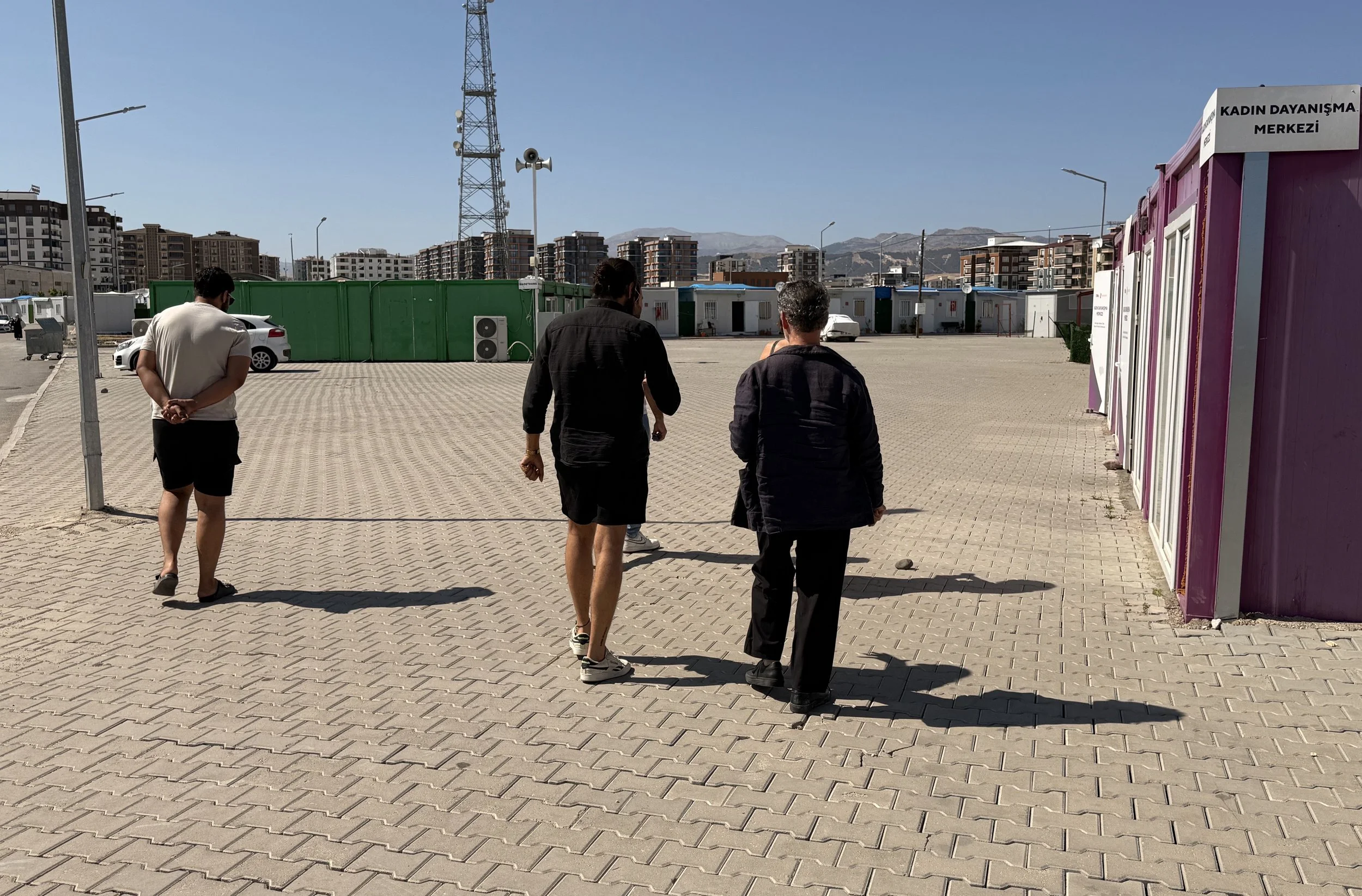
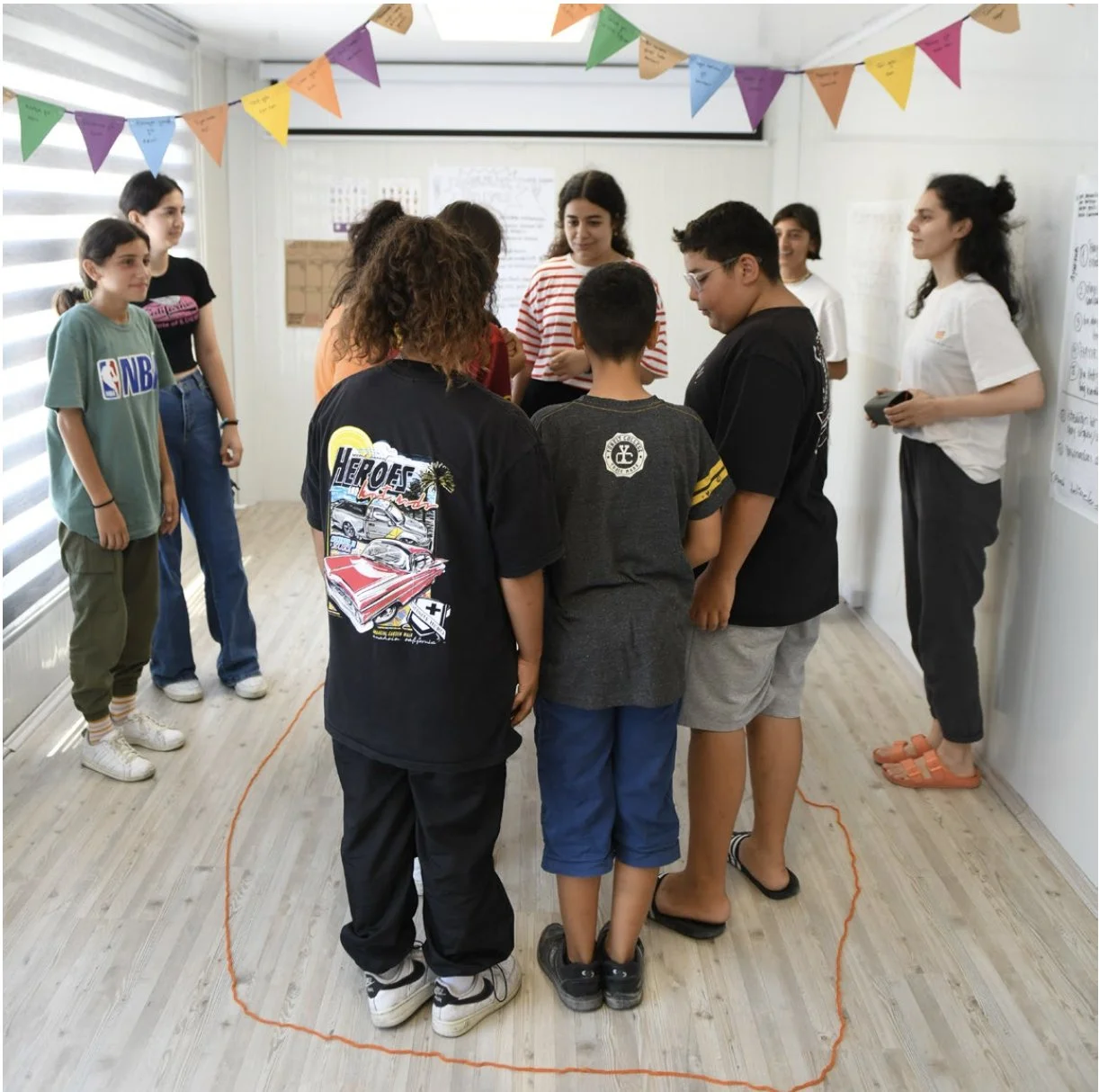
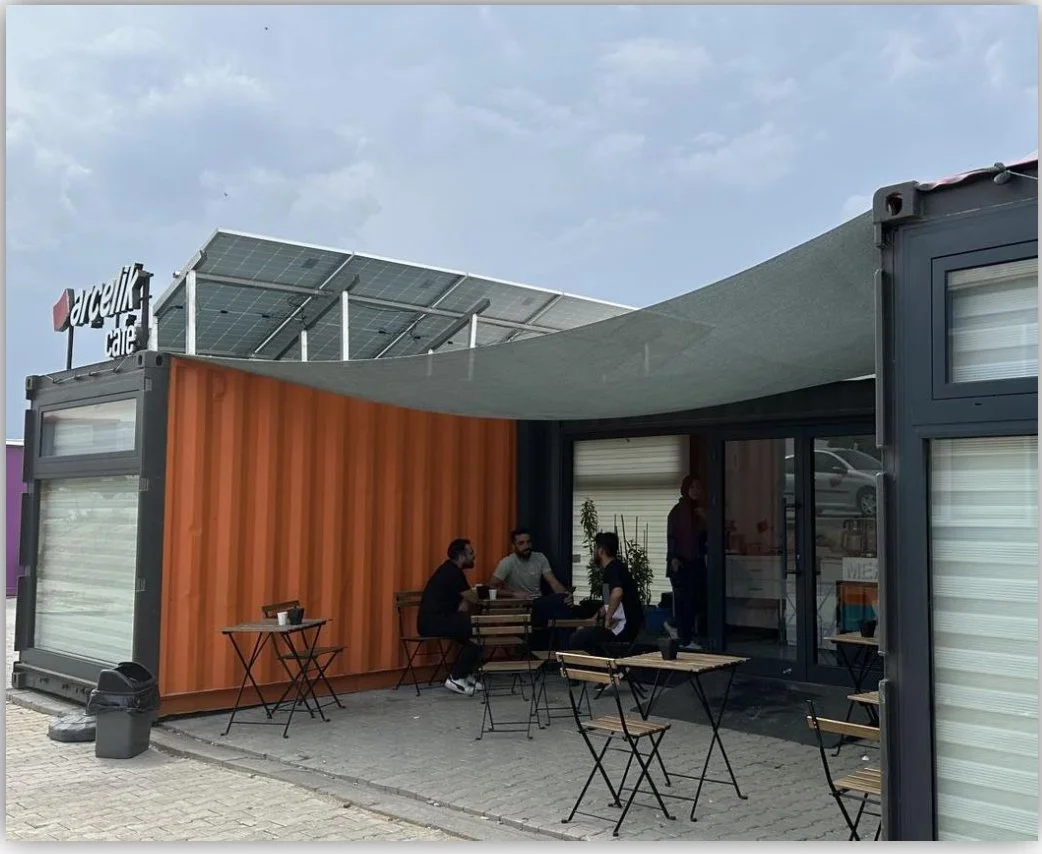
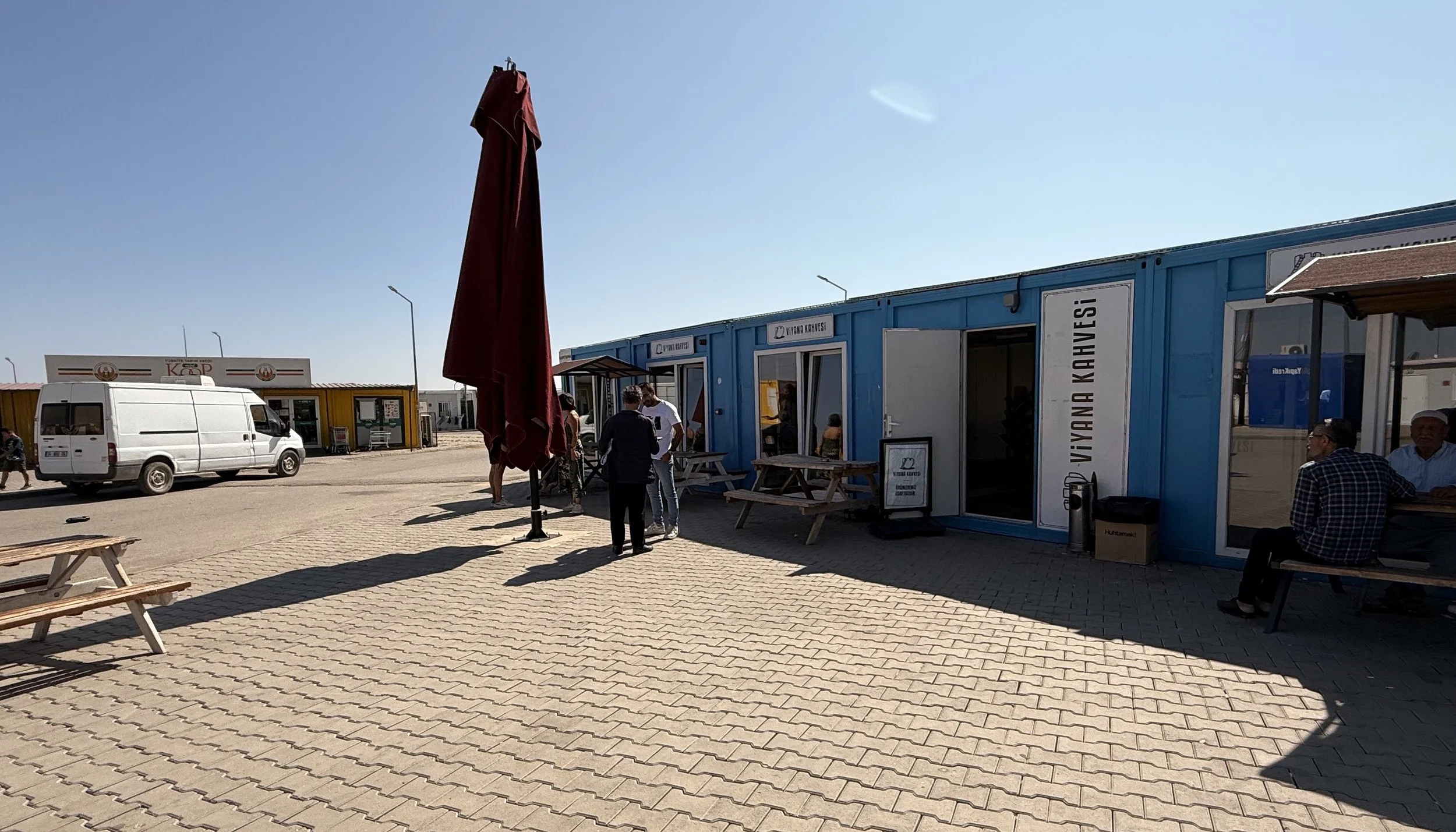
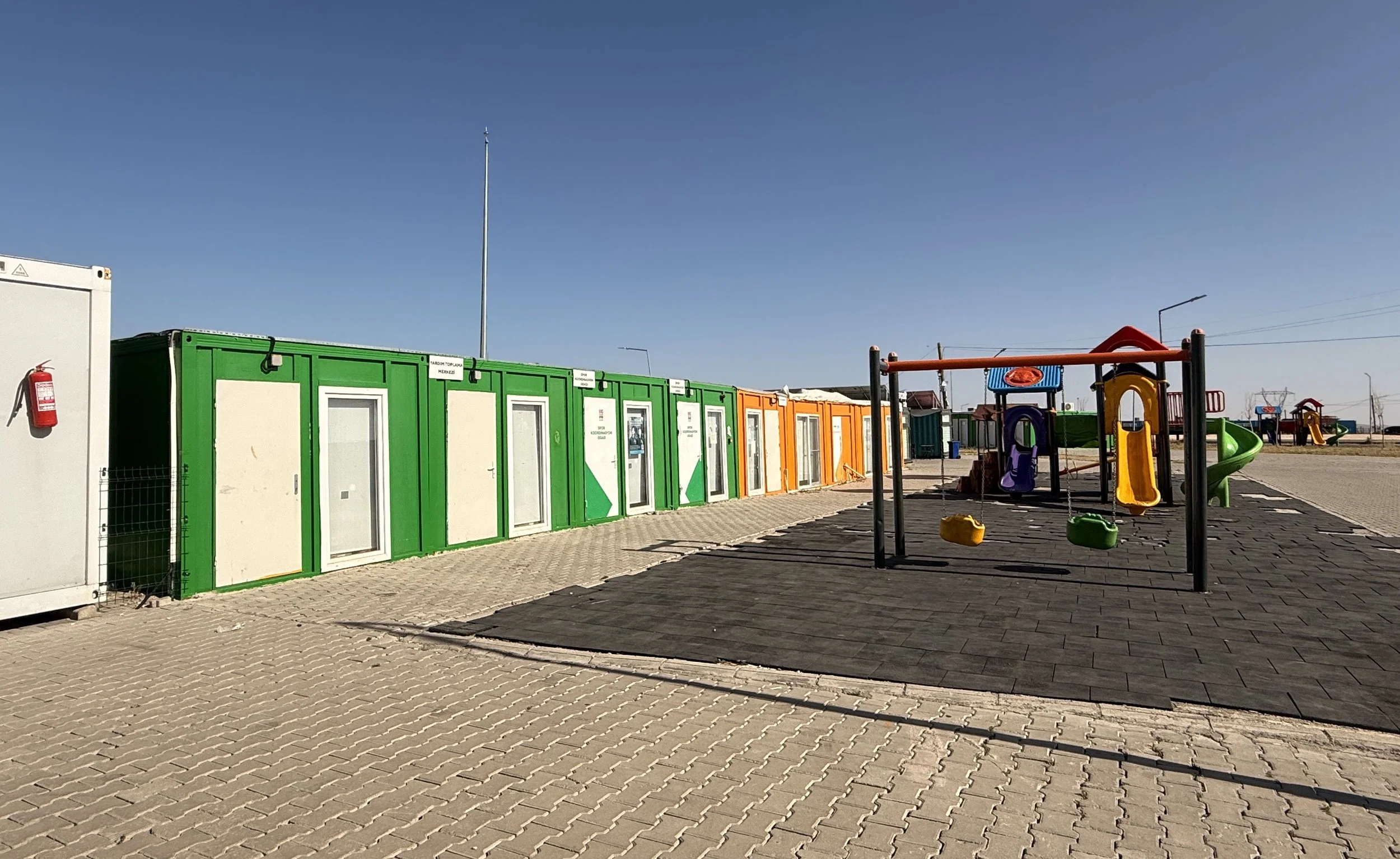
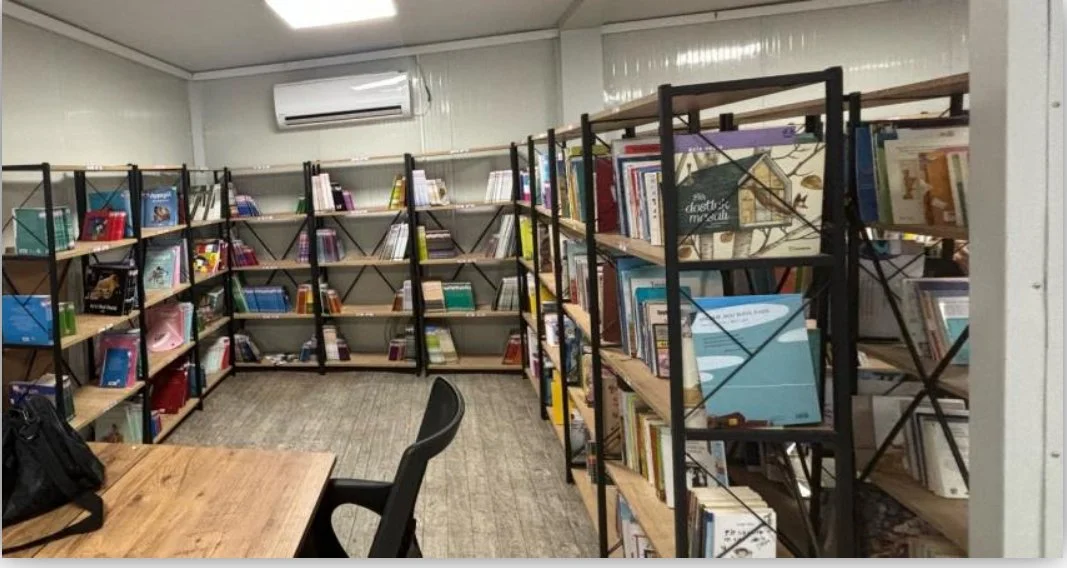
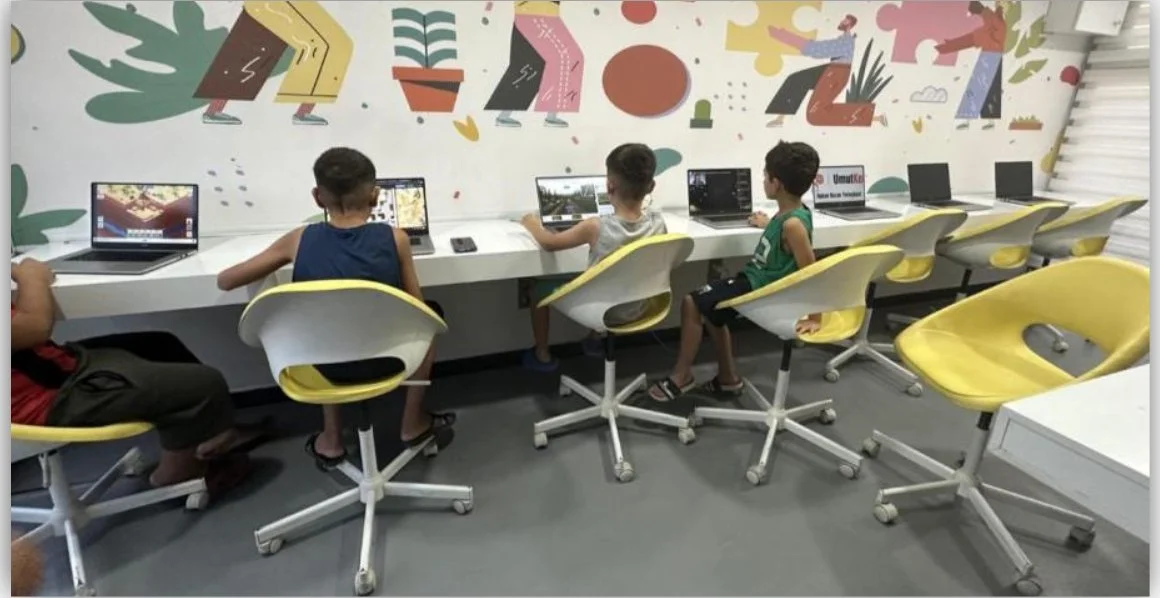
The urban design of each Umut Kent varies from the traditional grid format and incorporates “City Squares.” Designed as gathering spaces, they include facilities that meet basic needs, encourage social interaction, and facilitate the Koç Foundation’s programs. These spaces feature women’s workshops, cafés, common kitchens, markets, vocational training, communication centers, hairdresser salons and barber shops, places of worship, youth services, and psychosocial support services. Kindergarten classrooms staffed by preschool education specialists appointed by the Ministry of National Education are also in these areas.
In terms of construction, delivery, and configuration of these cities, the materials for the containers were initially shipped from China to Iskenderun, a Turkish port on the Mediterranean. These were then transported to Osmaniye a few hours east, where each container was quickly assembled. The assembled containers were trucked to the different cities where the Koç Group companies took on the next set of responsibilities. For example, in Adiyaman, Ark İnşaat performed the construction, Koçtaş installed the furniture, Arçelik set up the appliances, Zer provided support personnel, Ford Otosan equipped the youth centers, Opet furnished the daycare center, and Yapı Kredi set up the library.
-
![]()
Exit to the Adiyaman AFAD – Umut Kent
-
![]()
Entry to the Adiyaman AFAD – Umut Kent
-
![]()
Security guard amidst residents with pink awnings
-
![]()
Concert with local security
-
![]()
-
![]()
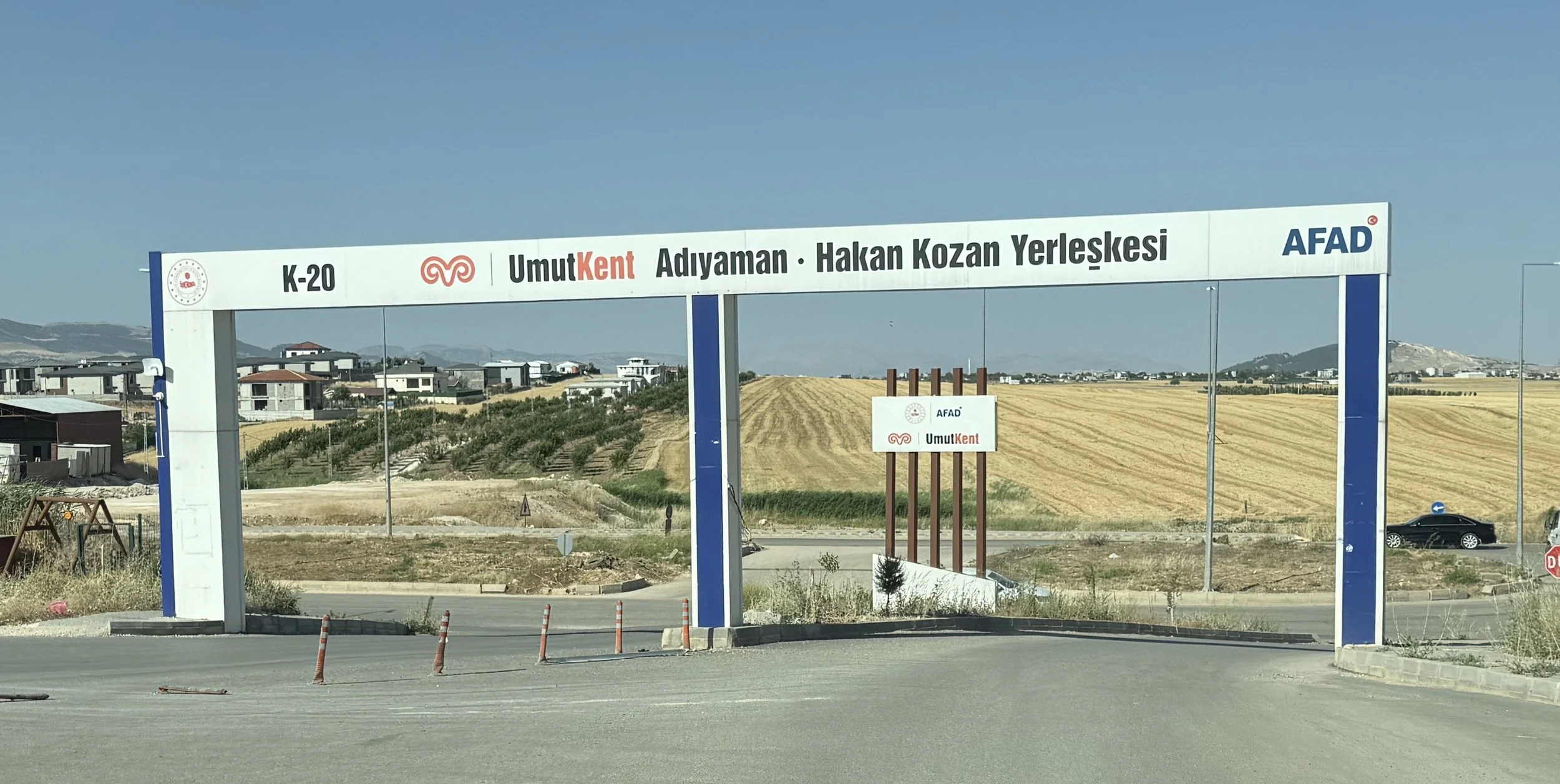
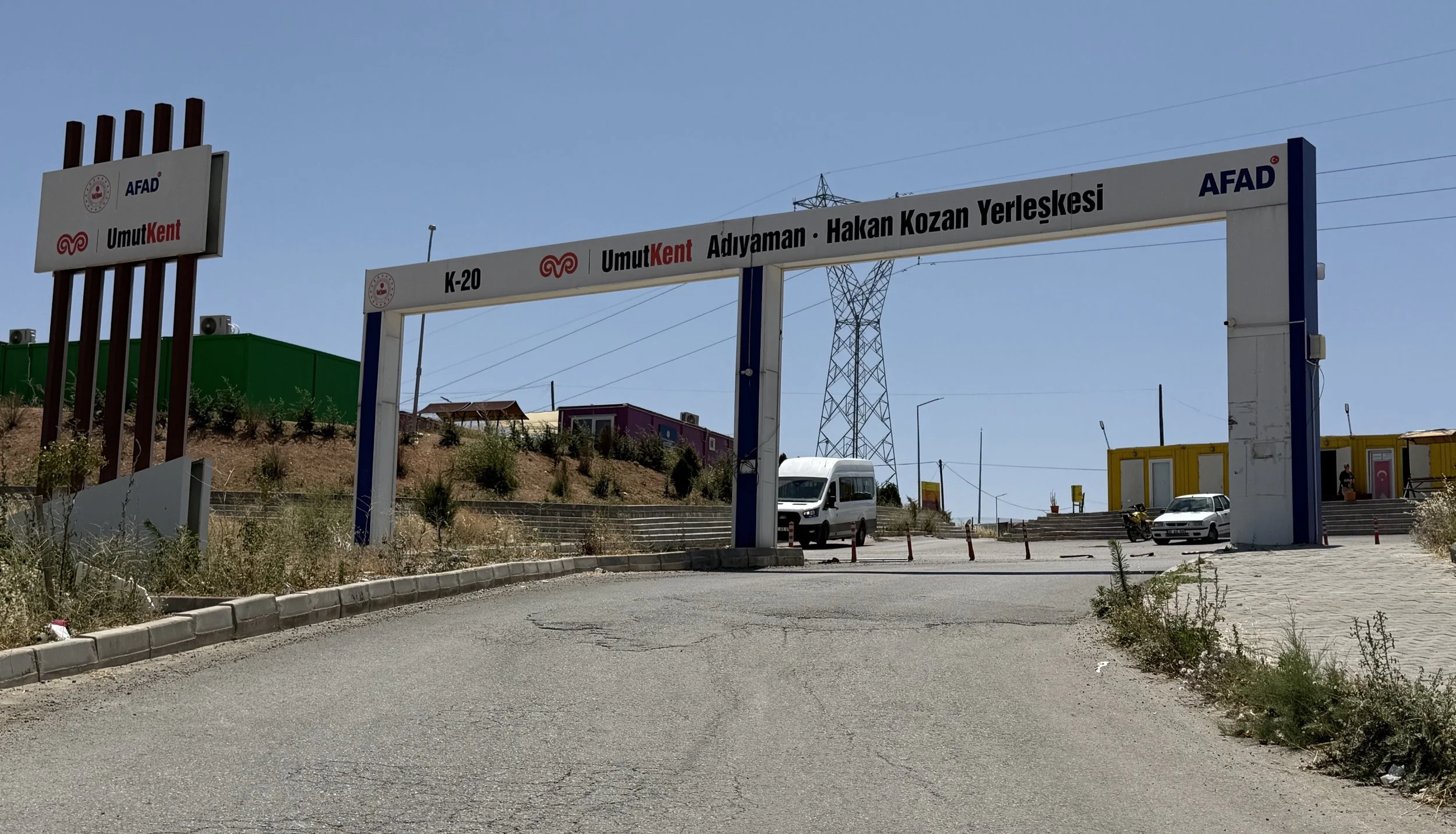
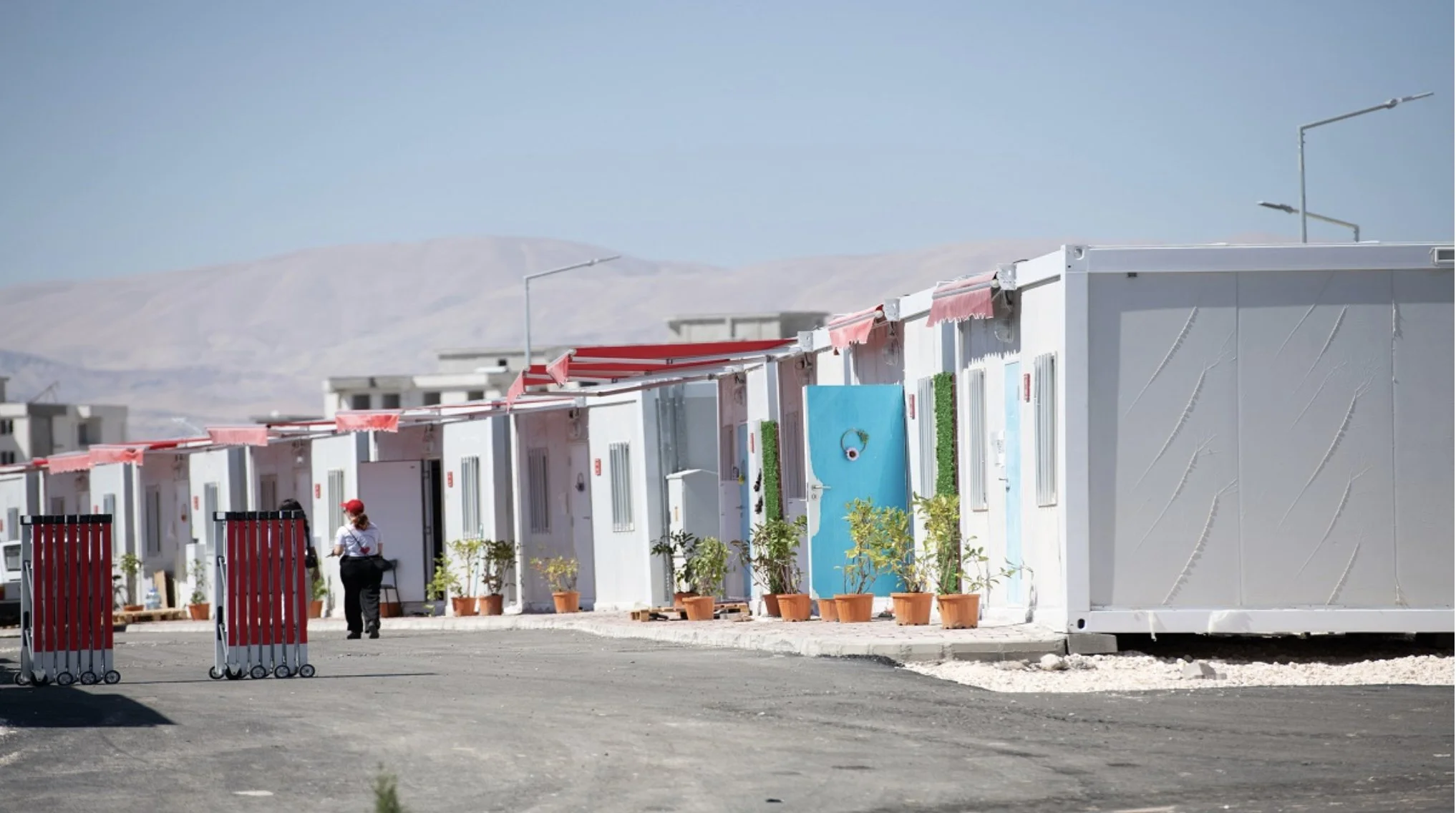
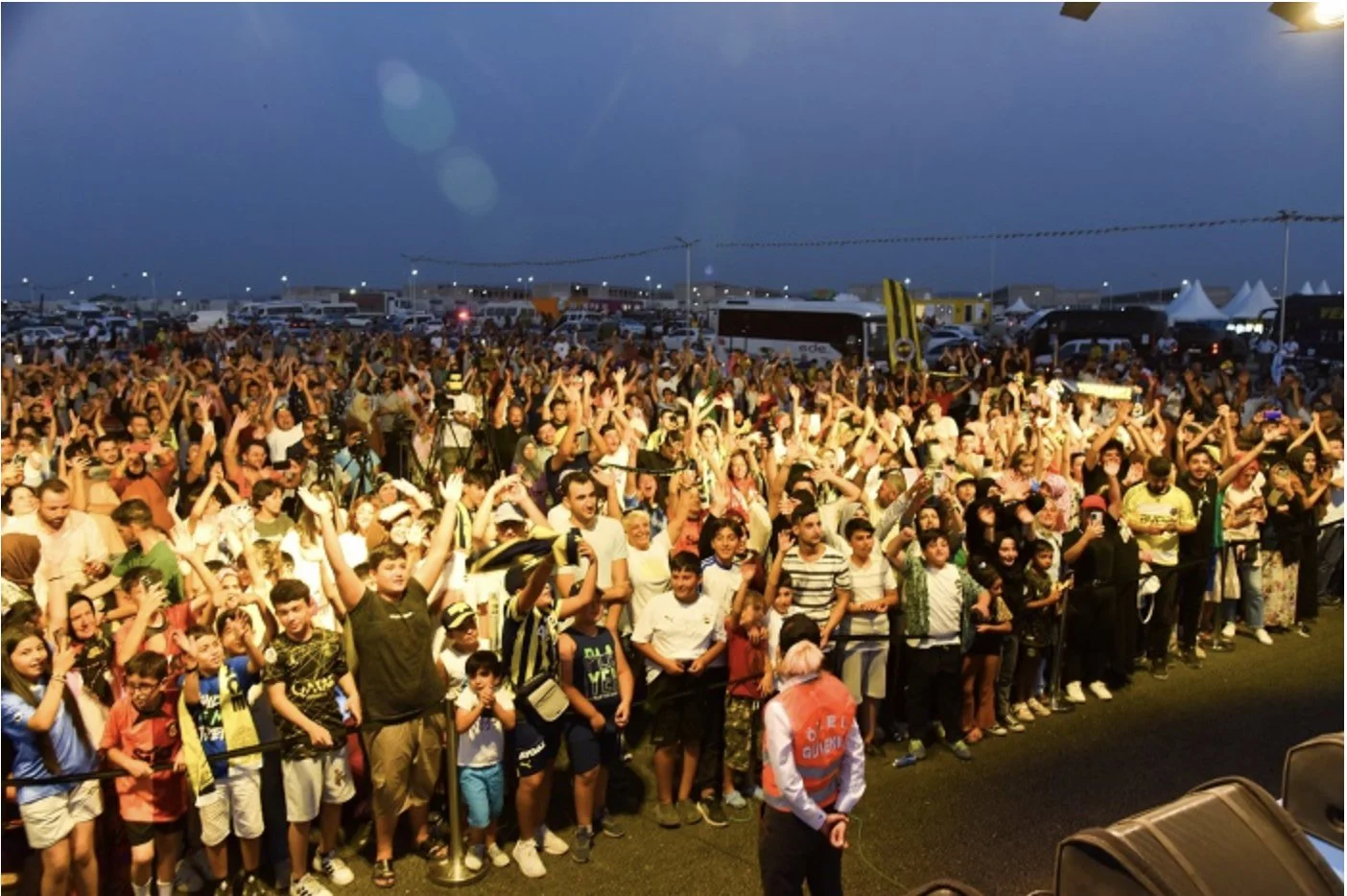
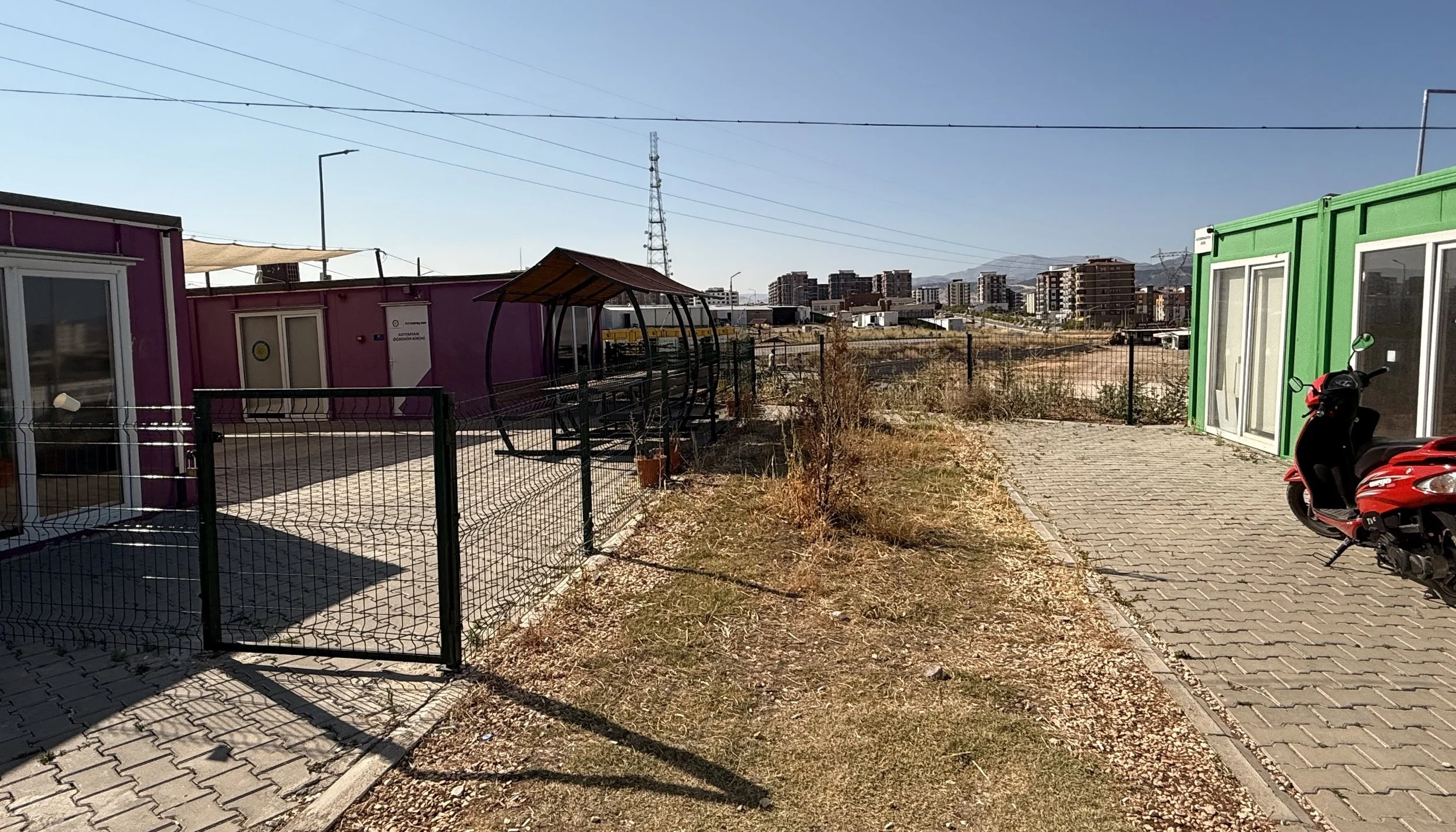
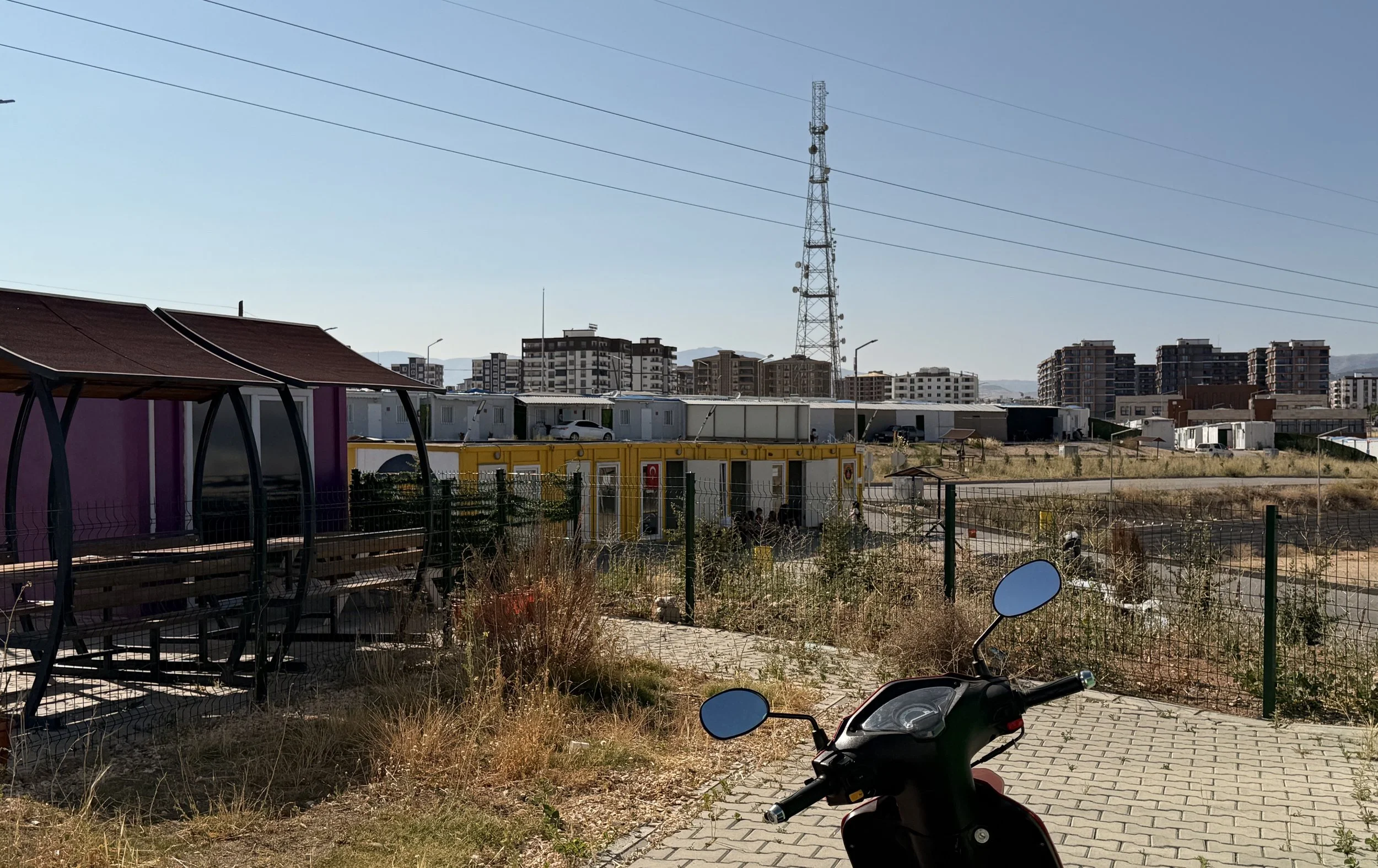
Between Koç, AFAD, and the municipality, there is a balance of responsibilities. Koç leases the land for each Umut Kent site (often from a private landowner), purchases the containers, sets up the Umut Kent, and then gives the key to the city to AFAD for ownership. AFAD brings in the utilities, pays for electricity and water, and handles infrastructural issues as well. Sewage is run by the local municipality. If, for example, repairs are needed for appliances in the first two years of use, AFAD calls a service person to come and fix the appliance (like a customary warranty). After the two-year period, the resident is responsible. The residents pay no rent. The area is controlled by the local gendarme. Generally, police work for the municipalities in Türkiye, and the villages employ the gendarme. There is a good working relationship between the Koç Foundation employees, the NGOs, and AFAD, and AFAD is a critical resource from which they can ask for help and supplies.
Installed through the contributions of the Koç Group, the Hope Cities are owned by, and run in partnership with AFAD, and serve as a valuable model to show how government, private entities, and NGOs can work together to provide an innovative and enduring solution.
-
![]()
At the Hayata Destek Foundation, women come together to both produce goods and spend time together.
-
![]()
-
![]()
Women’s sewing workshop
-
![]()
-
![]()
-
![]()
-
![]()
-
![]()
-
![]()
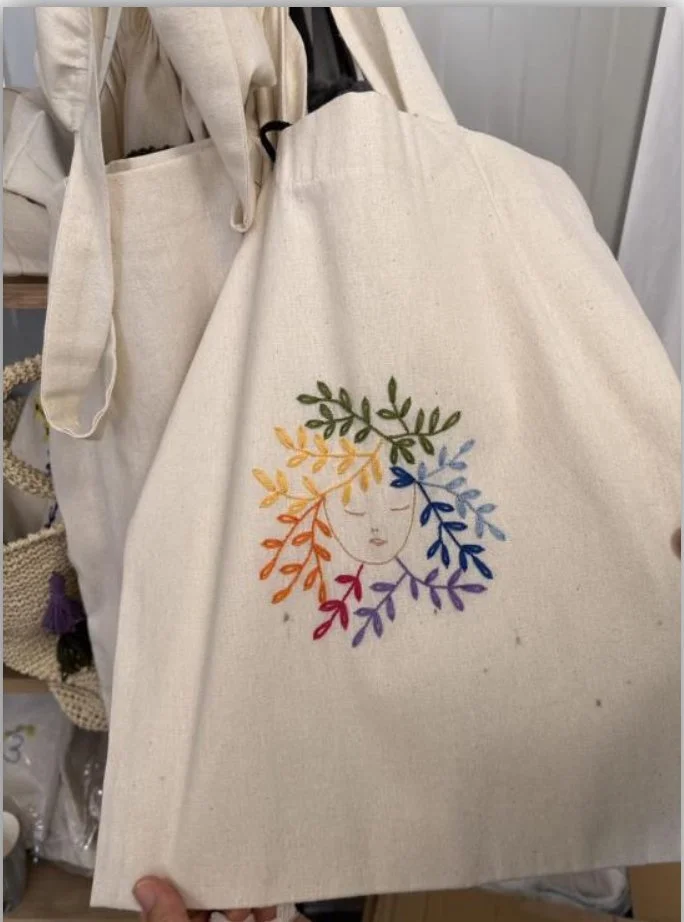
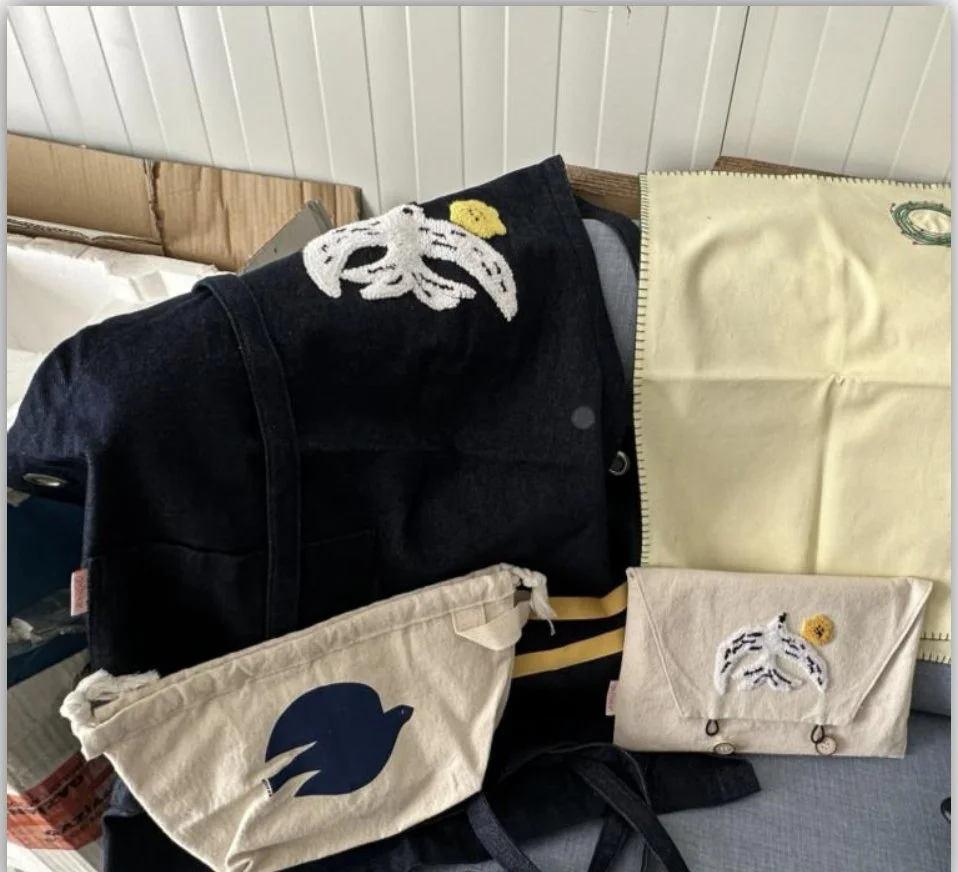
Textiles made in the women’s workshops
-
![]()
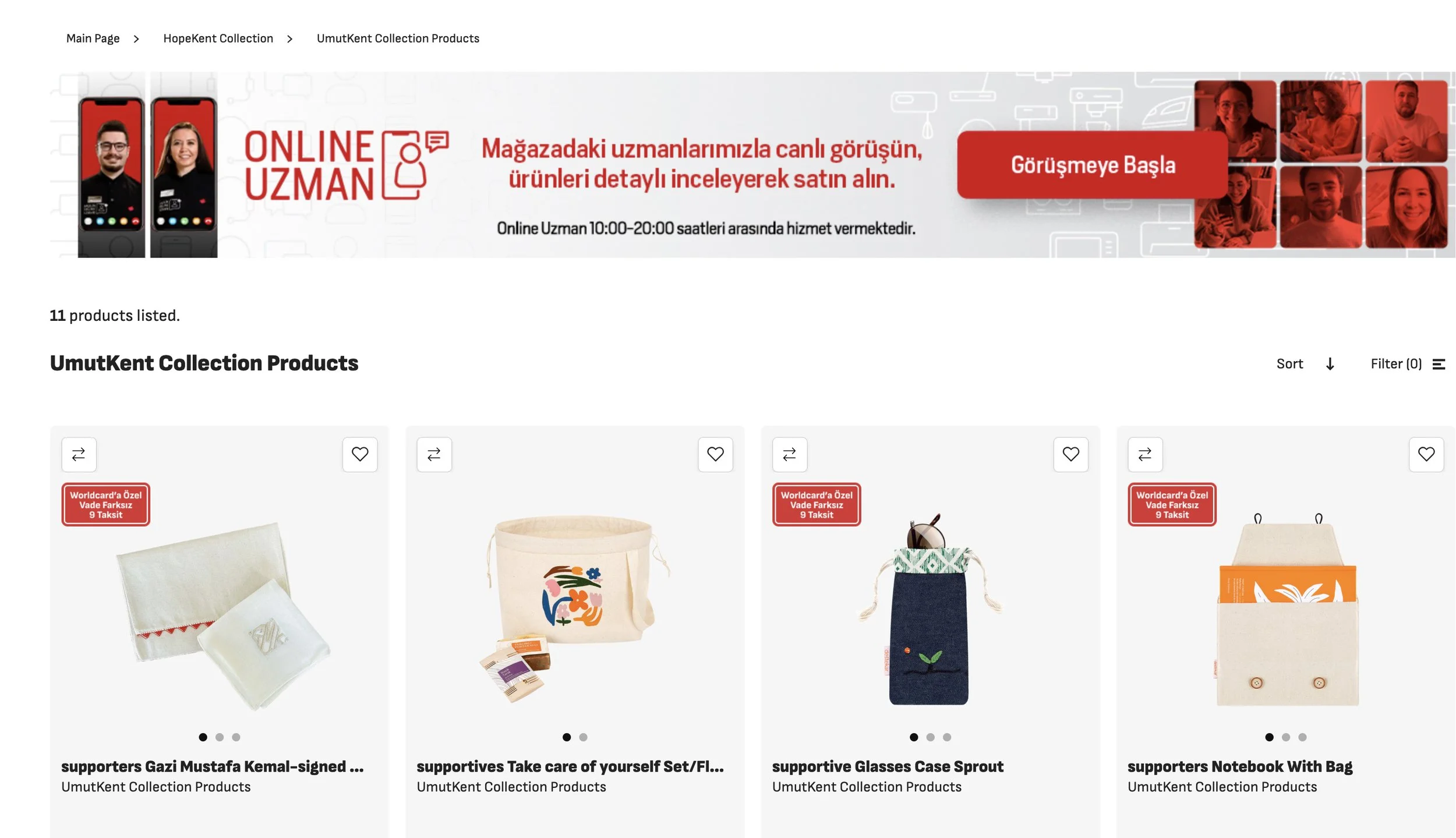
Textile products made in the Umut Kentler workshops for sale online
-
![]()
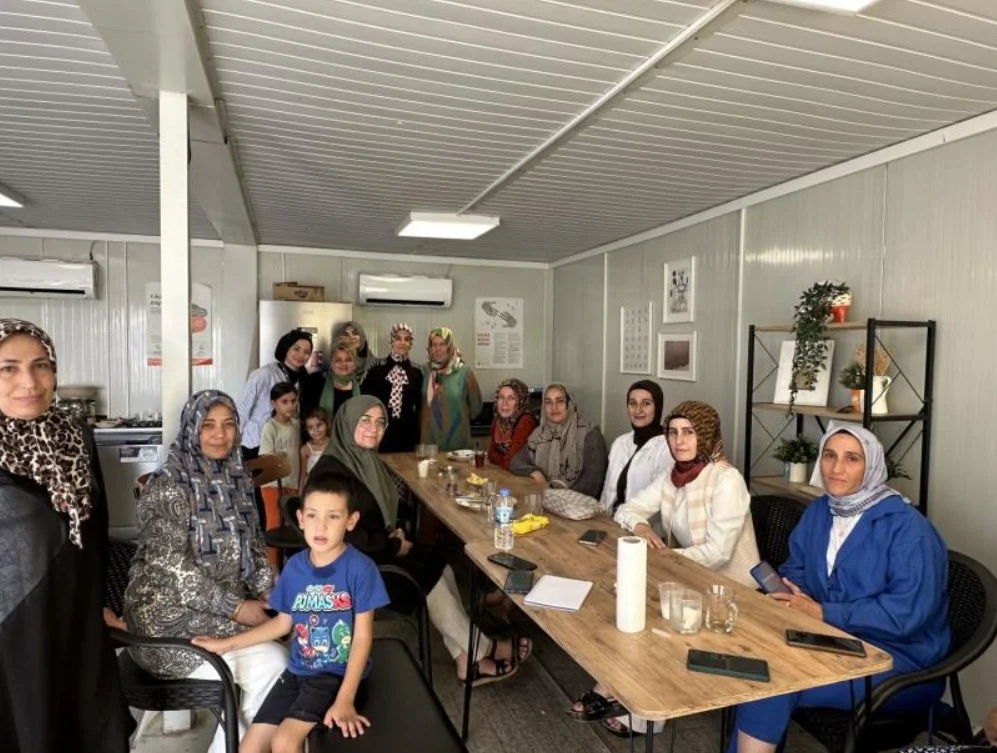
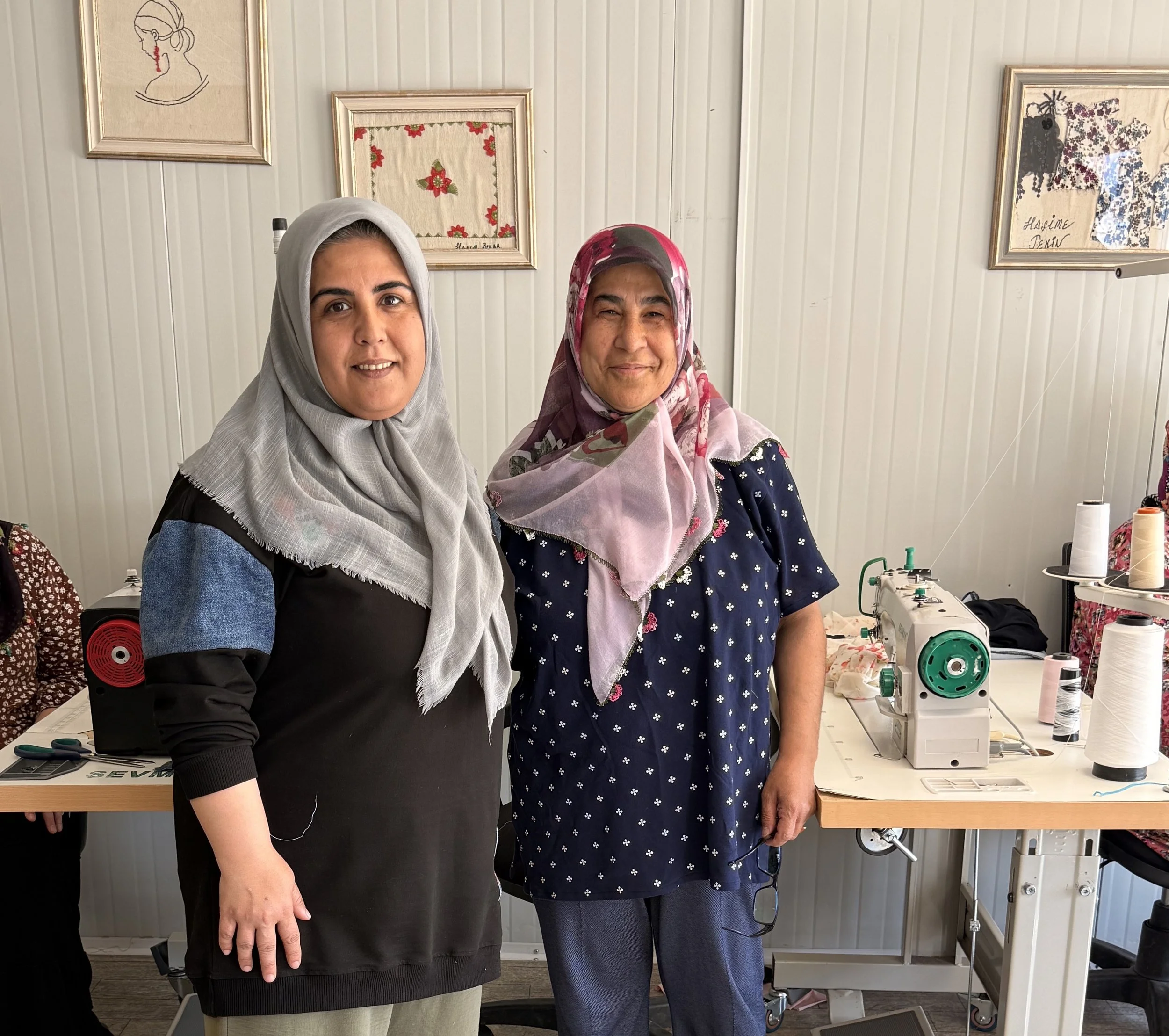
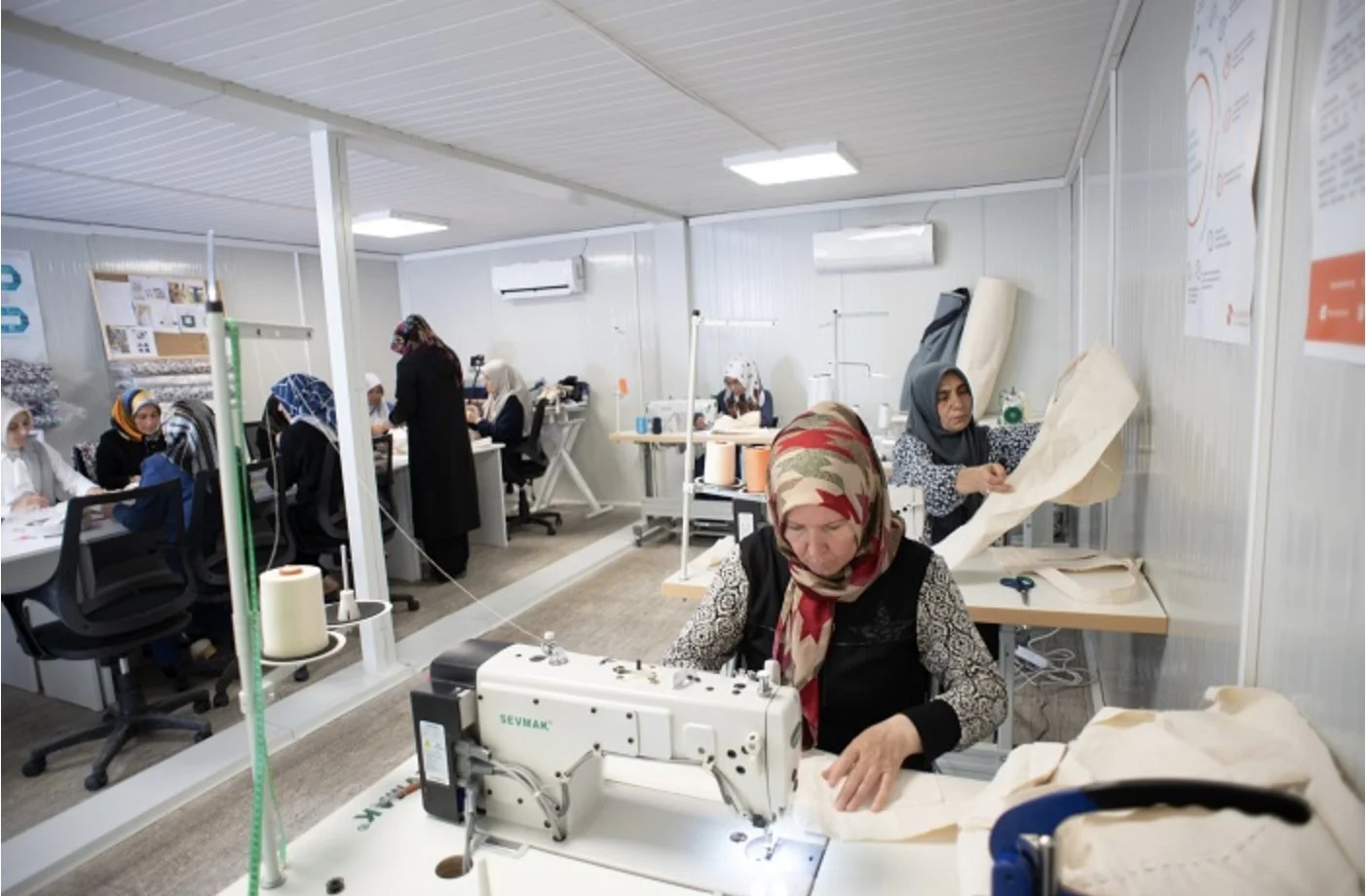
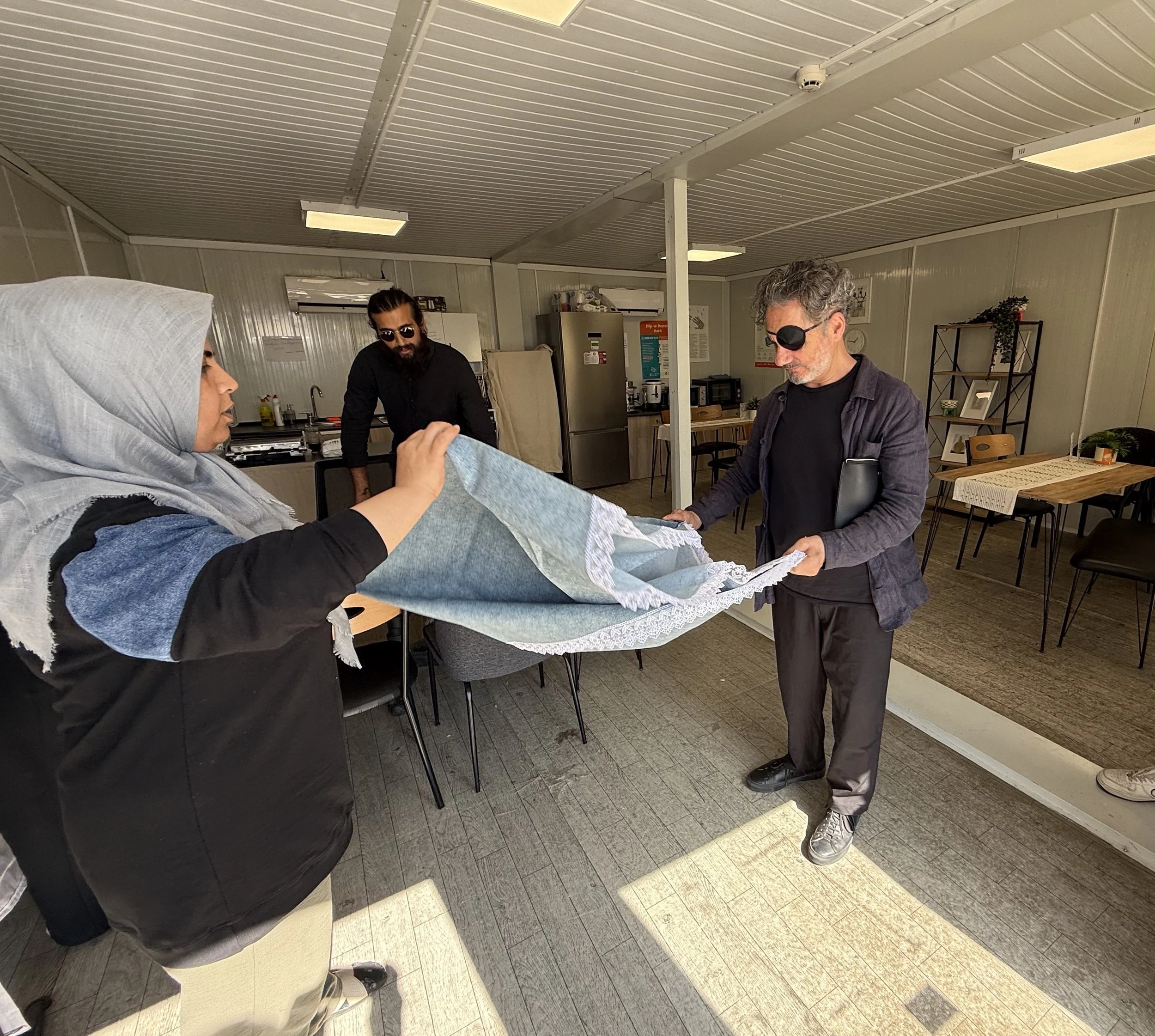
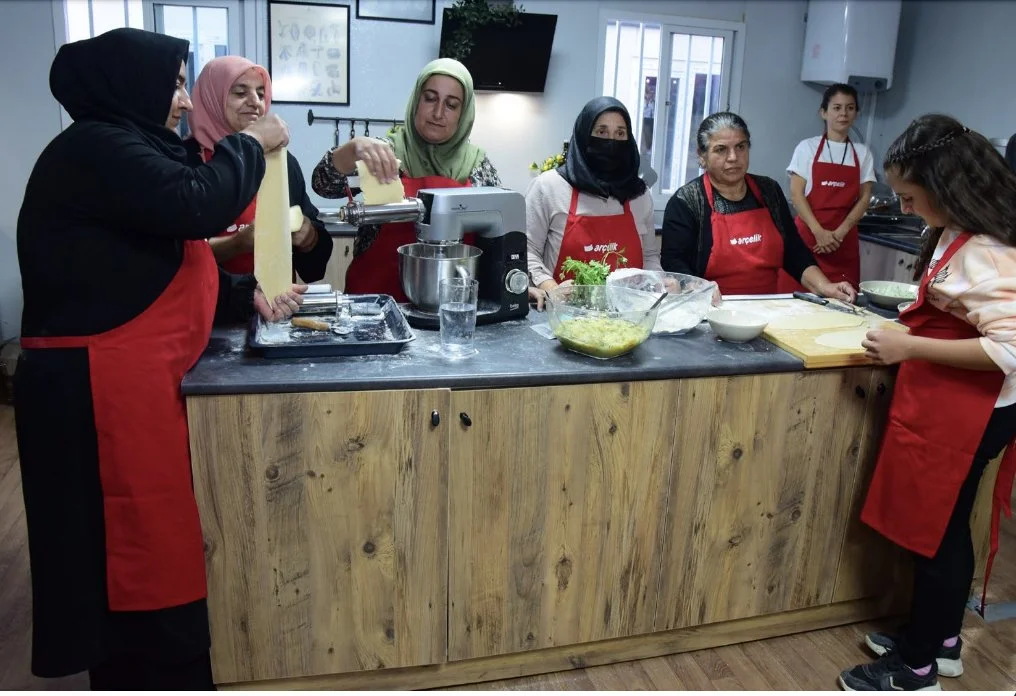
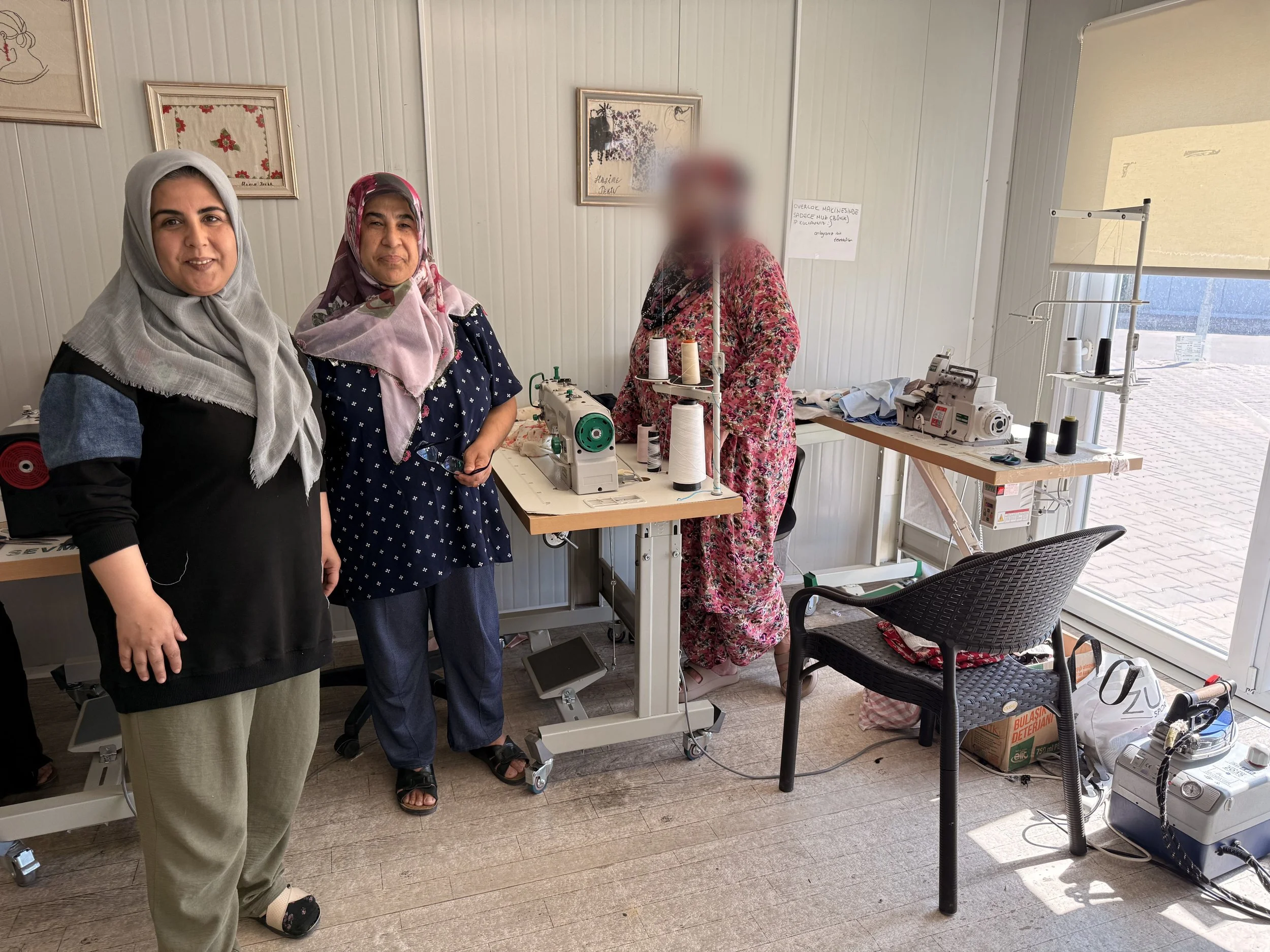
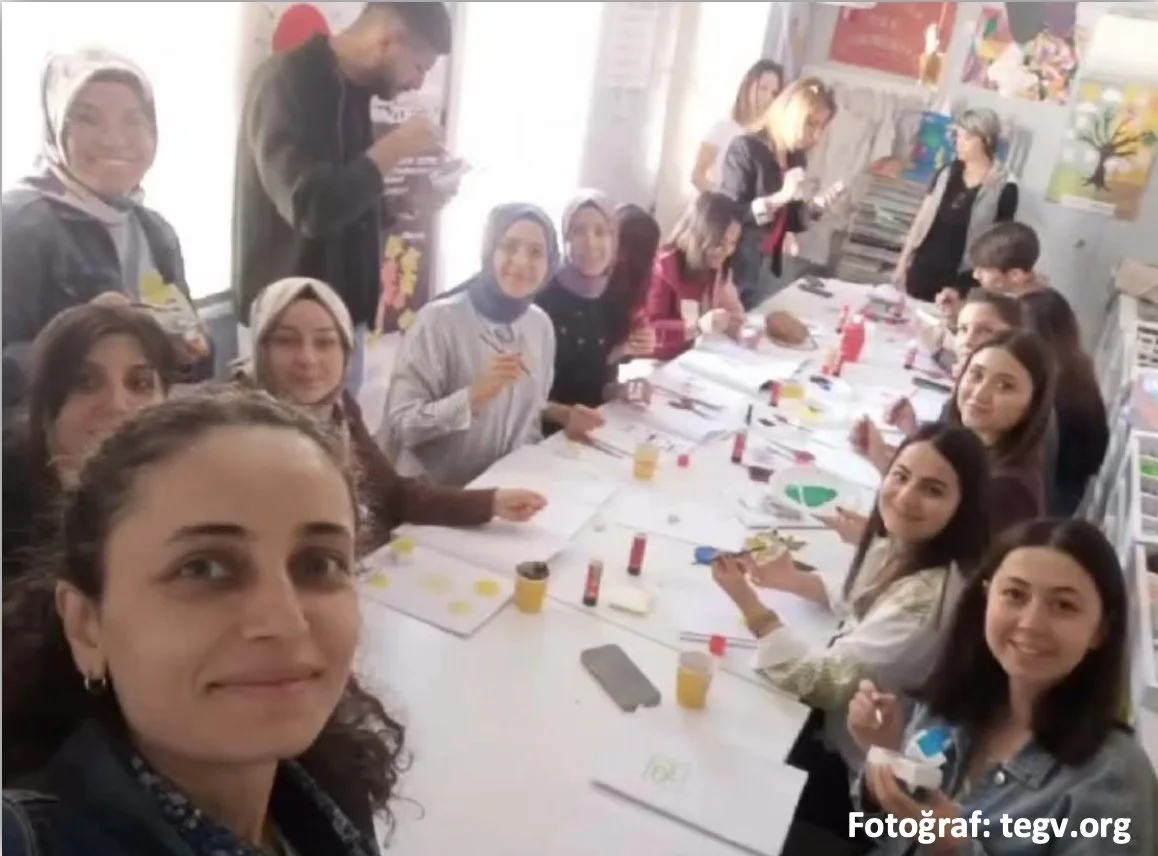
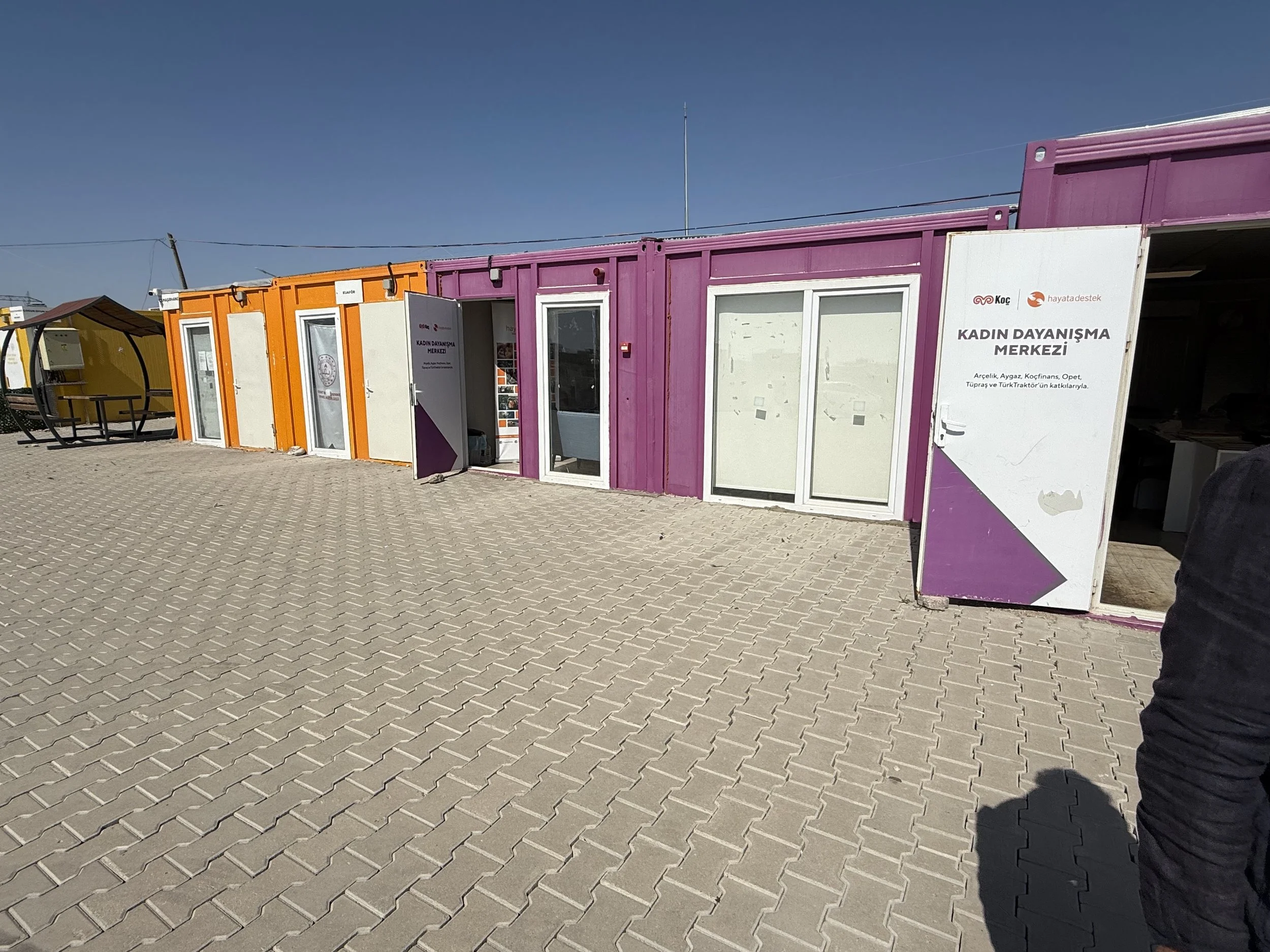
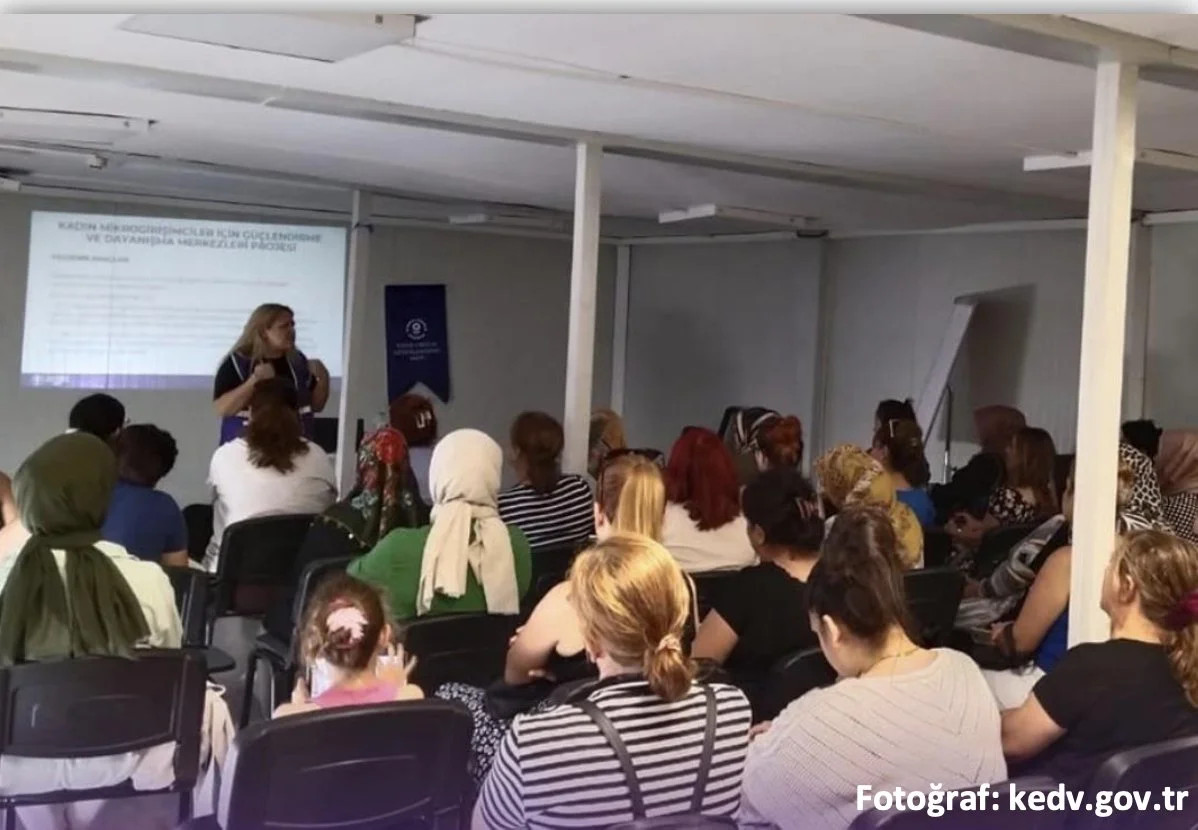
The Koç Foundation works with government entities around education and infrastructure, and separately engages several NGOS to work with the residents, particularly women and youth. Their work includes the running of the workshops and support services. The foundation employs an overall director for the five Umut Kentler as well as an individual director for each Umut Kent.
Operating in cooperation with UN Women, the women’s solidarity centers host textile and culinary workshops as income-generating activities. They are designed to improve women’s psychological well-being, rebuild self-confidence, and increase participation in economic life. The women draw strength from social solidarity and take pride in standing on their own feet, creating positive ripple effects throughout the community.
-
![]()
-
![]()
Support services
-
![]()
Athletics area
-
![]()
Girls after the volleyball game
-
![]()
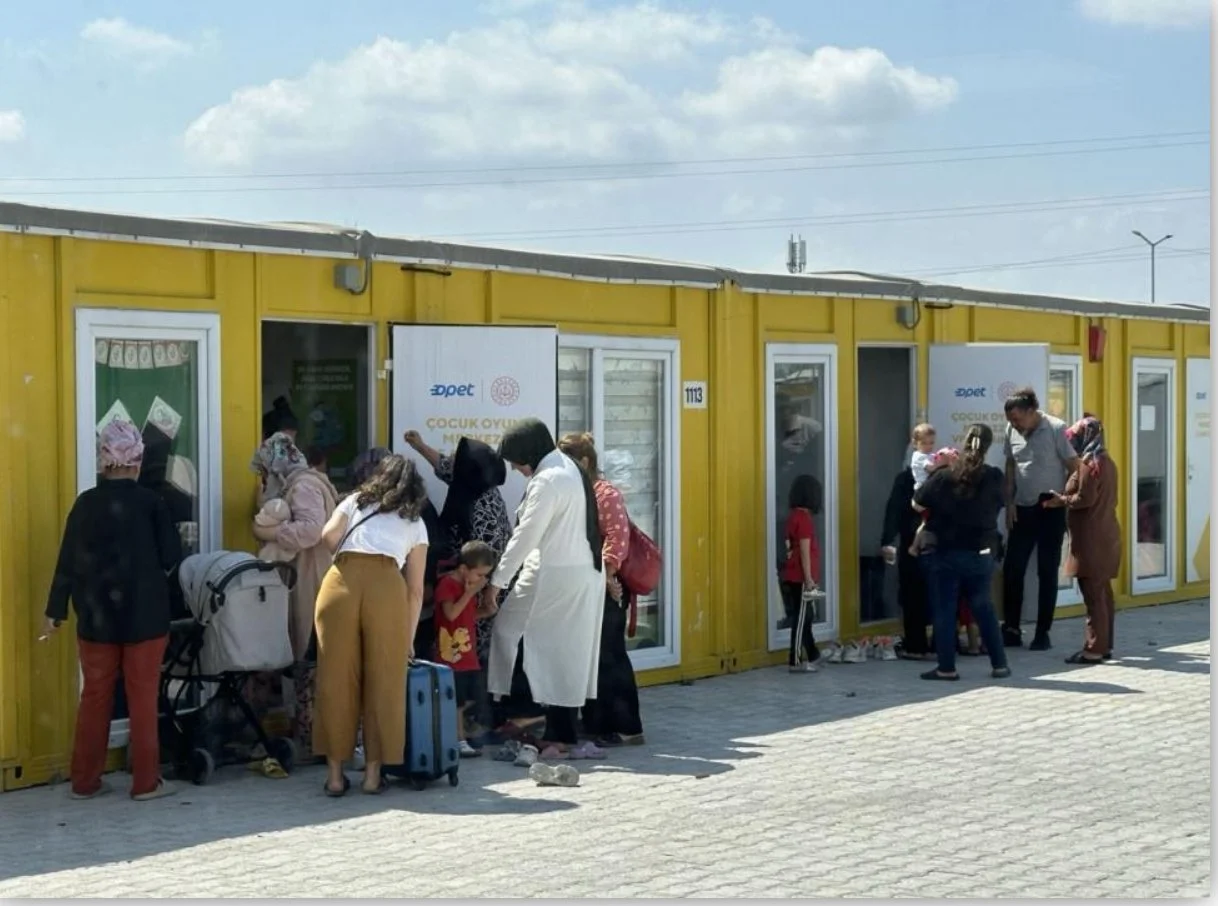
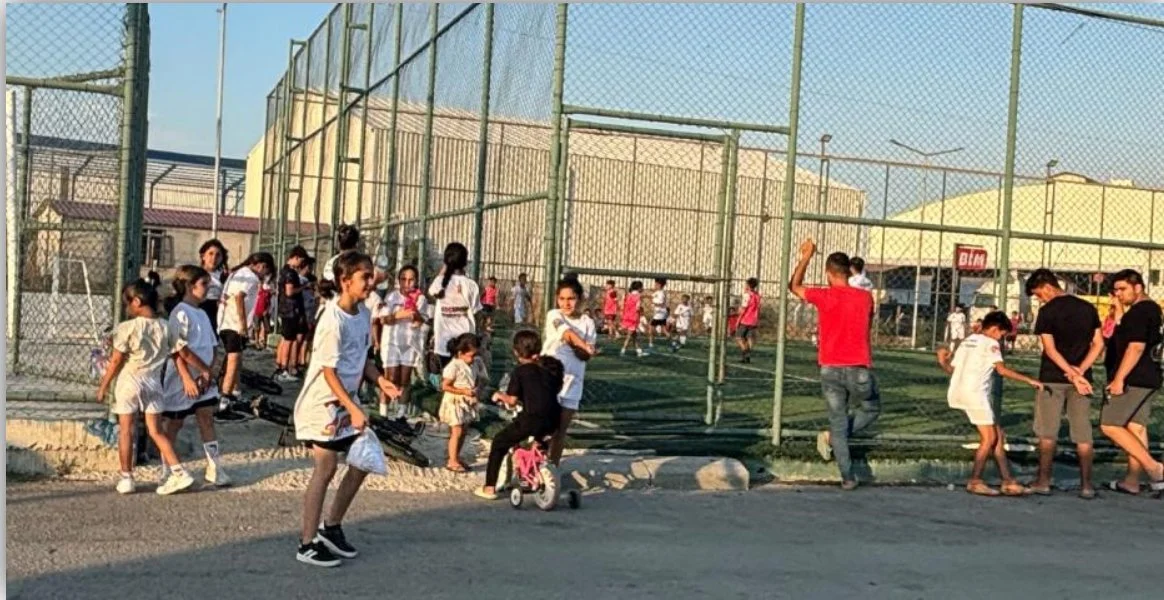
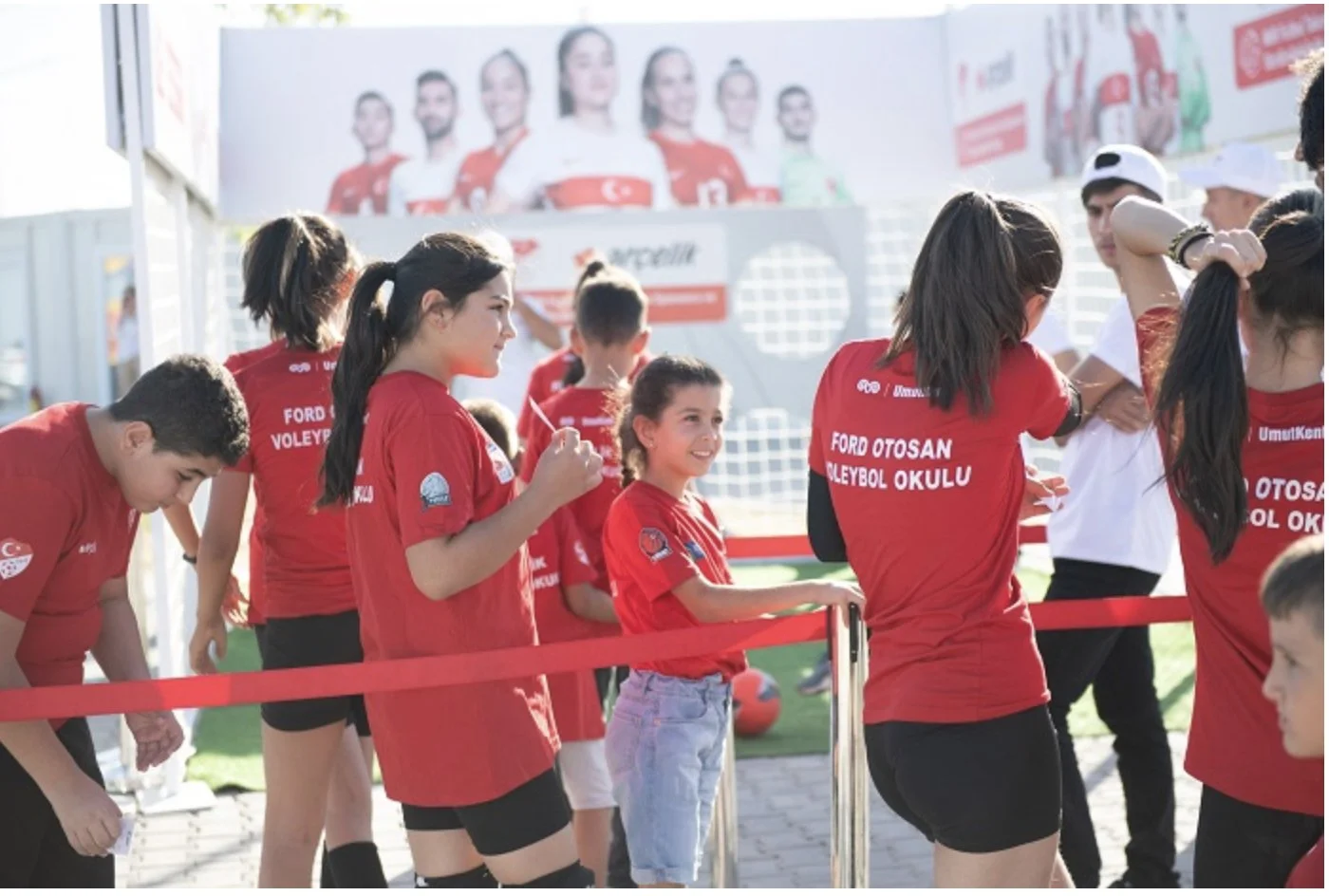
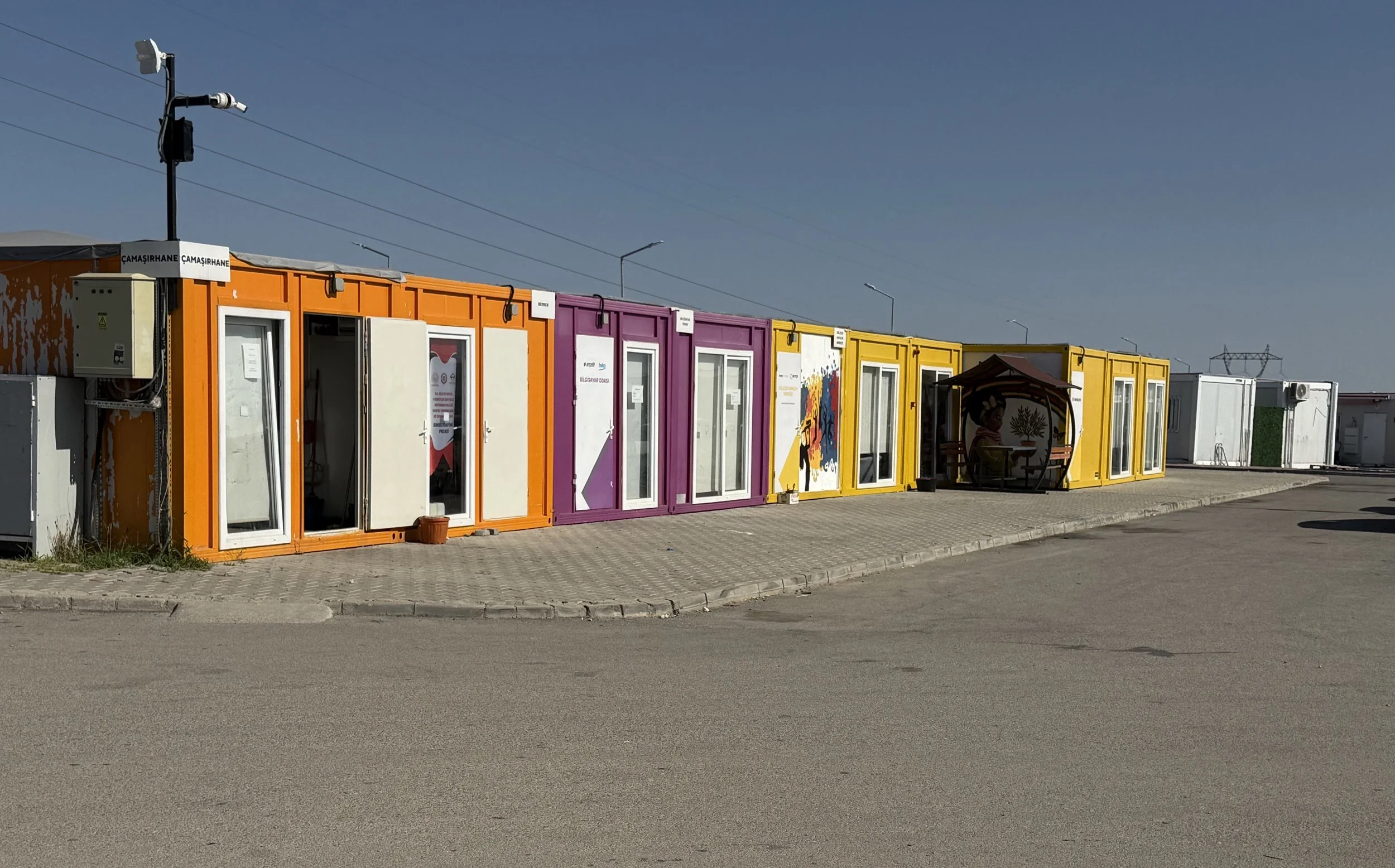
Koç companies, Yapı Kredi and Arçelik, established customer communication centers within the Umut Kentler providing employment for the youth. After completing training, they are employed full-time at the centers, enabling them to live, work, and build careers within their own communities. The Koç Volunteers Movement supports drama activities with the support of theater clubs from the Koç companies Arçelik, Ford Otosan, and Tüpraş. Children also participate in programs offered by the Fenerbahçe Sports Schools, including soccer, basketball, volleyball, and track and field.
Designed to meet the specific requirements of diverse groups—children, youth, women, the elderly, and individuals with disabilities—the Umut Kentler aim to provide an inclusive living environment encompassing healthcare, education, social and economic empowerment, employment, sports, and cultural activities.