
Karsu, Hatay
Architectural Recovery Team
Architectural Recovery Team (ART) began as a student initiative at Delft University focusing on the architectural recovery of impacted areas after Turkey’s 2023 earthquakes. The group has strong ties to a Hatay, a province devastated by those earthquakes, with many of the members extended families living there – one member can trace her family’s genealogy in the area to the 17th c. They were deeply troubled that so many in Hatay were leaving because they had lost their homes and their jobs. “Antakya is very fragile, if you don’t have diversity there, you will lose the character of the place.” [Hena Micooğullari]
ART’s process began with multiple journeys to the region. They connected with local municipalities, communities, and voluntary organizations. They observed urban-rural displacement (people leaving the devastated cities to return to their families’ rural homes with more land) combined with a limited awareness about sustainable building practices. These observations informed their decision to focus on long-term affordable housing solutions.
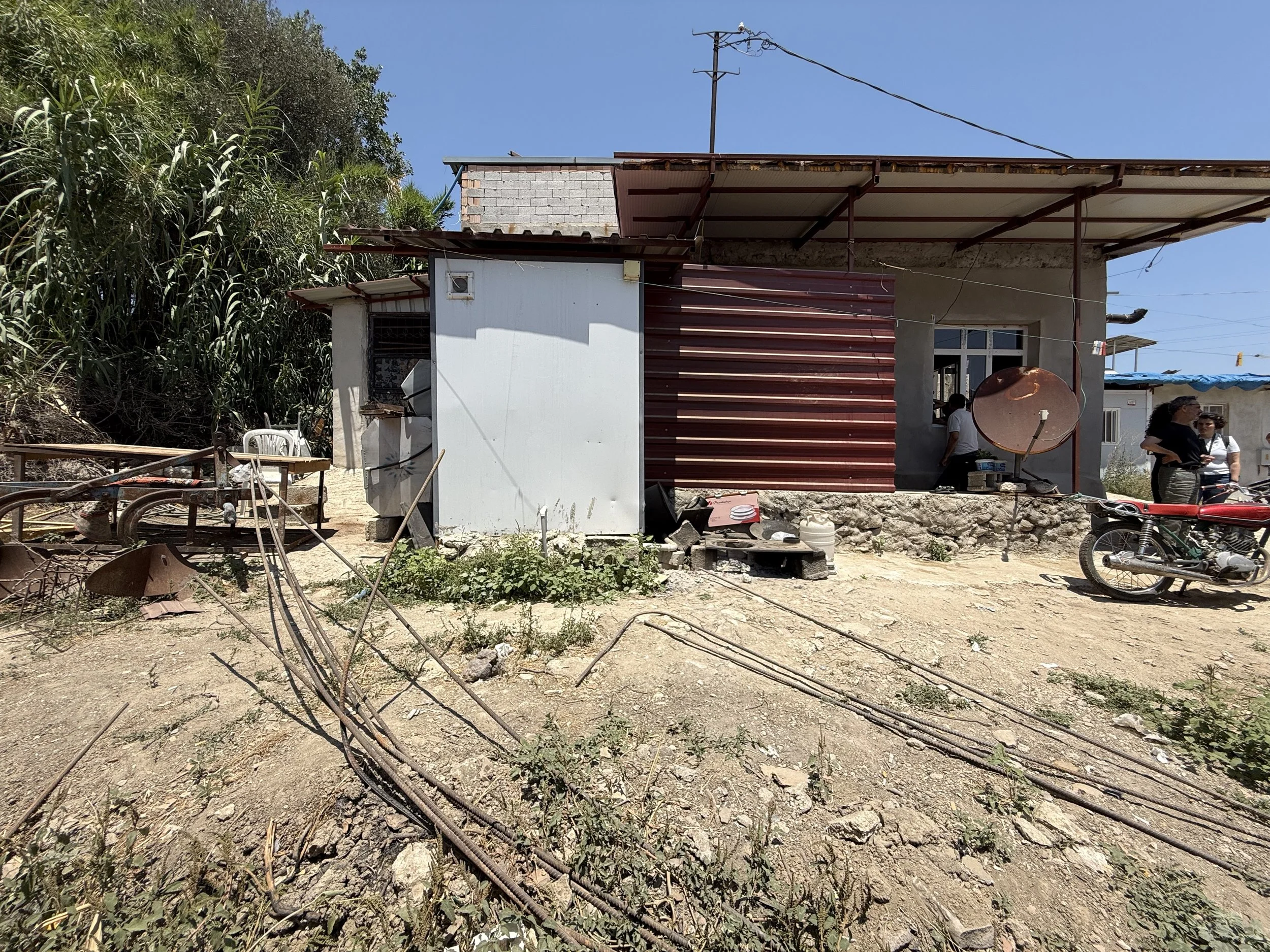
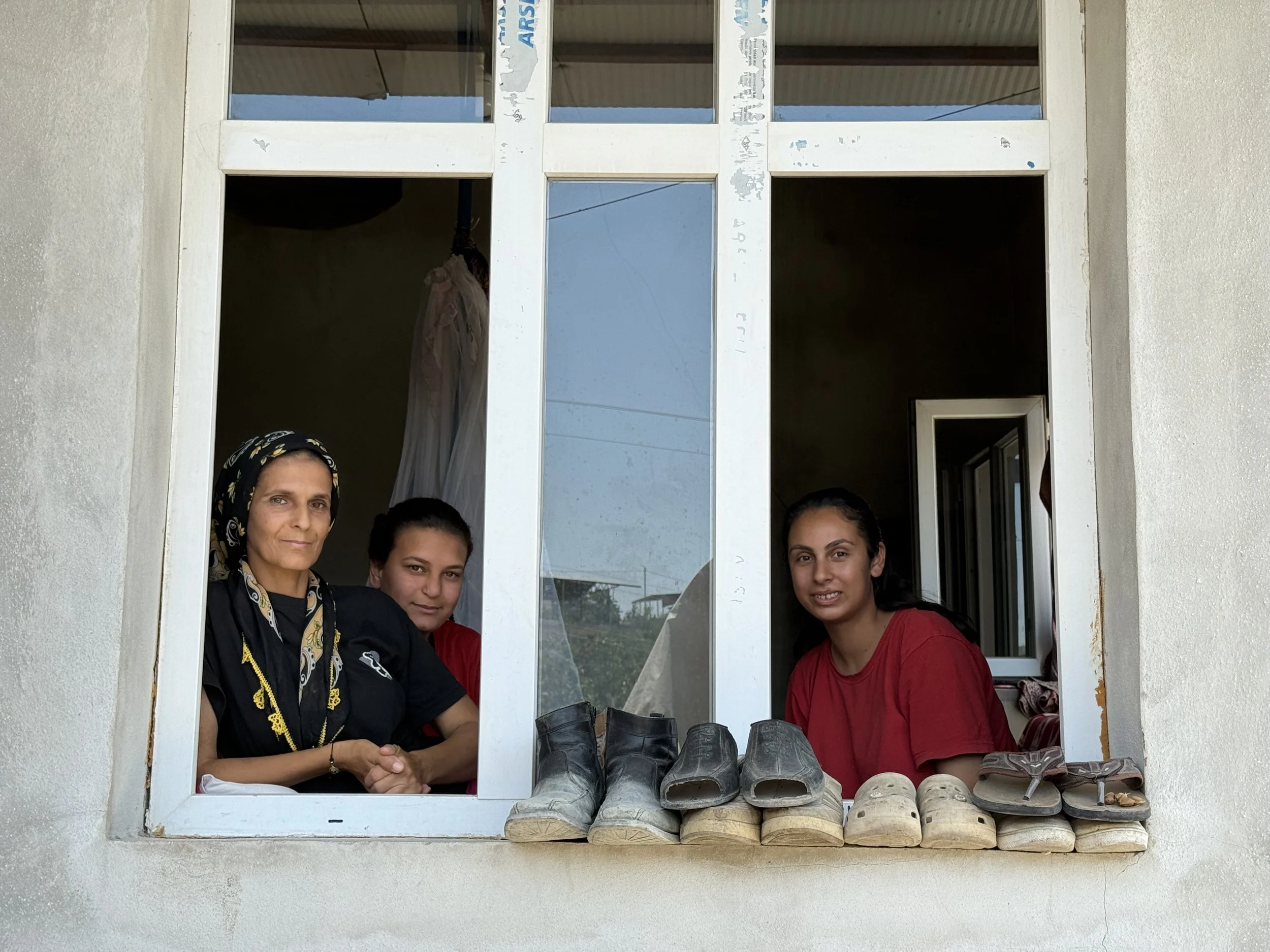
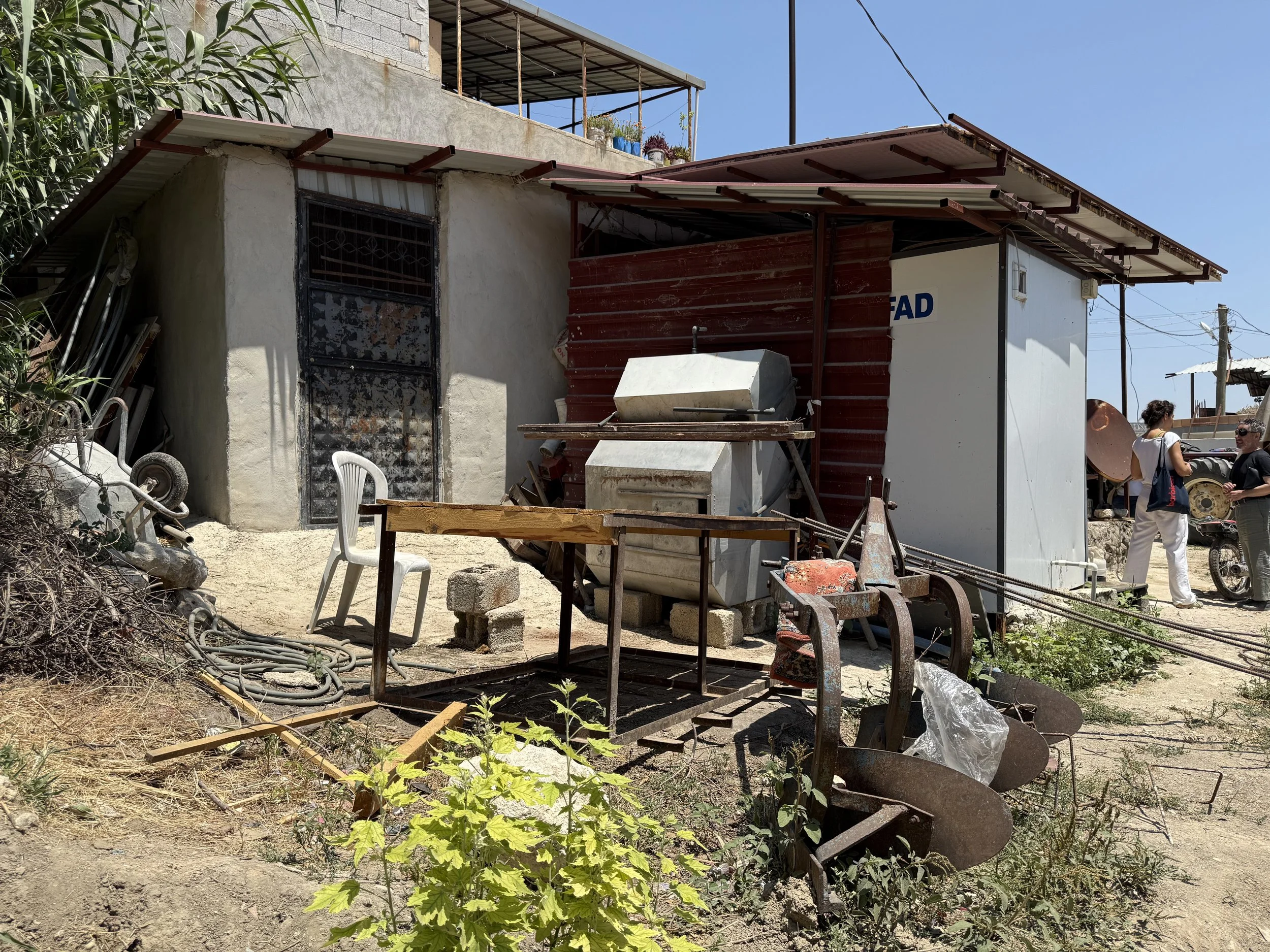
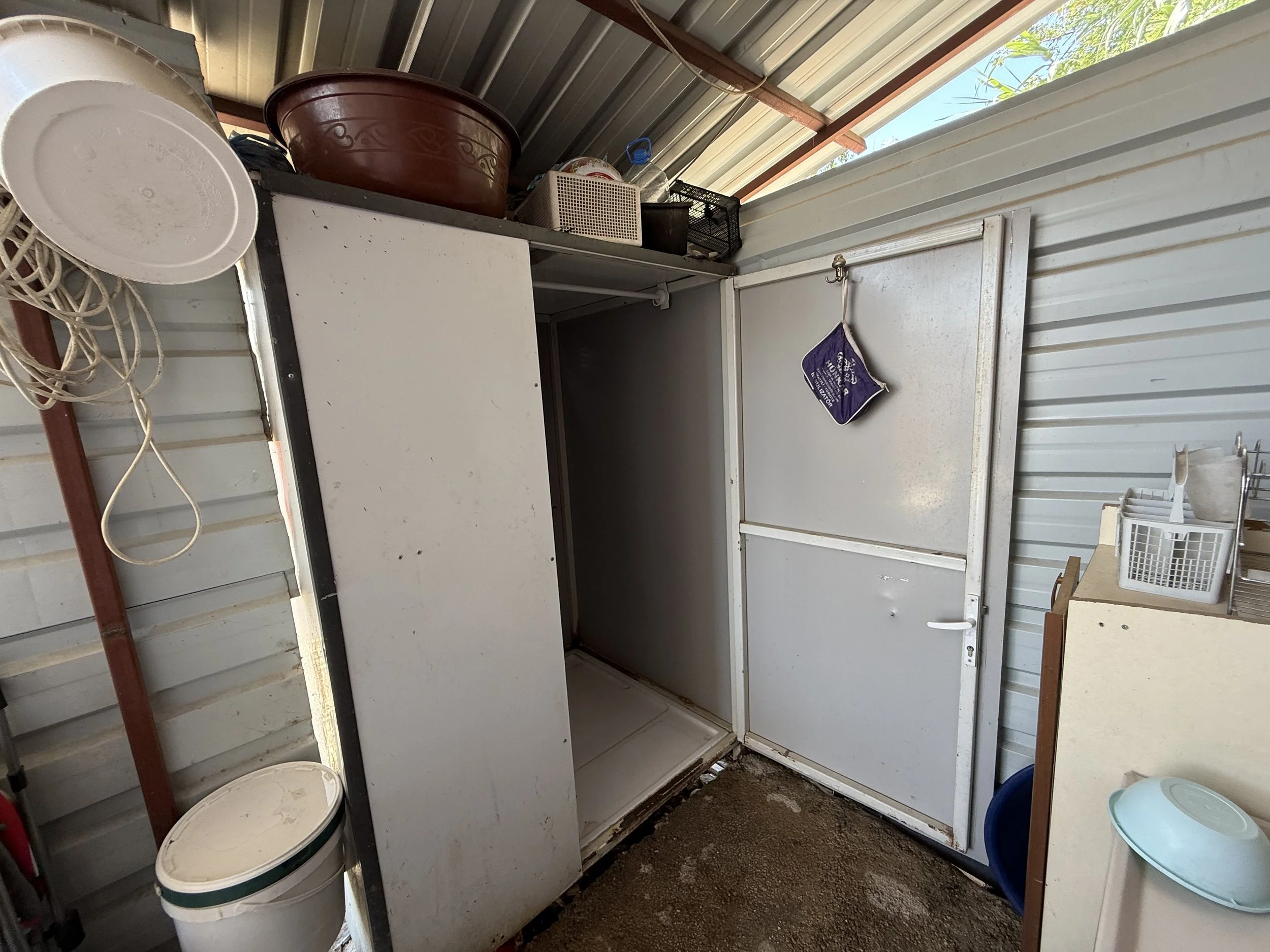
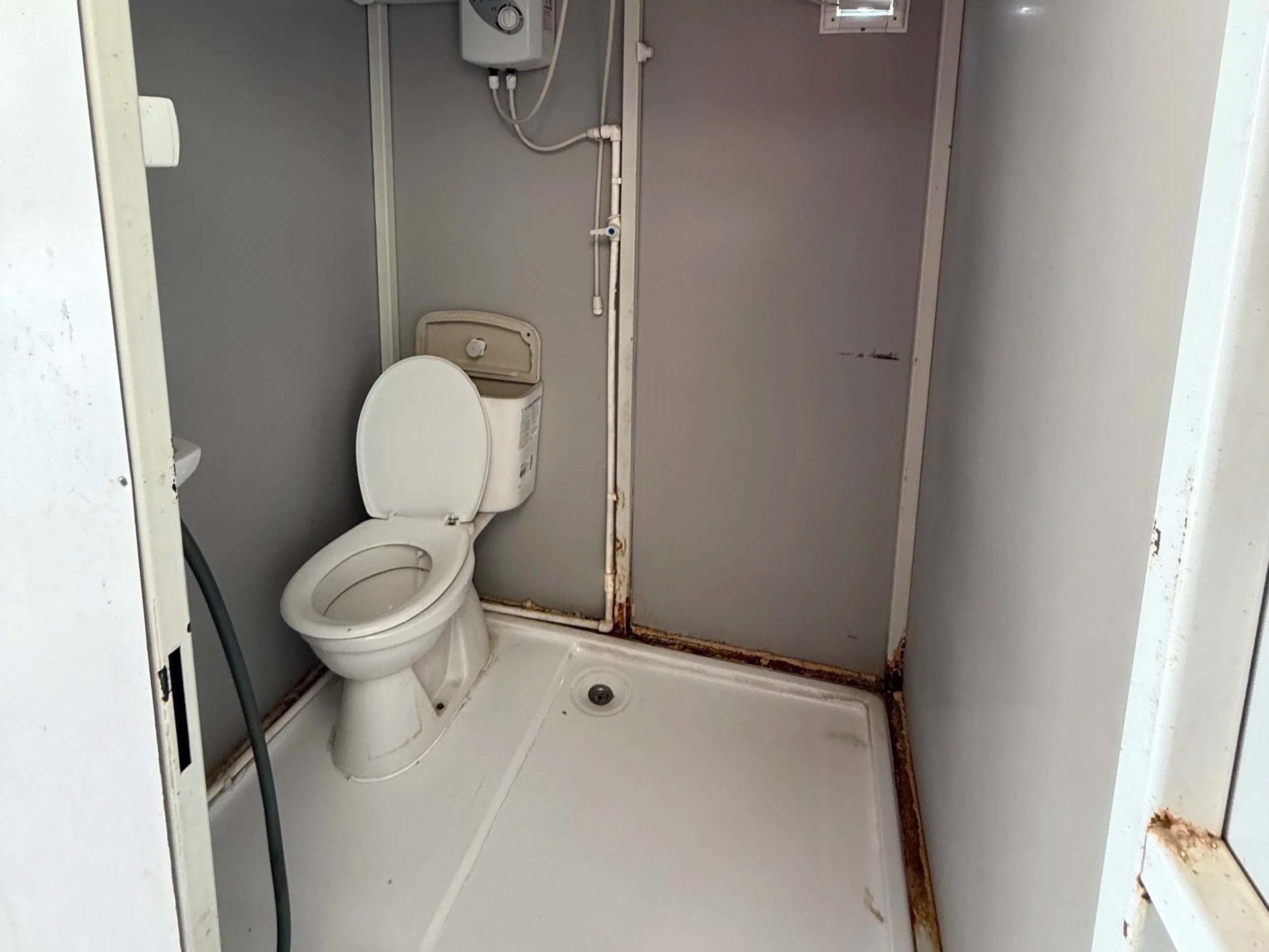
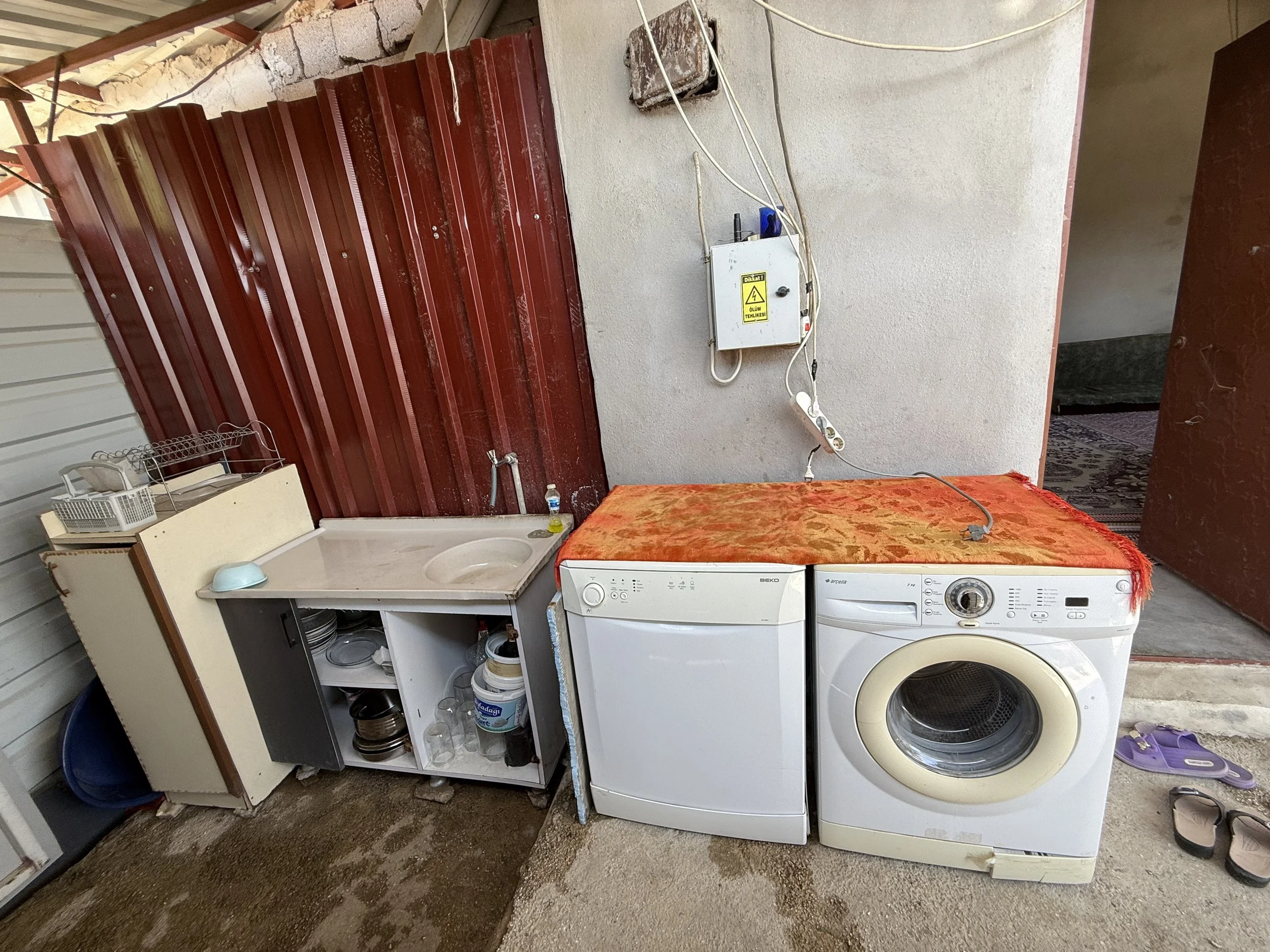
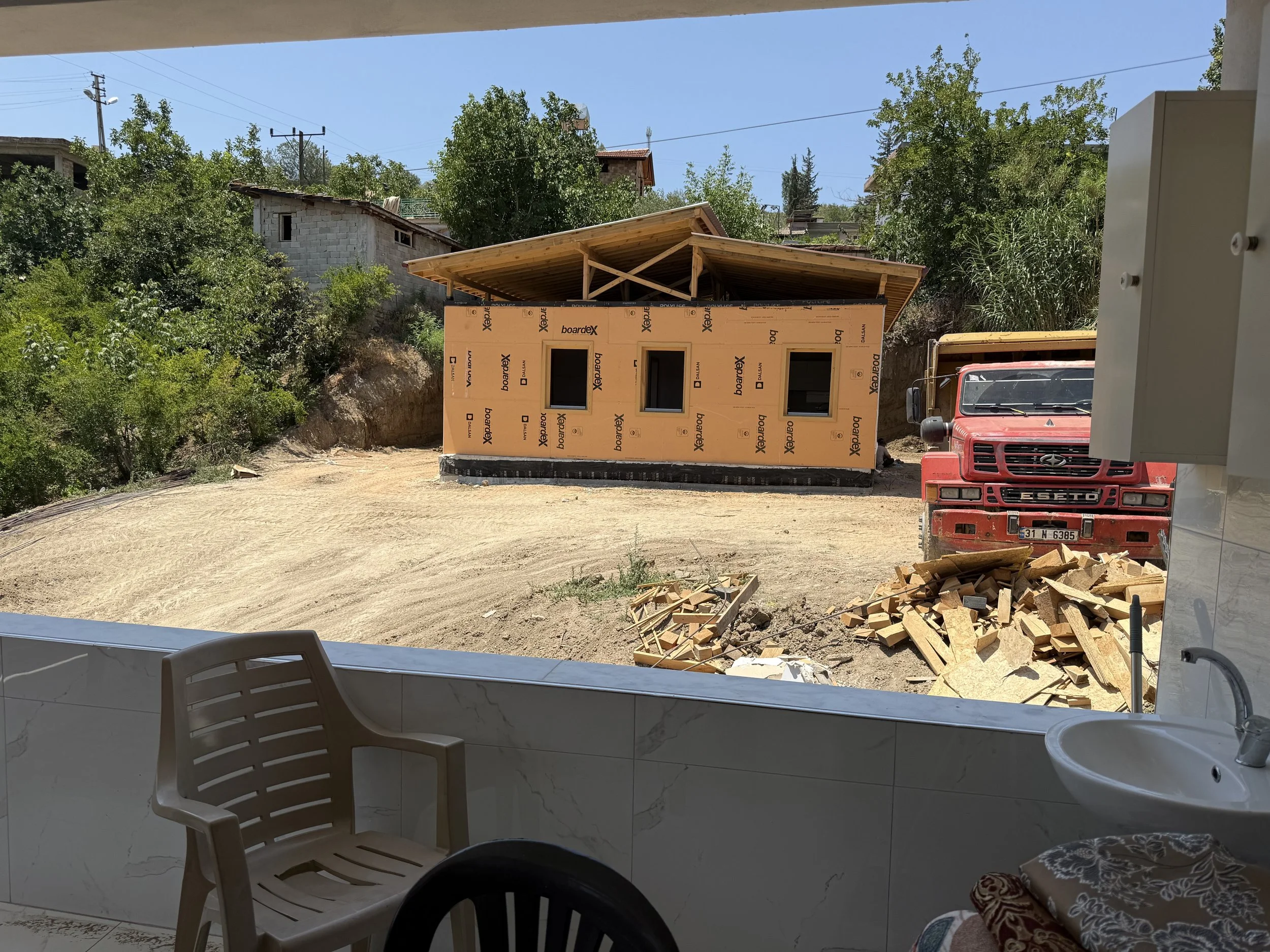
In the images below, a damaged structure is the home of a small family following the earthquakes. The building is next to the lot where ART built a new home for them. The structure has been adapted to include a bathroom provided by AFAD. The small semi- enclosed space opposite the bathroom includes a washer and dryer (sharing utilities). This “core” unit would be replicated in ART’s design which may be seen in the subsequent images.
Image Credits: ART, ACHA
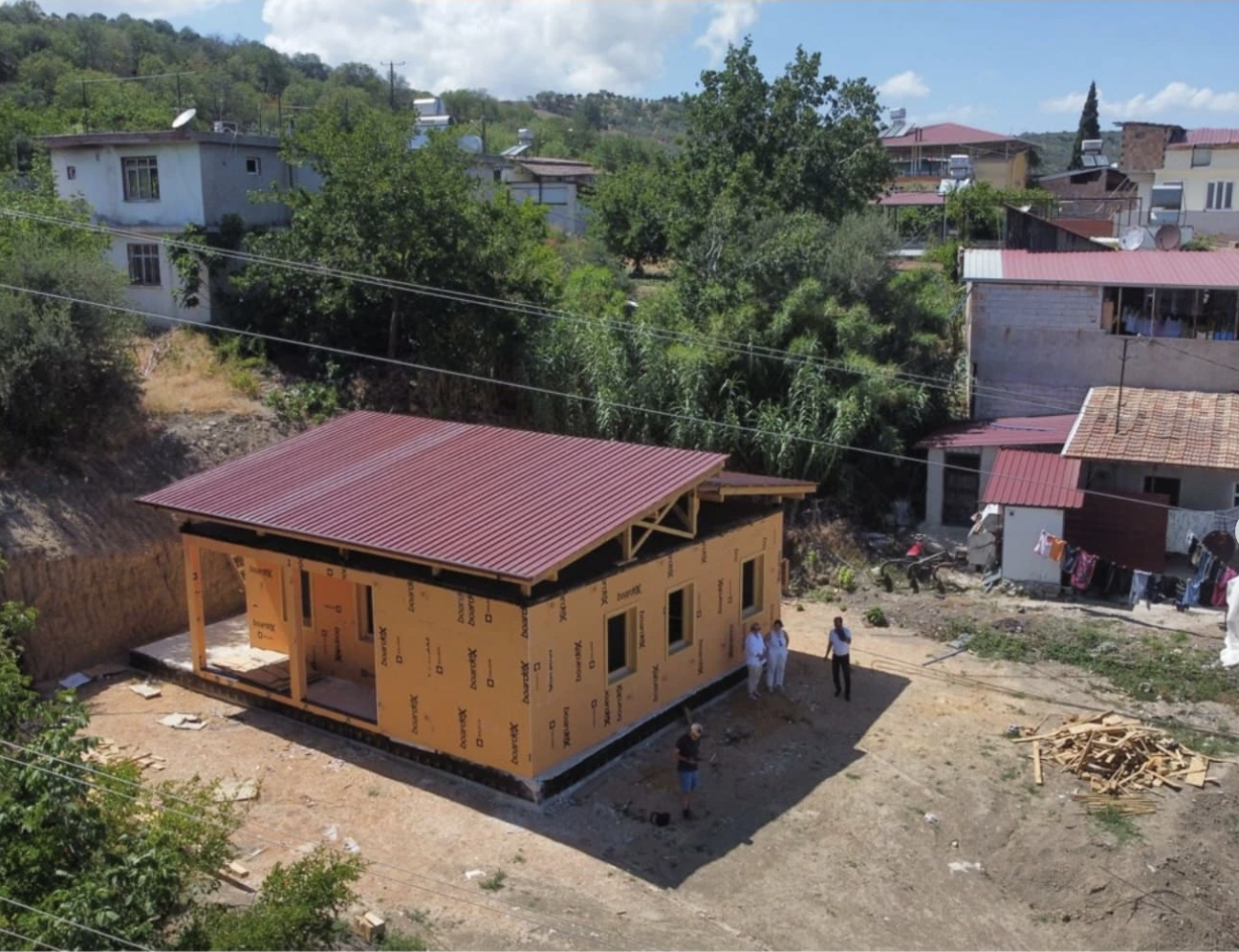
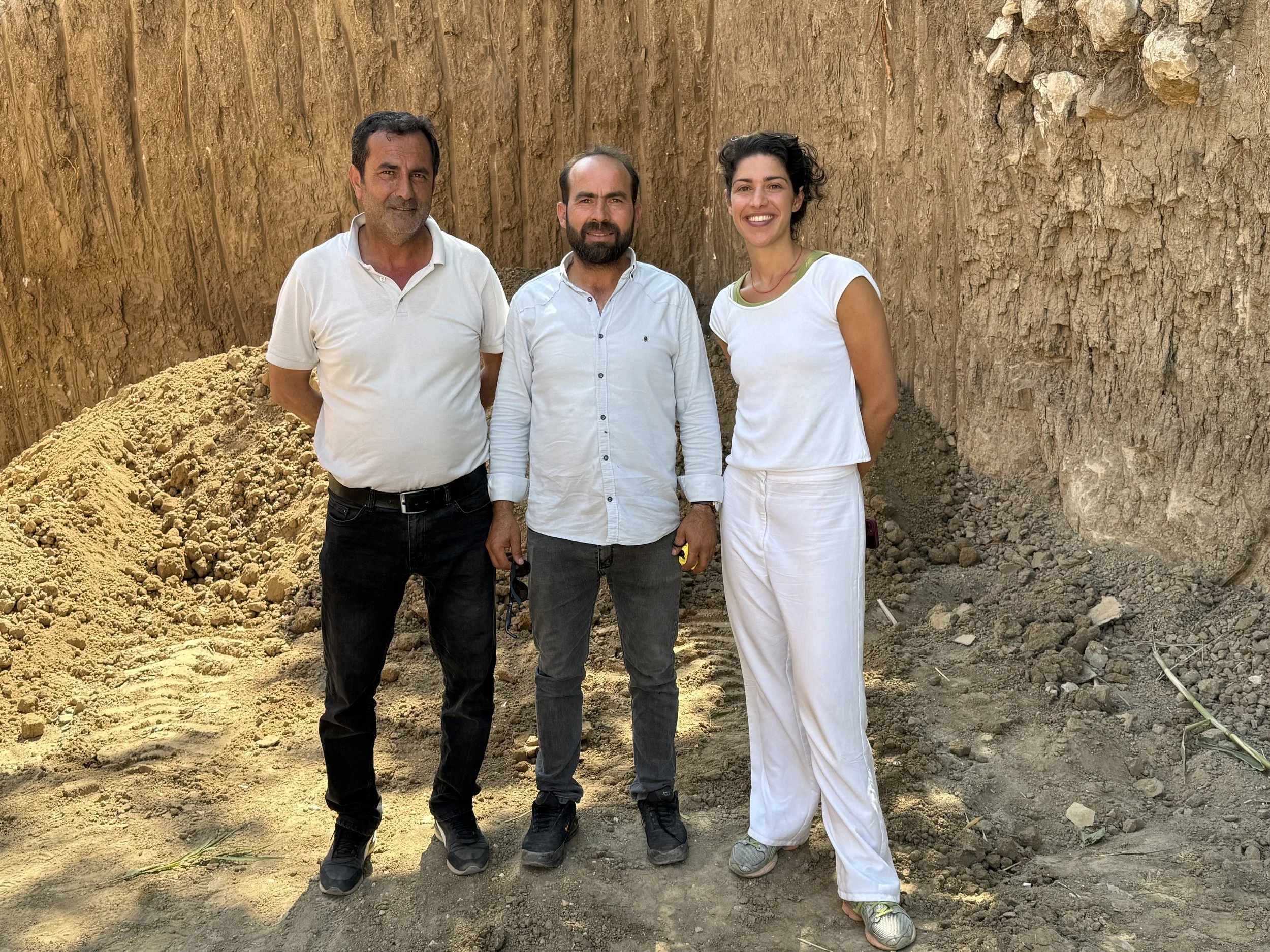
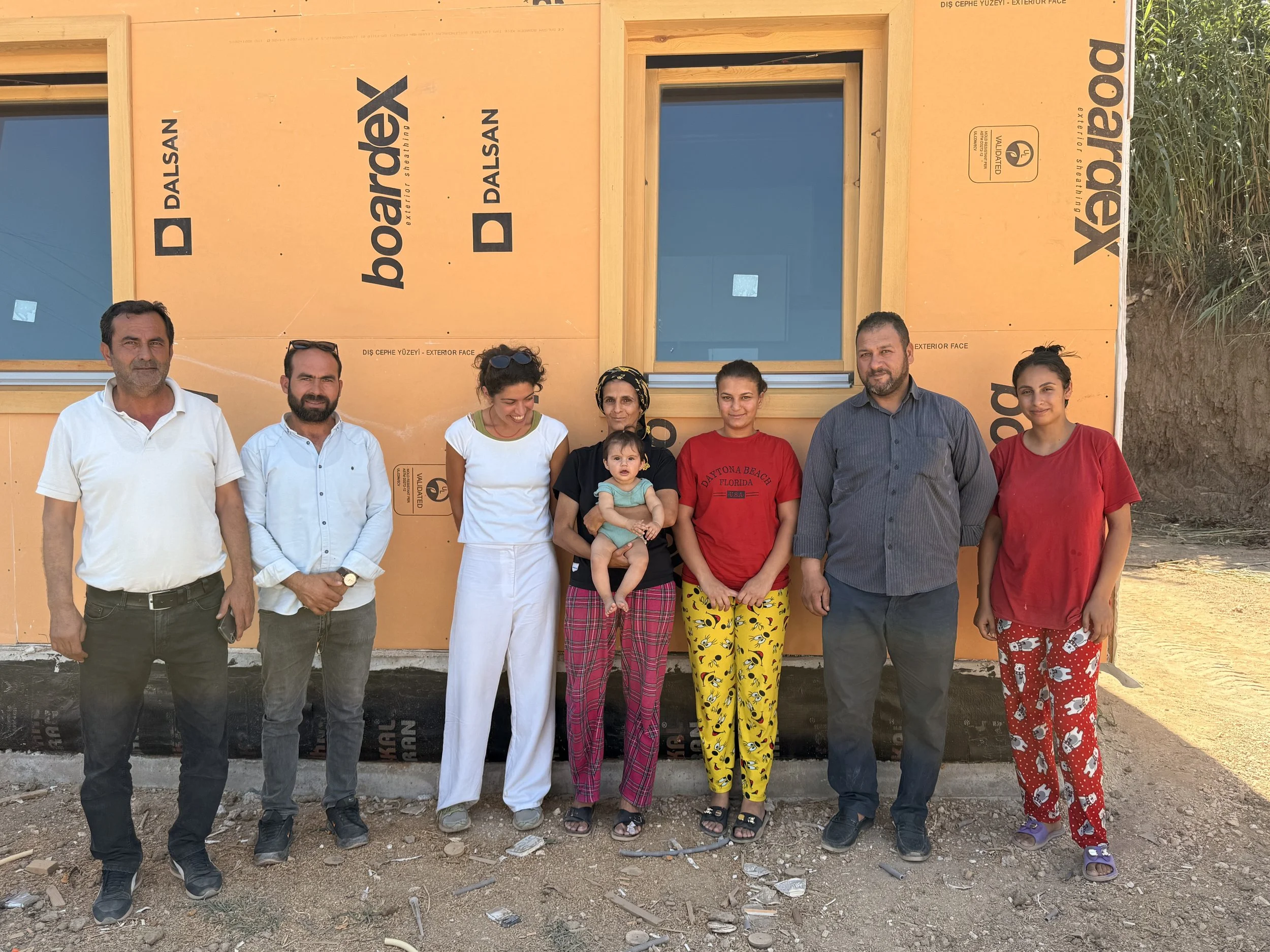
The ART team initiated a design using affordable modular materials, built a network, and began to build a prototype for a core unit for the new home with the help of many partners. They prioritized local materials and cultural considerations, and also brought new technologies through a collaborative approach to ensure their plans were realistic and practical. Ultimately, their design led to the construction of a prefabricated unit which was transported from the Netherlands, where the surrounding rooms were built onsite. The following images show this prototype and process as well as the onsite construction of the family’s new home around the core unit.
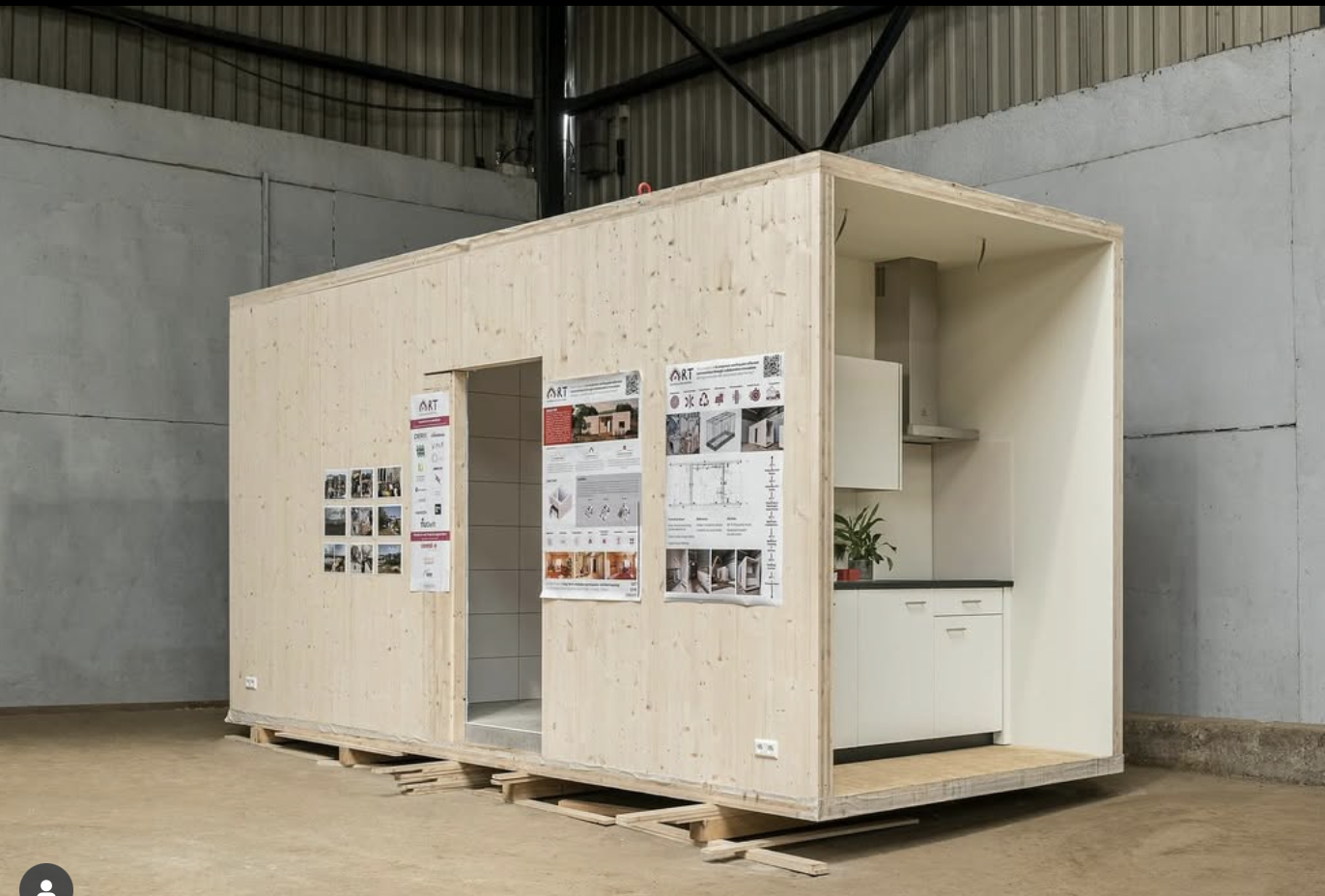
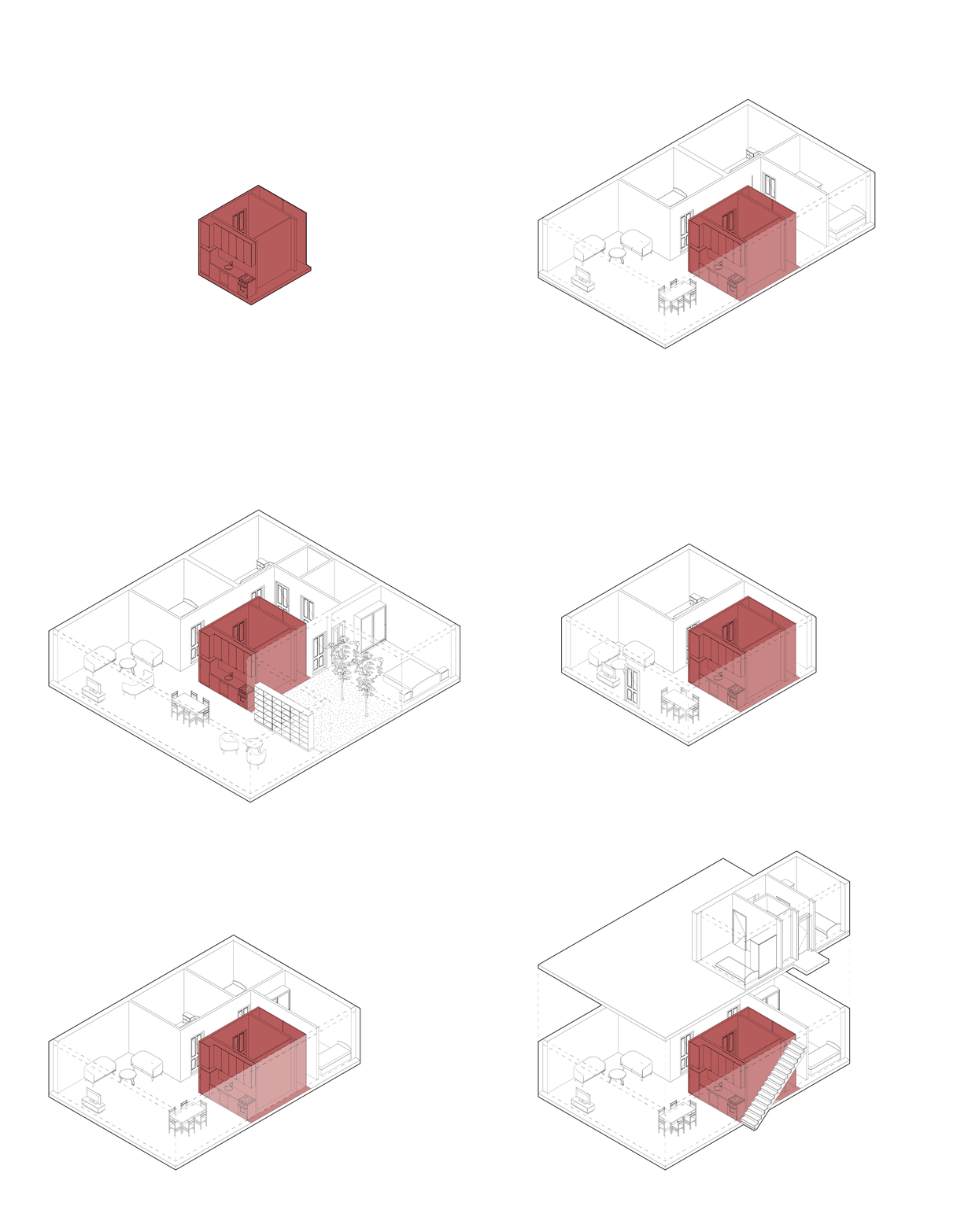
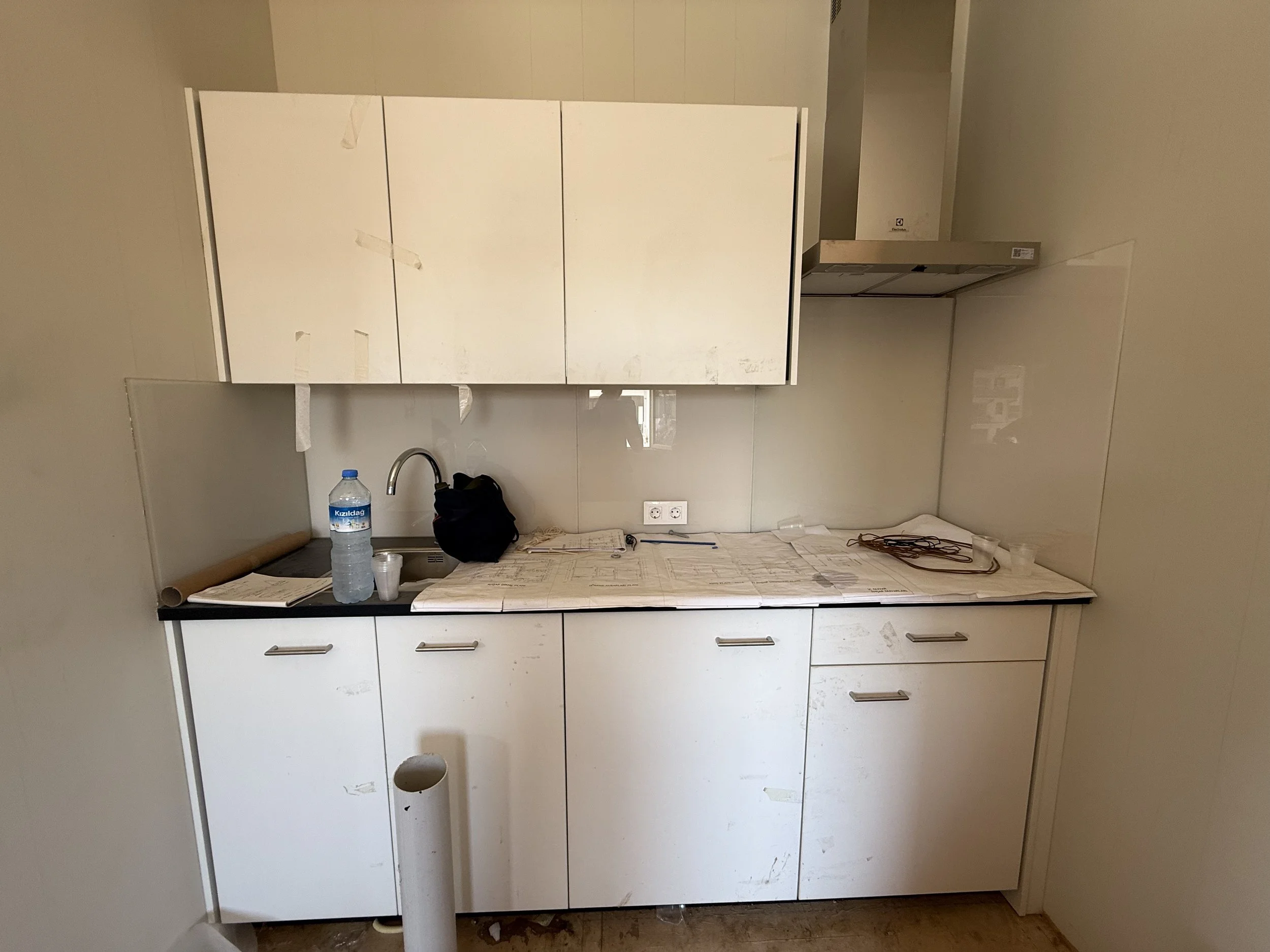
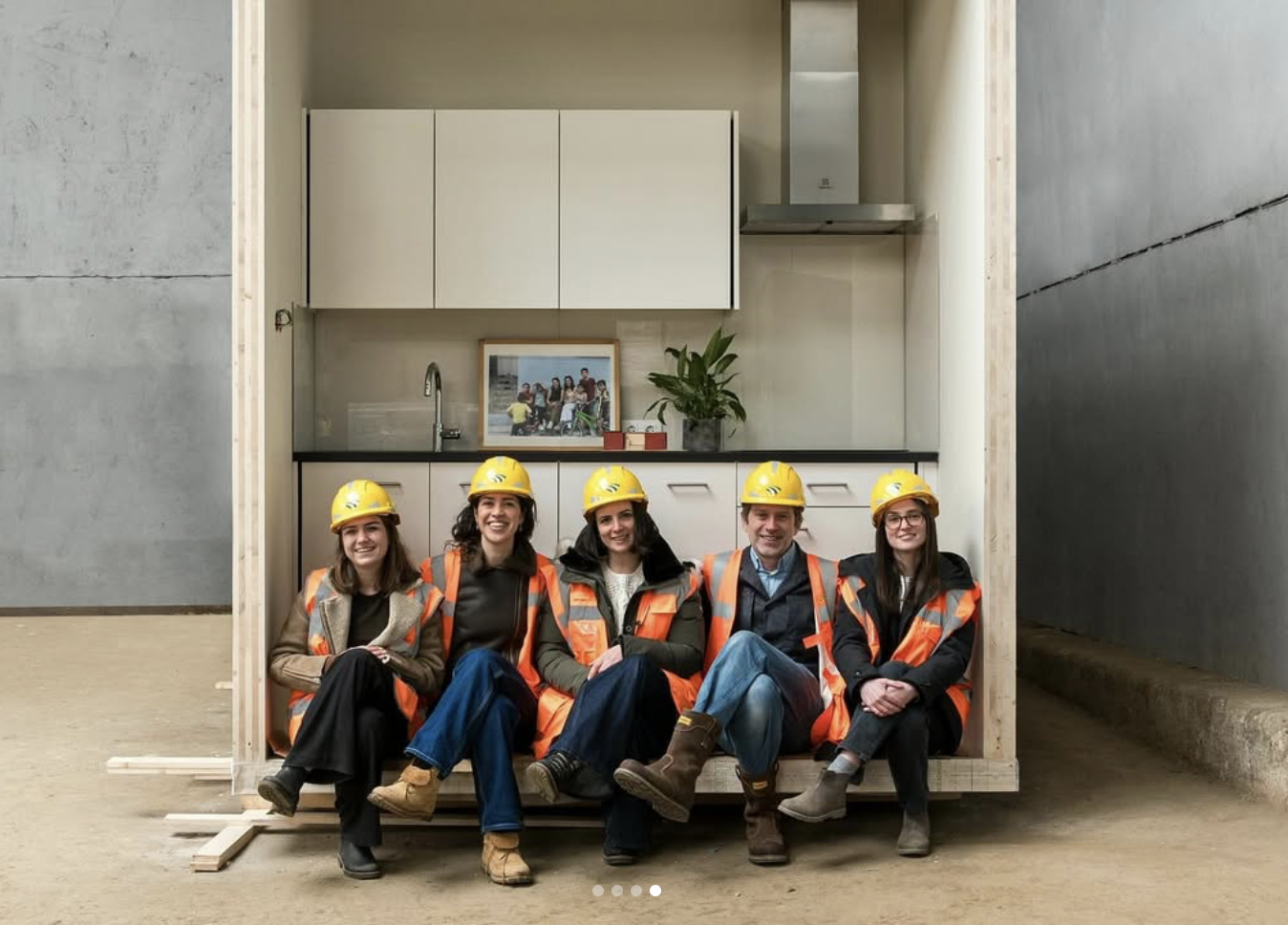
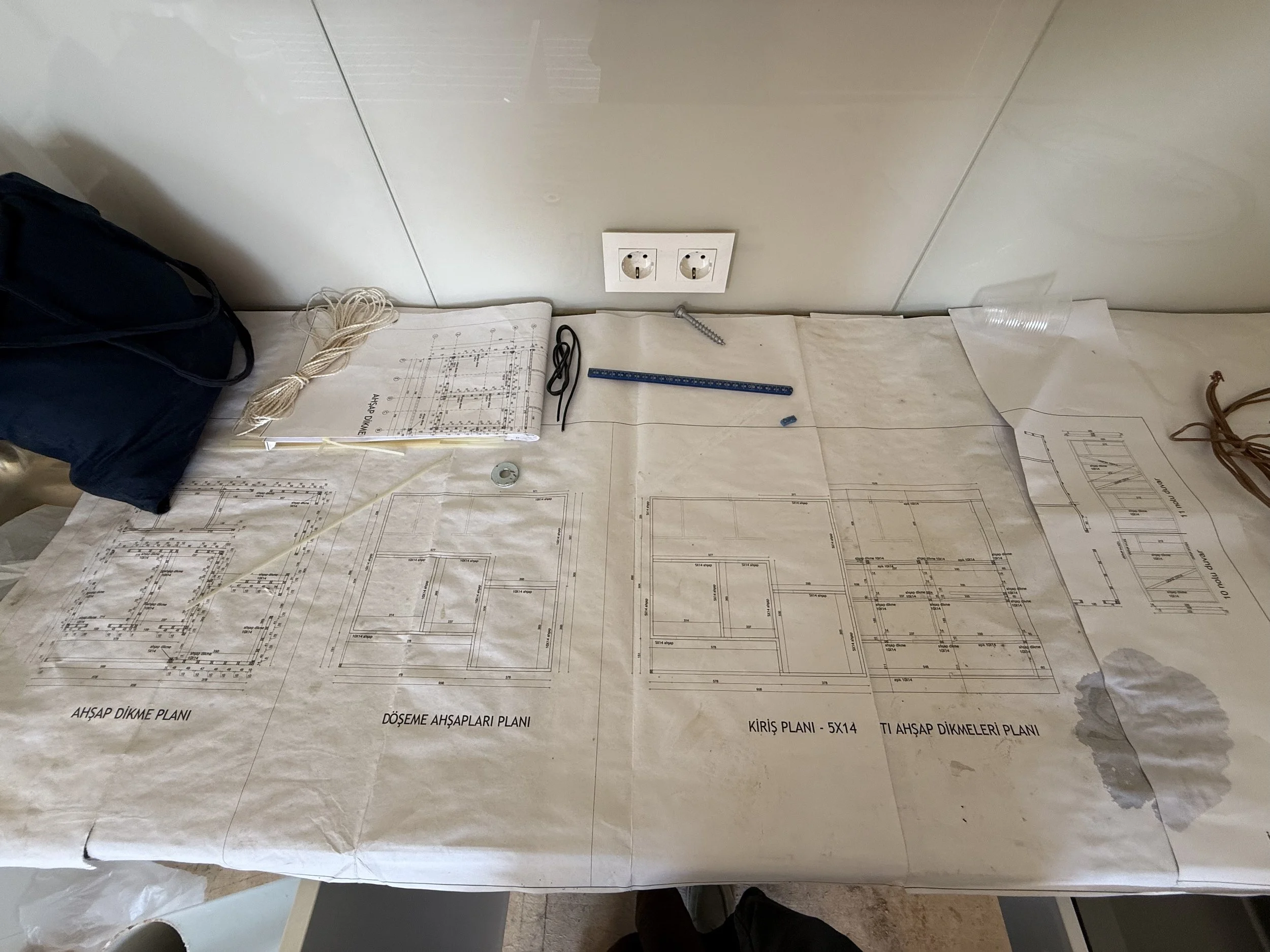
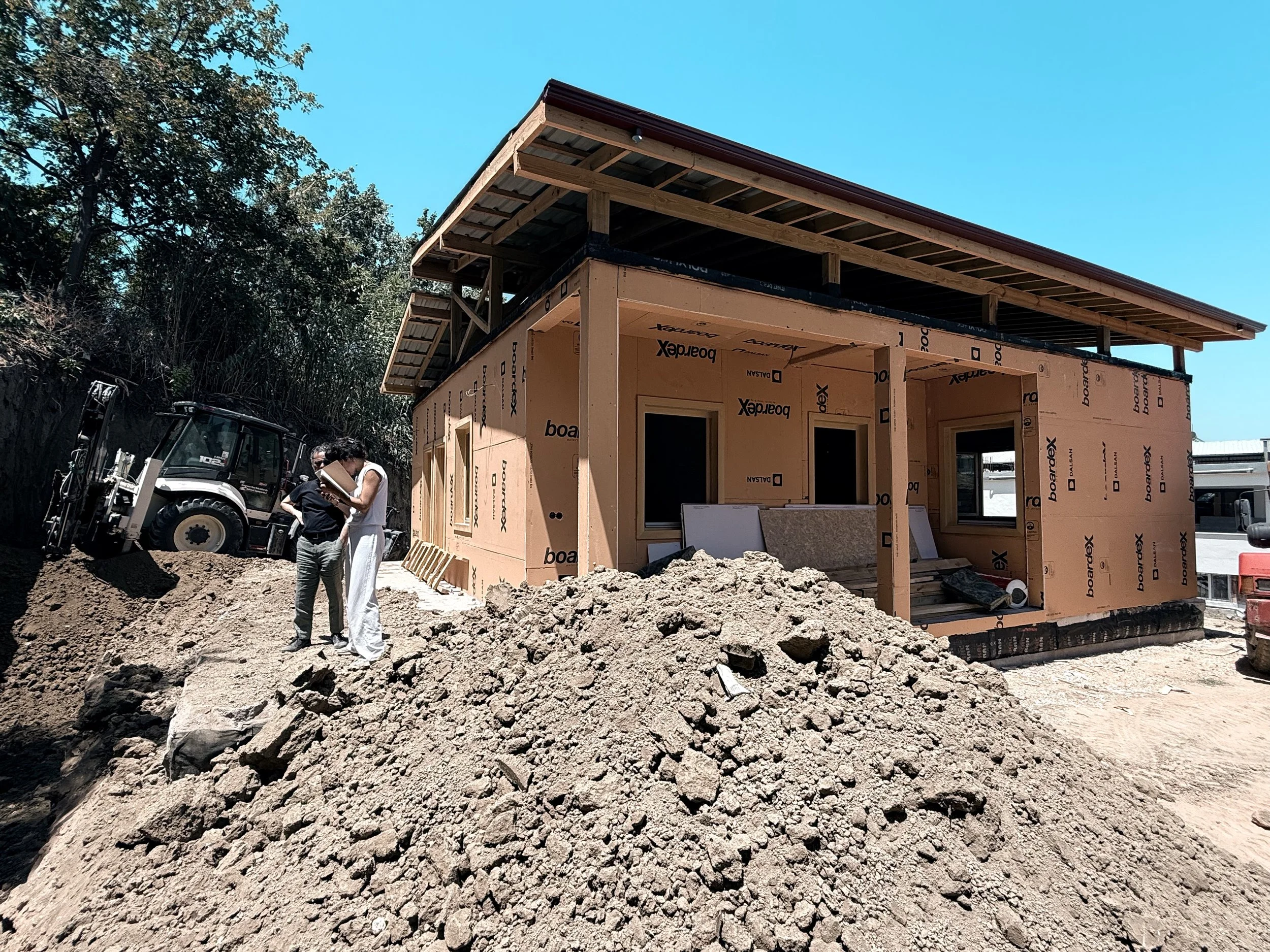
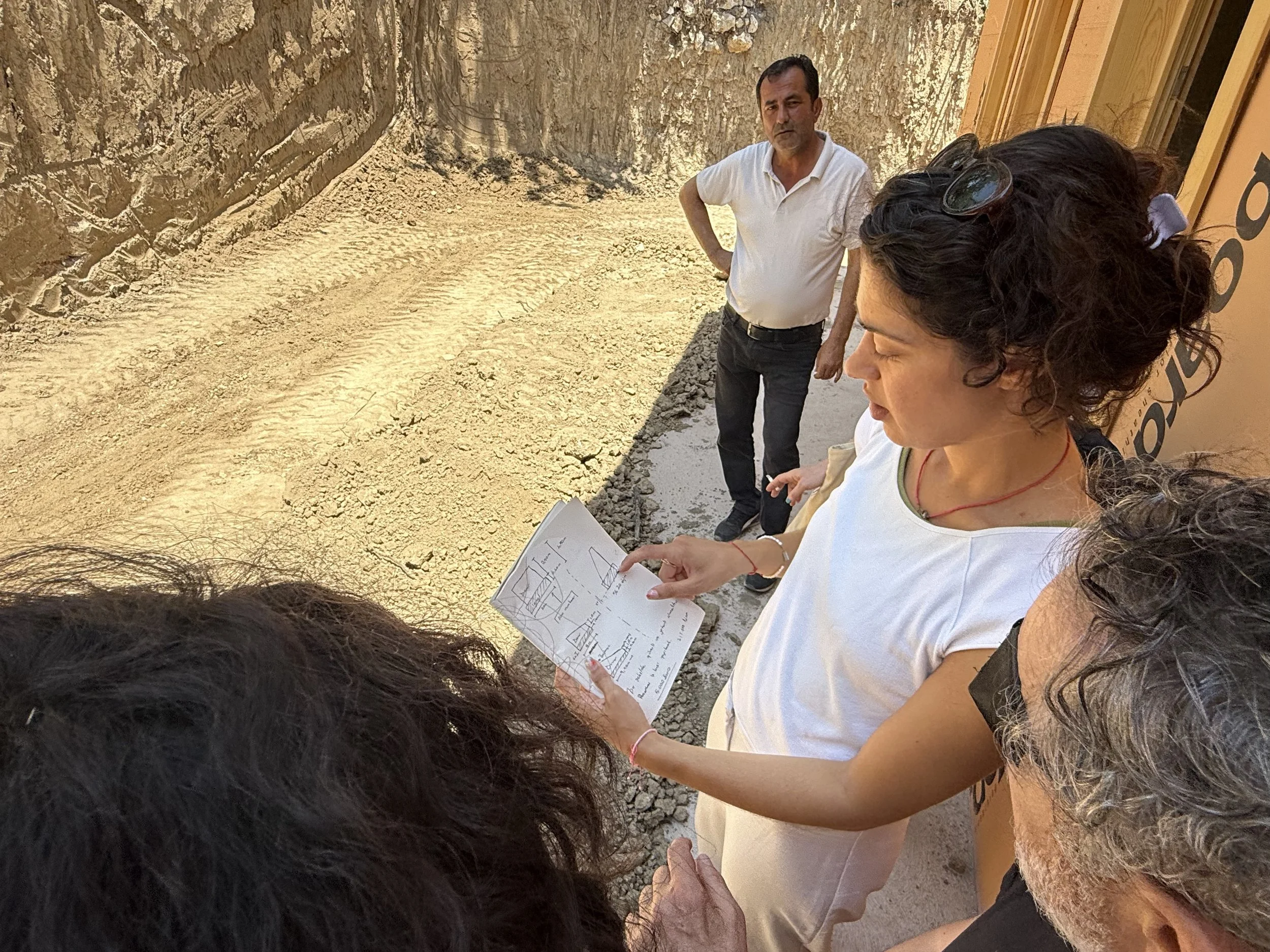
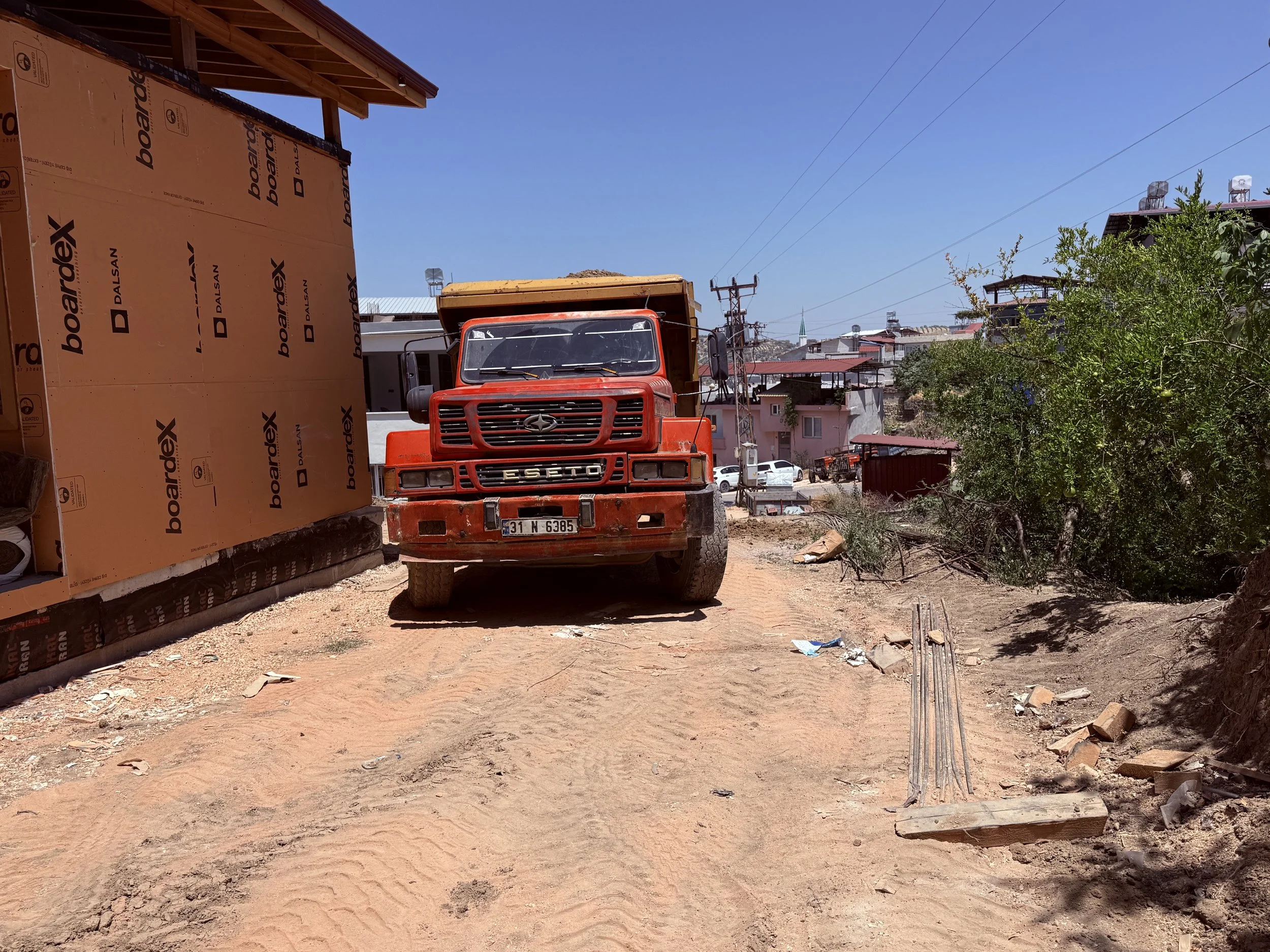
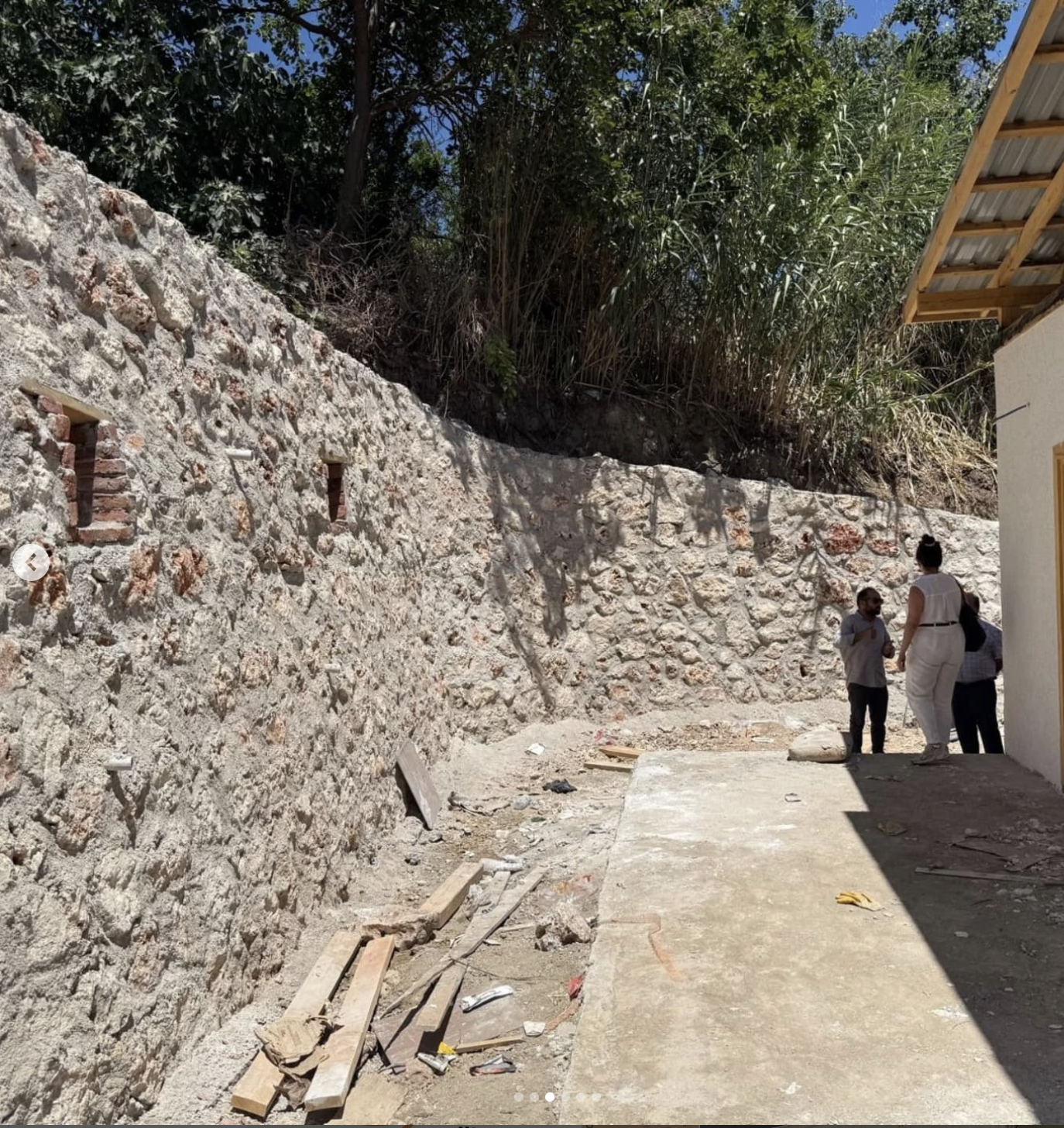
Through a close relationship with the muhtar of the district of Karsu, Hatay, Mehmet Okutan, and other collaborators, ART developed the prototype for a very poor family who had lost their home from the earthquakes. ART’s members wanted the family to be as much a part of the process as possible; in essence, no one saw this house as a gift. This was an important point for the ART team- prefabrication as a whole project would not work as well. Giving something less completed to the family allows them to become part of the home’s process in the first steps, but also later on as the family’s needs and wishes change.
A muhtar, also spelled mukhtar, is a term referring to the elected head of a village or neighborhood in Turkey. In essence, the muhtar acts as the local leader and administrator, responsible for various tasks related to public health, education, security, communication, record-keeping, and representing the community's interests. The position has historical roots in the Ottoman Empire and is not politically affiliated (political parties are not allowed to nominate candidates).
ART’s team is working to apply the lessons they have learned internationally. The team’s approach is from an architectural engineering perspective, considering each crisis site’s unique geographical, political, cultural, and social aspects. Their ultimate goal is to provide solutions for long-term buildings that can withstand extreme situations, significantly impacting the lives of those affected by natural disasters.
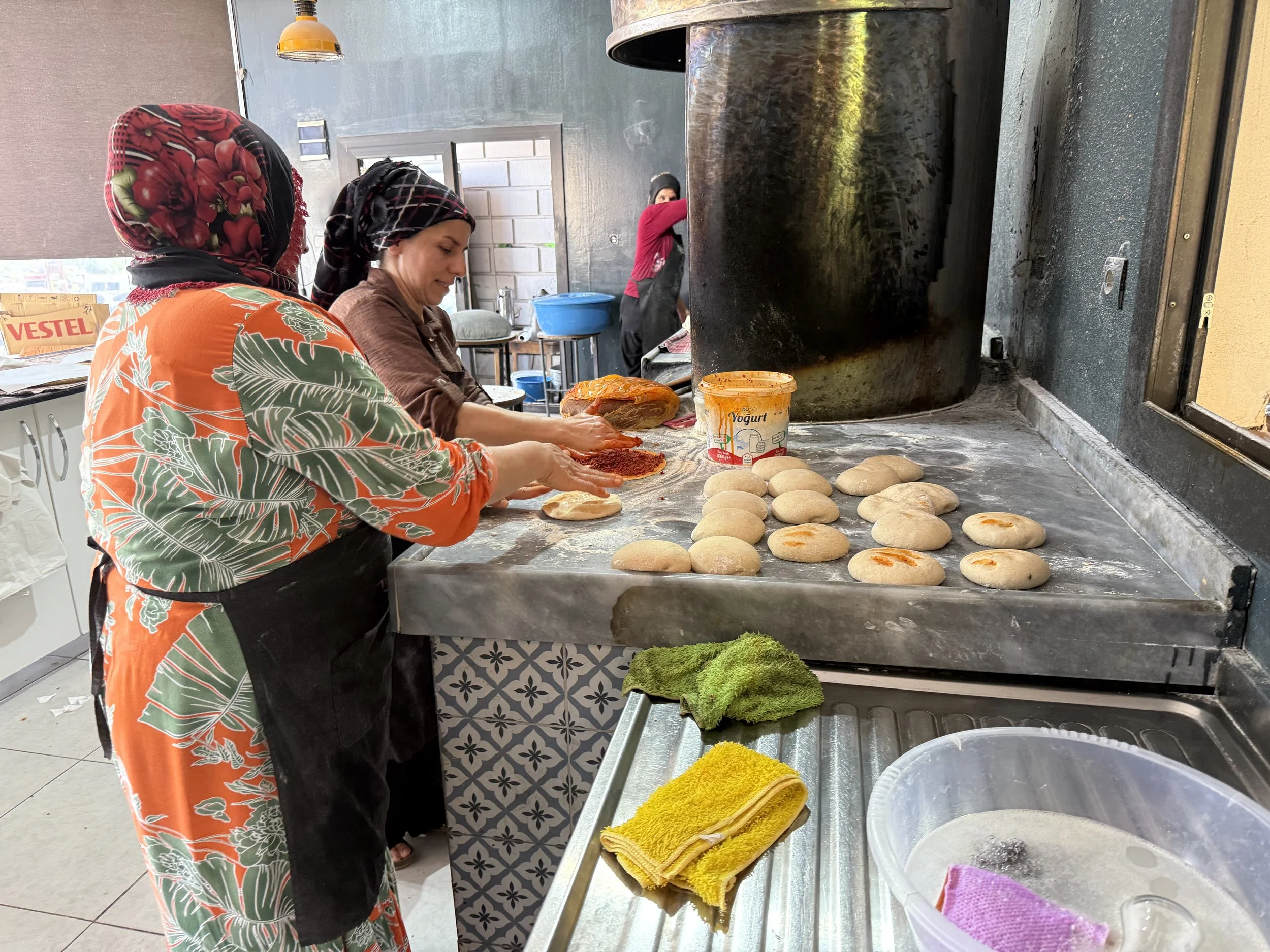
Locally in Turkey, the ART team has many partners in the region they trust, and they continue to encourage their friends and colleagues in the Netherlands to volunteer or donate to these NGOs or collectives who support other community-based efforts, including ecological agriculture, women-based food production and distribution in markets and stores, and distribution of essential supplies.