
Arsuz, Hatay
Füsun Sayek Association for the Development of Health and Education
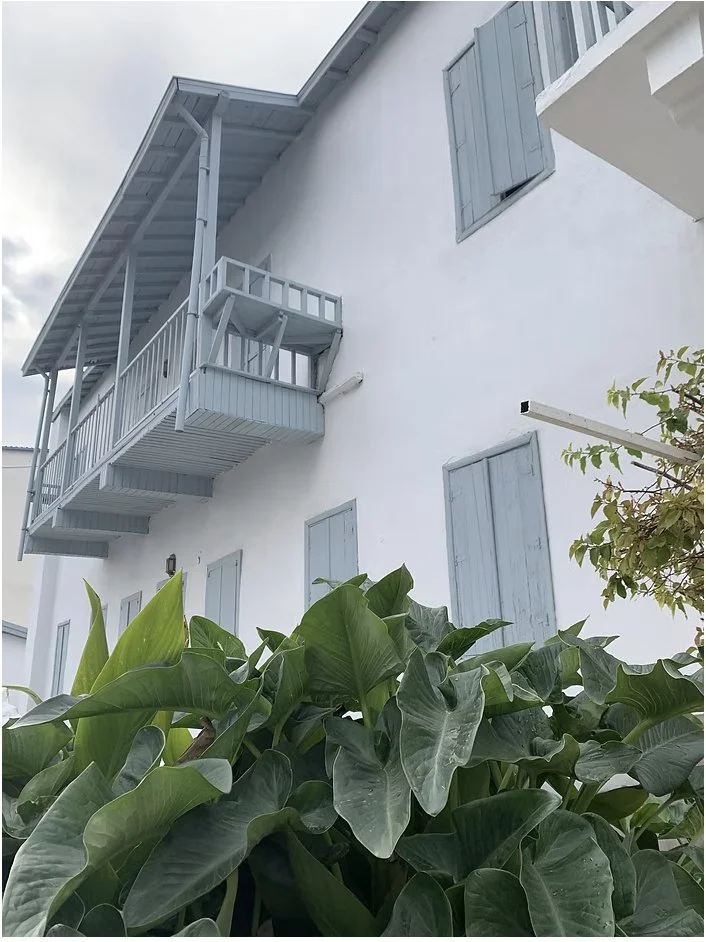
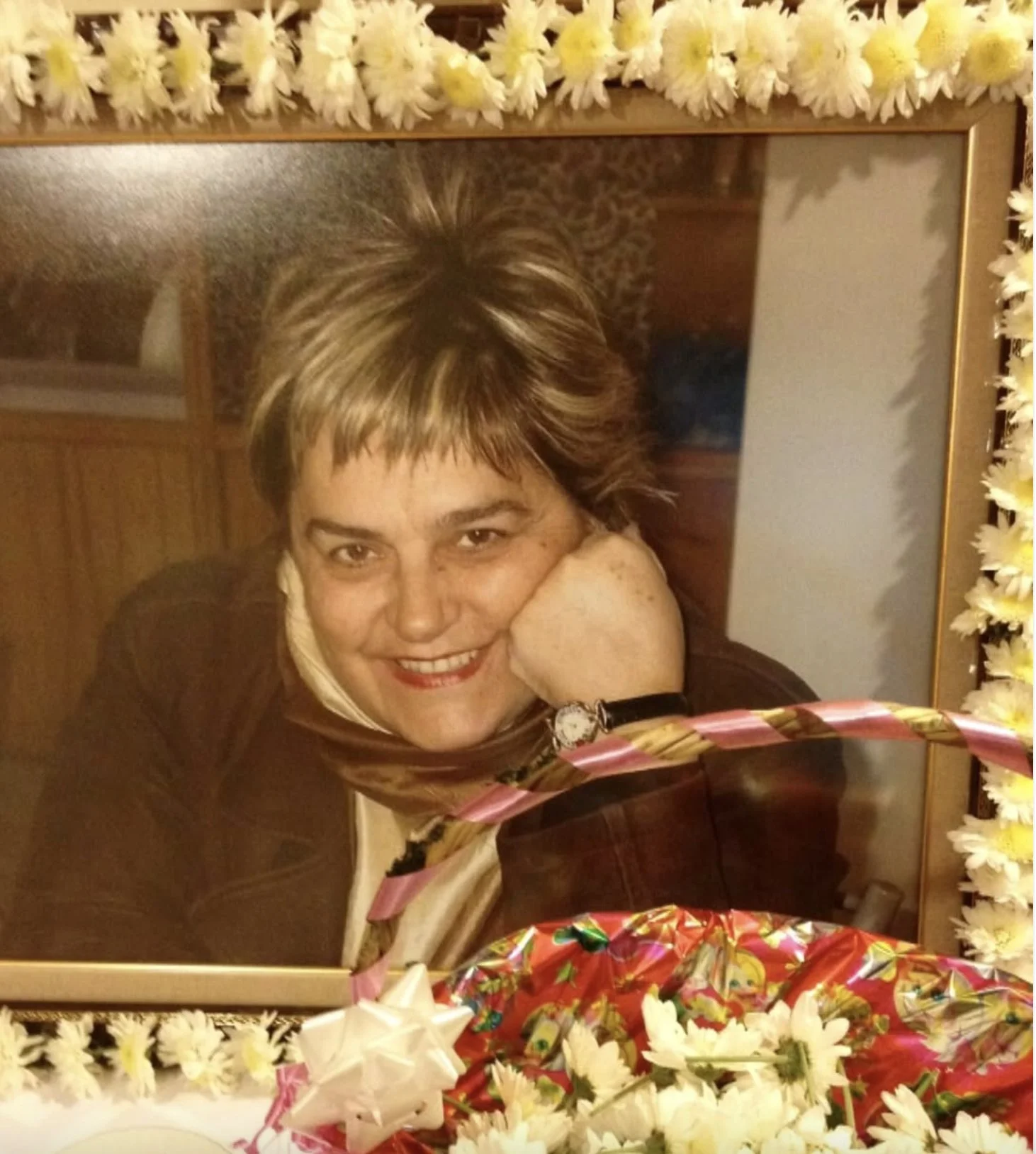
The Füsun Sayek Association’s Community Center in Arsuz, Hatay offers a safe space for all ages to find solace and peace, especially in the wake of Turkey’s 2023 earthquakes. Since 2007, this foundation, formed as a tribute to Füsun Sayek, a pioneering Turkish doctor and former president of the Turkish Medical Association, has organized health, cultural and social activities, free health screenings (on topics such as breast cancer), educational workshops, talks, and performances, particularly focusing on women and children.
During the earthquakes, Füsun Sayek Association’s historical buildings collapsed. Images of these damaged structures are also below. However, with the support of the Arsuz municipality, non-profits, civil society organizations, community members, local weavers and producers (such as Defne & Apollon), and funding partners such as Turkish Philanthropy Funds, Turkey Mozaik, and Sivil Toplum için Destek Vakfı (Support Foundation for Civil Society), Füsun Sayek built a new community center to rebuild connection and hope.
Image Credits: Füsun Sayek, ACHA
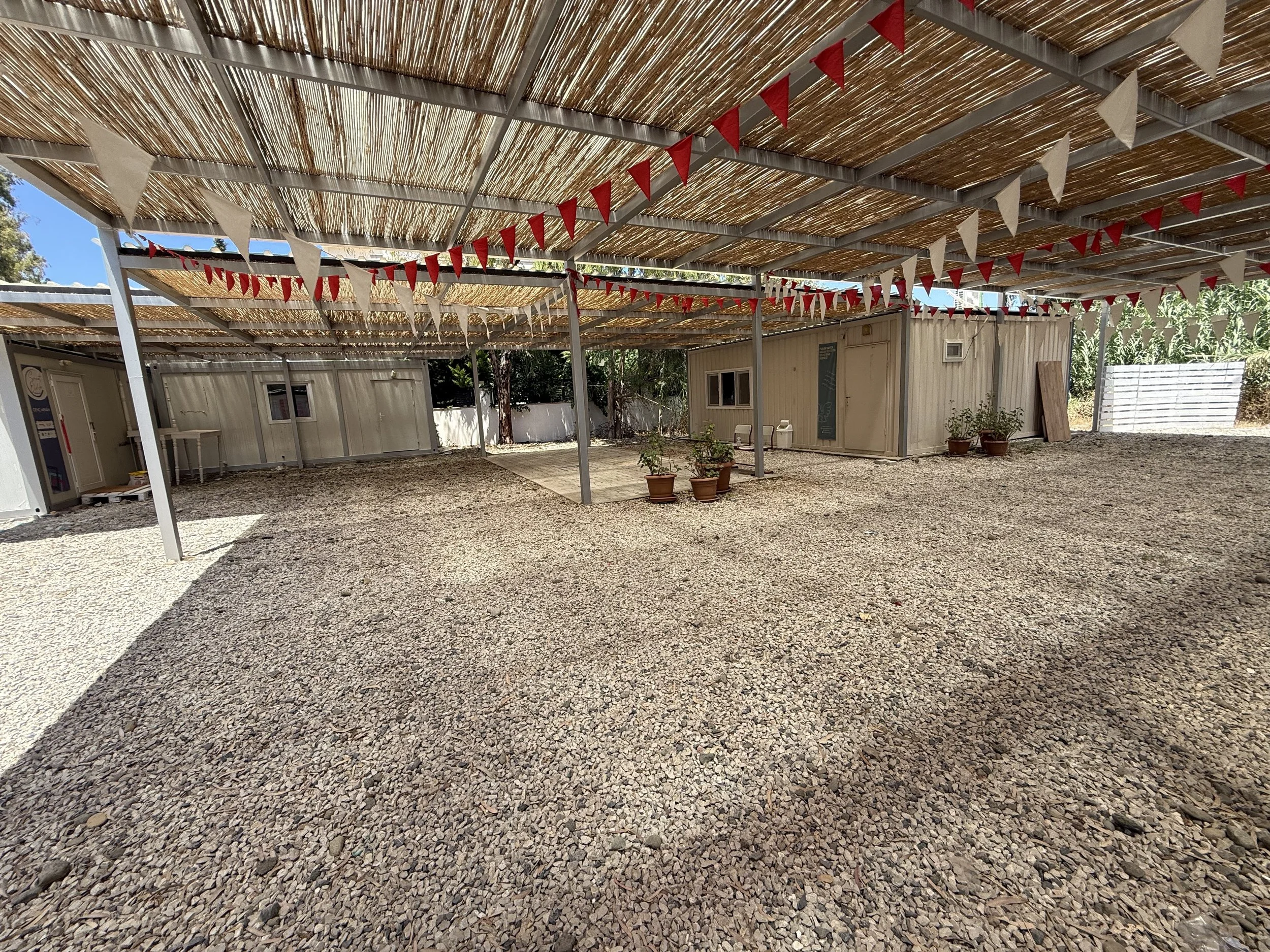
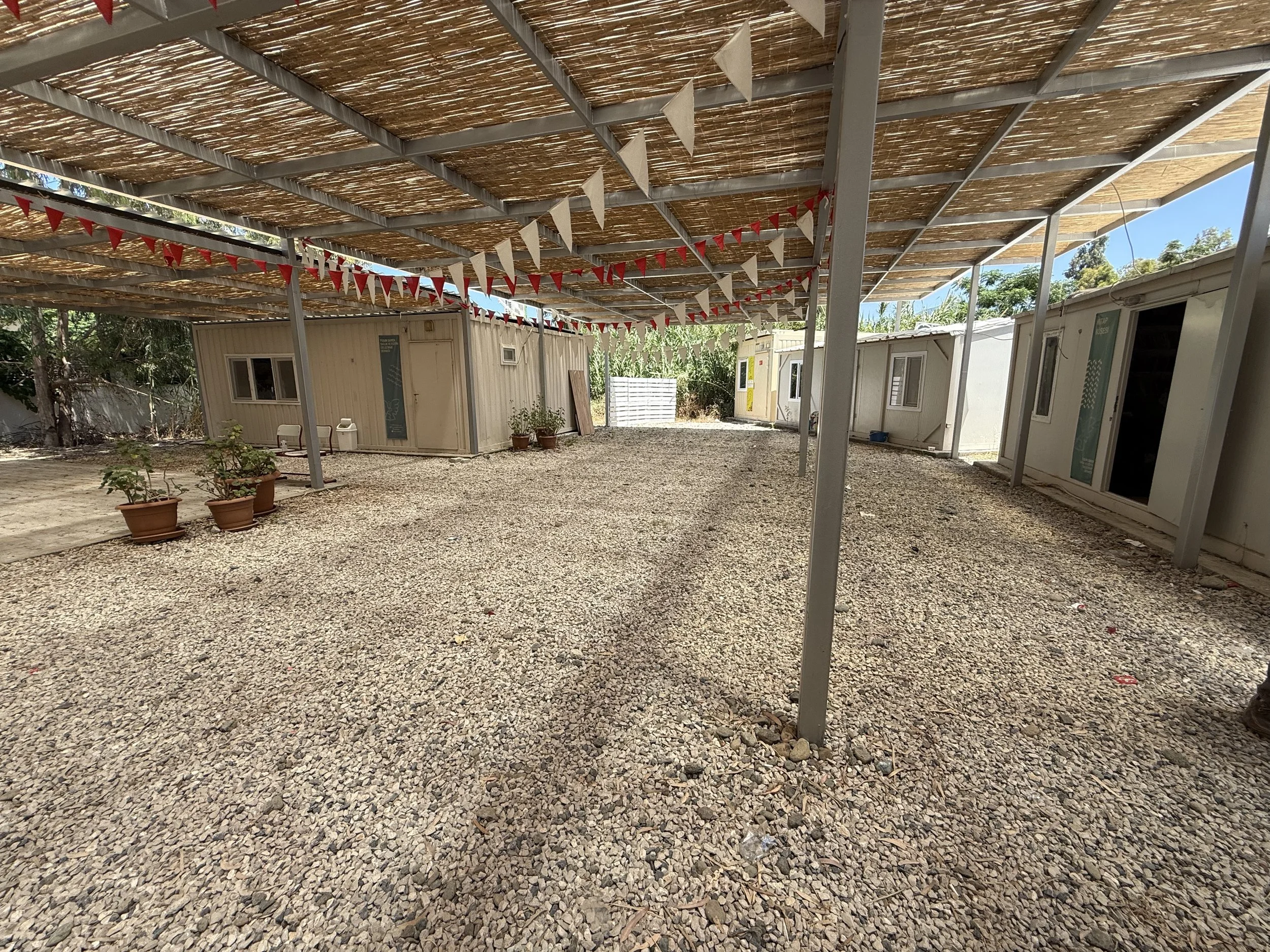
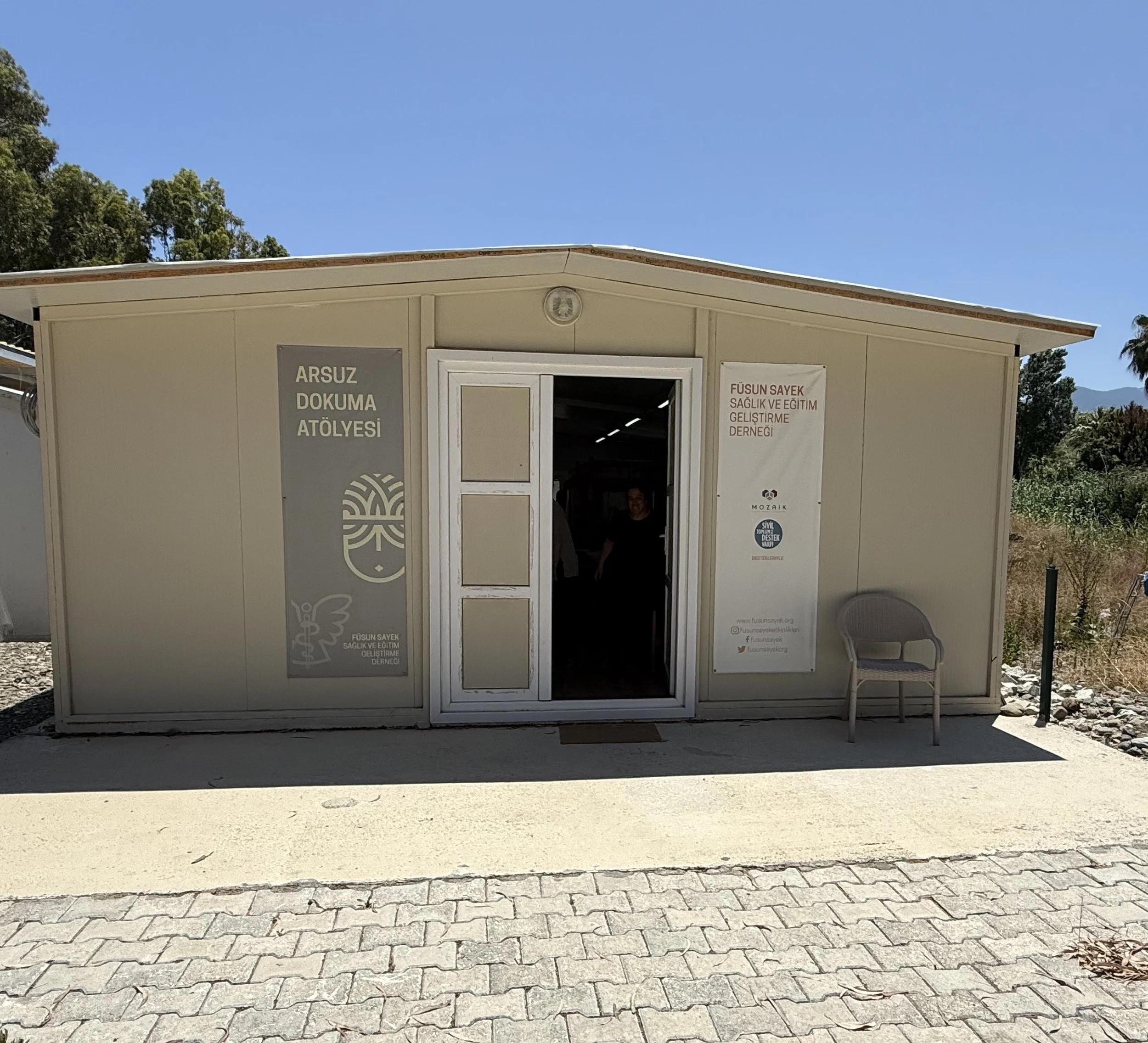
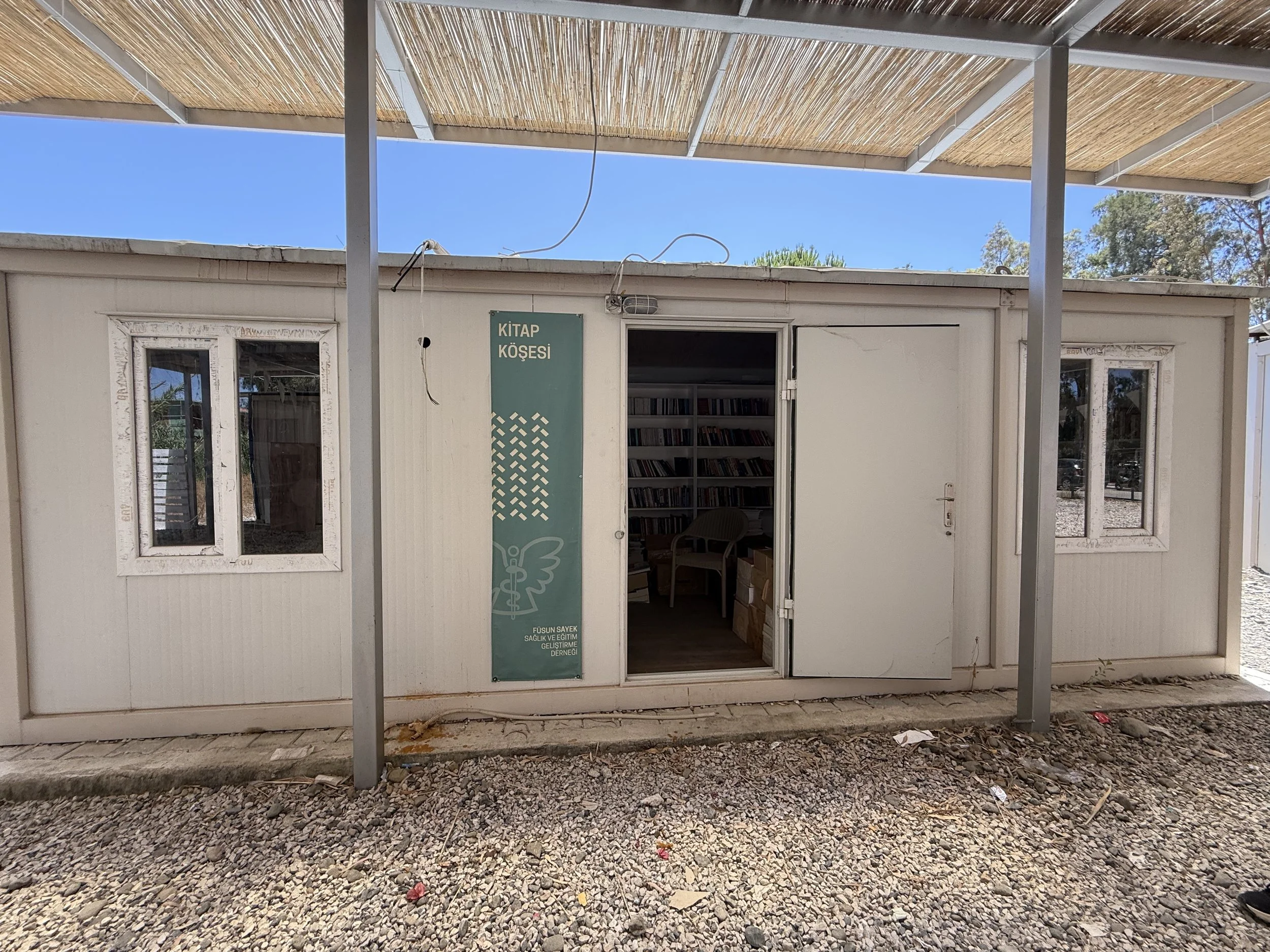
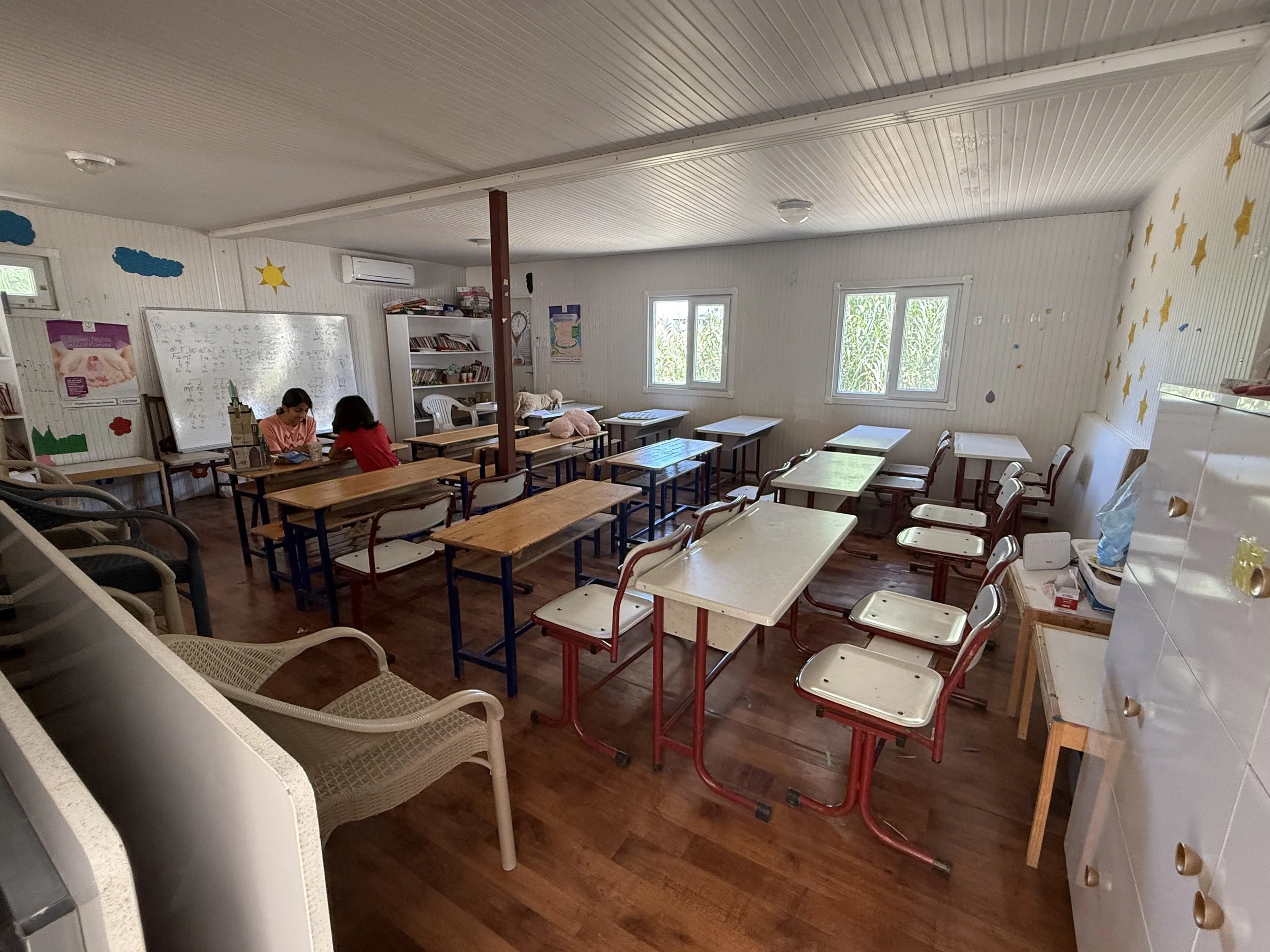
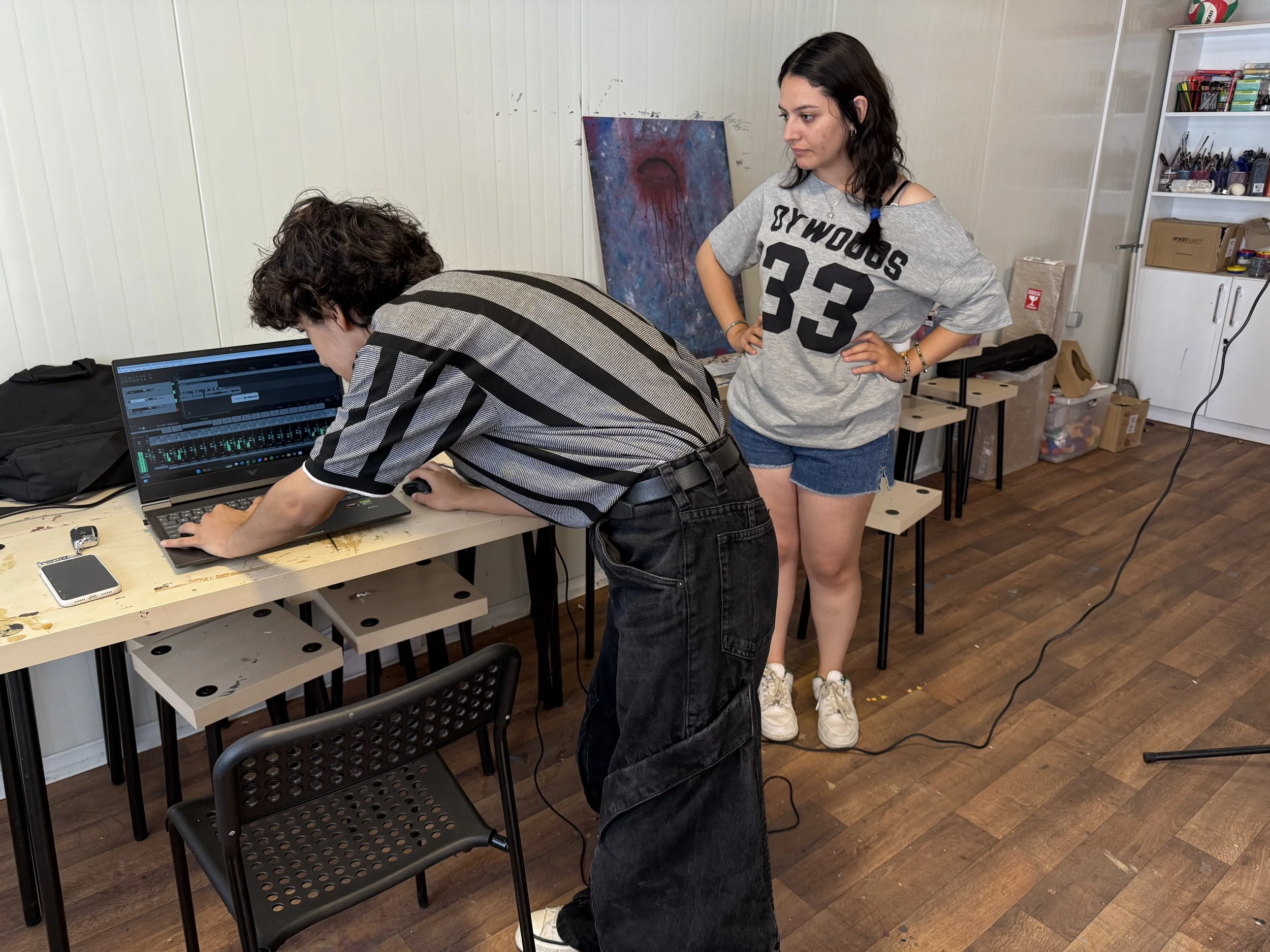
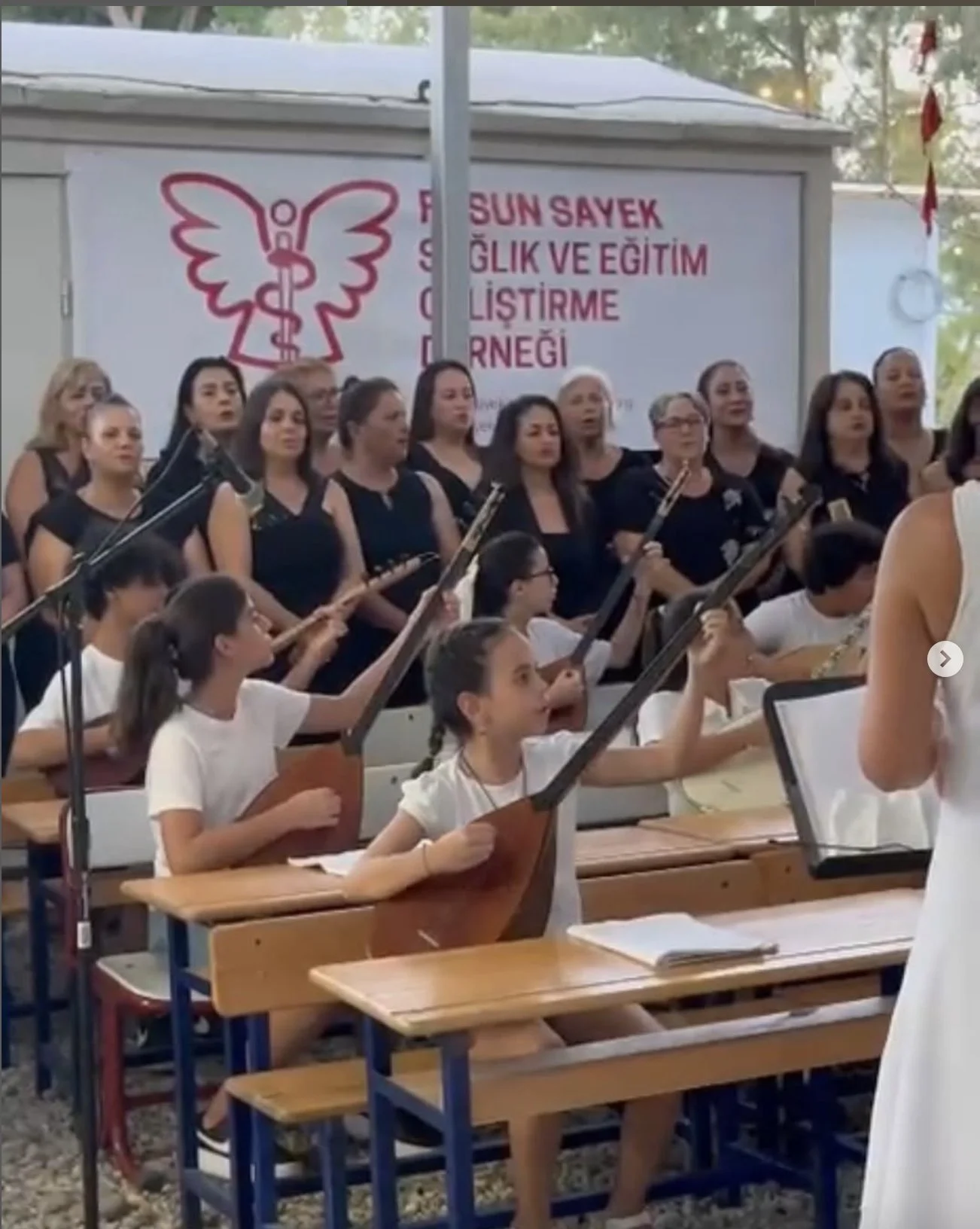
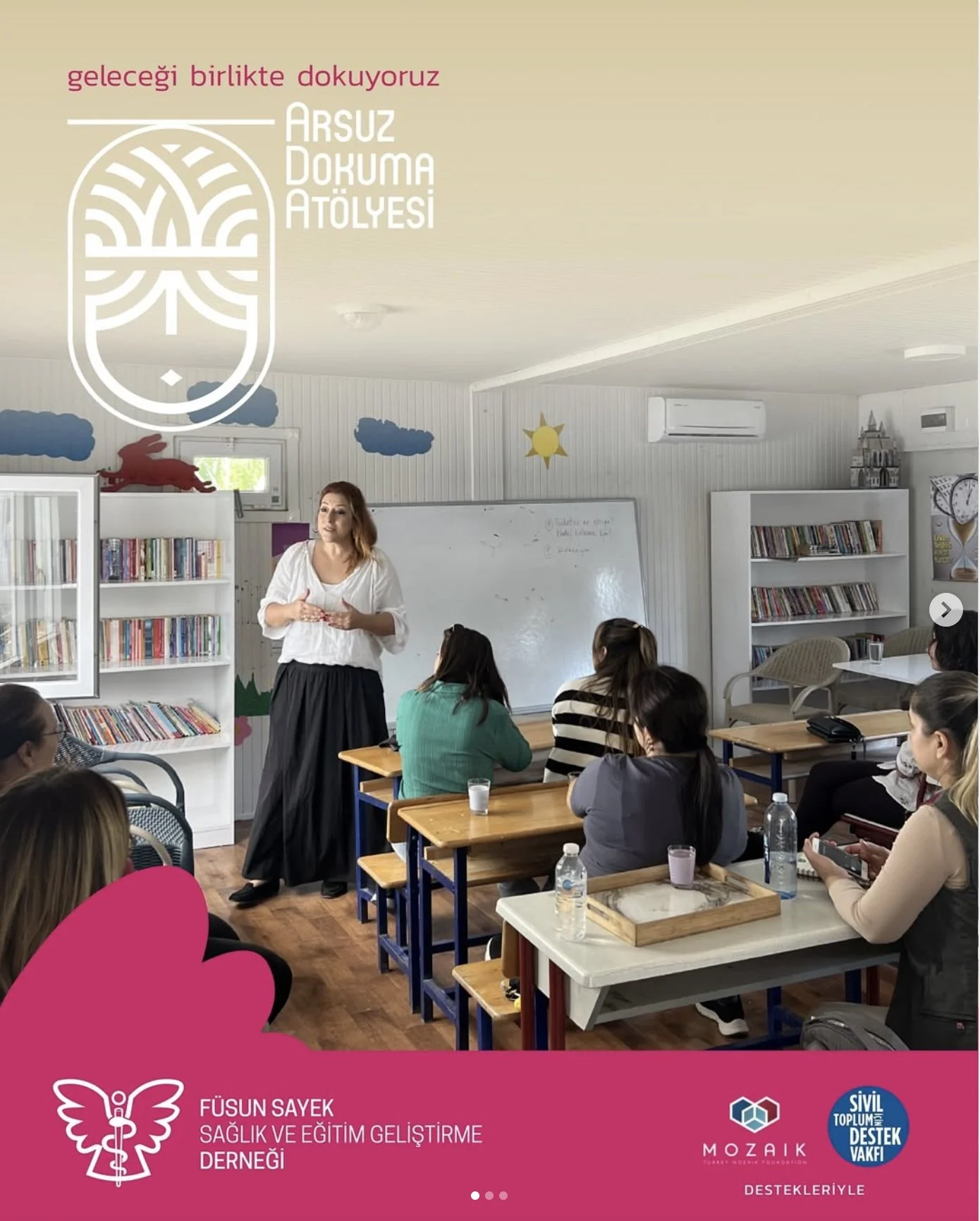
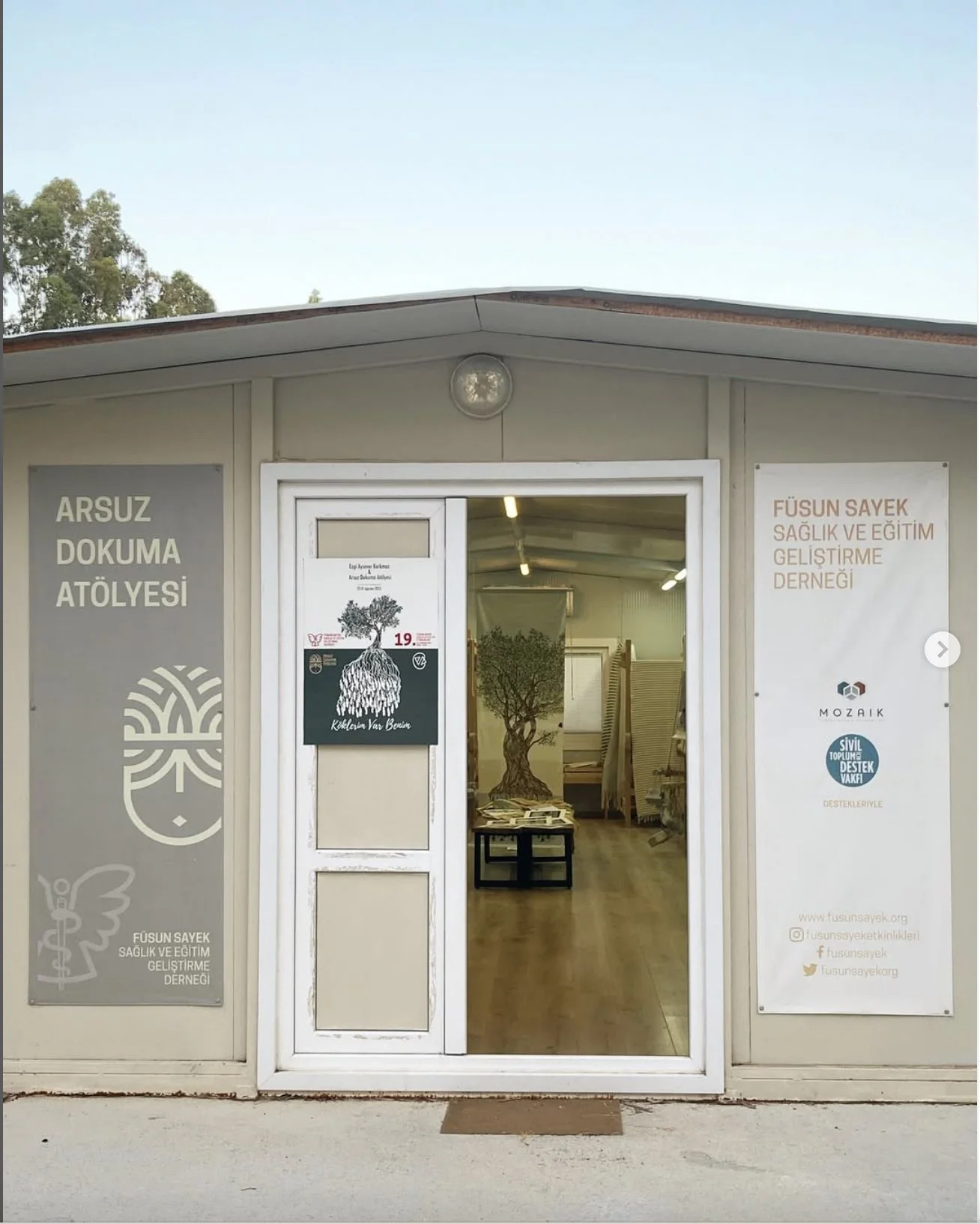
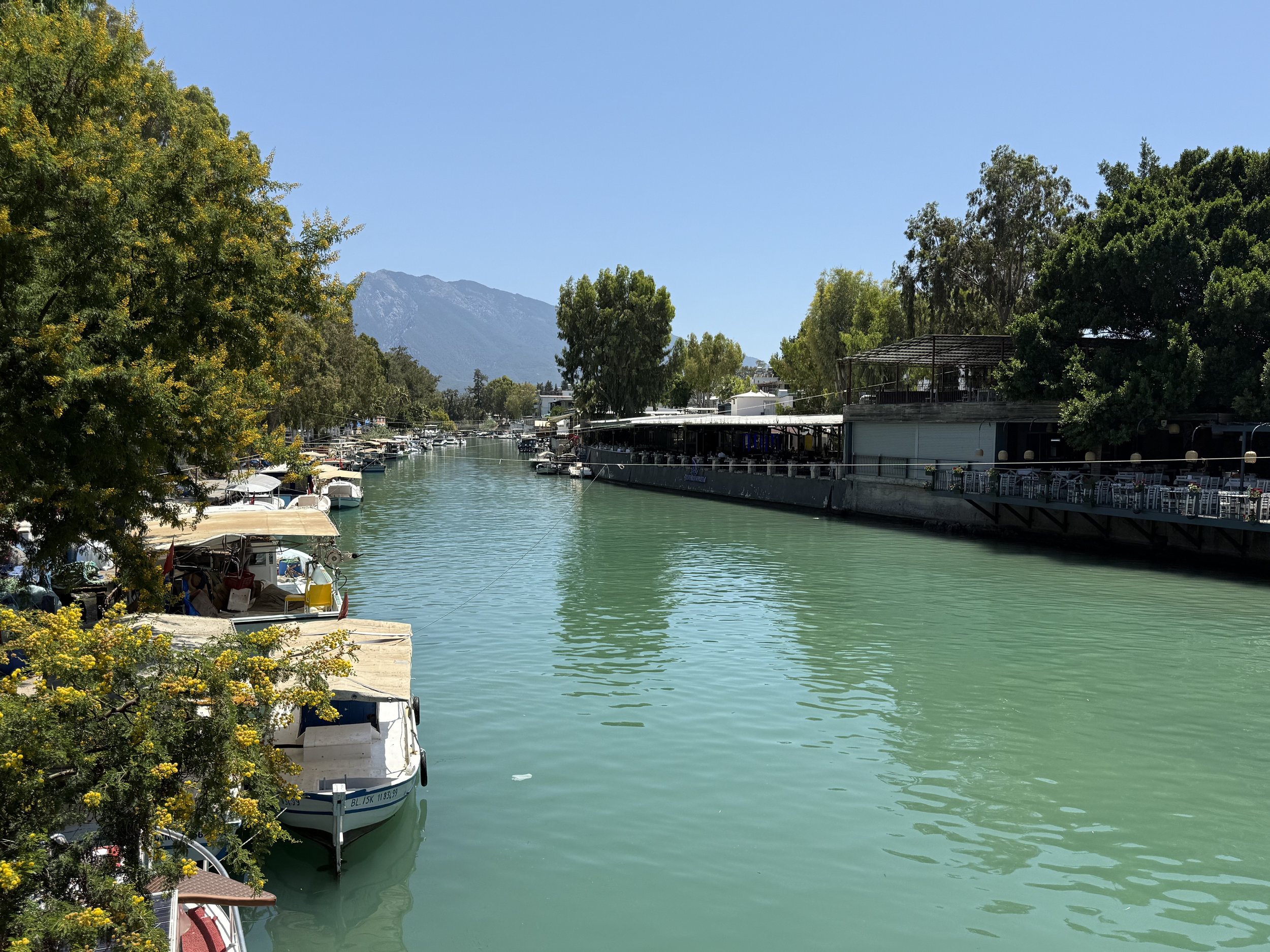
This is a community space where youth and residents of all ages can gather, many of whom still live in container settlements. The ACHA team visited in the summer and saw students spending time together in classrooms even though school was not in session, teenagers joyfully composing and performing music, and volunteers working in the library, music room, kitchen, and outdoor spaces.
This resilient hub is a vital multi-functional facility that supports a crisis-stricken community in its recovery efforts, where local residents can come together, share ideas, and participate in various community programs, including a women’s weaving workshop.
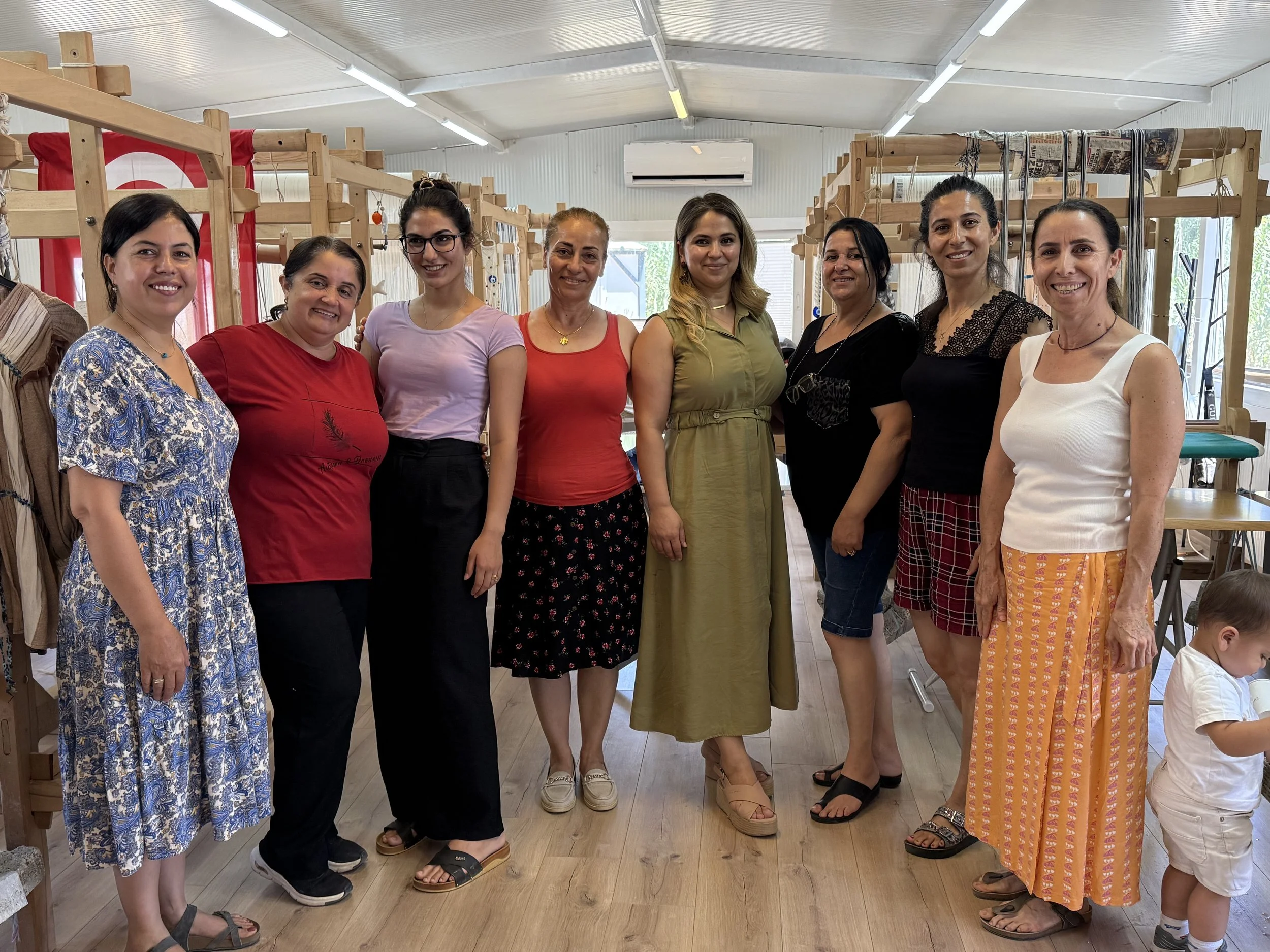
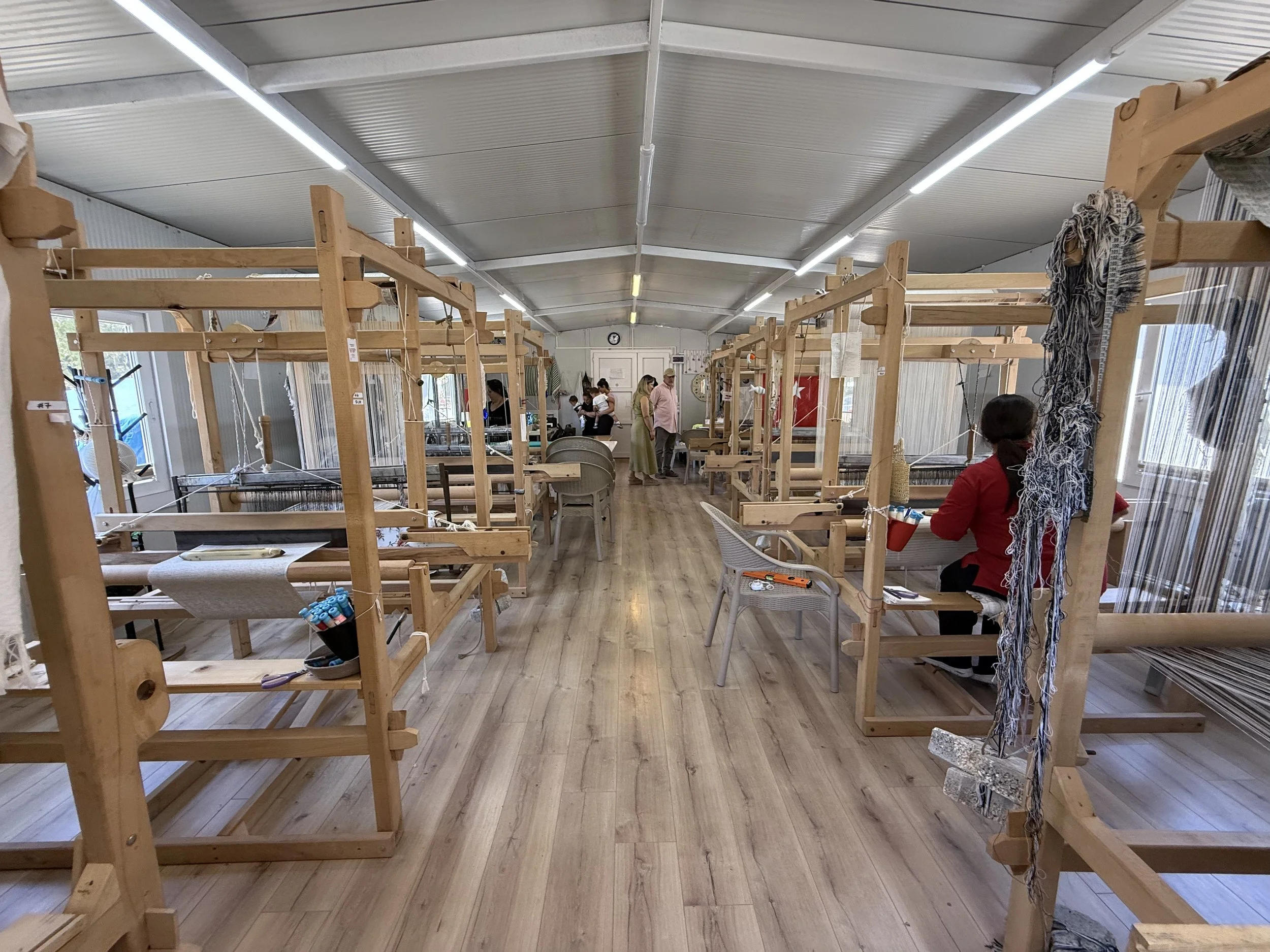
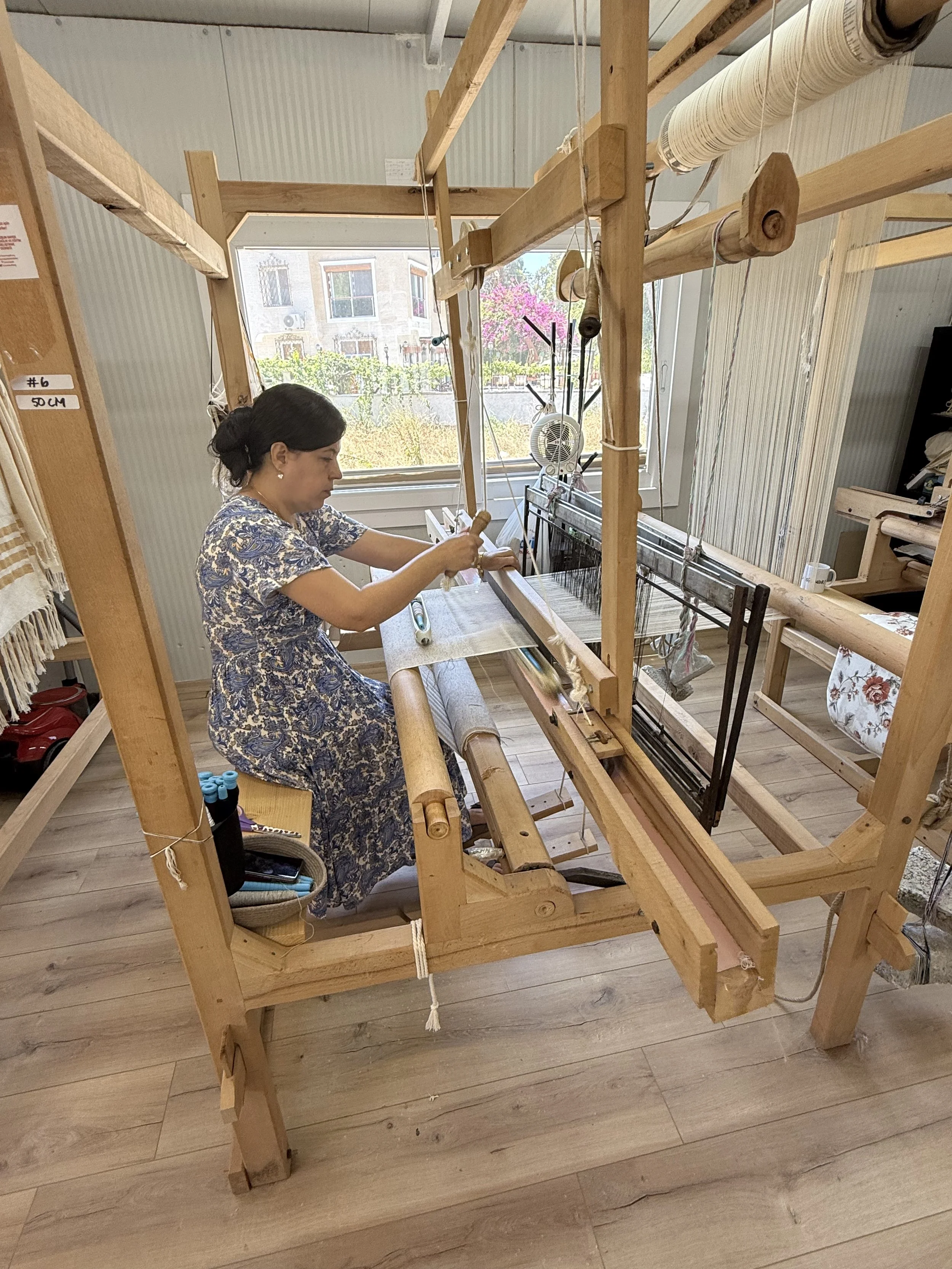
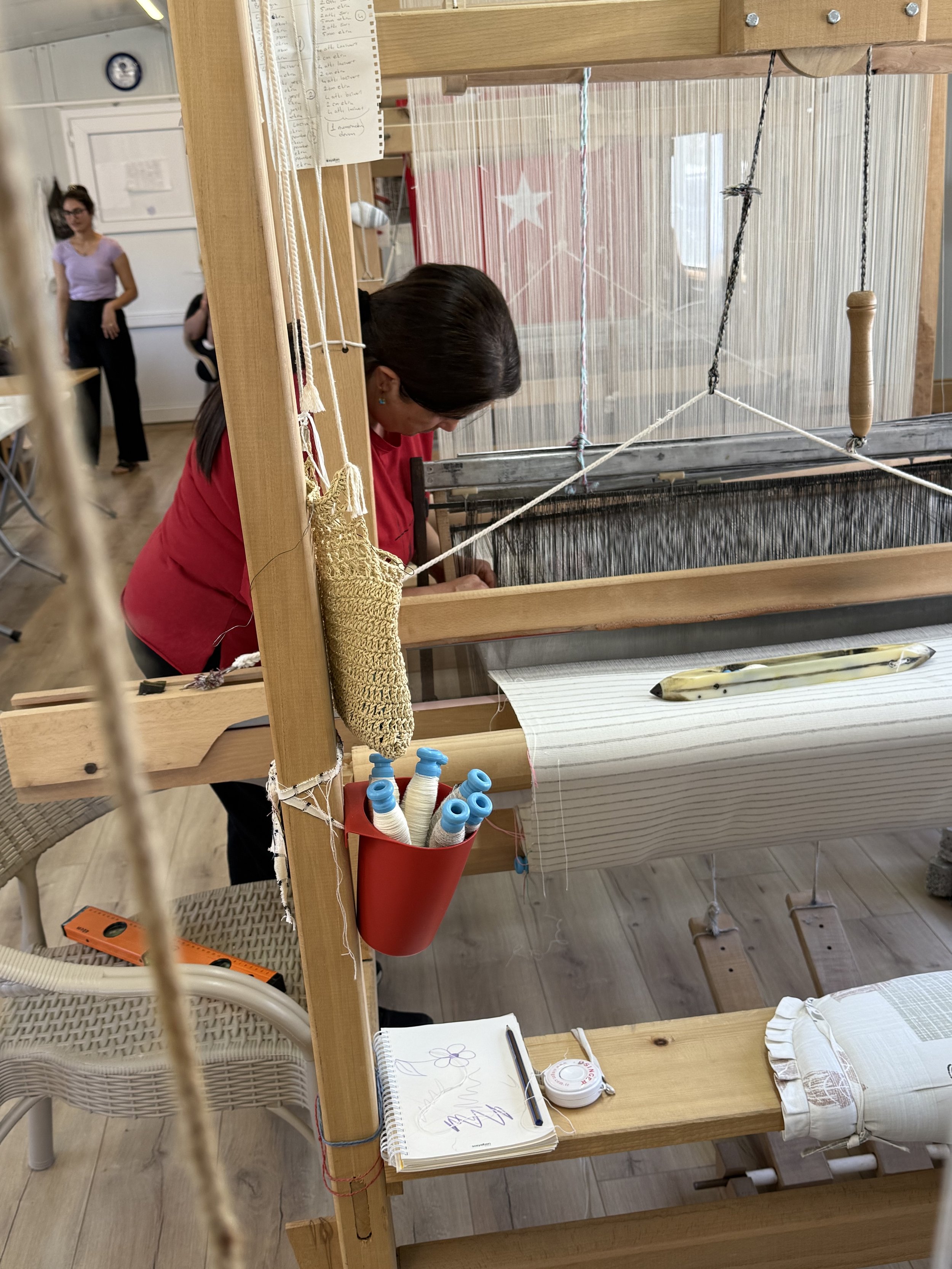
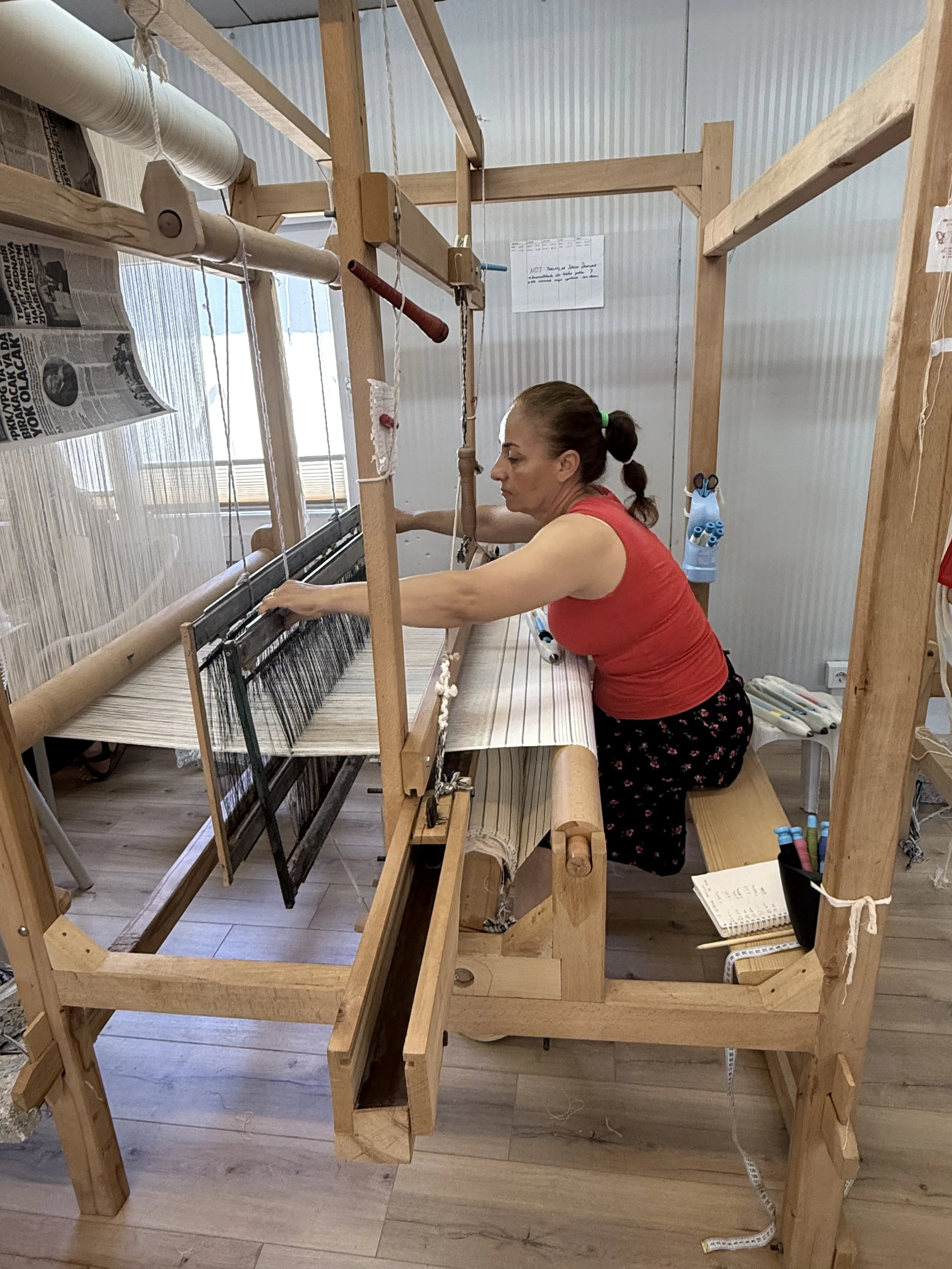
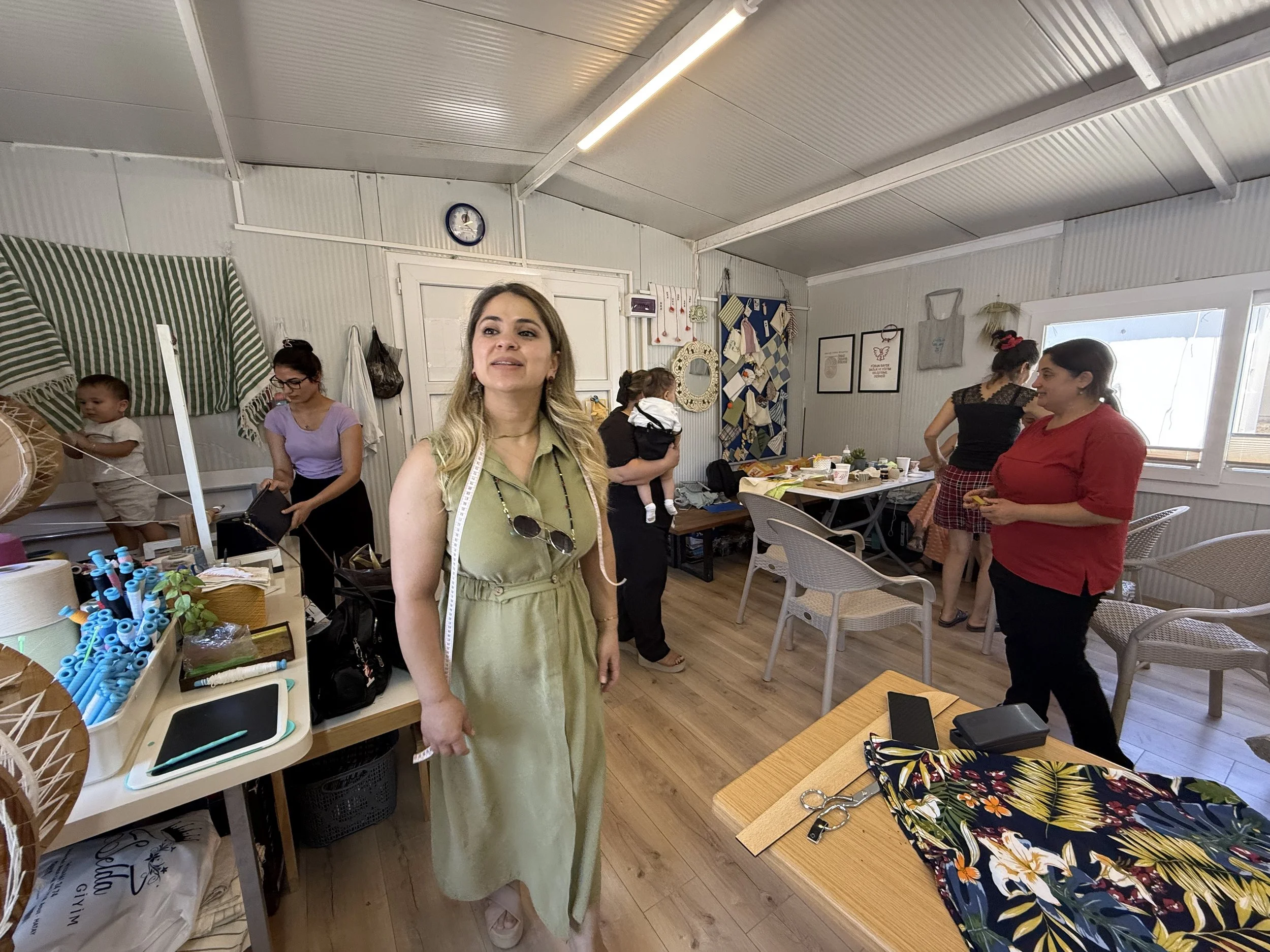
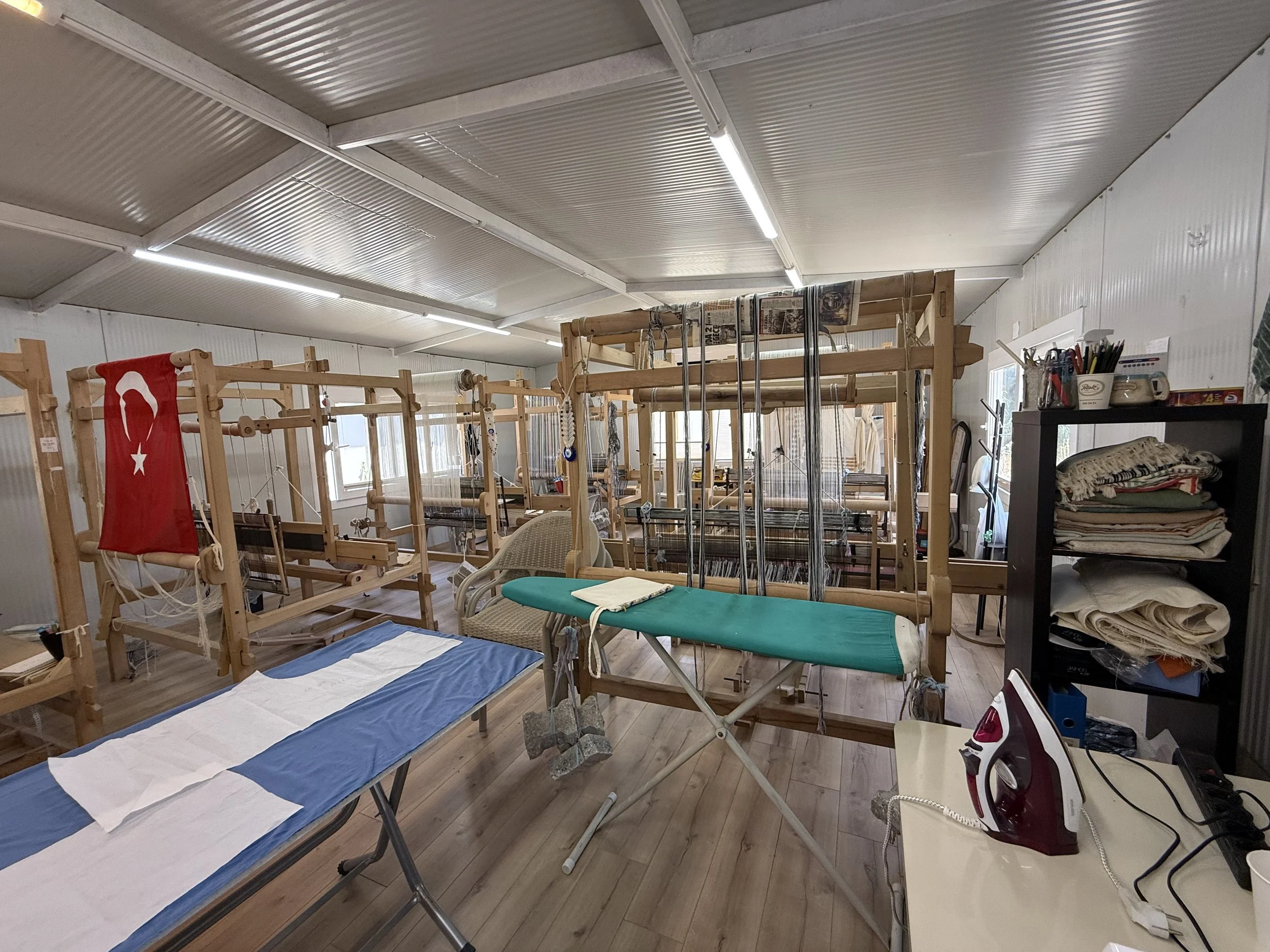
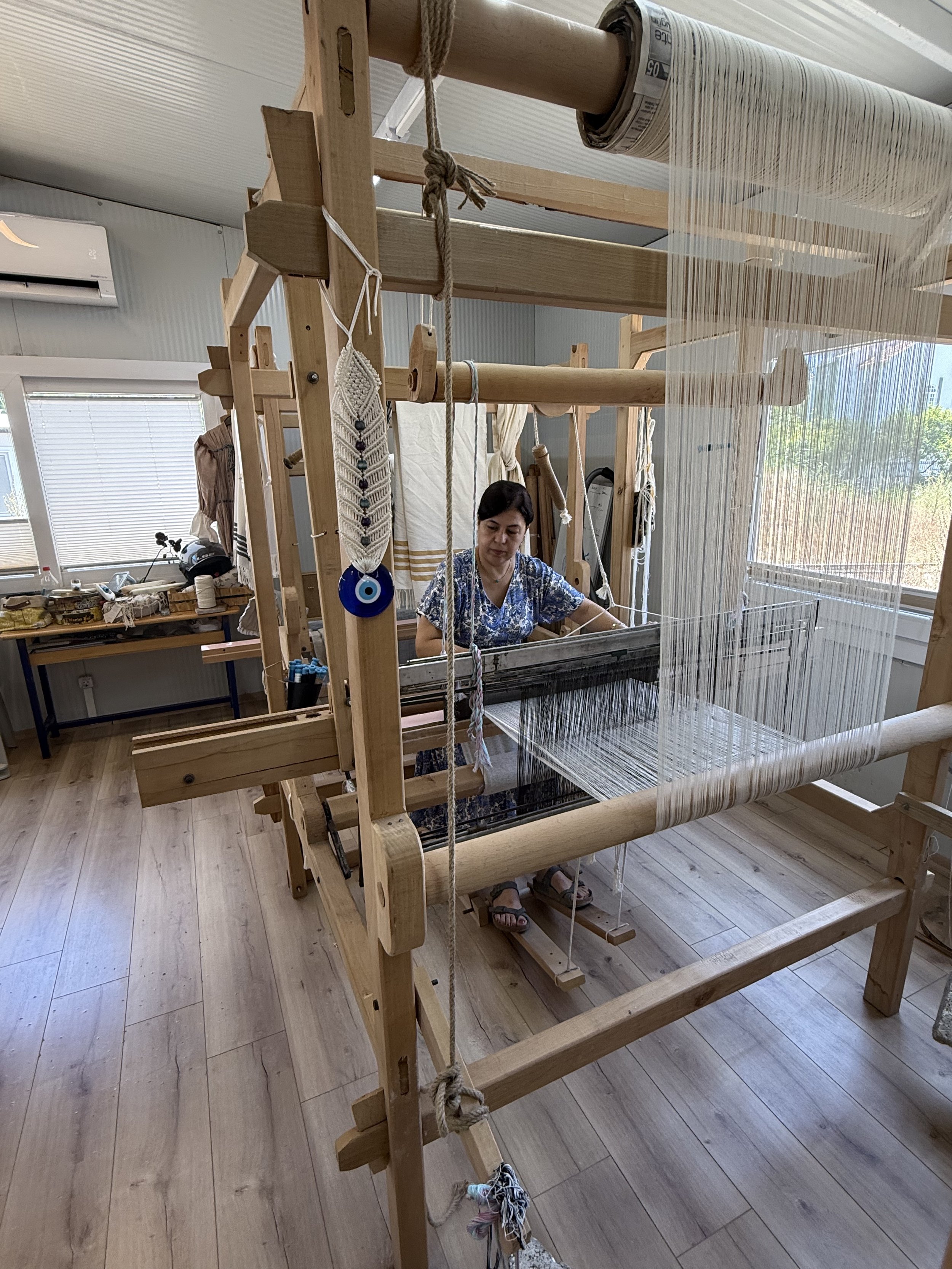
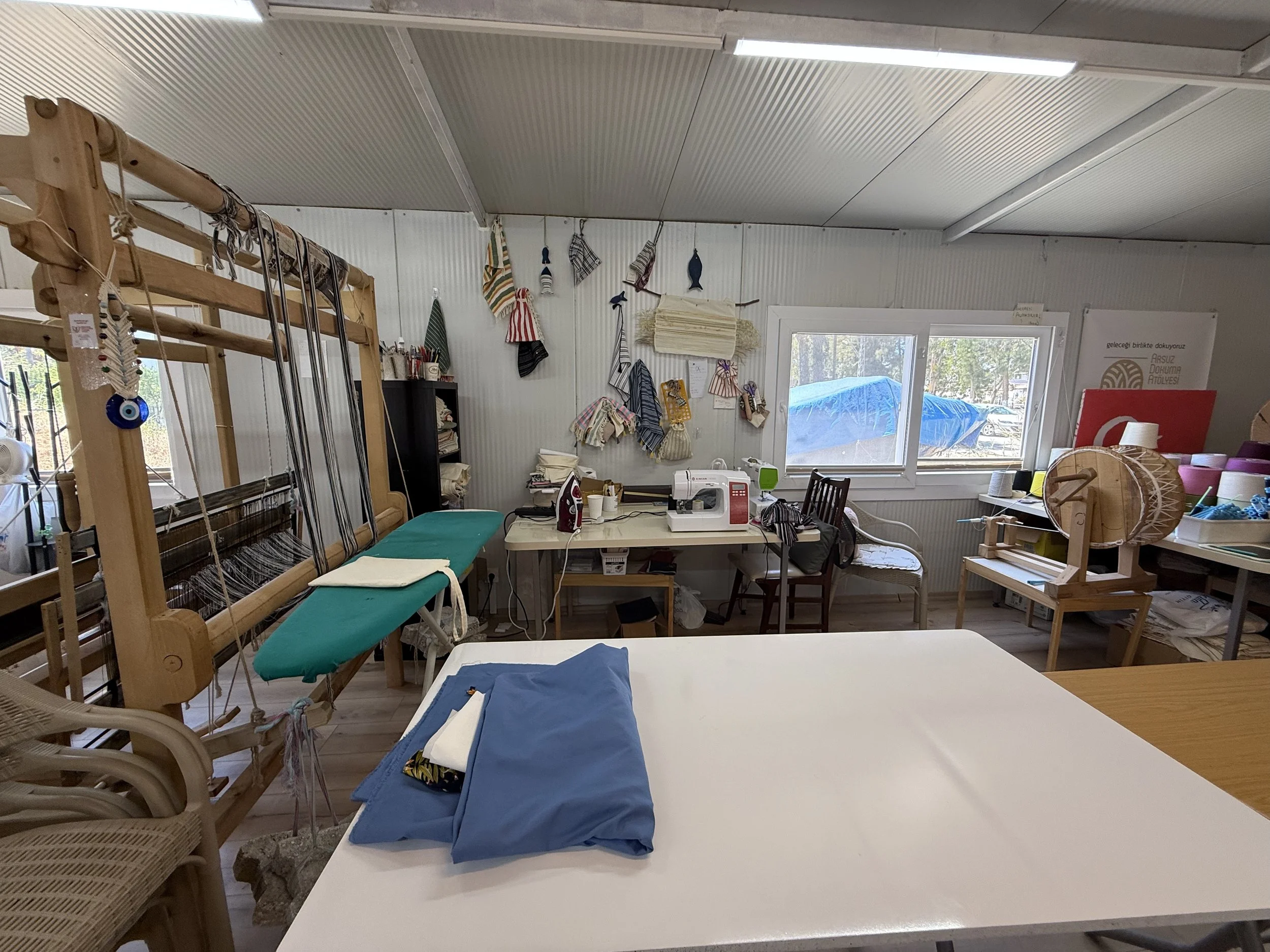
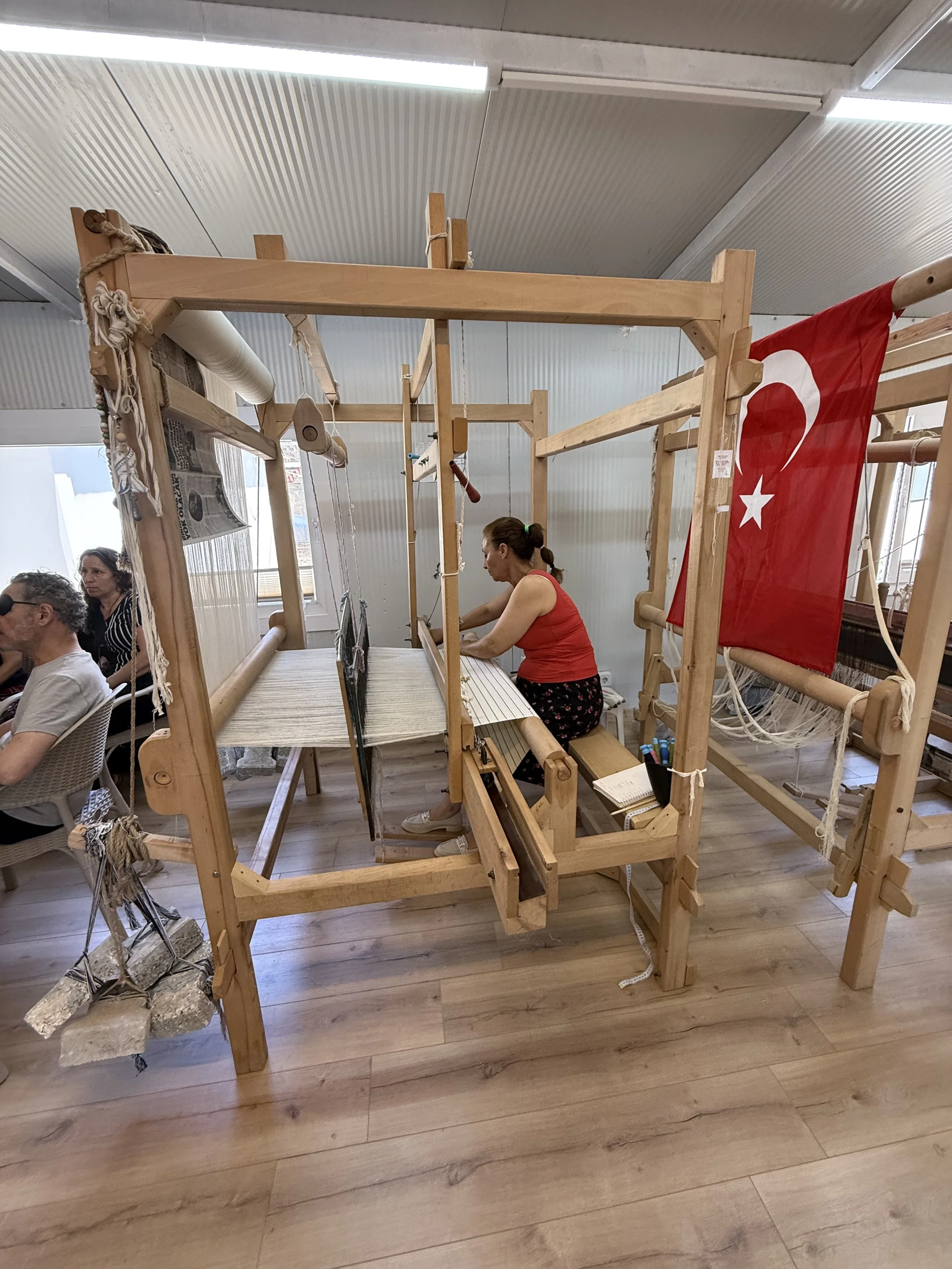
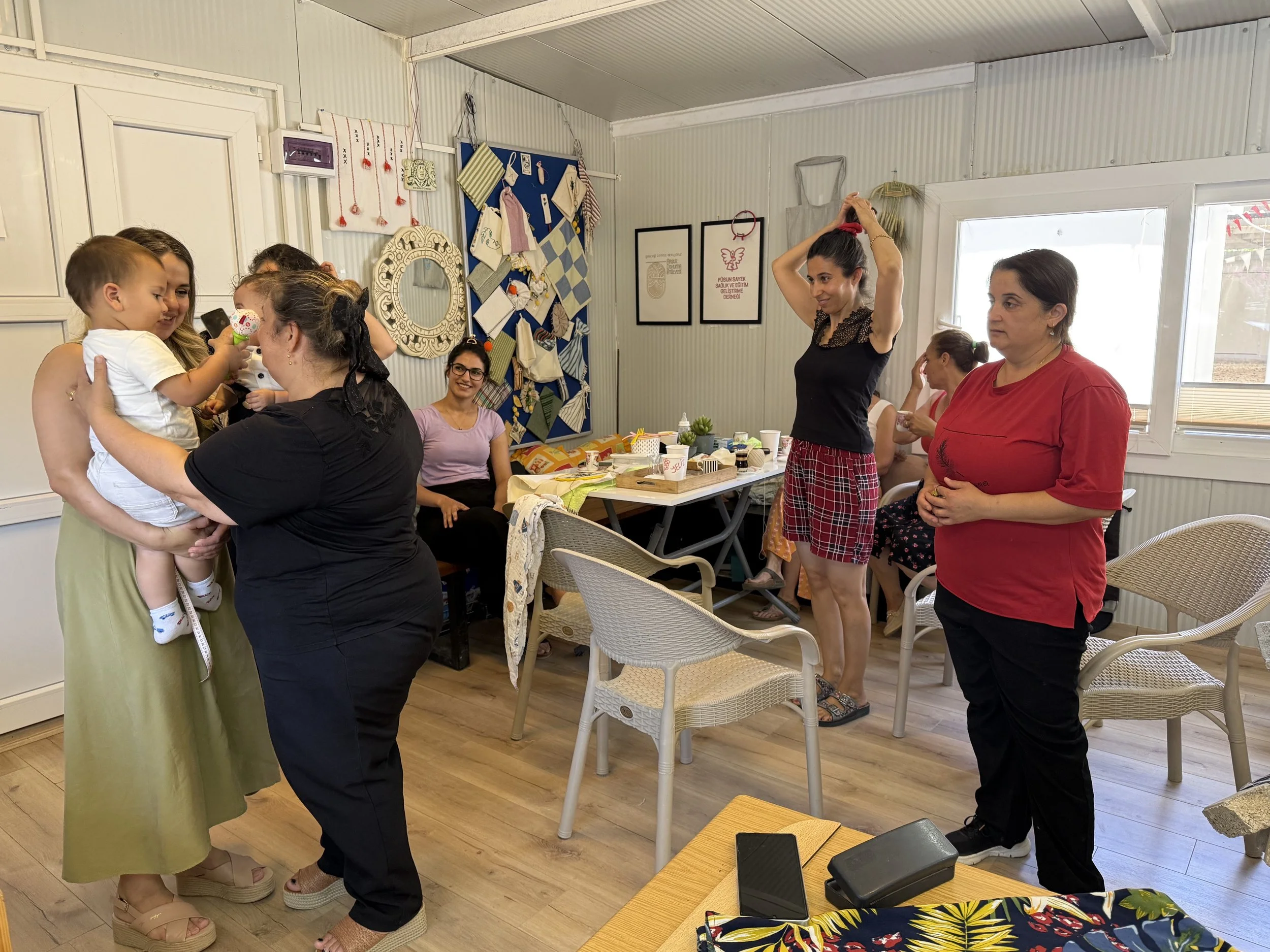
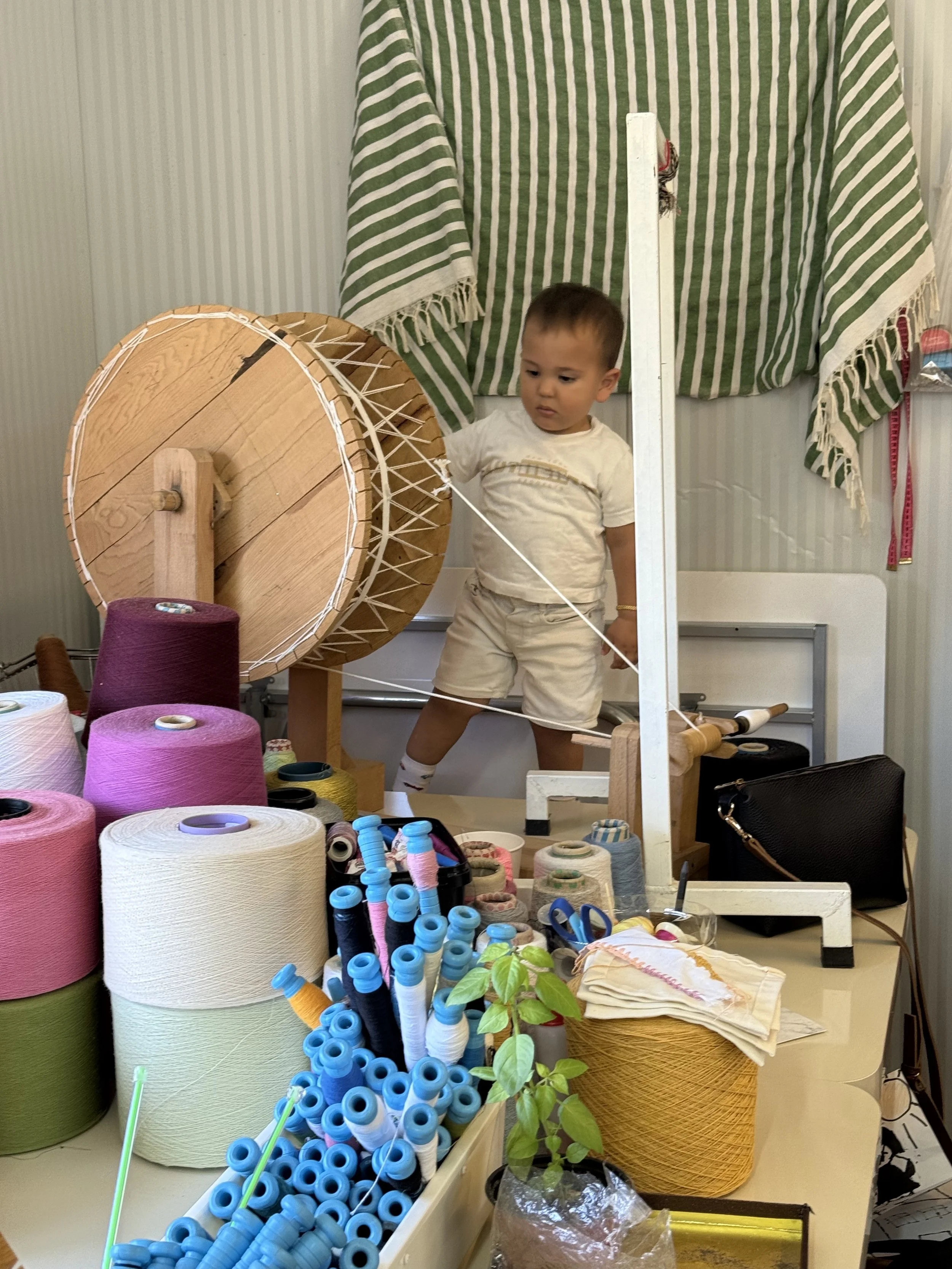
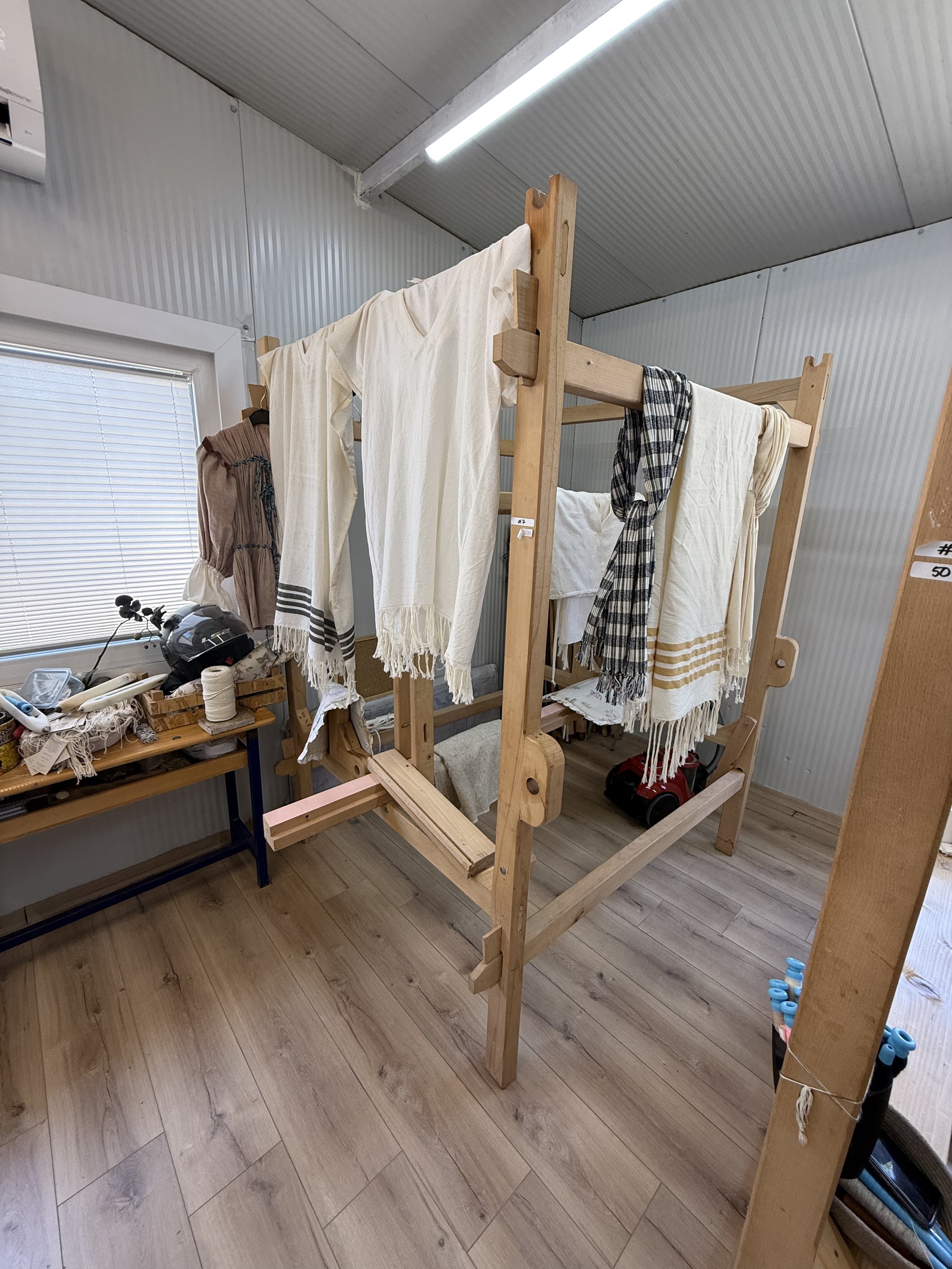
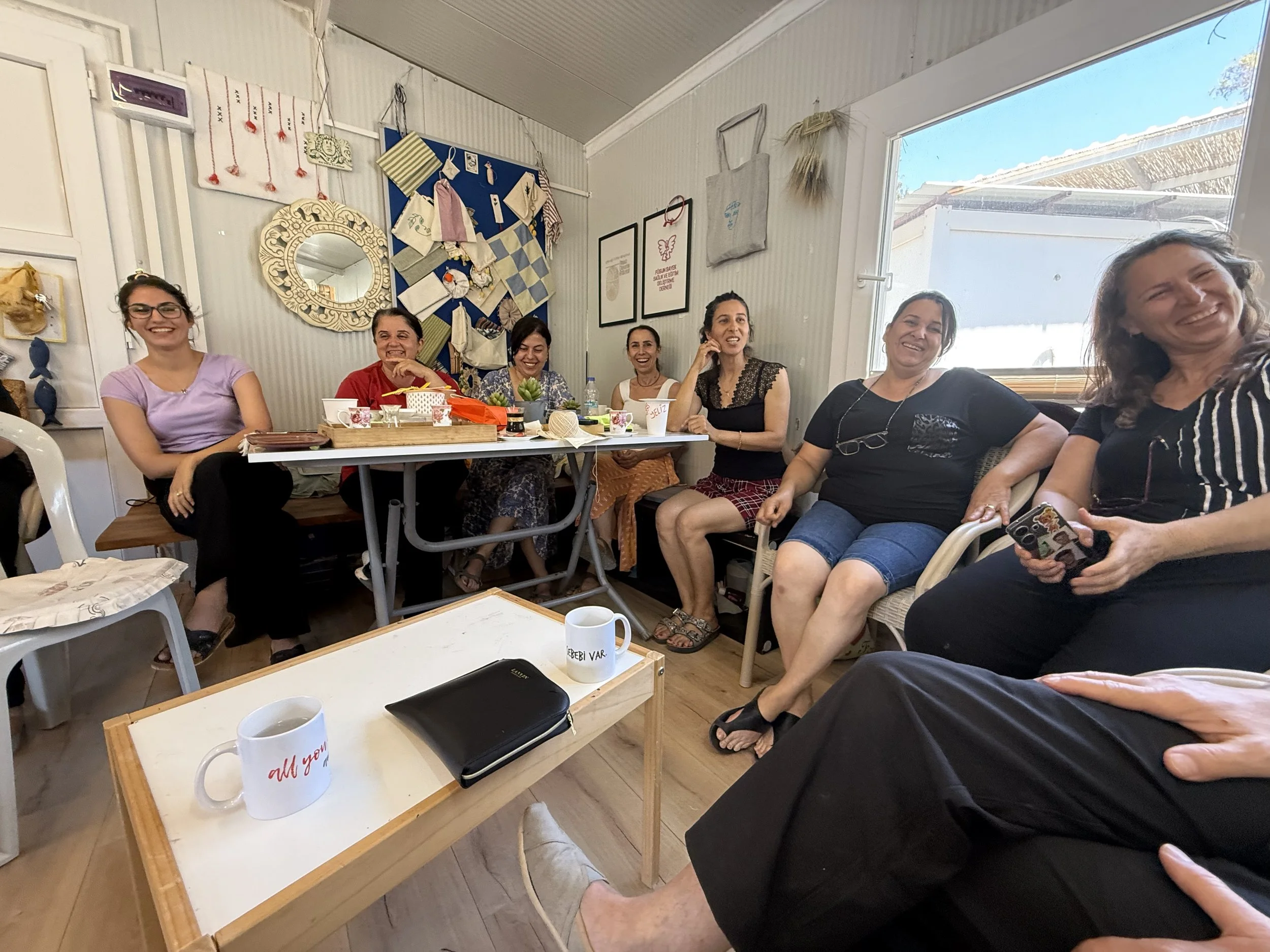
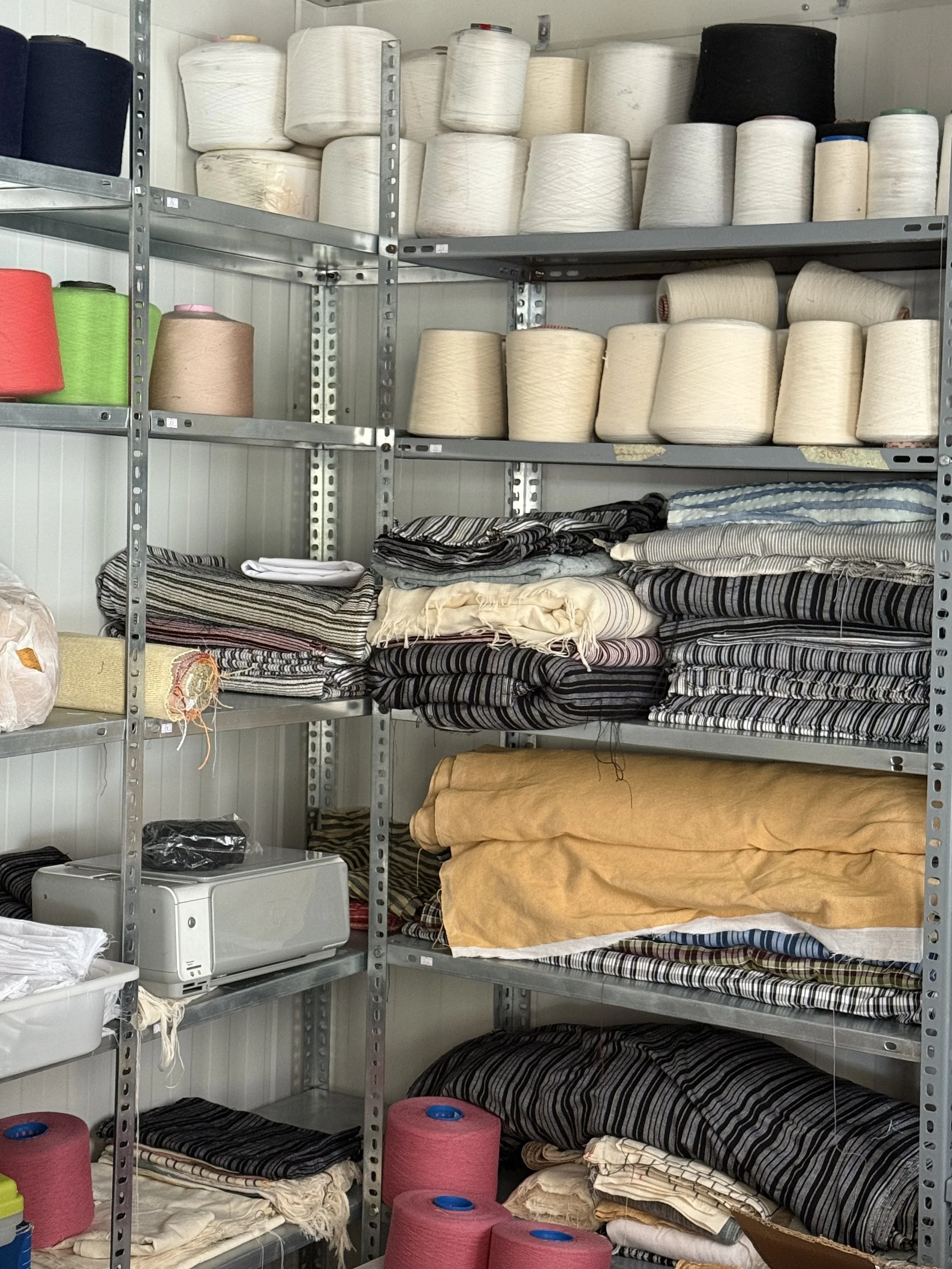
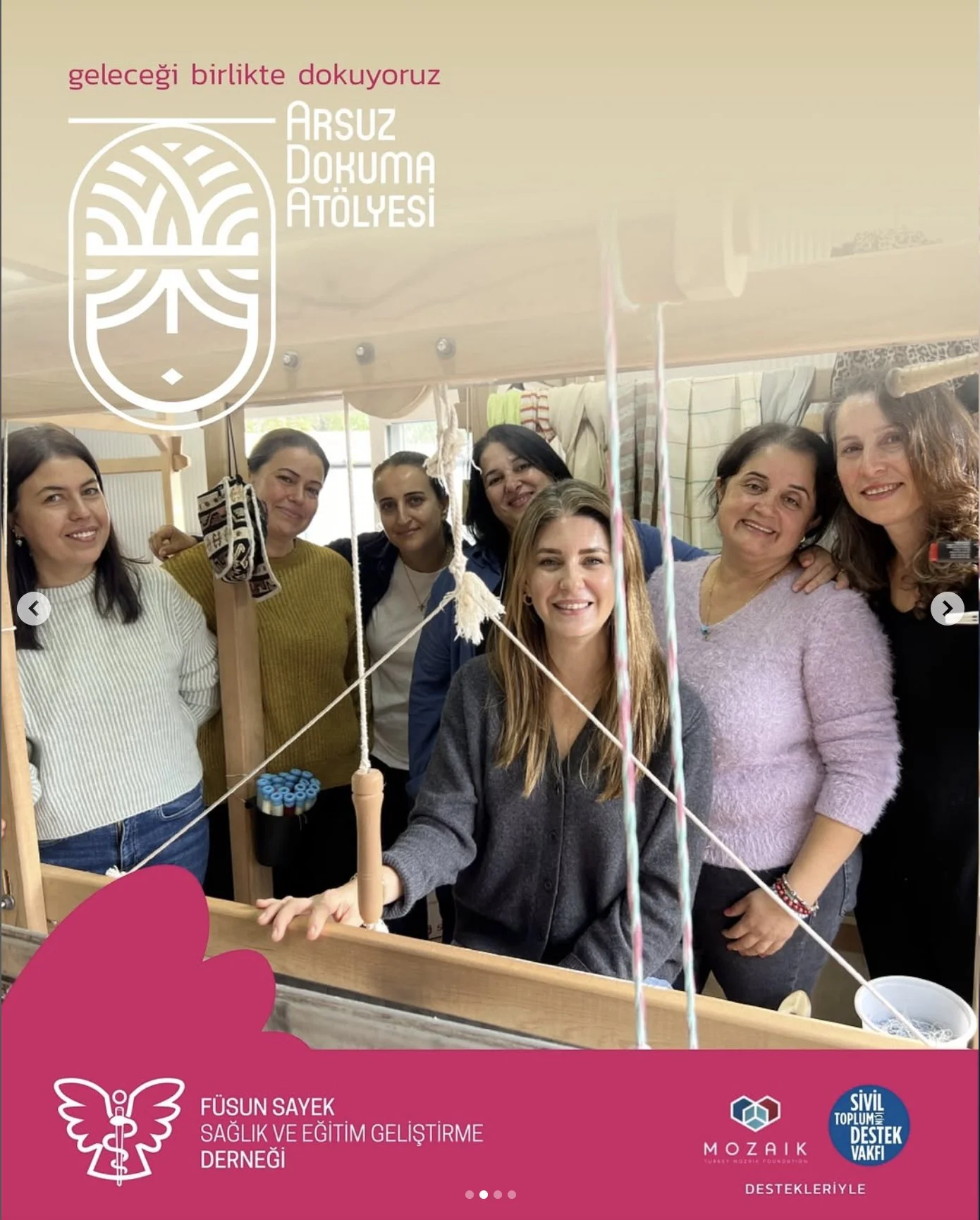
The Arsuz Weaving Workshop is at its heart of the Center. It focuses on economic empowerment of local women and preserving cultural heritage. This space is vibrant with an abundance of women, toddlers, and friends, not to mention handsome traditional wooden looms. The women are productive and eager to share their work and stories. They learn traditional crafts like weaving and silk production and sewing and embroidery, and they create products to sell to generate an income and help support their households. They learn product development, branding, and how to work with future collaborators.
This space opened up a world with each other, helping them regain a sense of purpose and connection after a trauma. The women explained how their families were restored in their happiness to learn a new skill, to be together and productive. But mostly, the women talked about how this community saved them, restoring their hope and trust in themselves. With the “Weaving Lives” project, women are not only preserving Hatay’s rich weaving tradition—they’re also creating new paths to support themselves and their families.
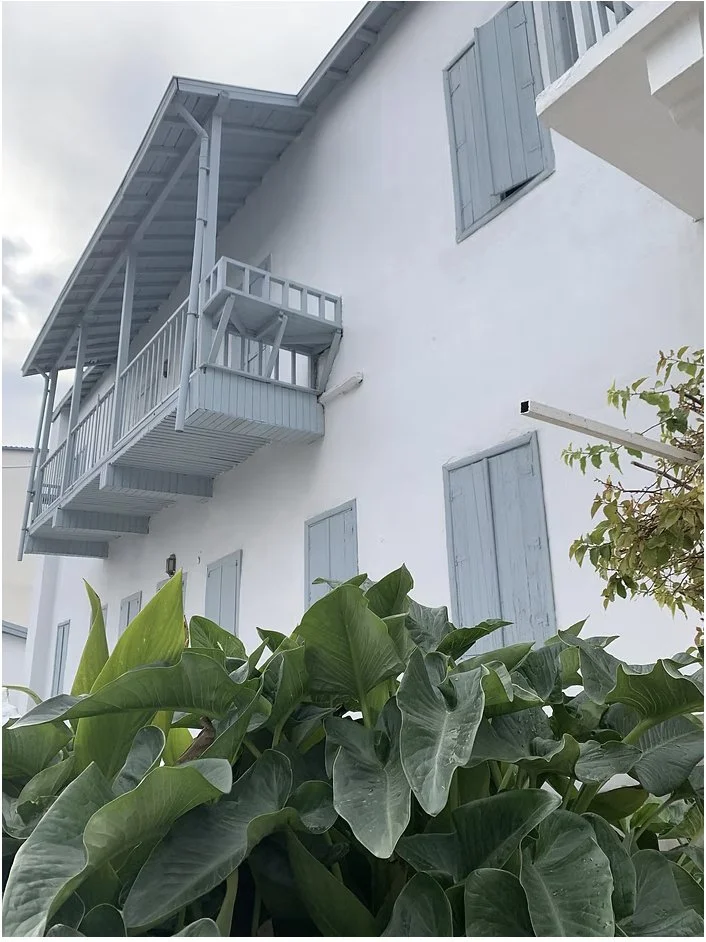
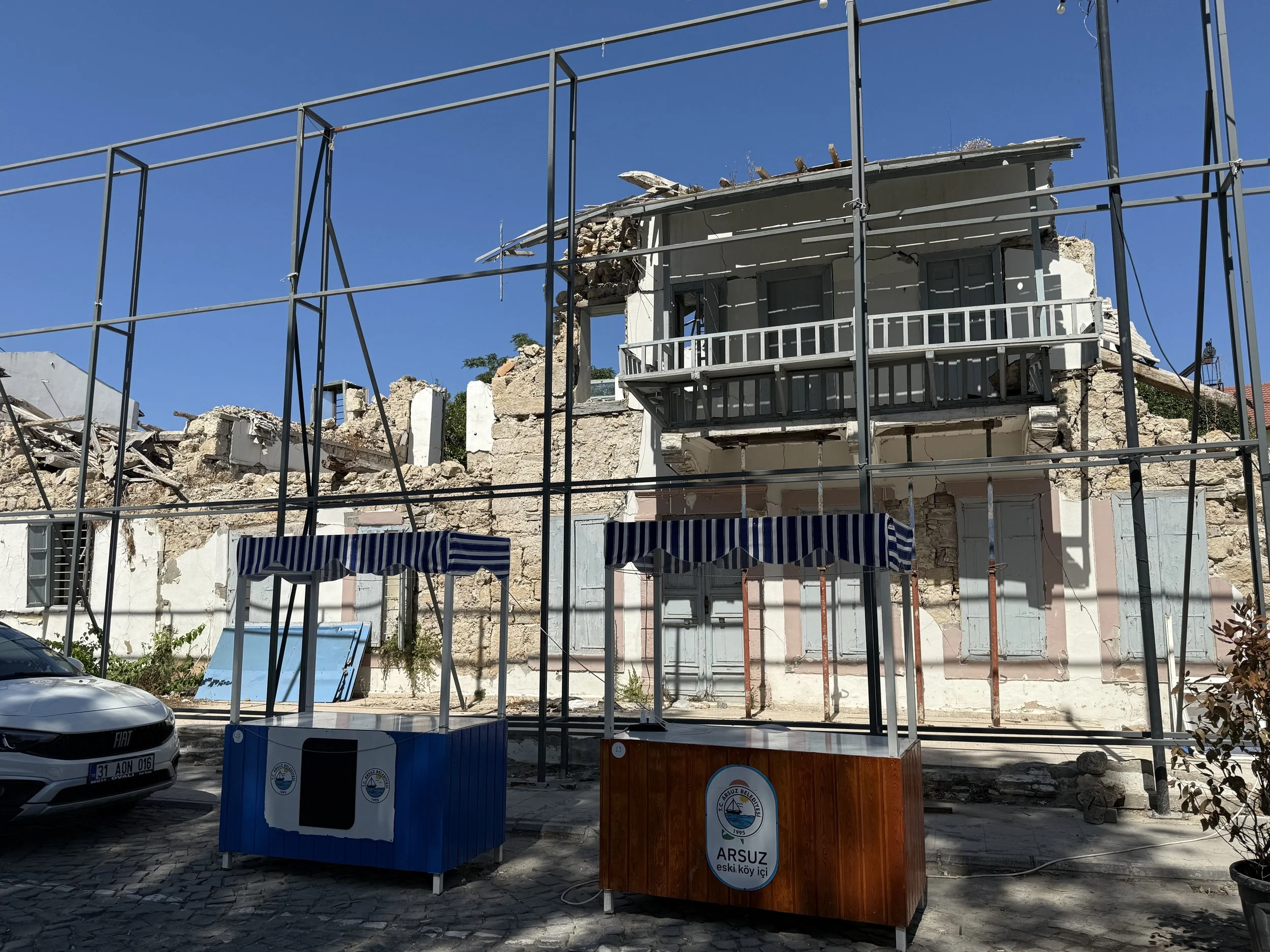
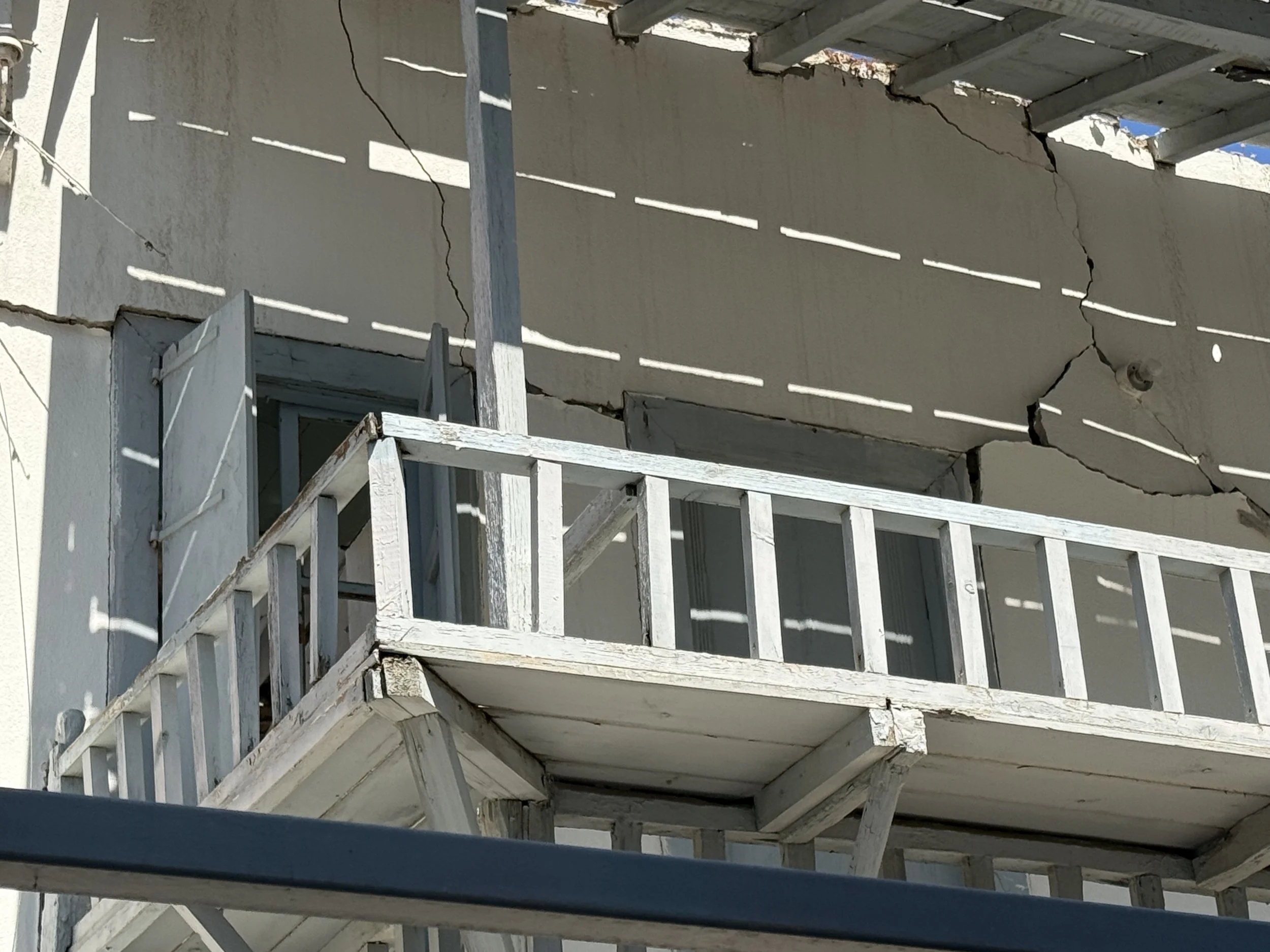
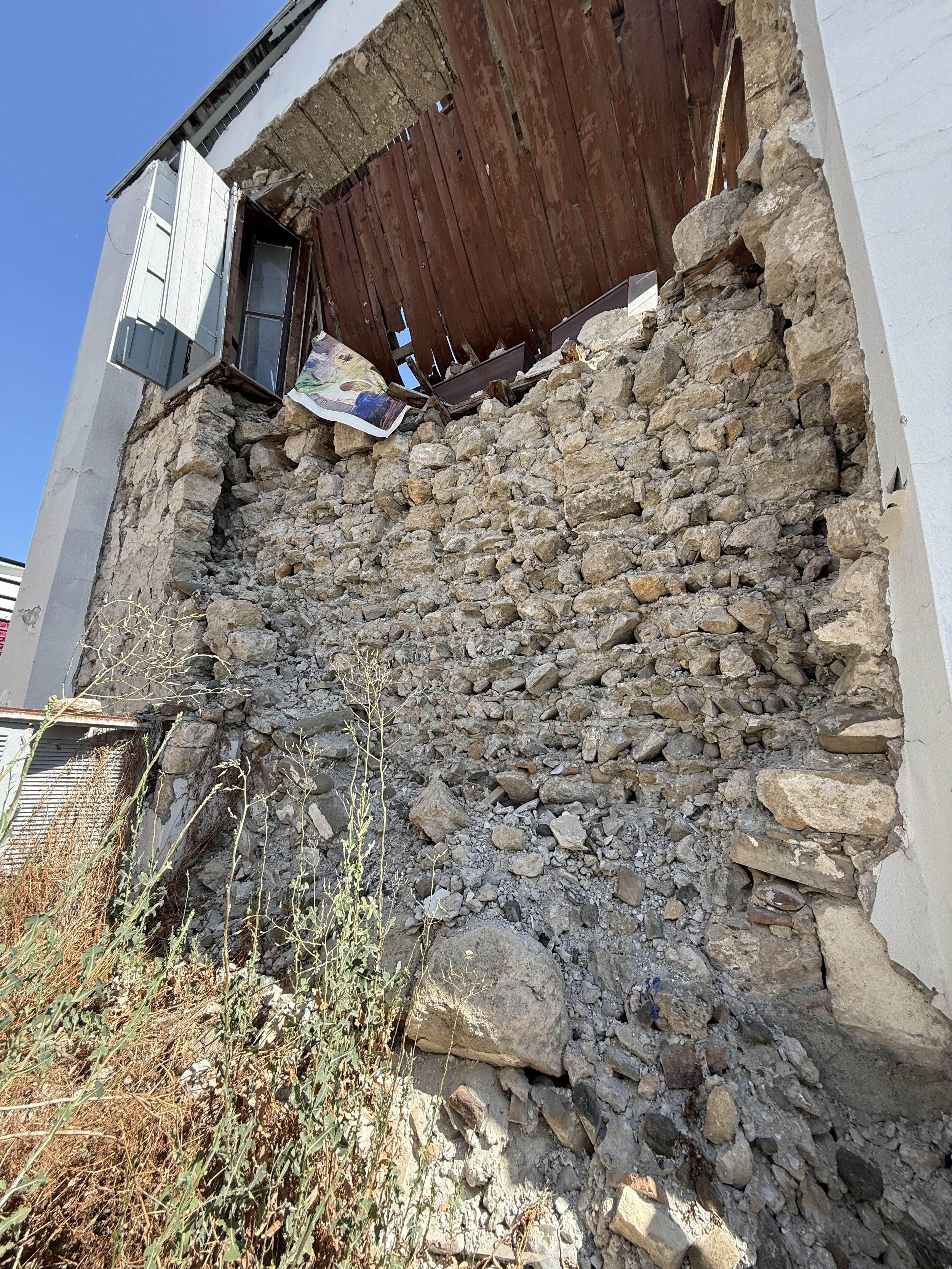
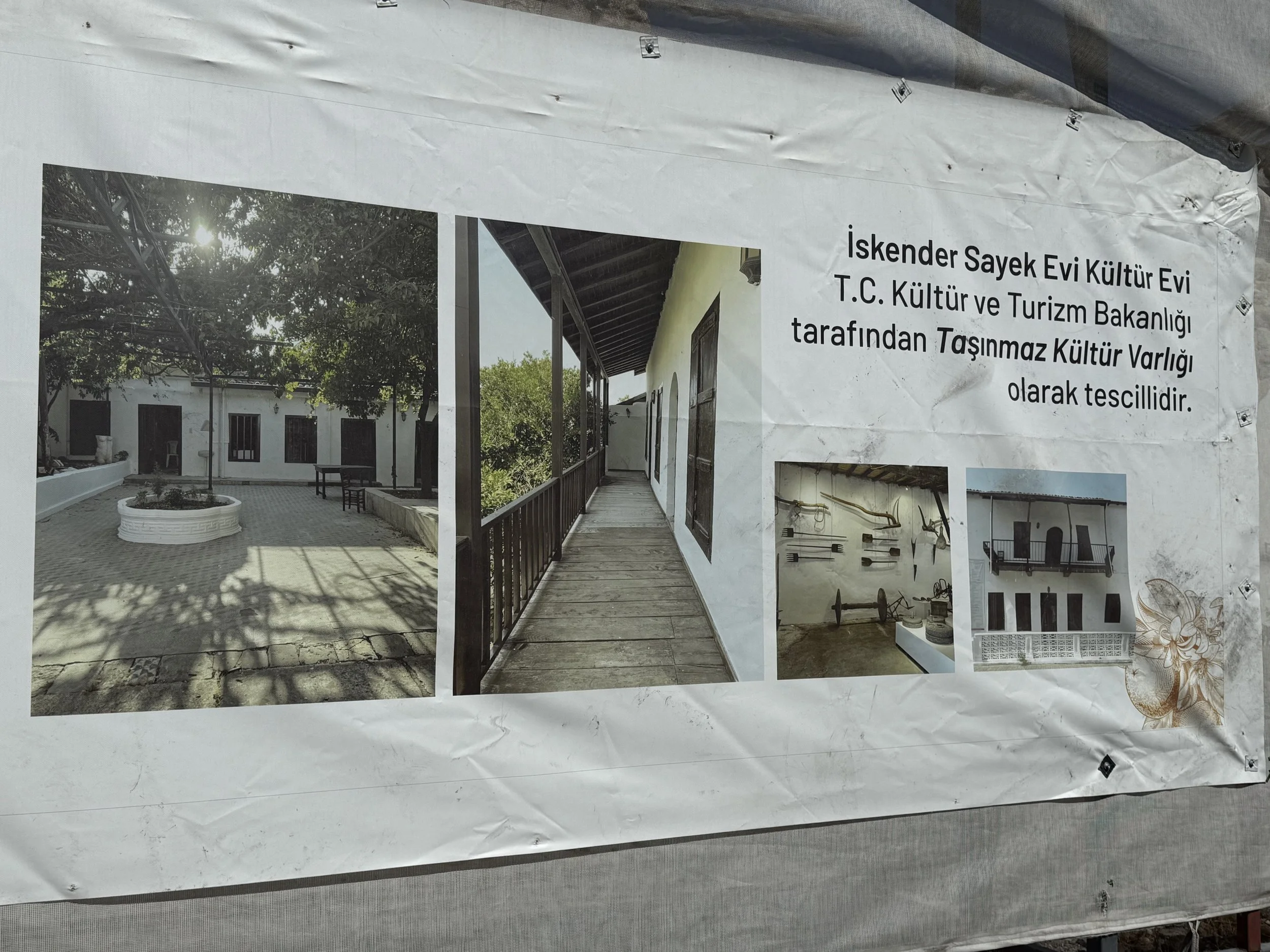
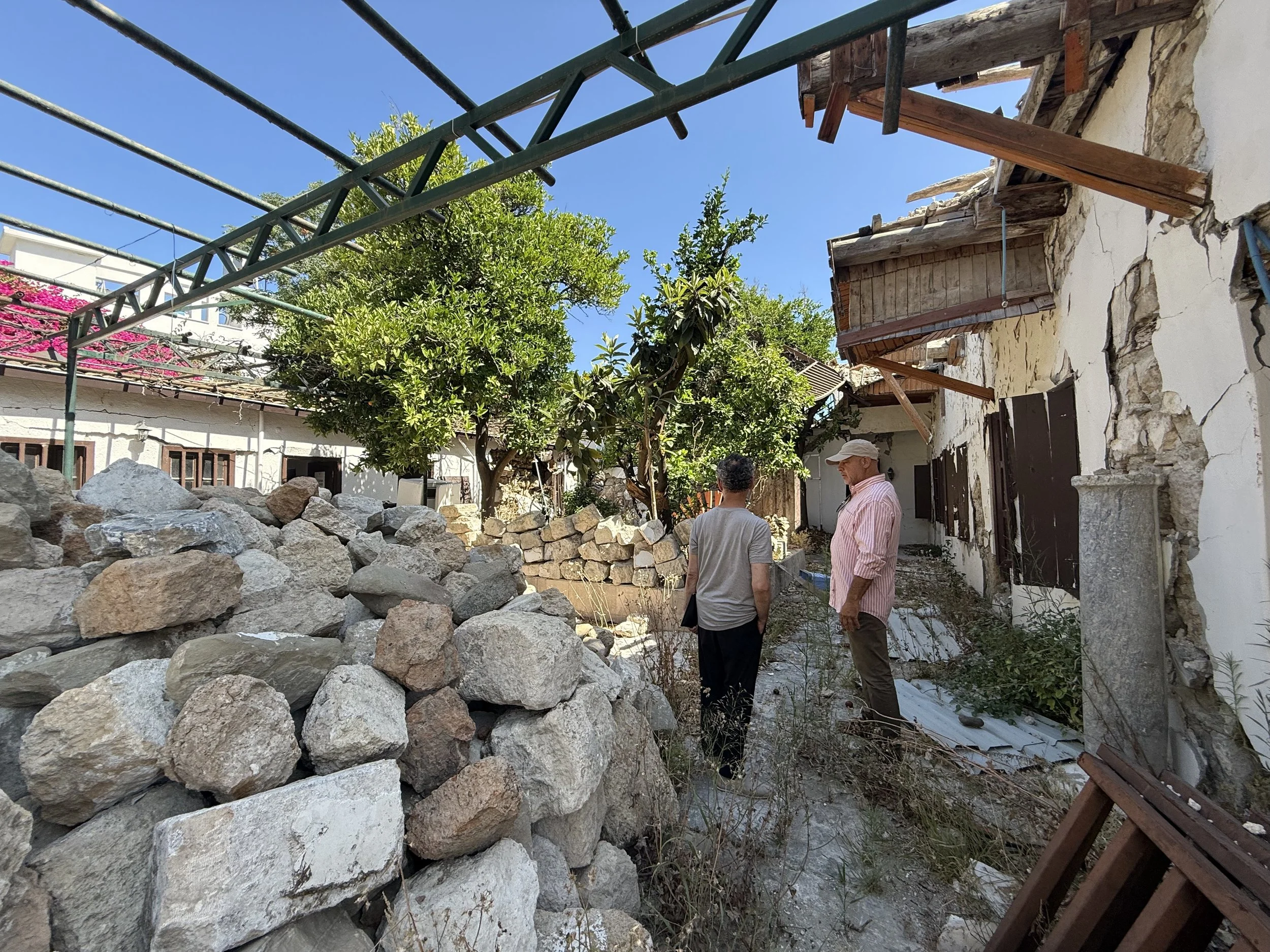
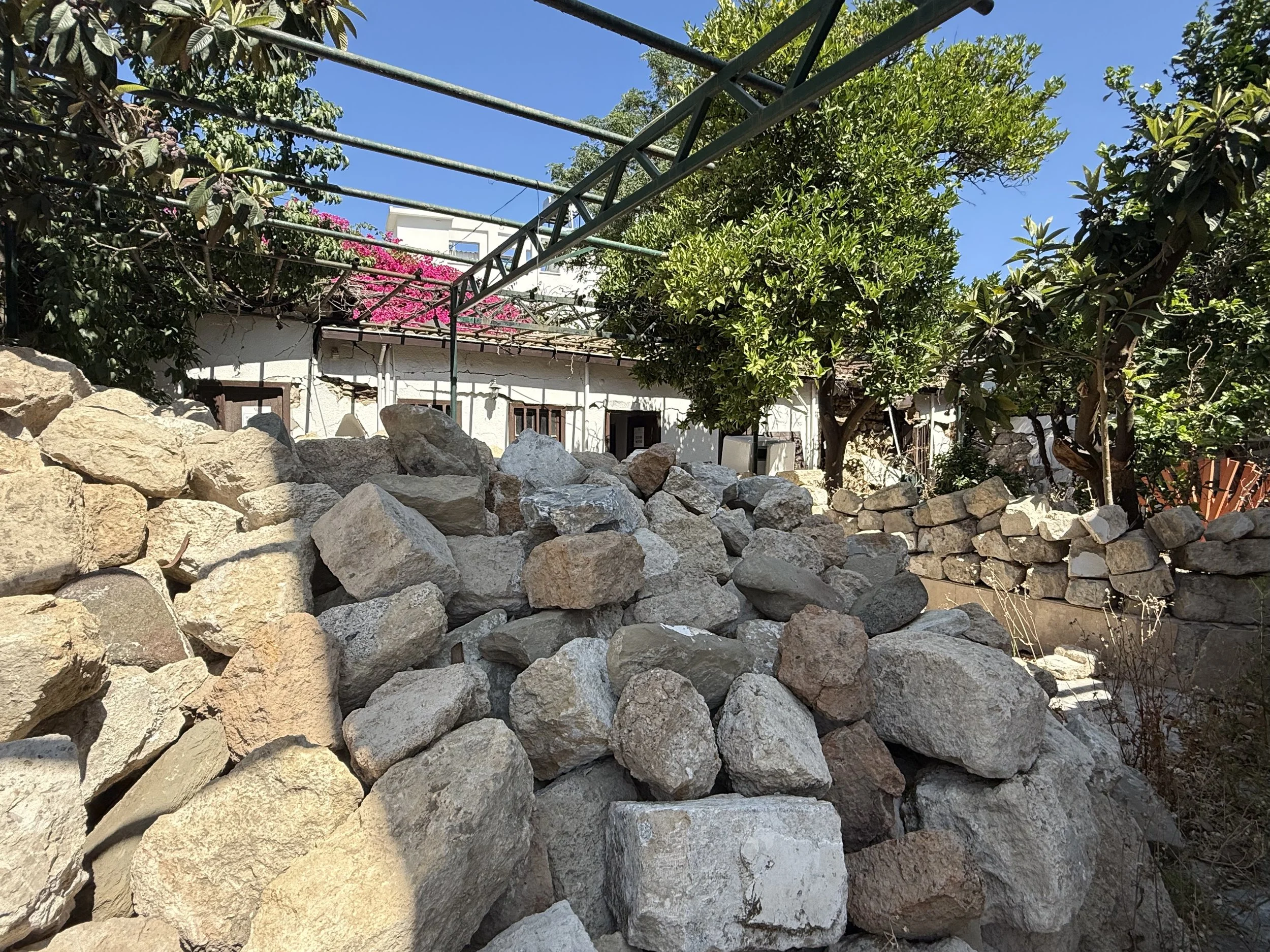
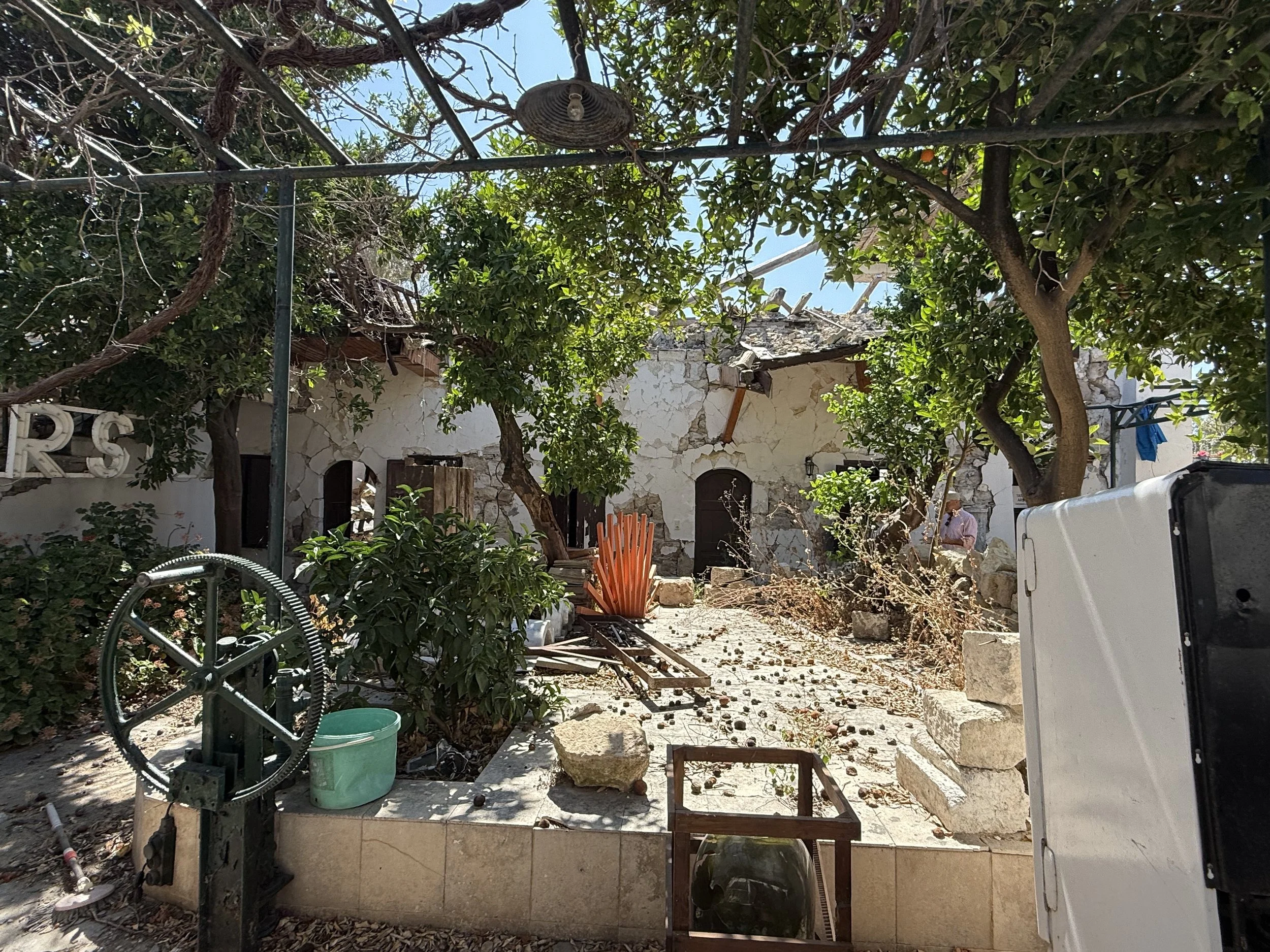
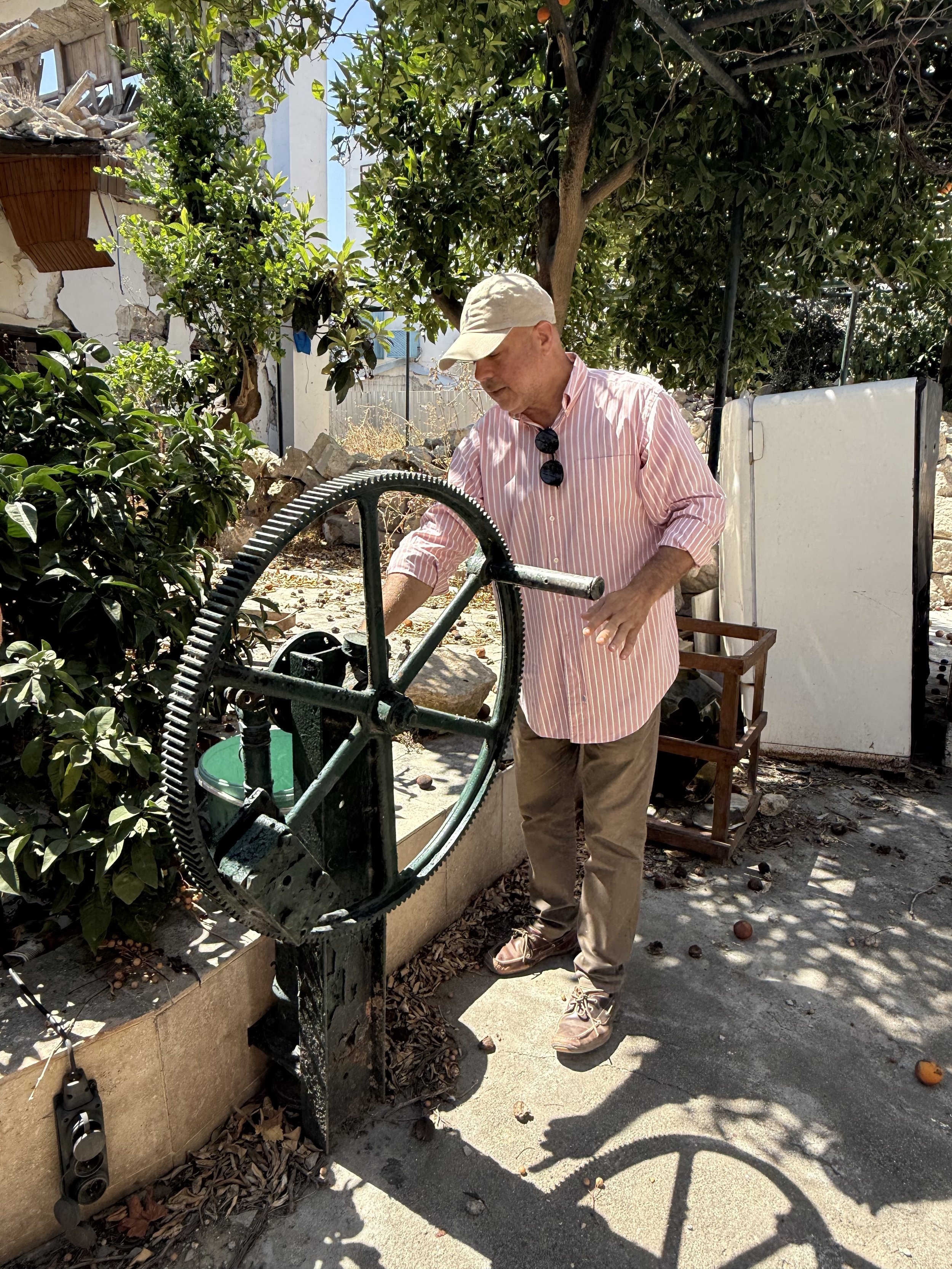
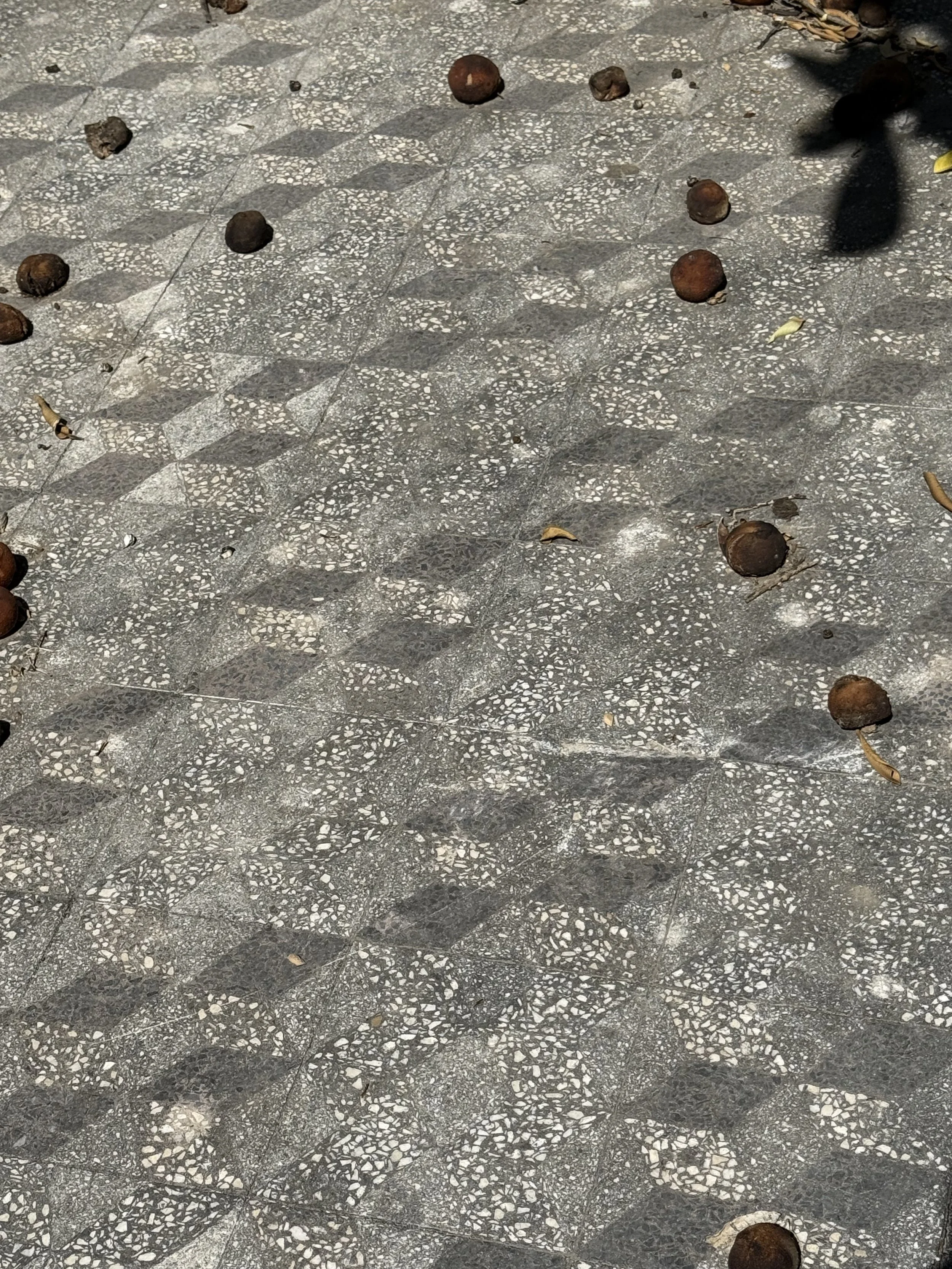
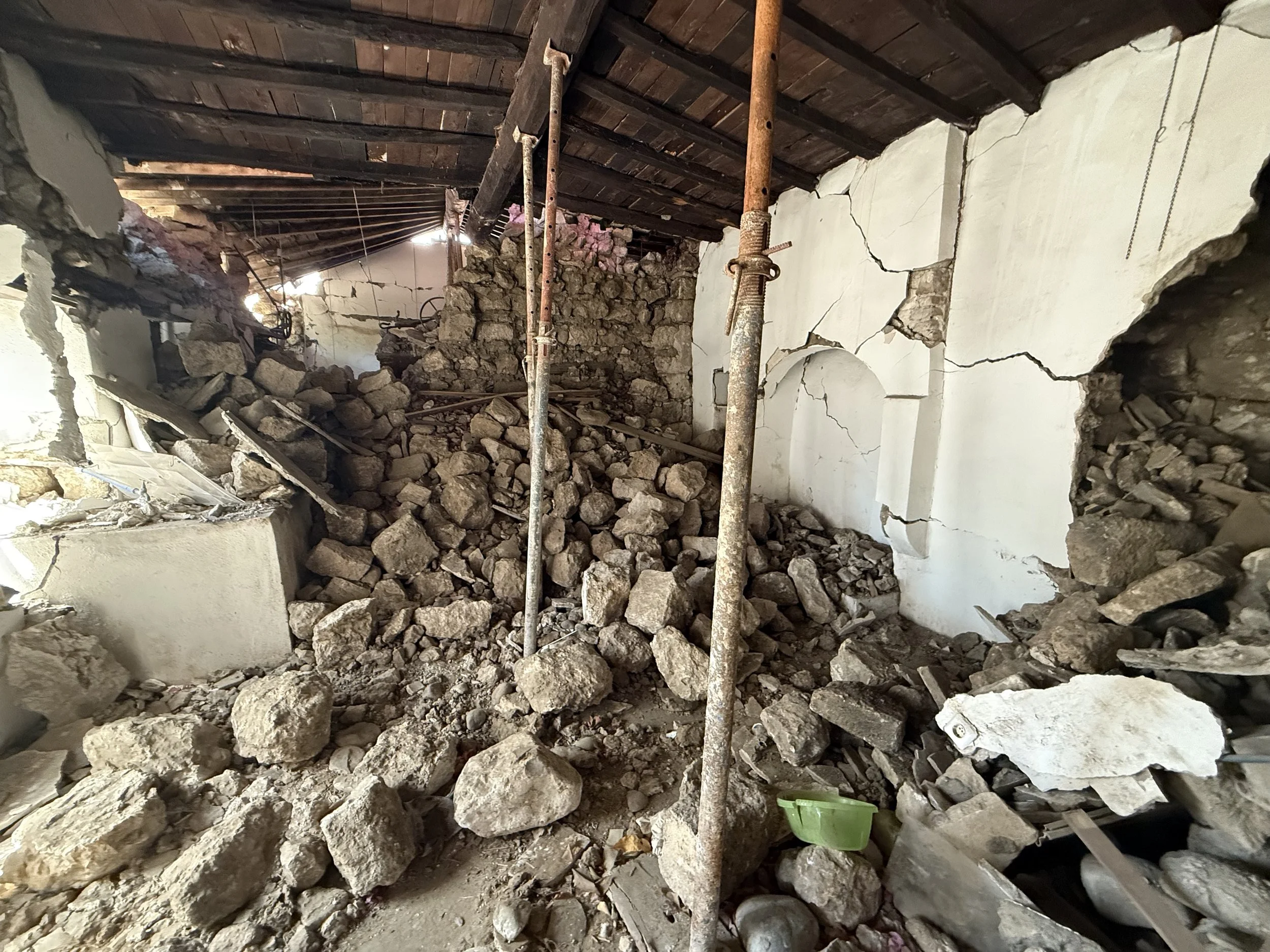
The Iskender Sayek Cultural Center was severely damaged in the earthquakes and, like many historic and cultural structures, awaits restoration. Images here and below show the devastating loss of one of the last surviving courtyard houses with Arsuz architecture. These old houses, which stand out with their masonry walls, wooden ceilings and wooden shutters, were an important reflection of Arsuz’s socio-cultural life. Built by Iskender Sayek in the 1890s, this house was used as a family home until the 1980s. The complex was restored to its original form in 2005.
The courtyard was decorated with a traditional fountain pool and trees, mostly citrus, which provide a much welcome shade on hot summer days. Many of the trees survived the destruction, and still bear fruit to this day. Opposite the two-story main building, there was a single-story building with the kitchen, supply room, bathroom and warehouse. In this complex, the collection of Iskender Sayek’s old agricultural tools was exhibited, illustrating agricultural traditions in Arsuz from past to contemporary times. The kitchen hosted one of the permanent exhibitions, “My Teta's Kitchen”, (my grandmother’s kitchen) which described the old kitchen setup and paid tribute to the unique cuisine of the region.
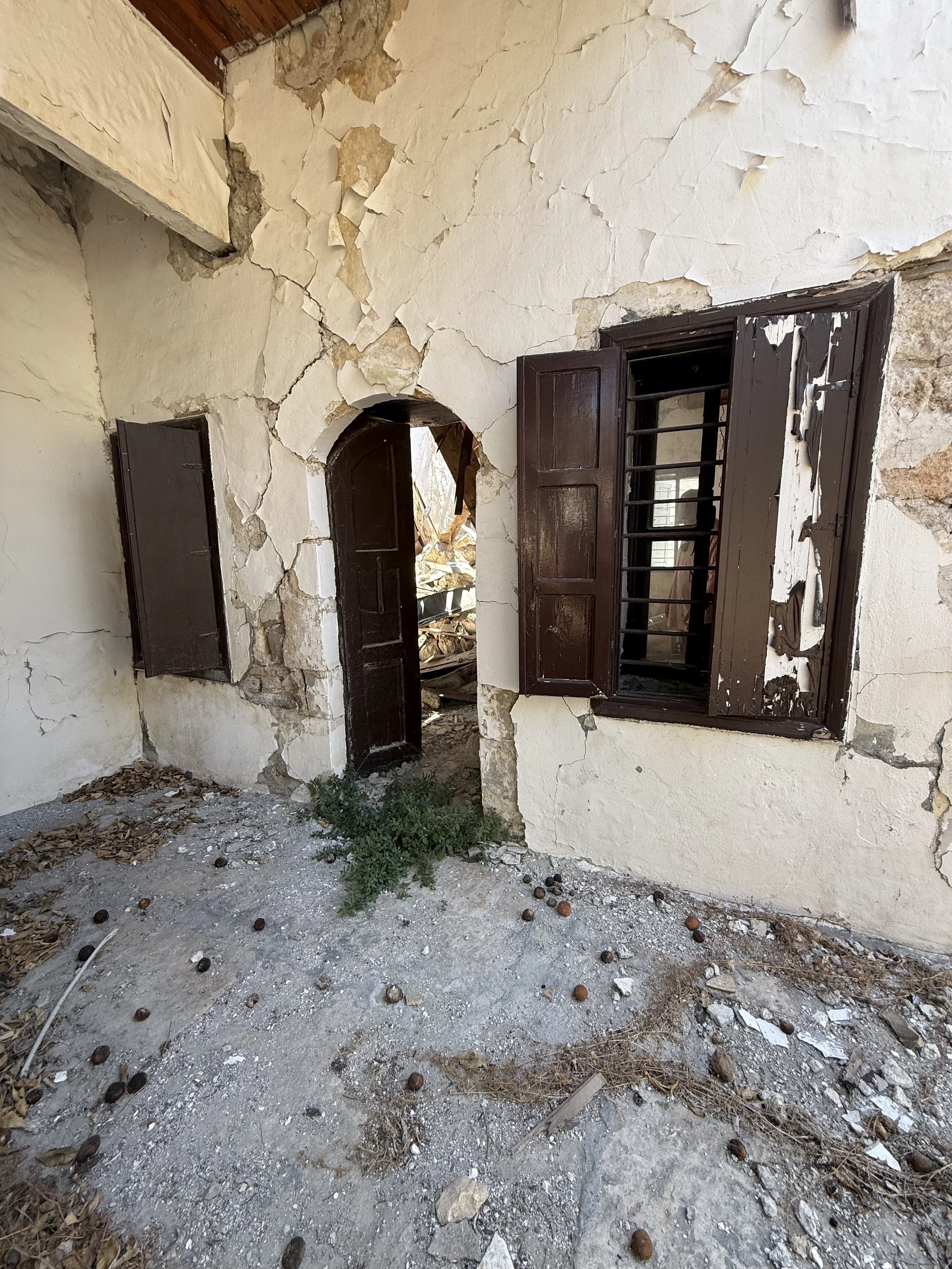
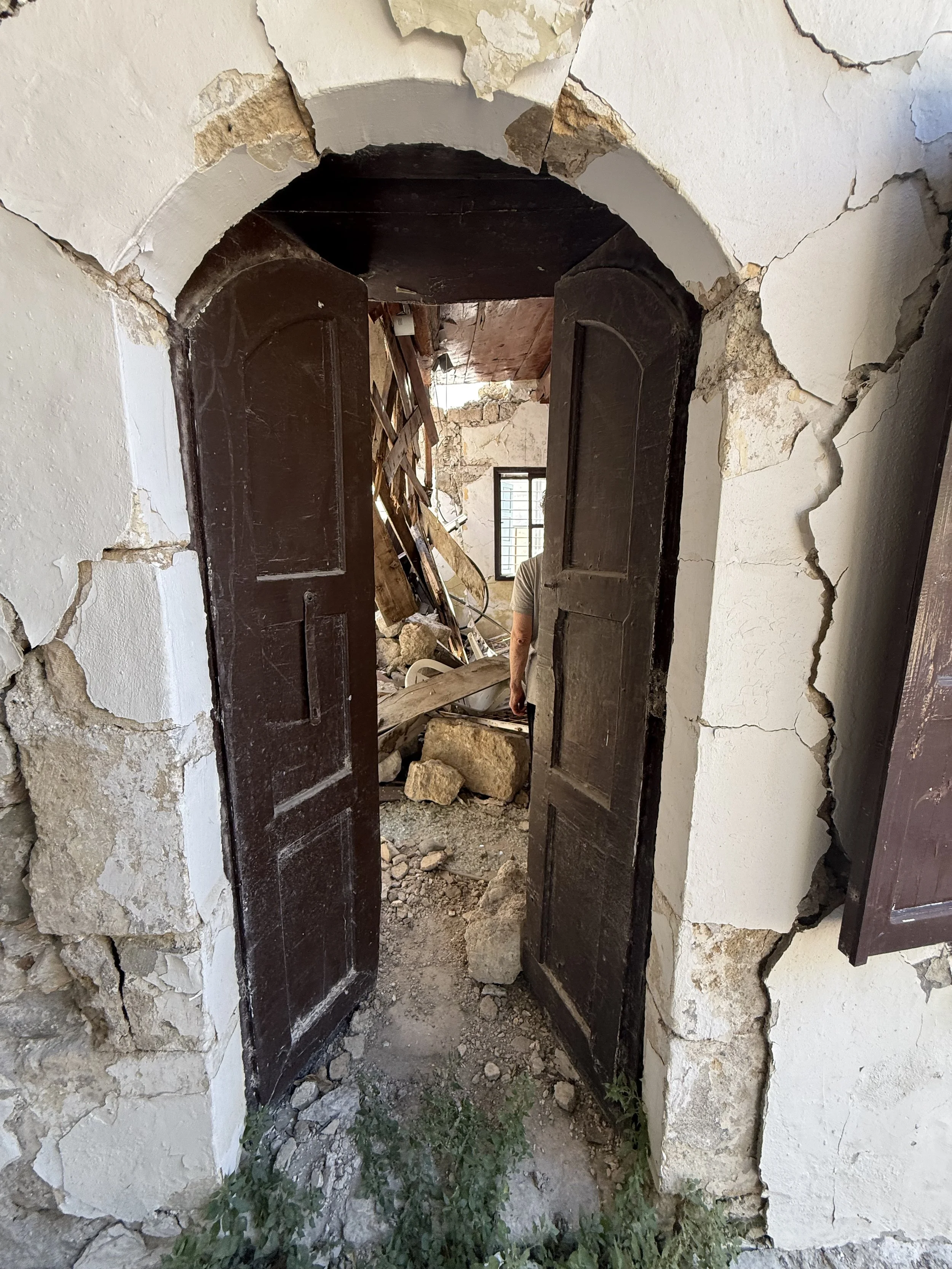
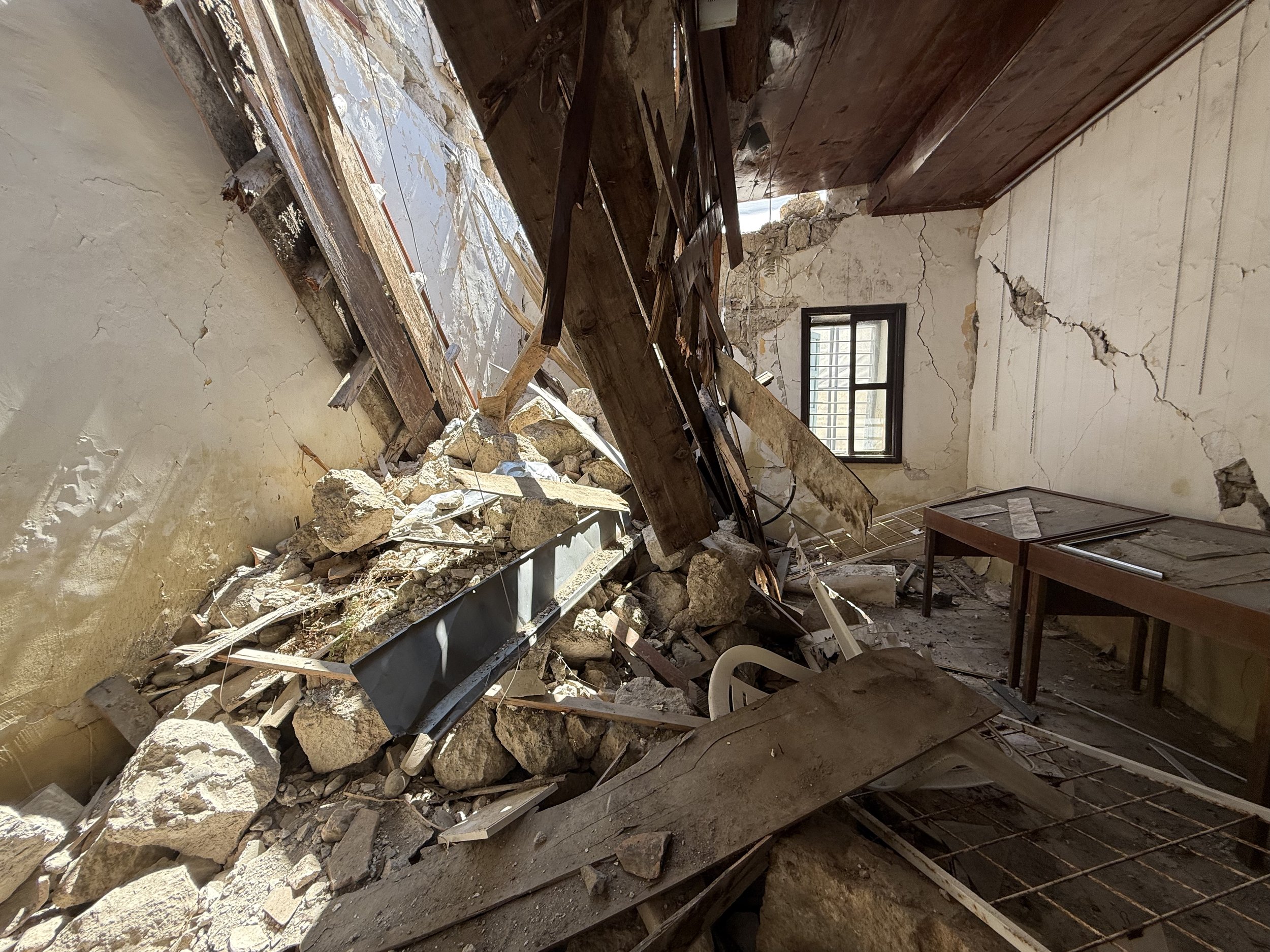
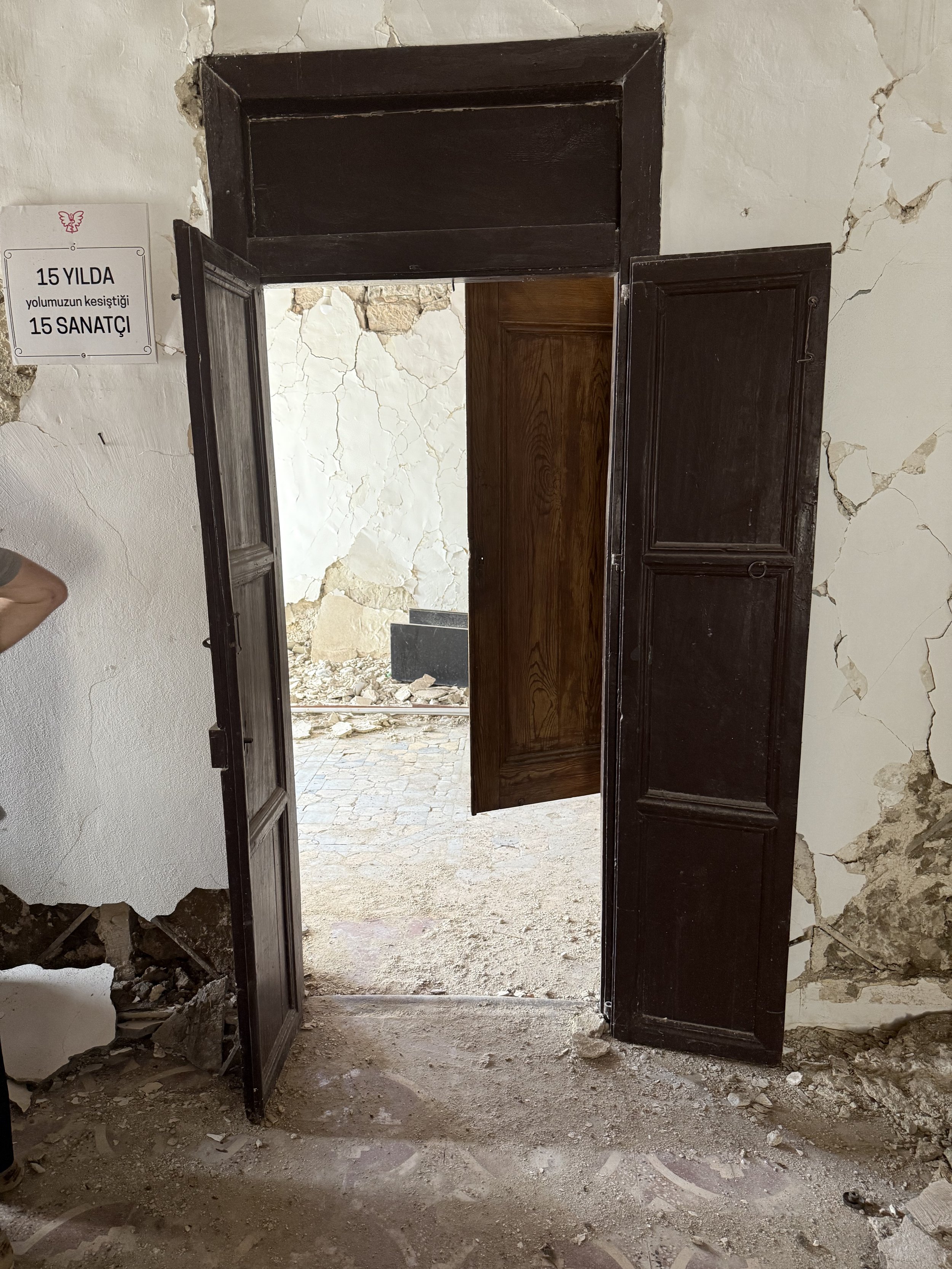
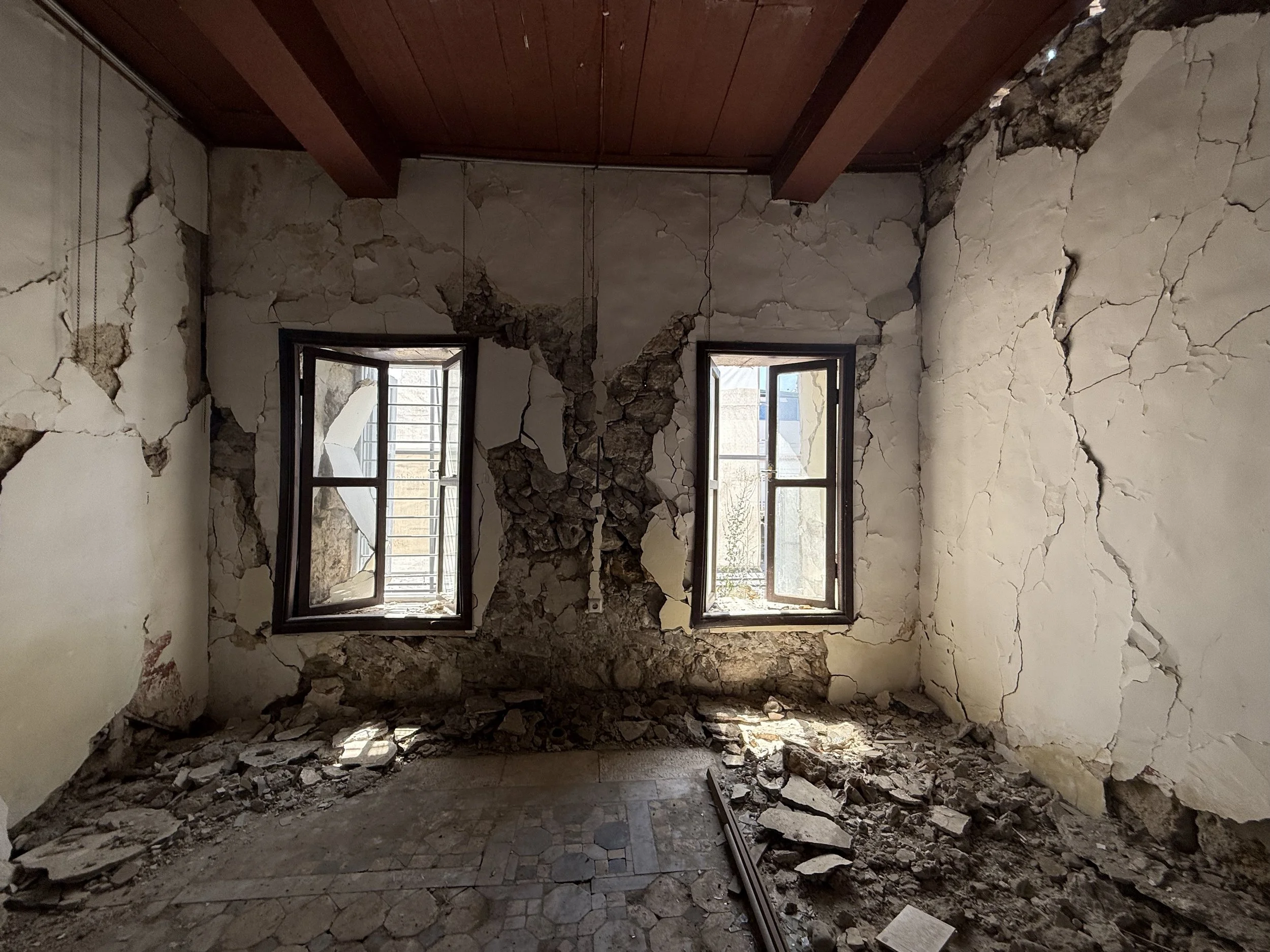
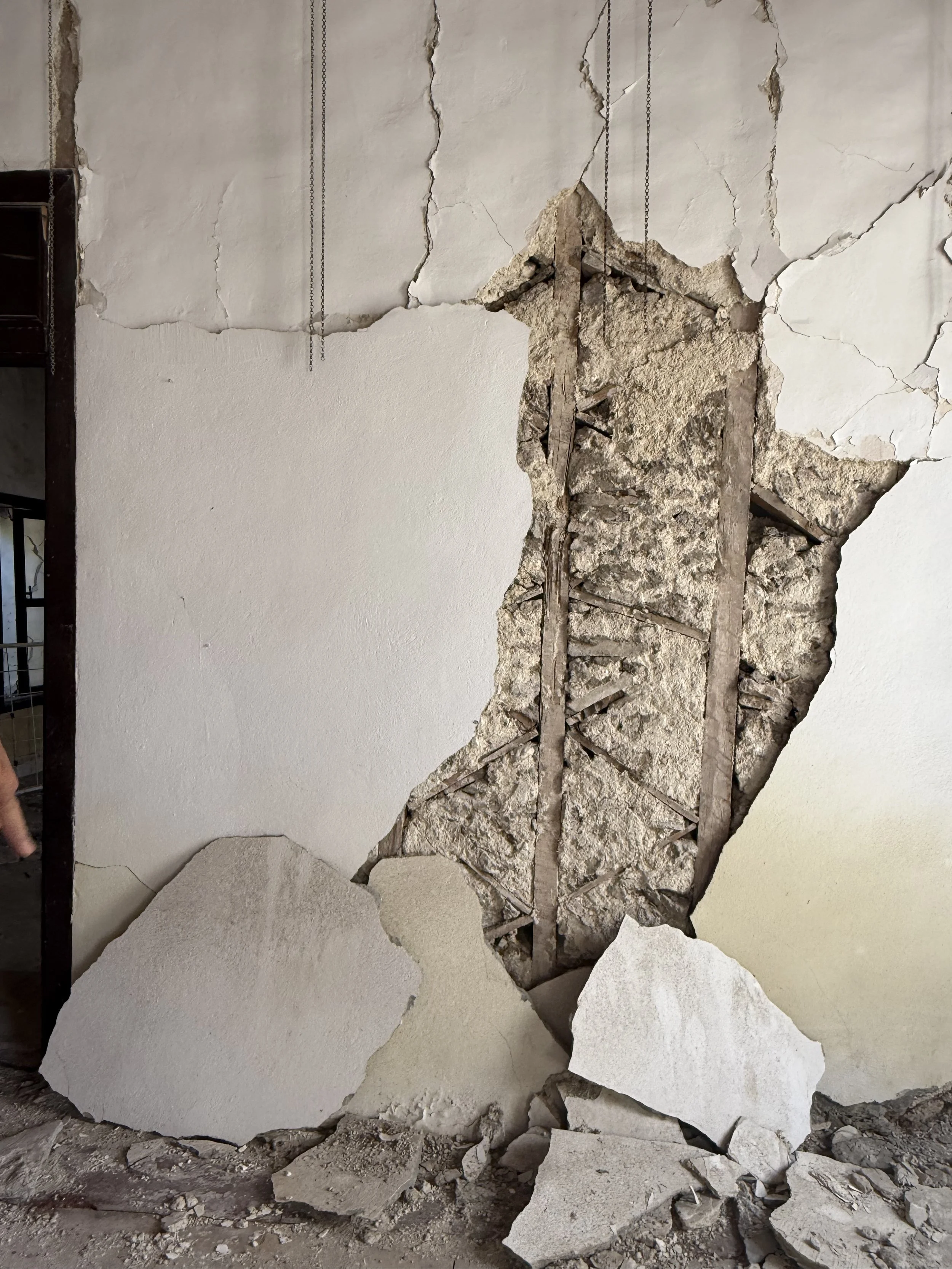
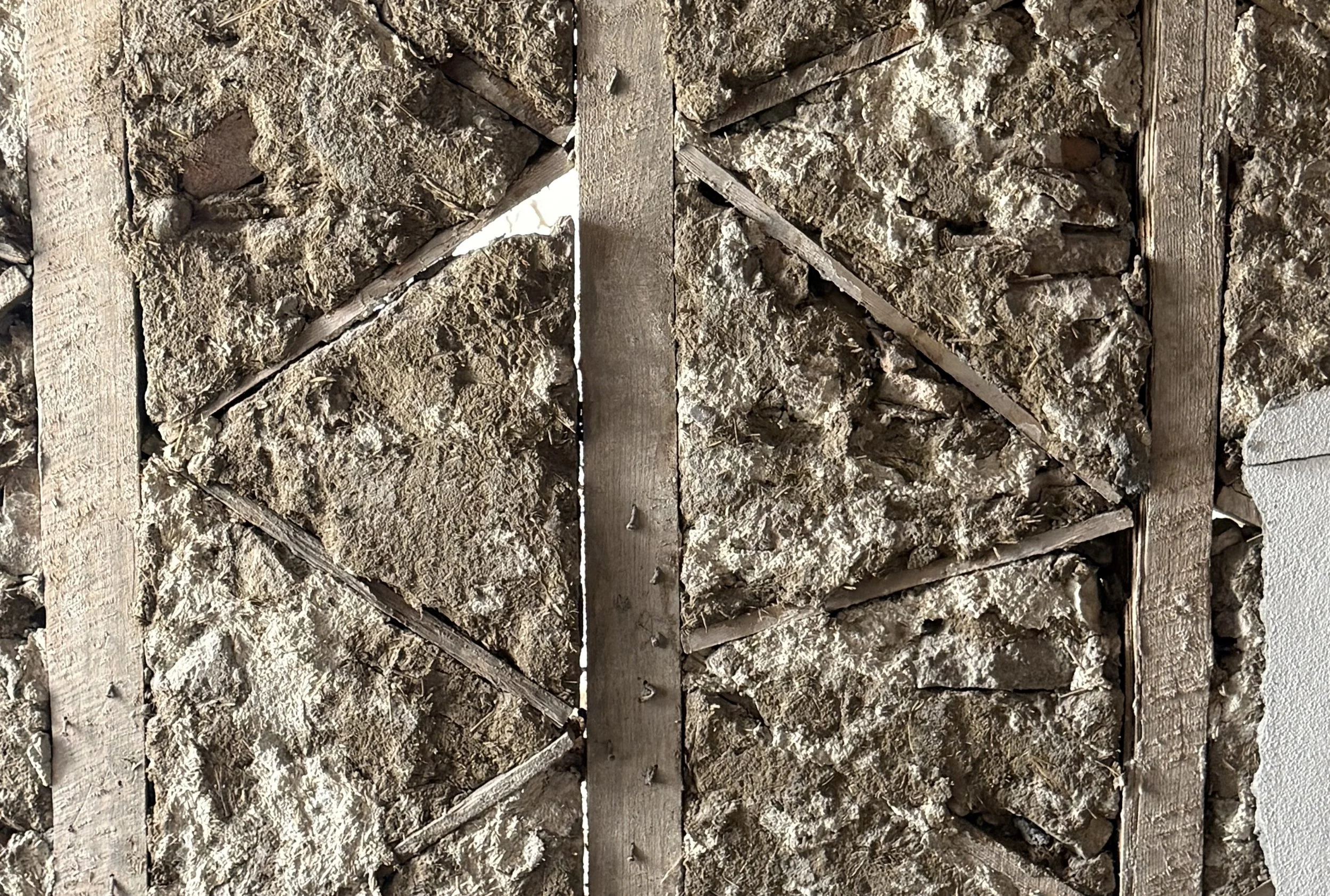
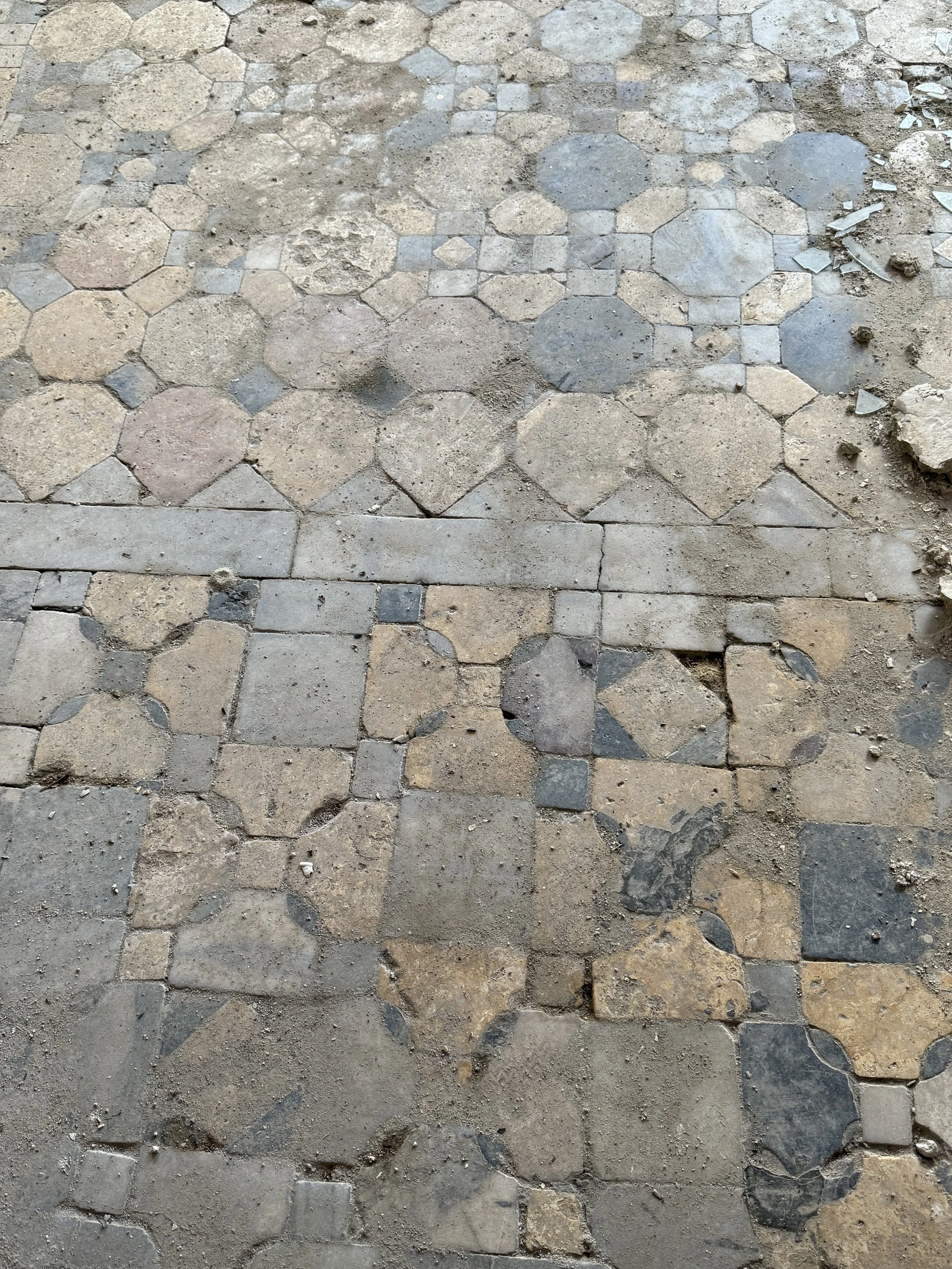
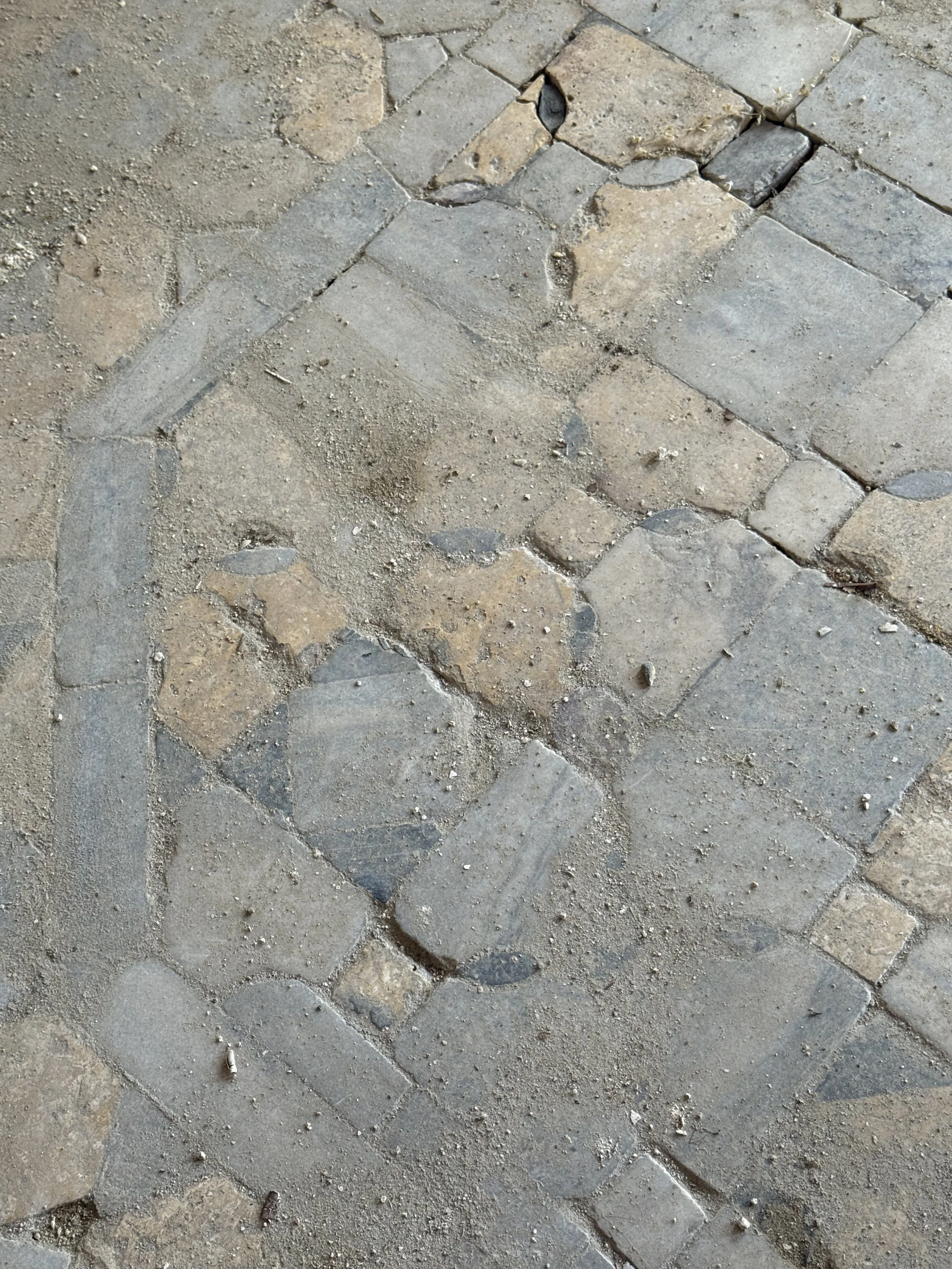
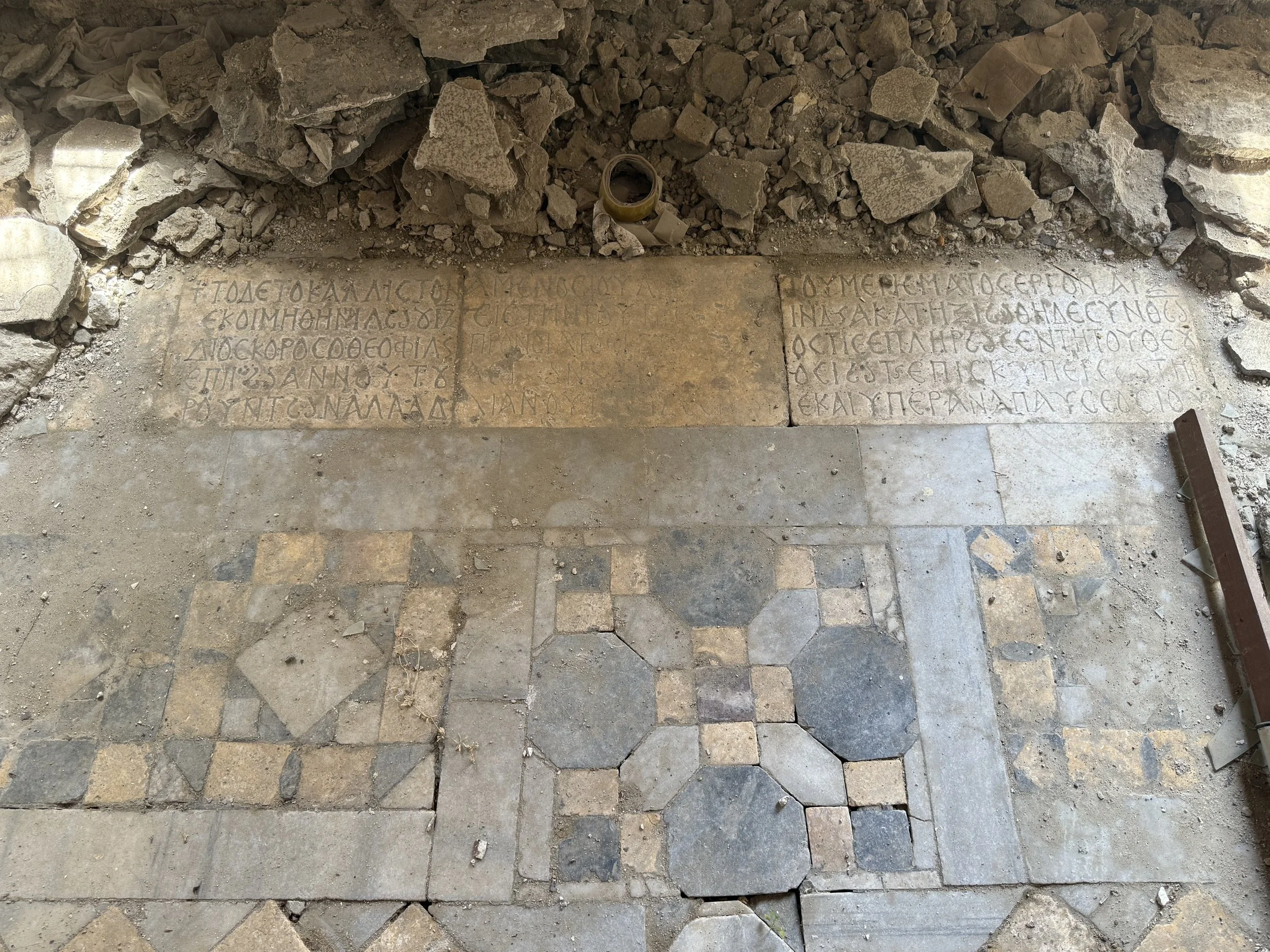
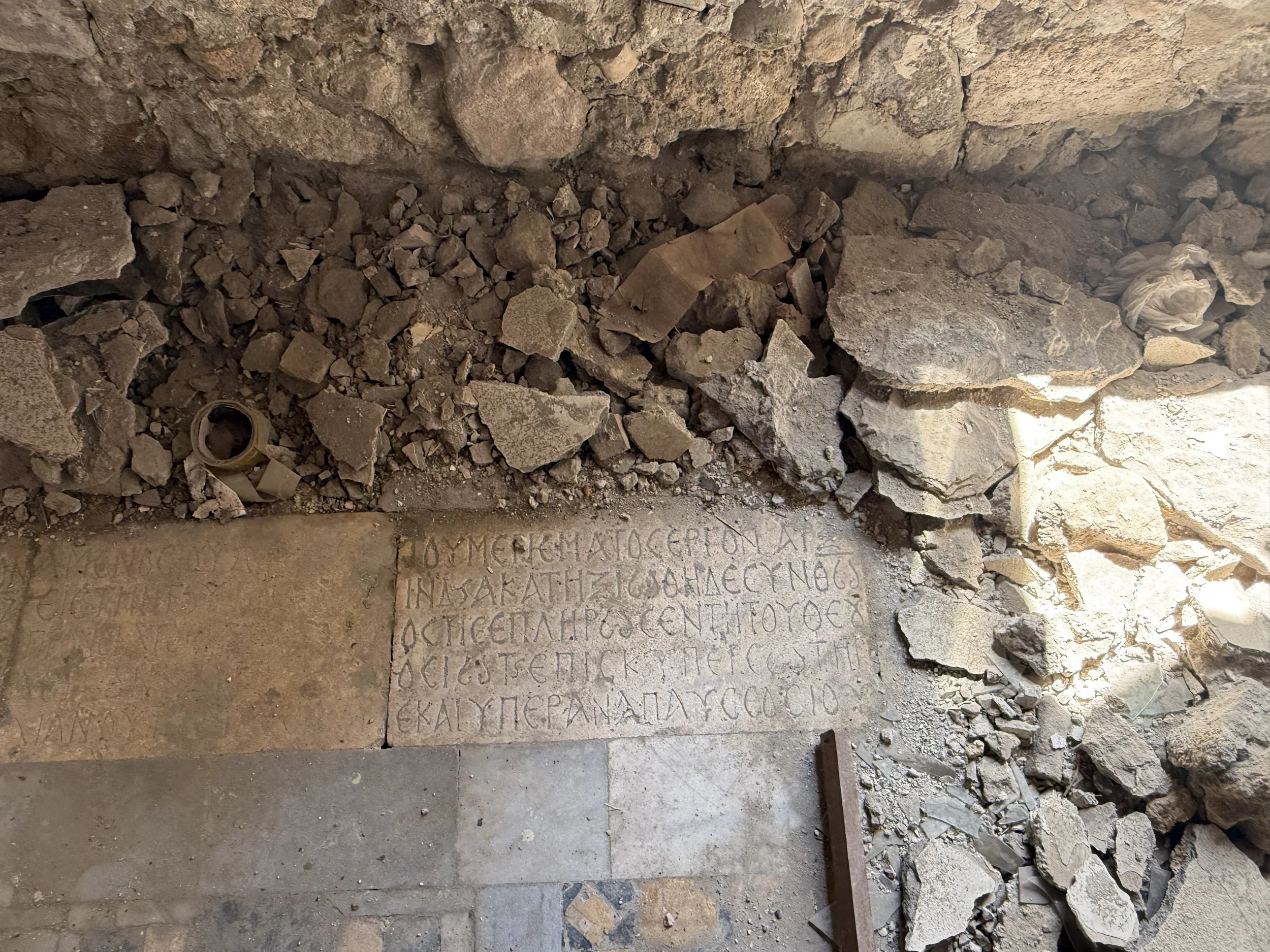
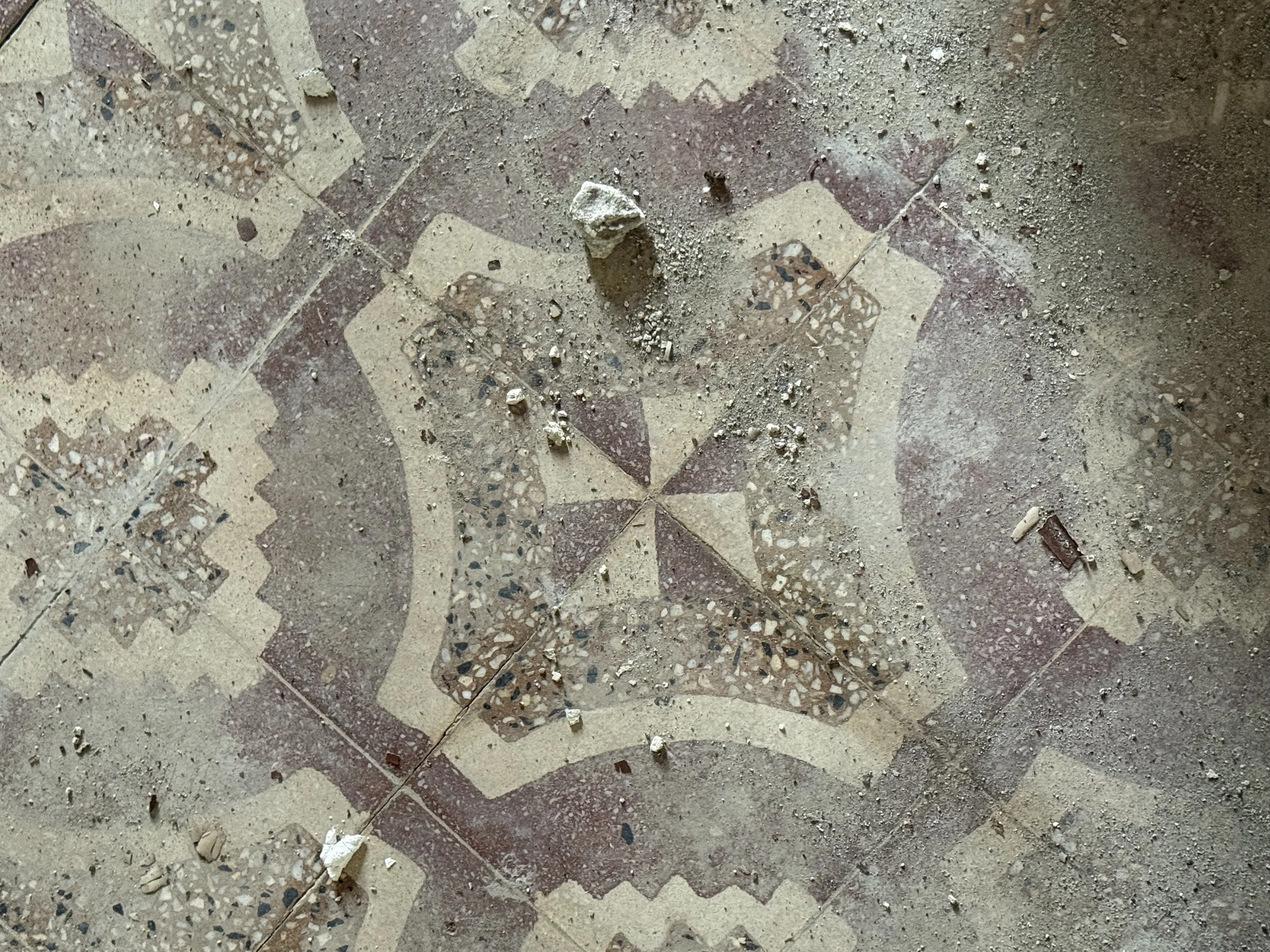
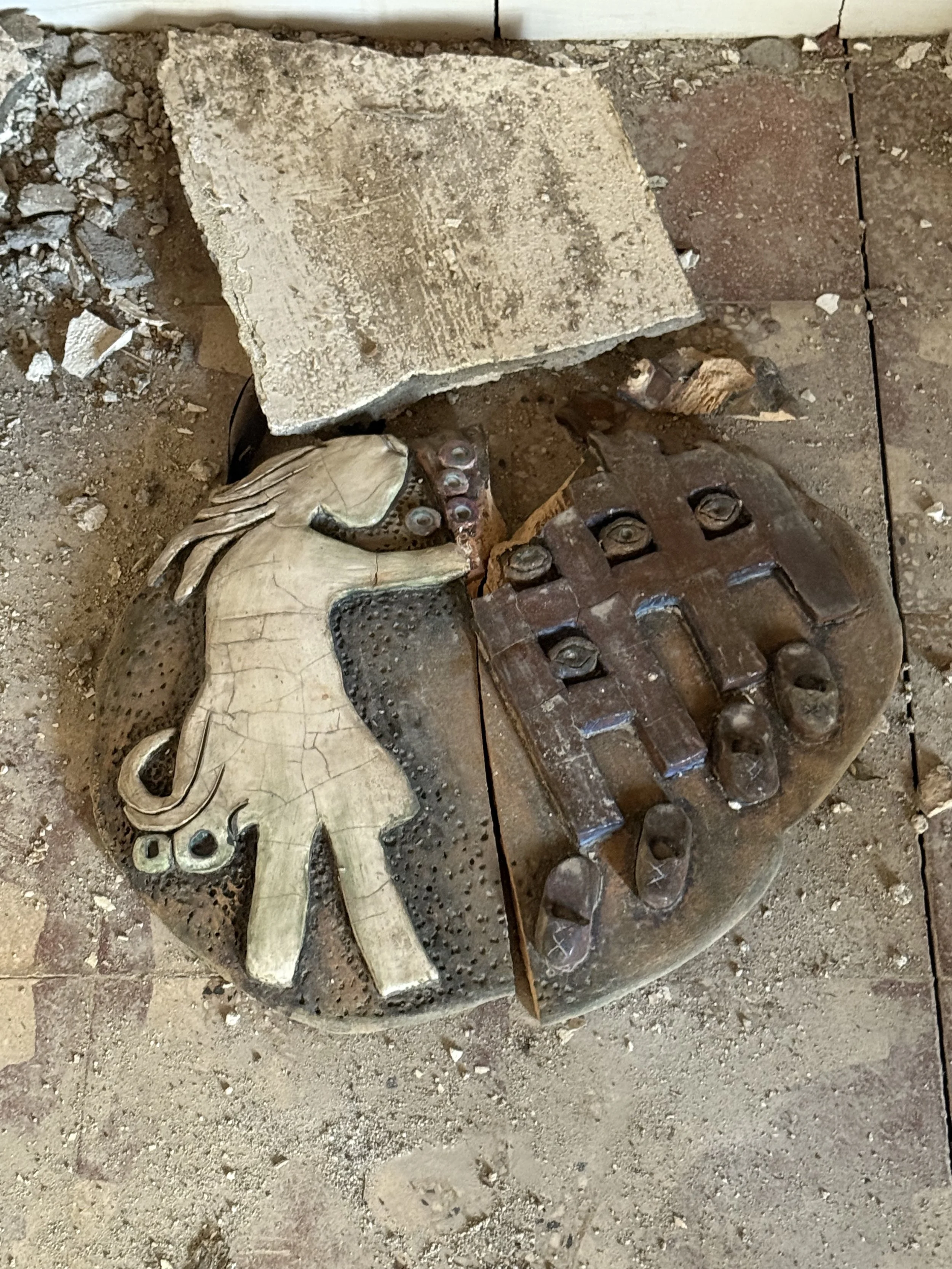
All rooms of the Iskender Sayek House of Culture were used as museum spaces. On the ground floor of the main building, the furniture or accessories used in the past remained as they were, to testify to Arsuz’s old ways. The second floor of the main building featured a wooden balcony that overlooked the courtyard, and gave access to the three interconnected bedrooms and living rooms.
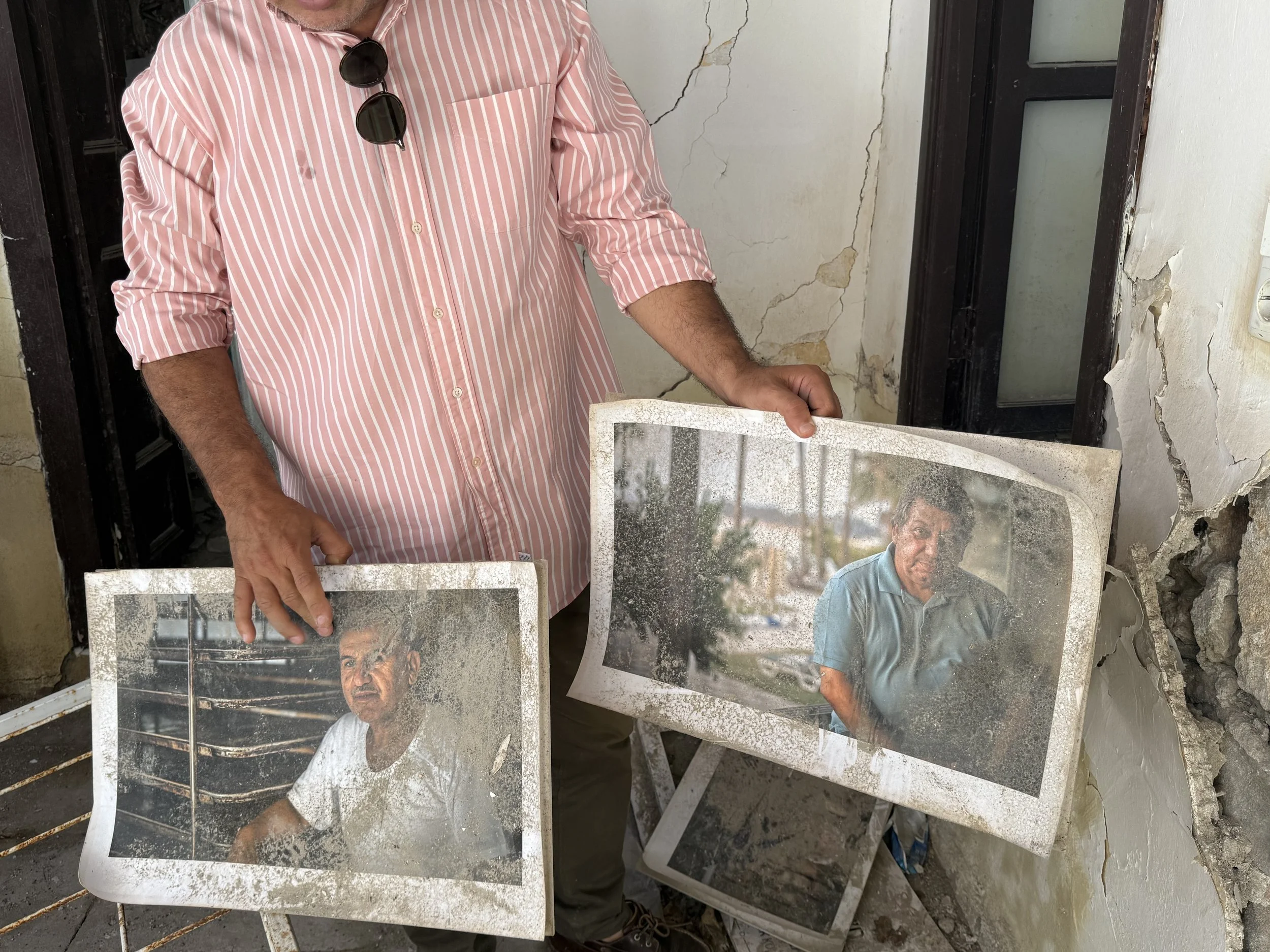
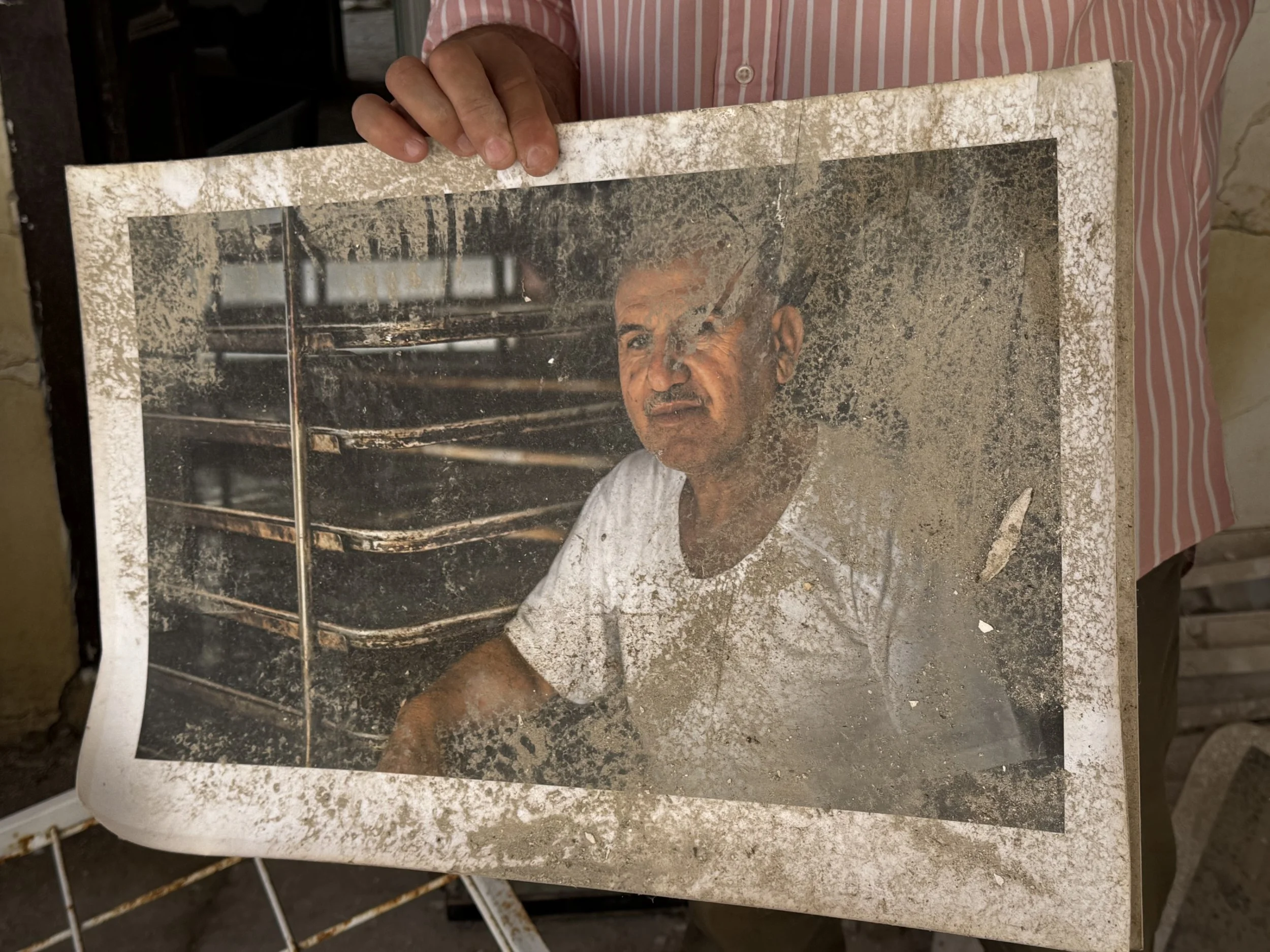
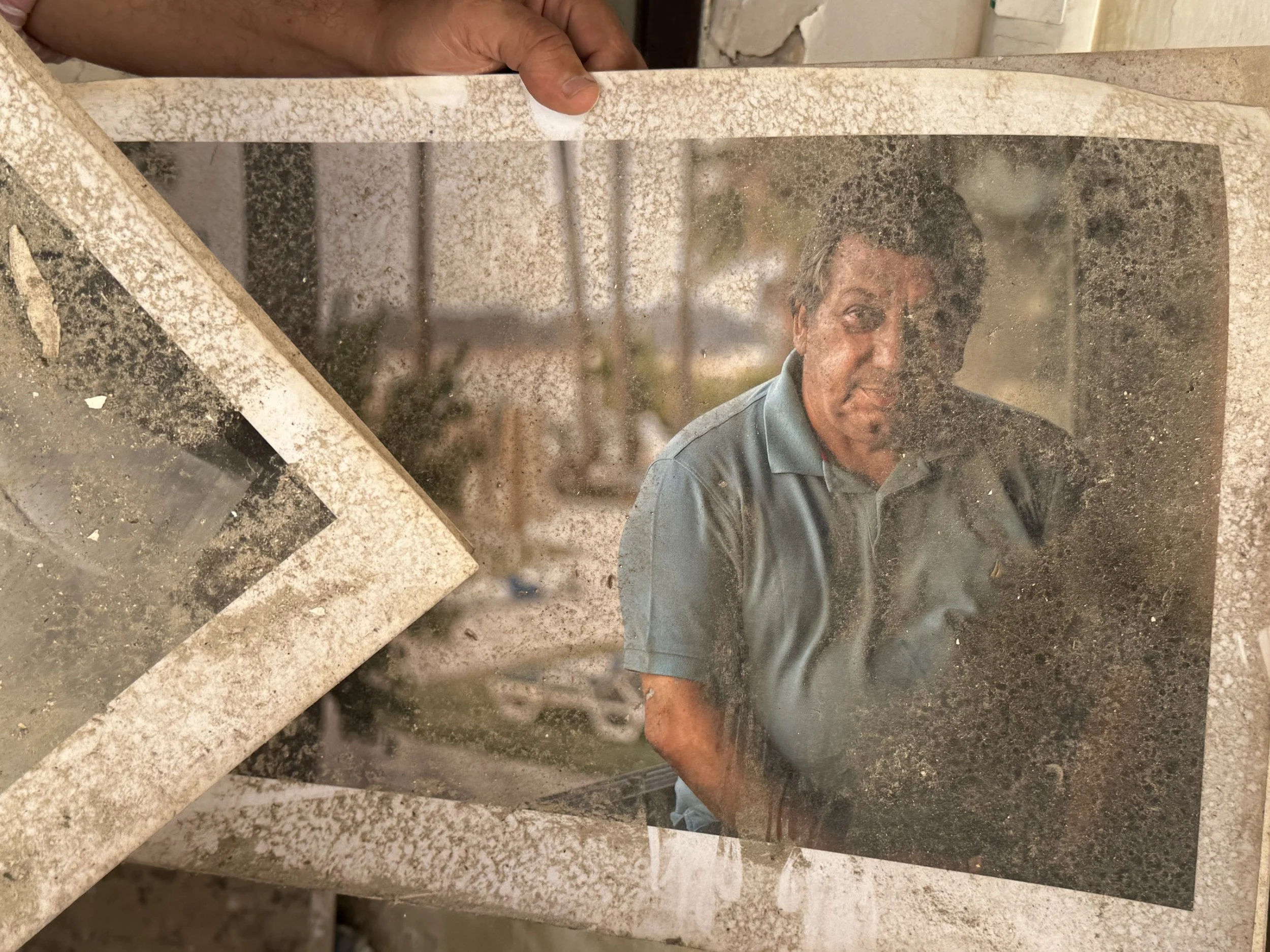
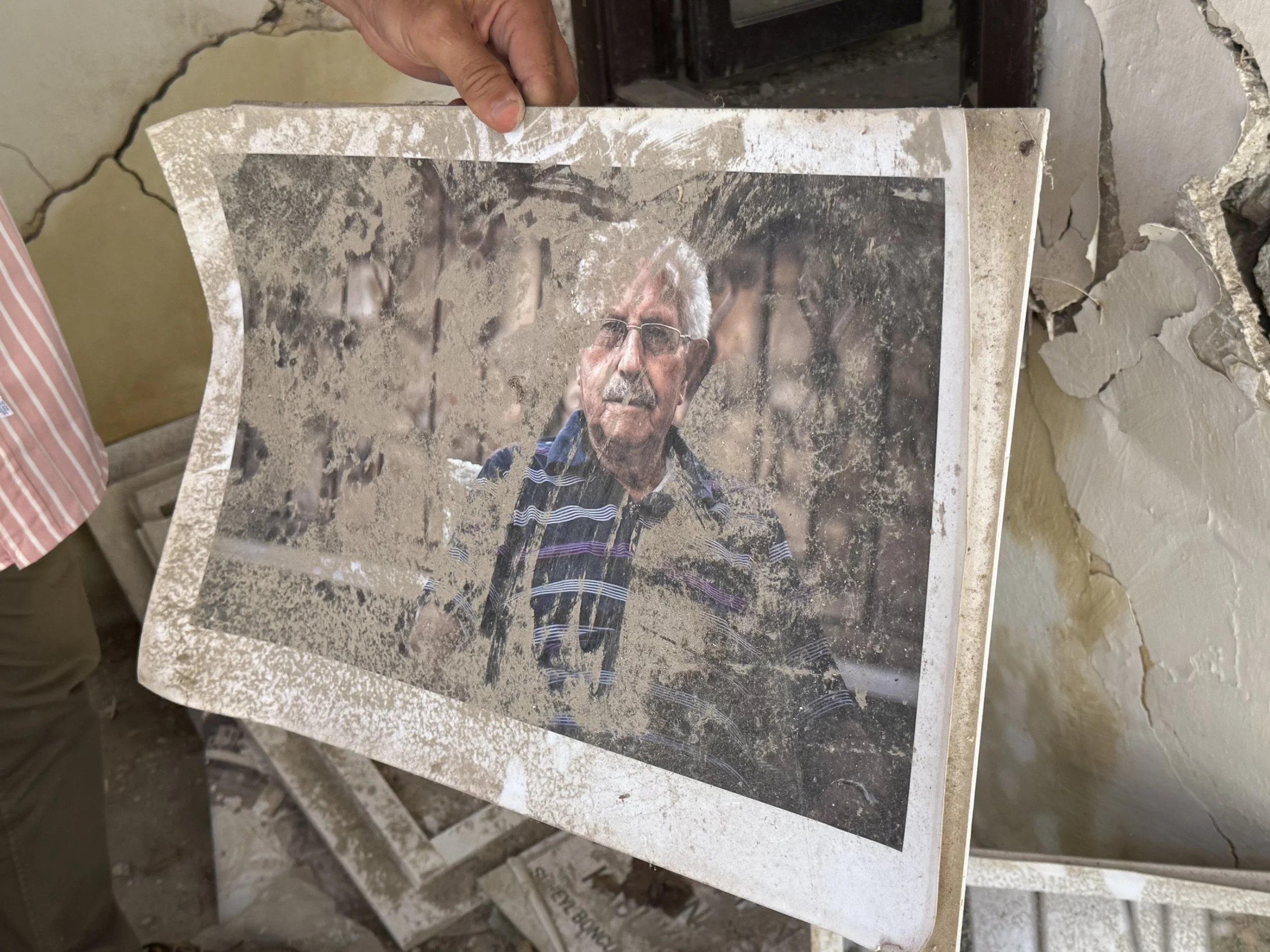
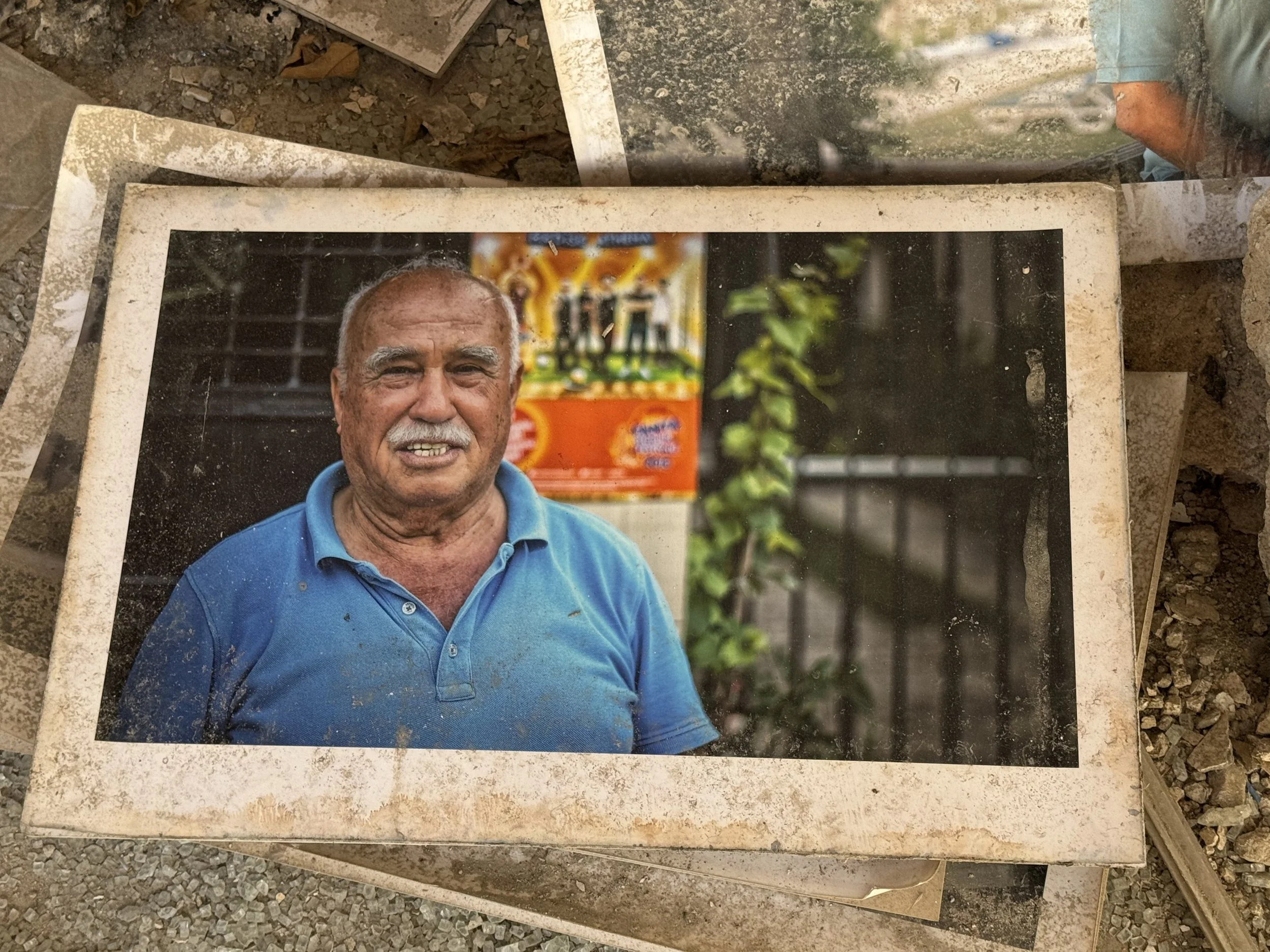
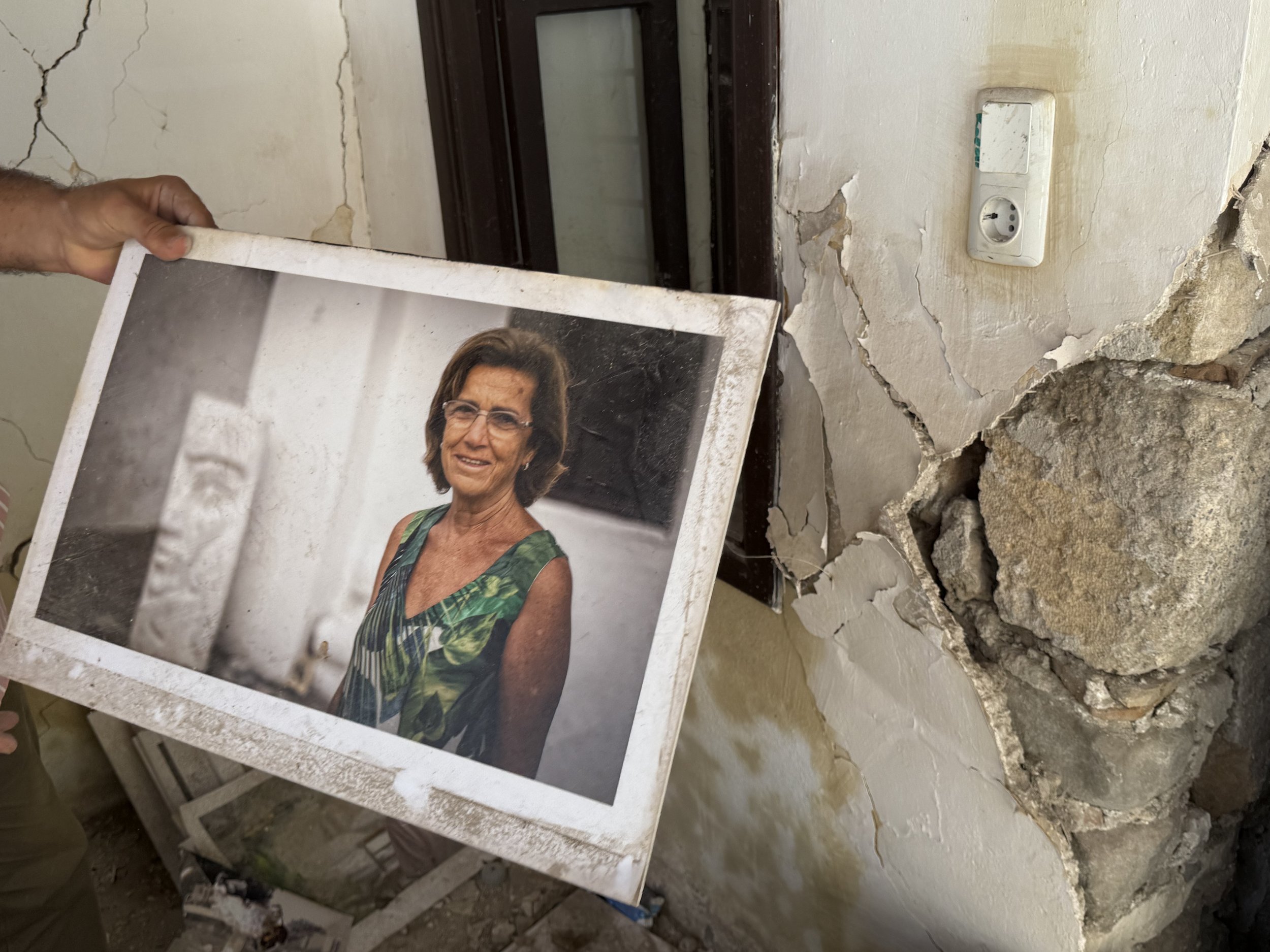
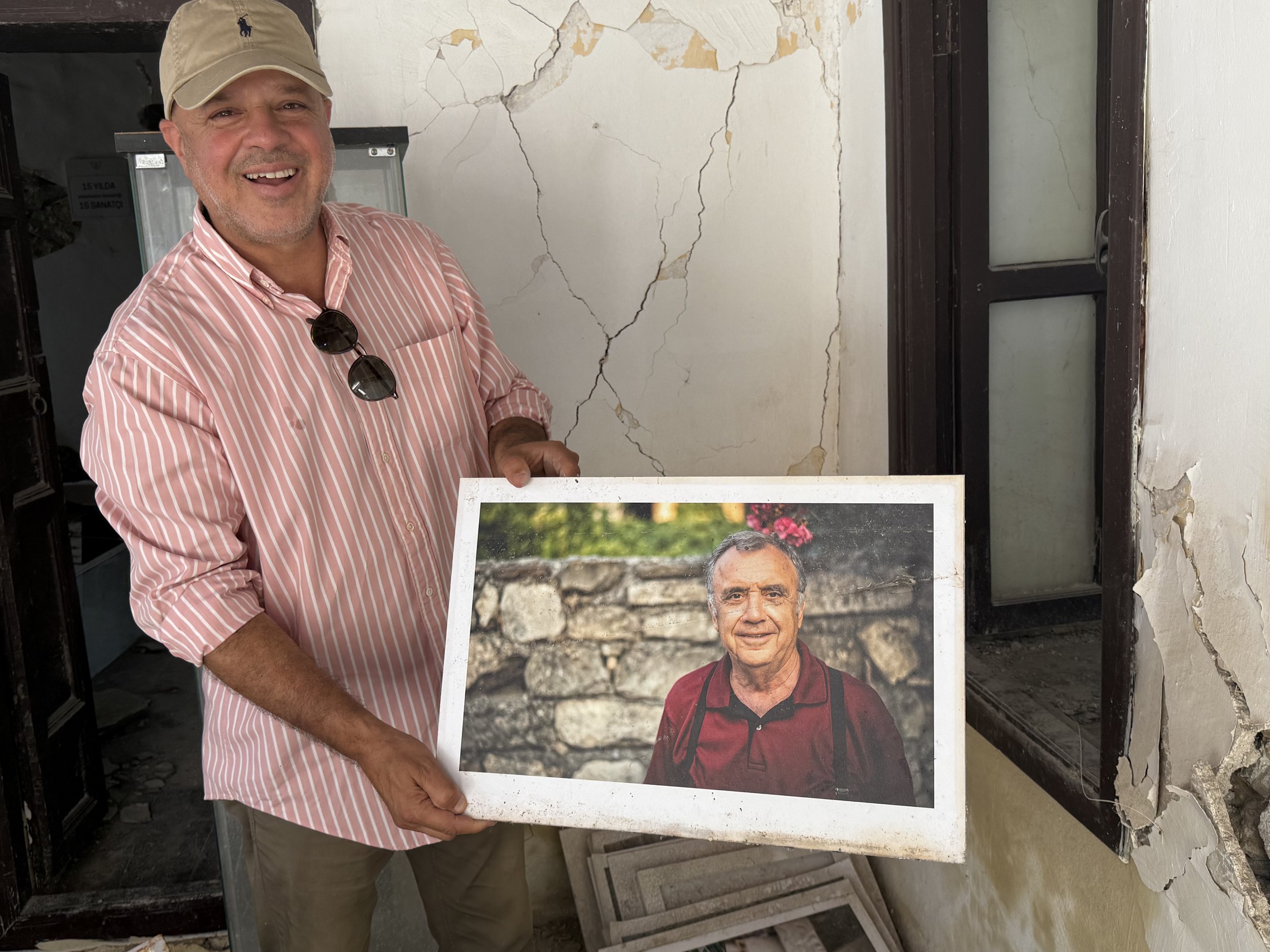
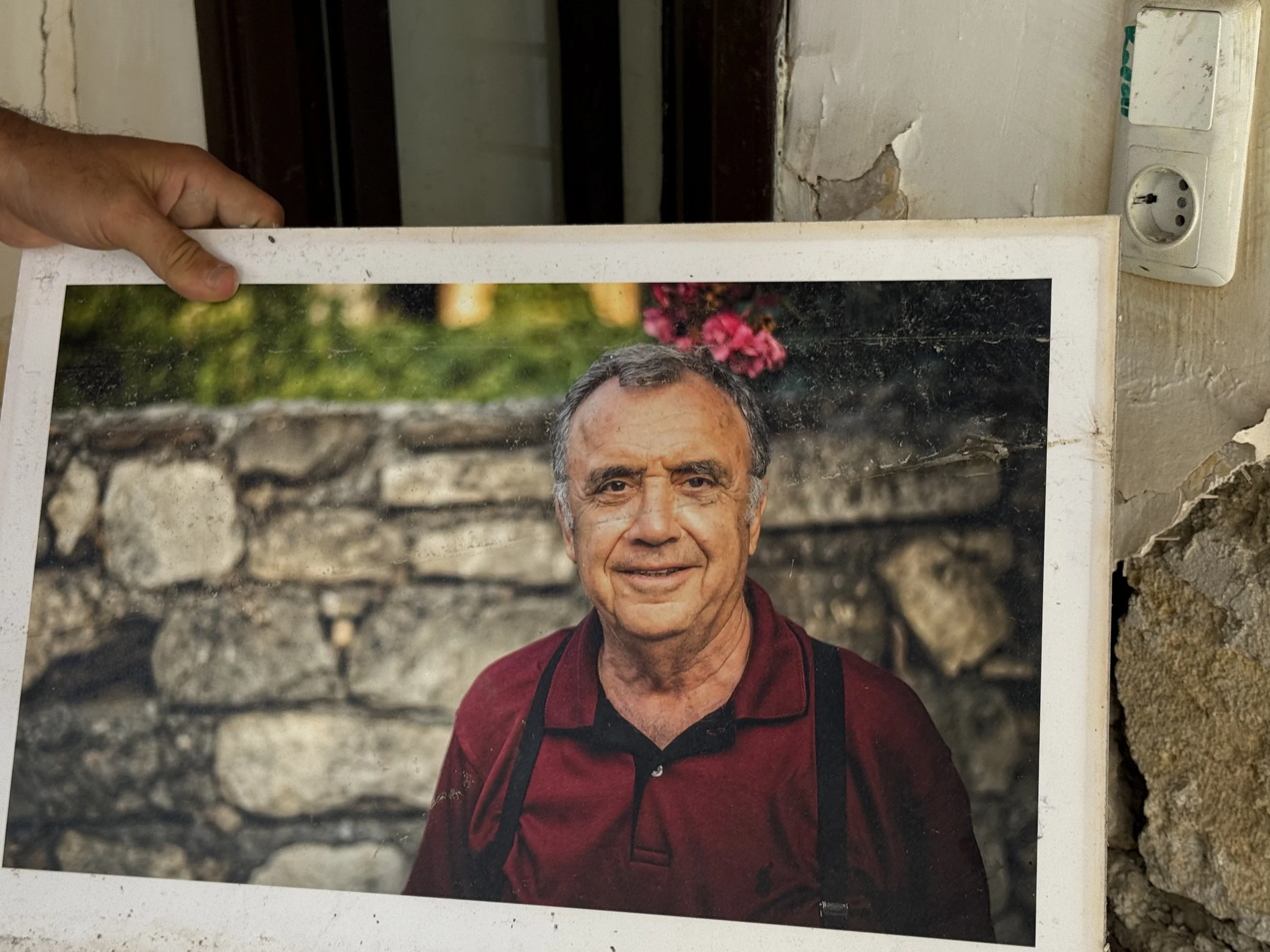
In these last images, Kozma Sayek holds up images from an exhibition that was showing at the cultural center when the 2023 earthquakes hit – the photographs he held up for the ACHA team showed local artisans and community members, and include his own father.
As the Füsun Sayek Association for the Development of Health and Education, the work focuses not only on the physical and emotional health of the community members, but also on the preservation of Arsuz's cultural heritage, with its unique characteristics, and on the transfer and promotion of the culture of the region to future generations.