Istanbul and Hatay, Türkiye
PDG Architects (PDG Mimarlar)
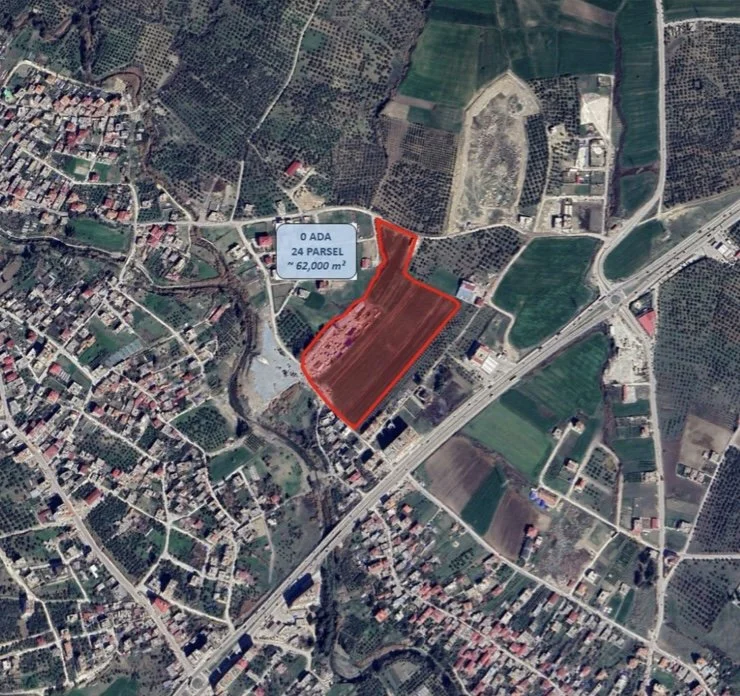
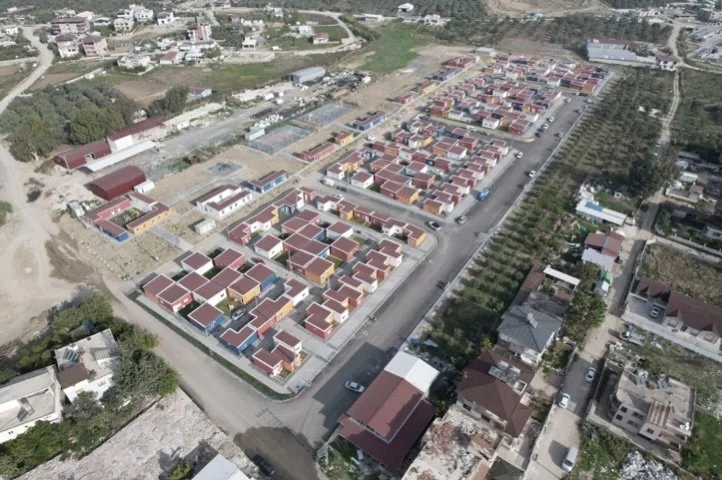
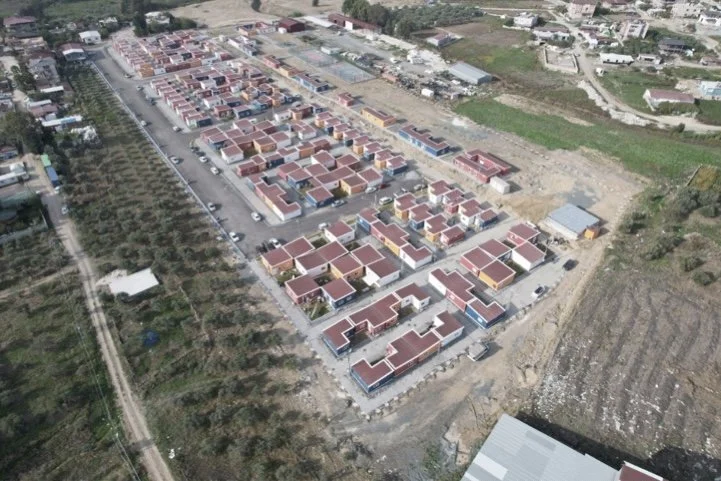
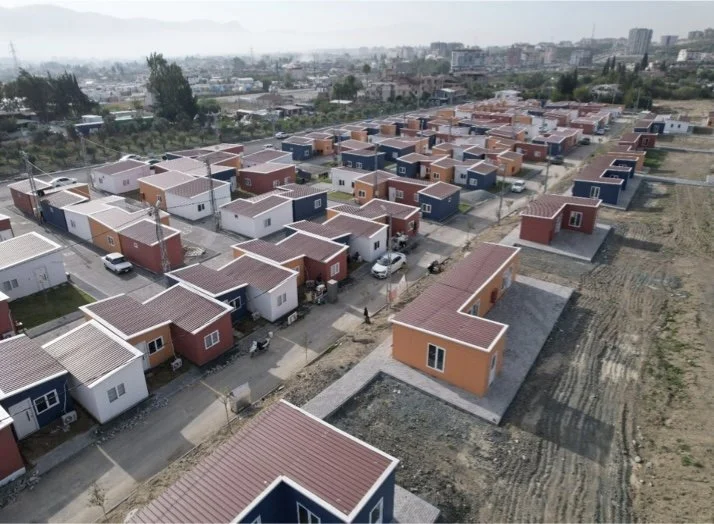
Following a disaster, the emergency response phase is followed by the temporary shelter phase. During this phase approximately 400 container settlements housing over 650,000 people were installed by AFAD (Türkiye’s equivalent of FEMA). In addition, some municipalities outside of the earthquake region also took on this responsibility, including Istanbul Metropolitan Municipality (İBB). For this container settlement in Hatay, IBB selected PDG Architects (PDG Mimarlar) as the design architect.
Collaborators: Istanbul Metropolitan Municipality (İBB)
KİPTAŞ (IBB’s housing subsidiary)
Image Credits: PDG Architects
Recognizing Loss in Design
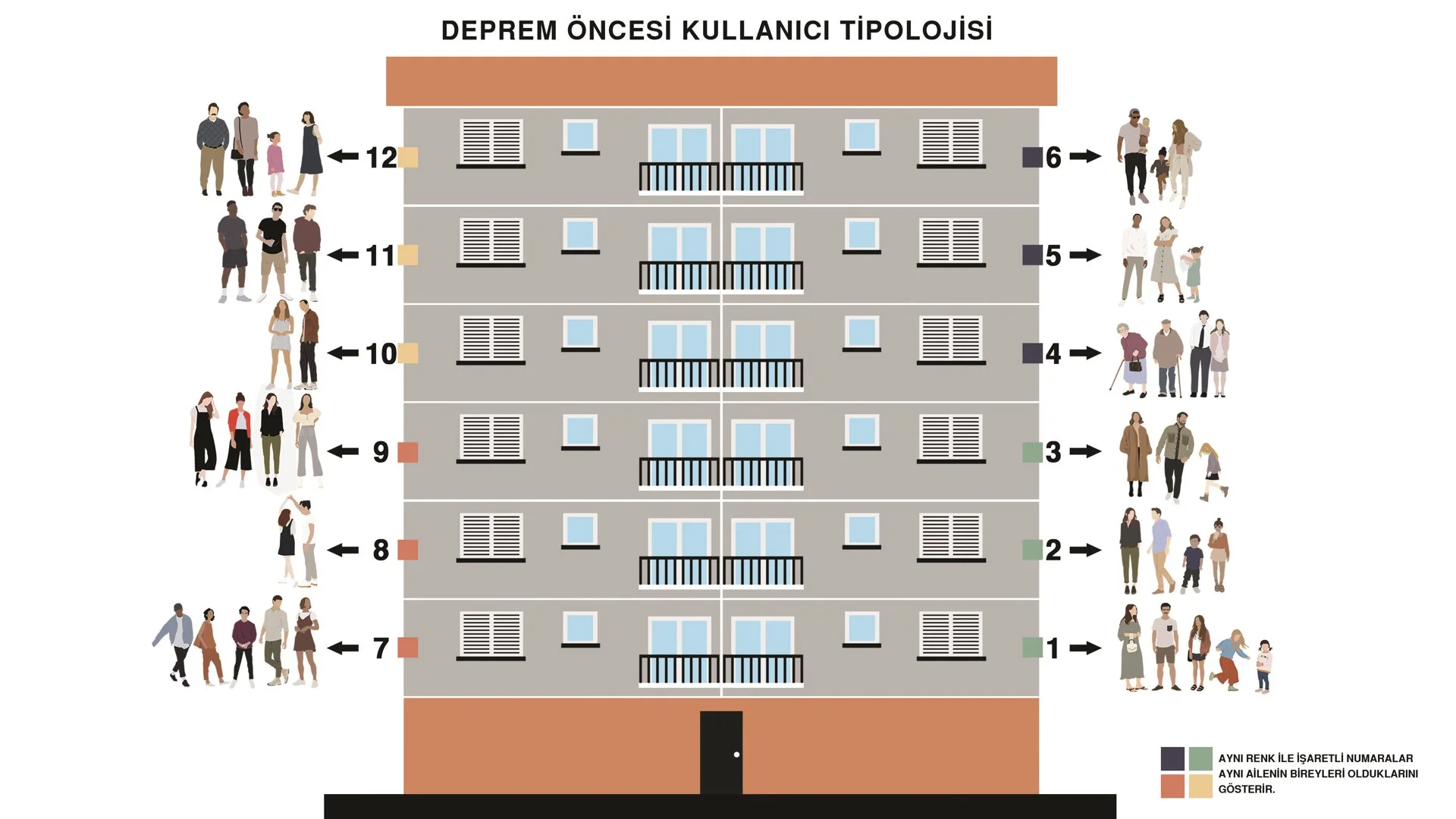
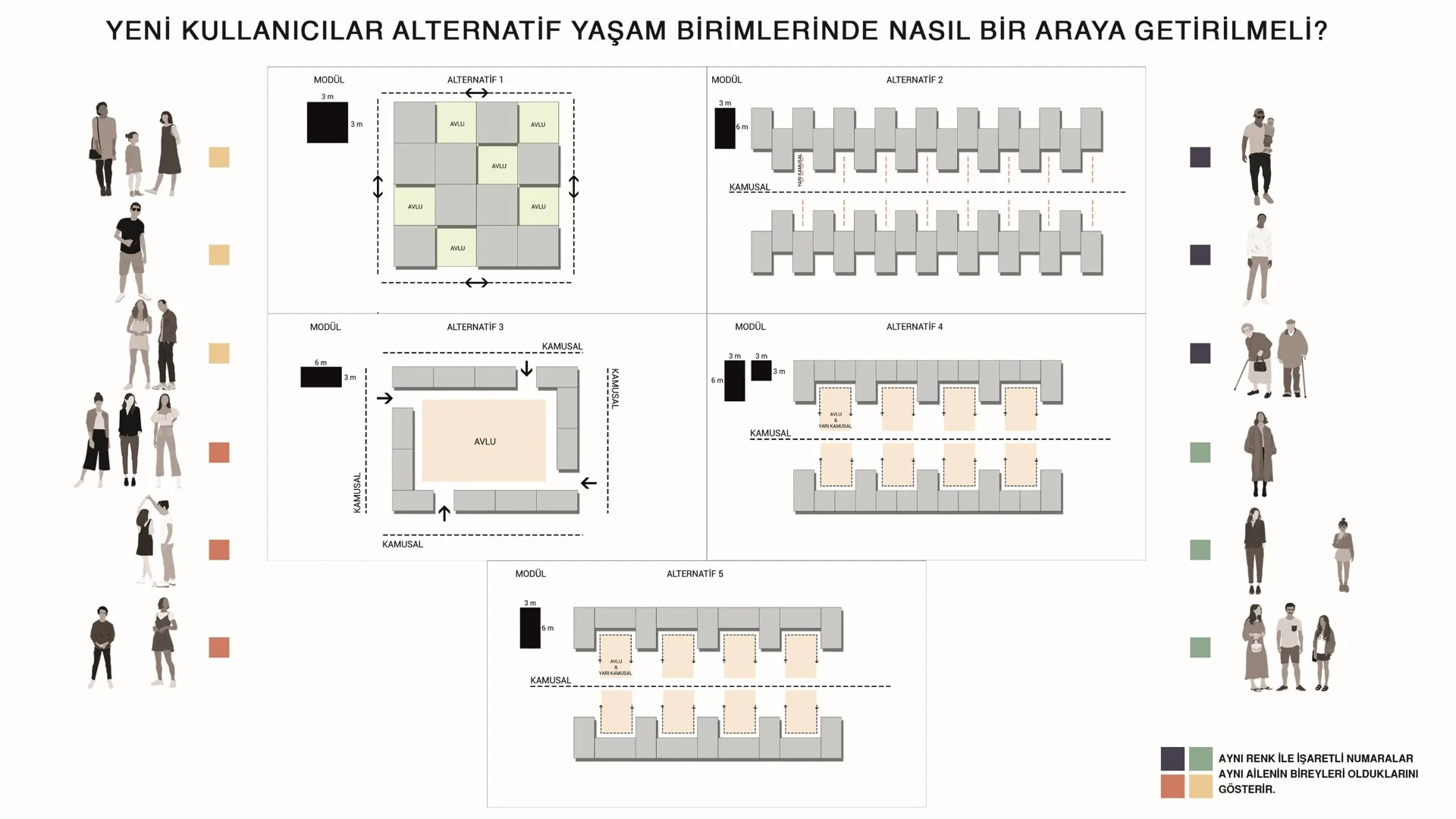
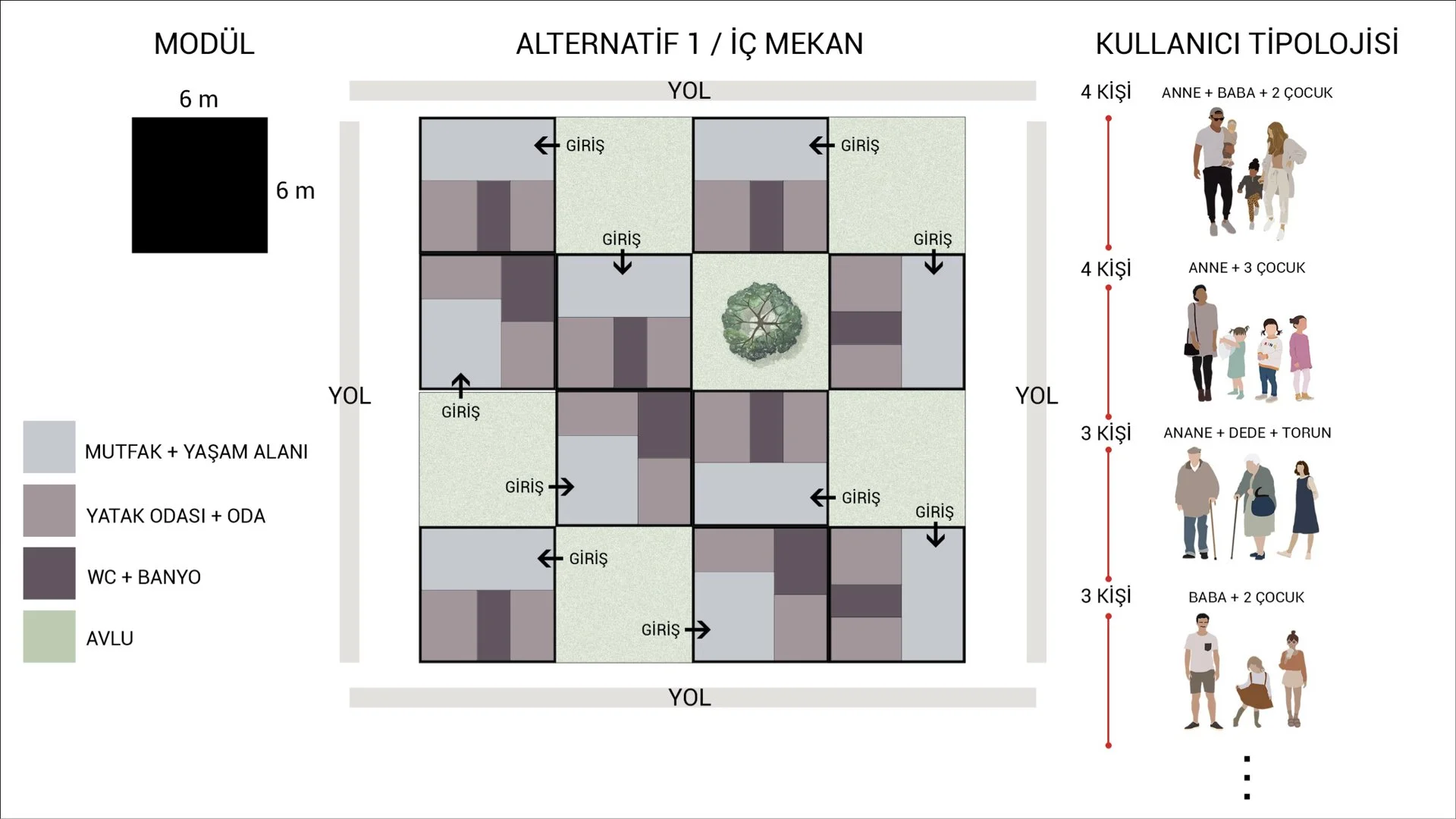
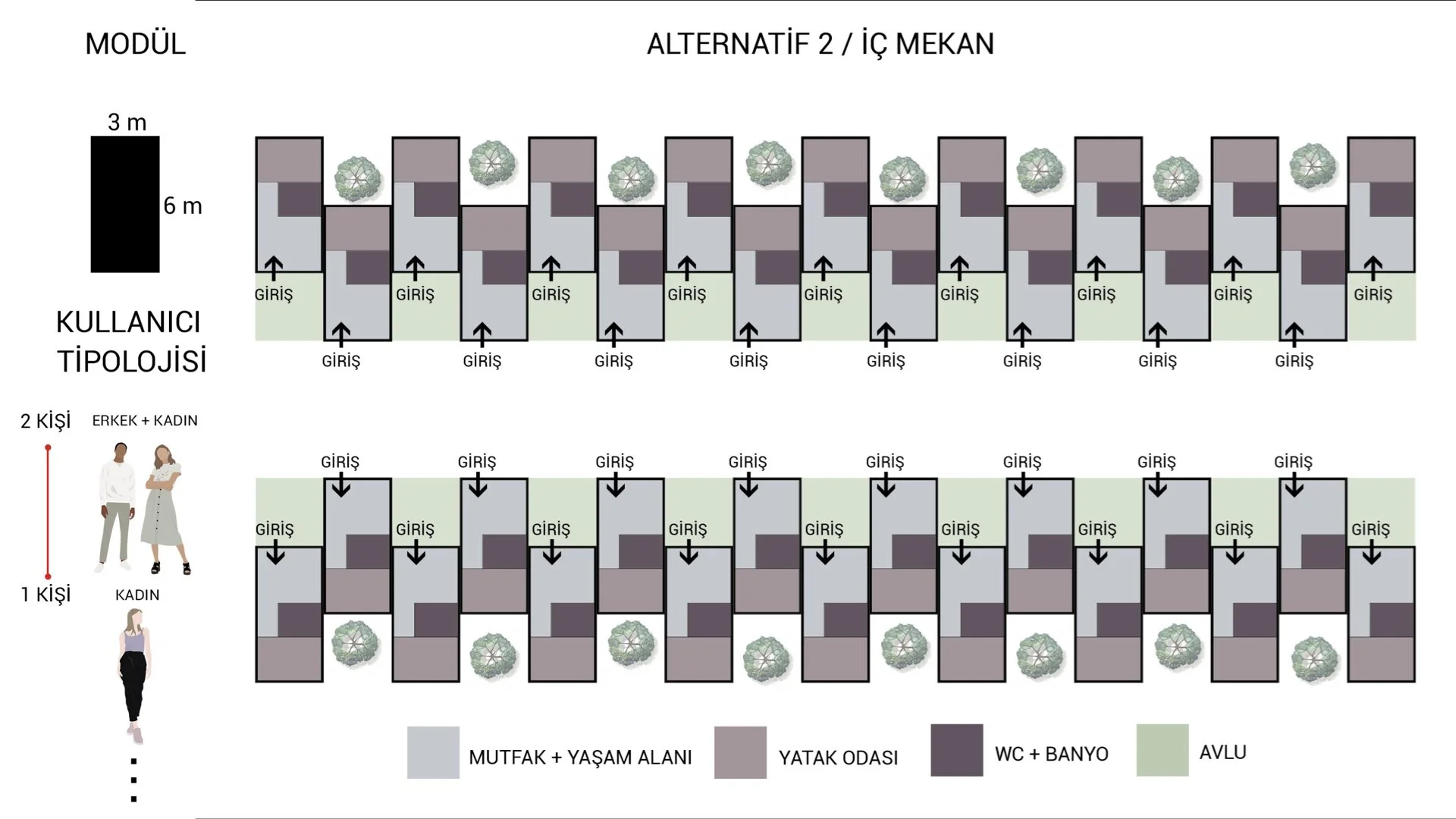
Recognizing people’s wounds and considering how those wounds might heal was as large an issue in the design as creating spaces for social interaction. Would a father who lost his child feel greater pain every day upon seeing the child of a neighbor, or would he instead find consolation? This was not something an architect alone could decide. With the help of psychologists and sociologists, the team considered transitions between private and public space, organizing the relationships between units and their surroundings.
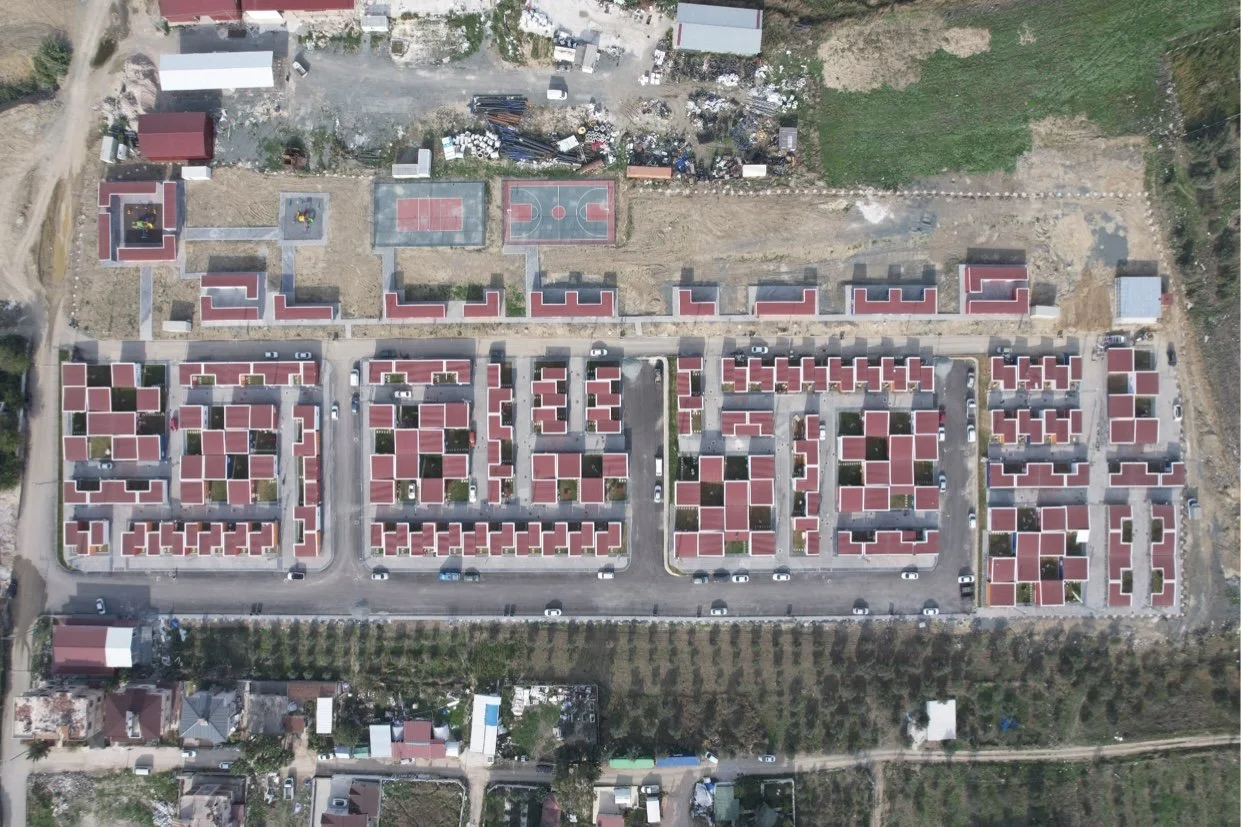
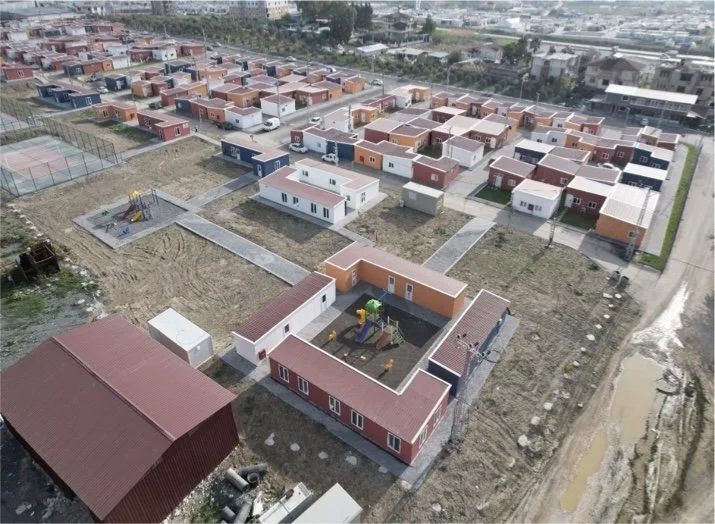
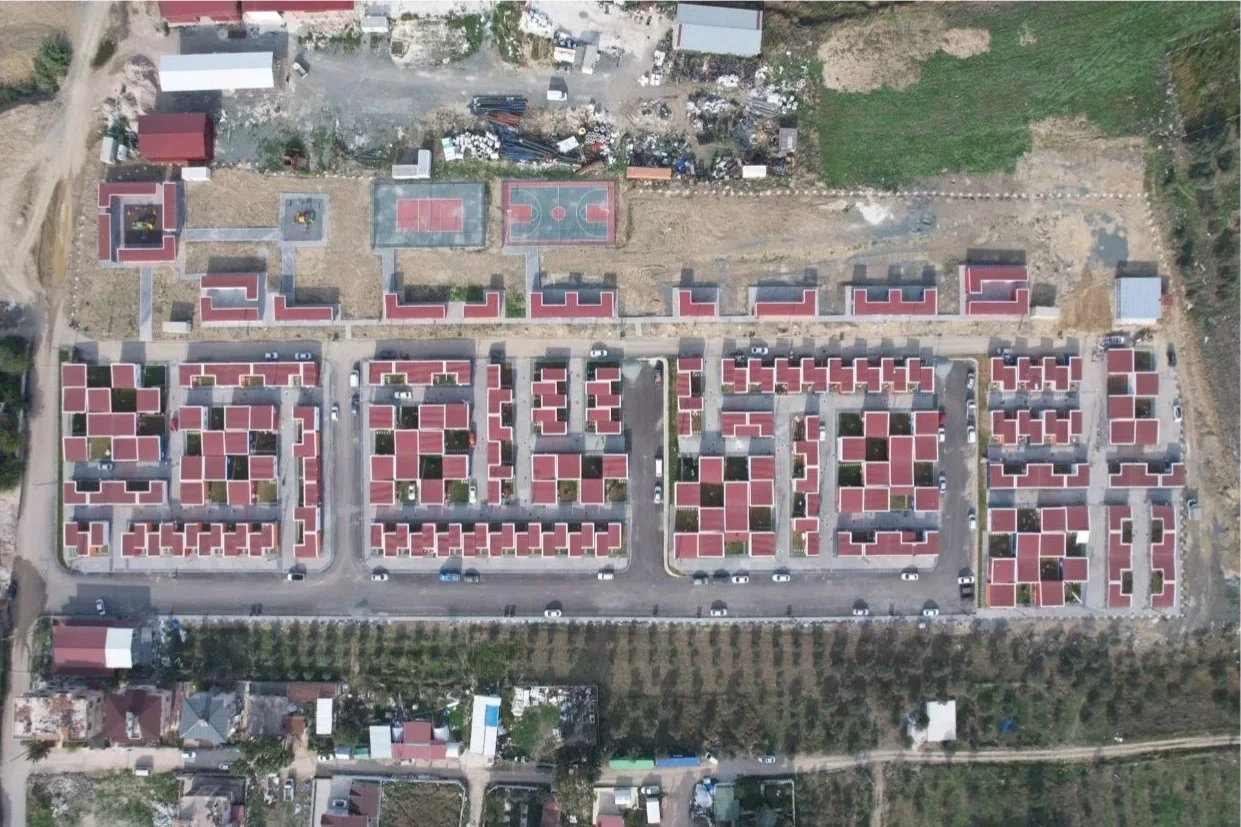
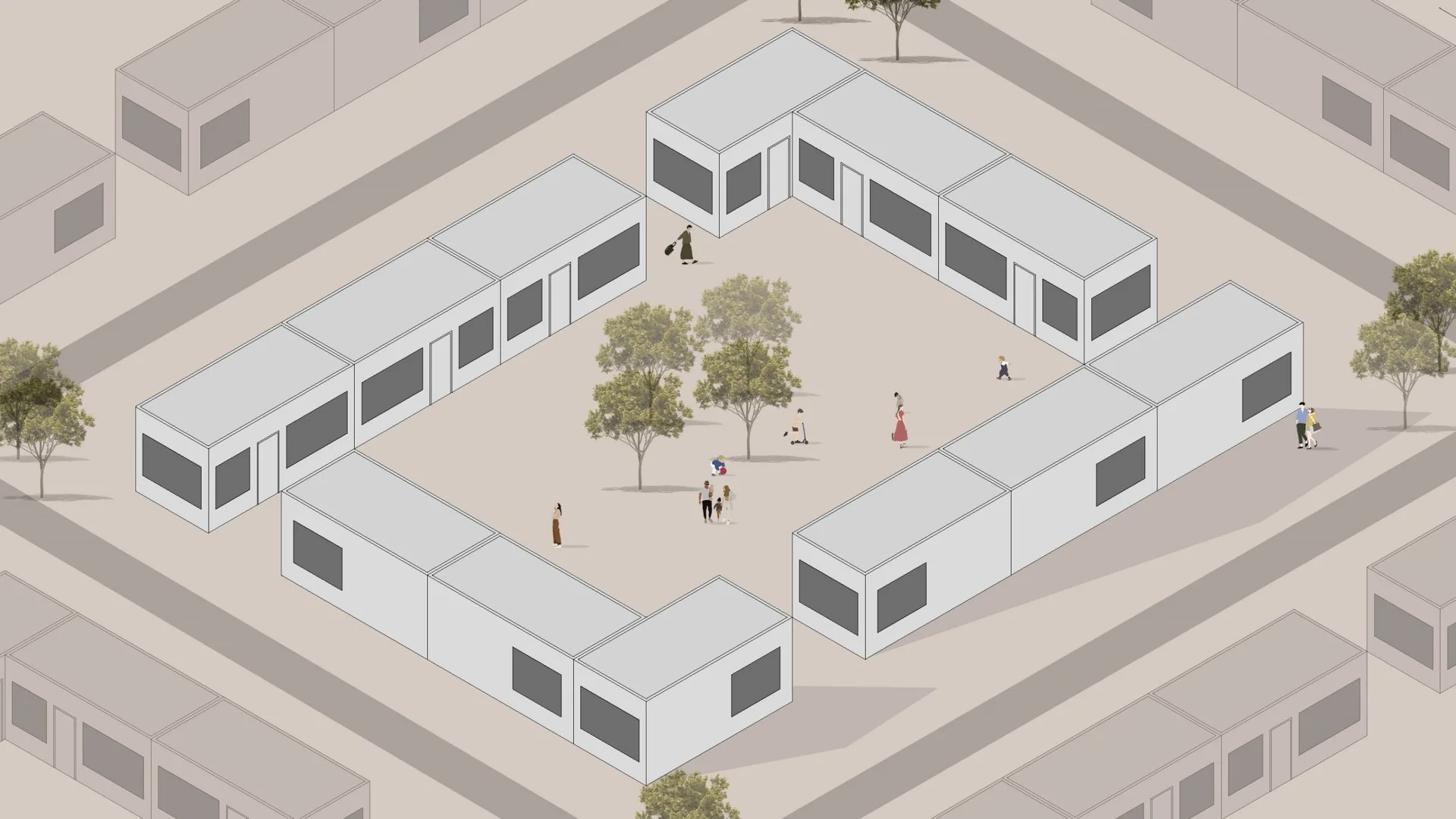
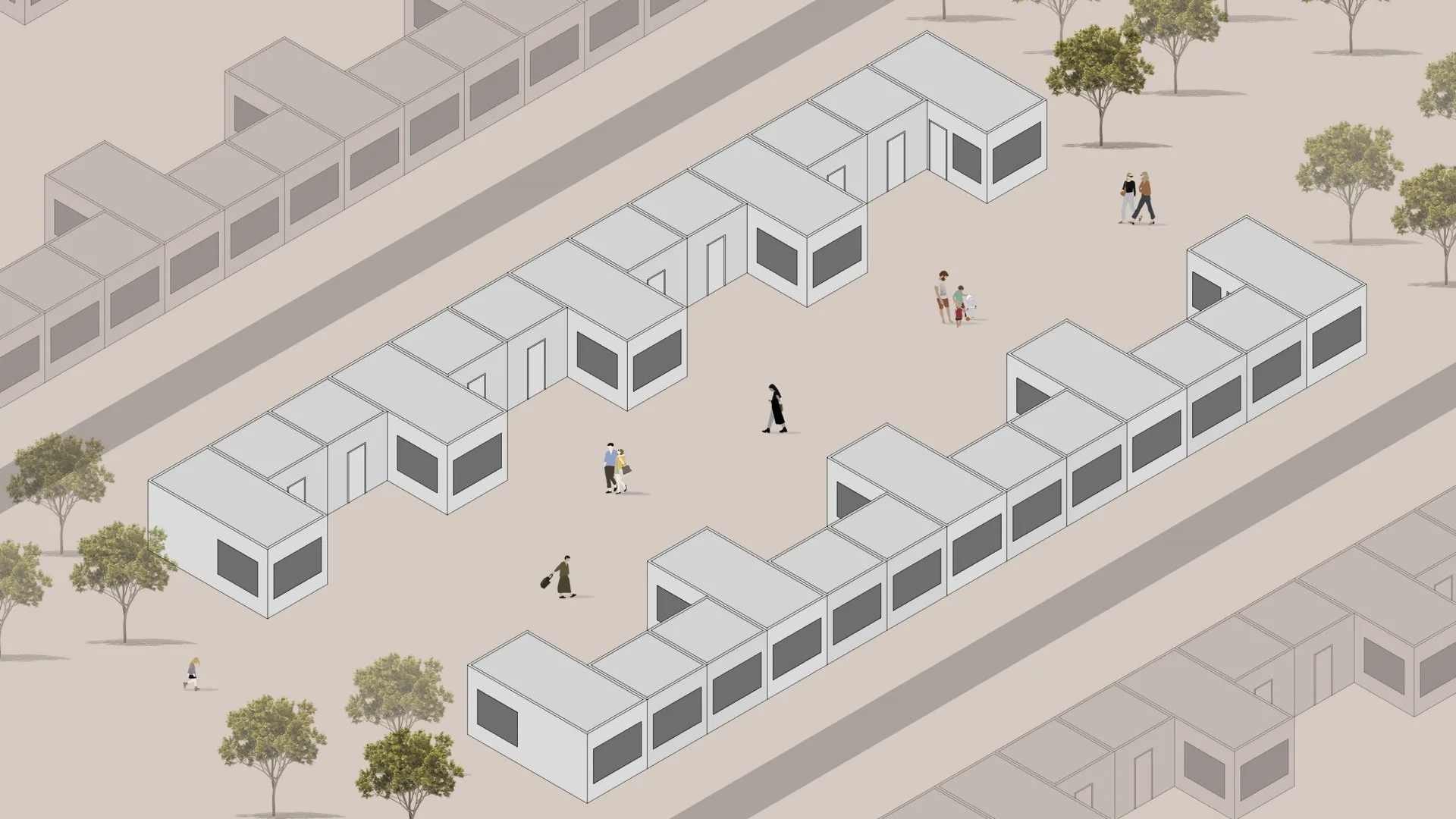
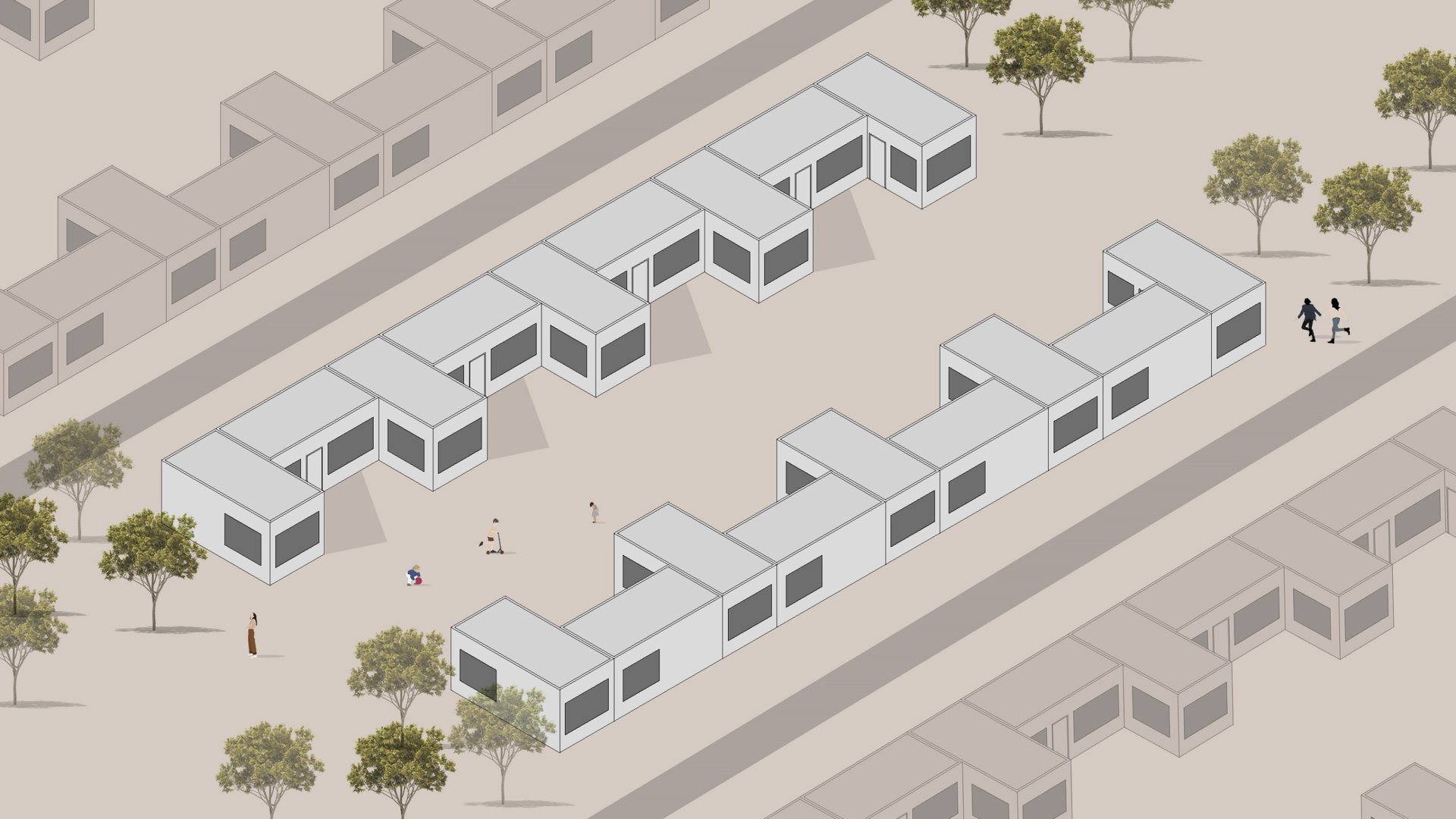
In the image on the left, we can see how multiple members of four families lived in the same building (one color for each family) before the earthquakes. In PDG’s project, efforts were made to house extended families around a common courtyard (as in the image on the right).
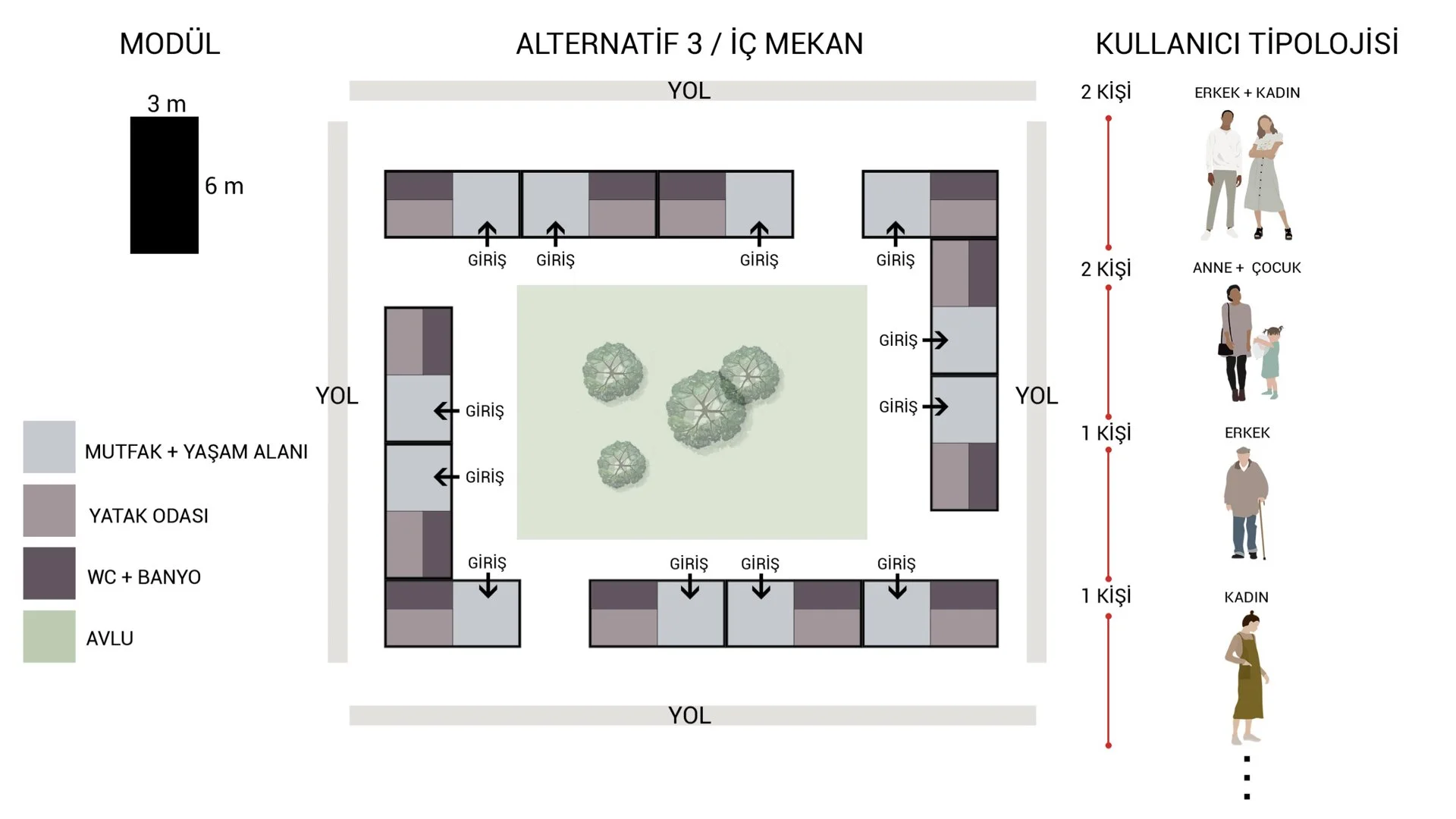
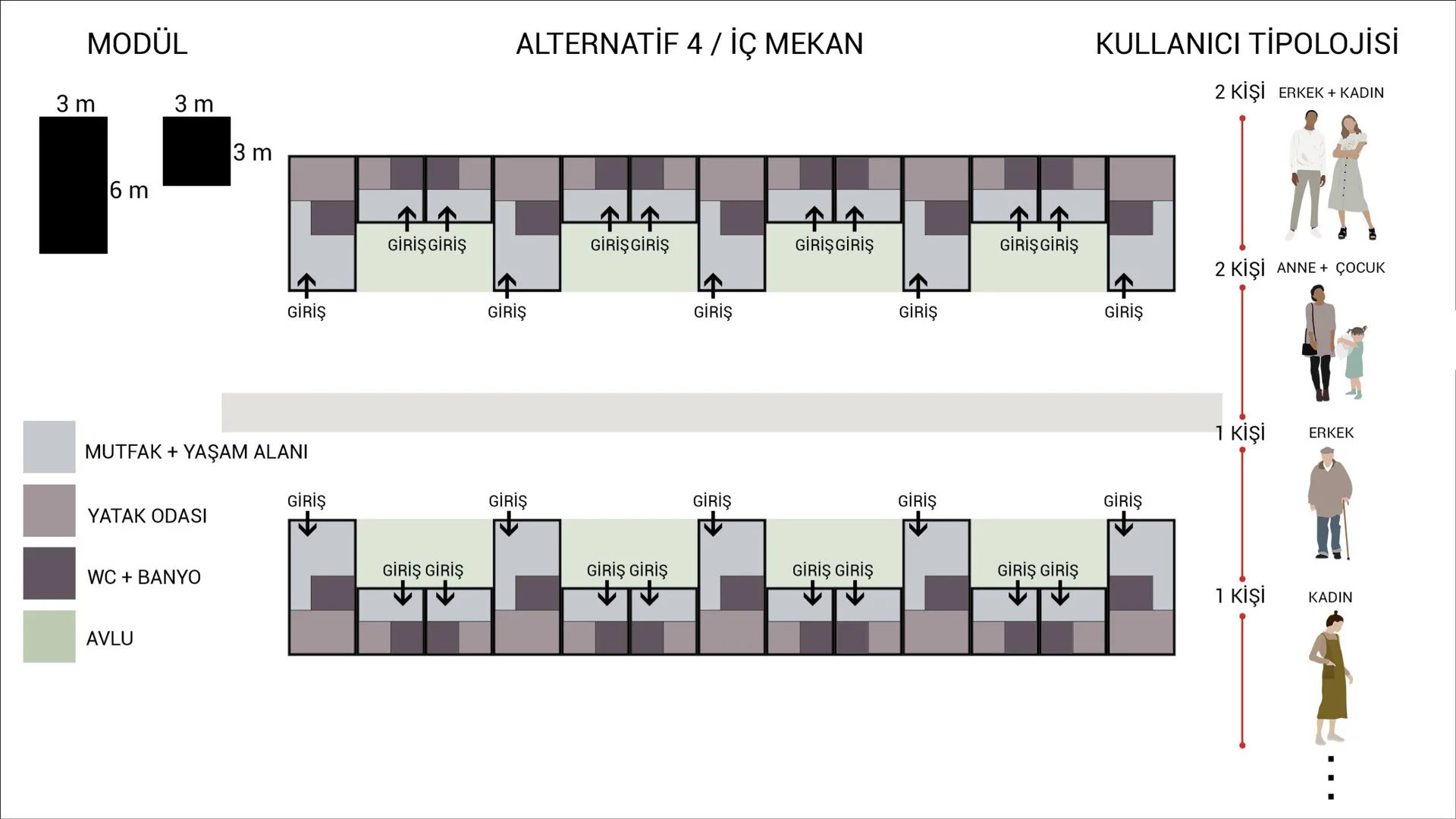
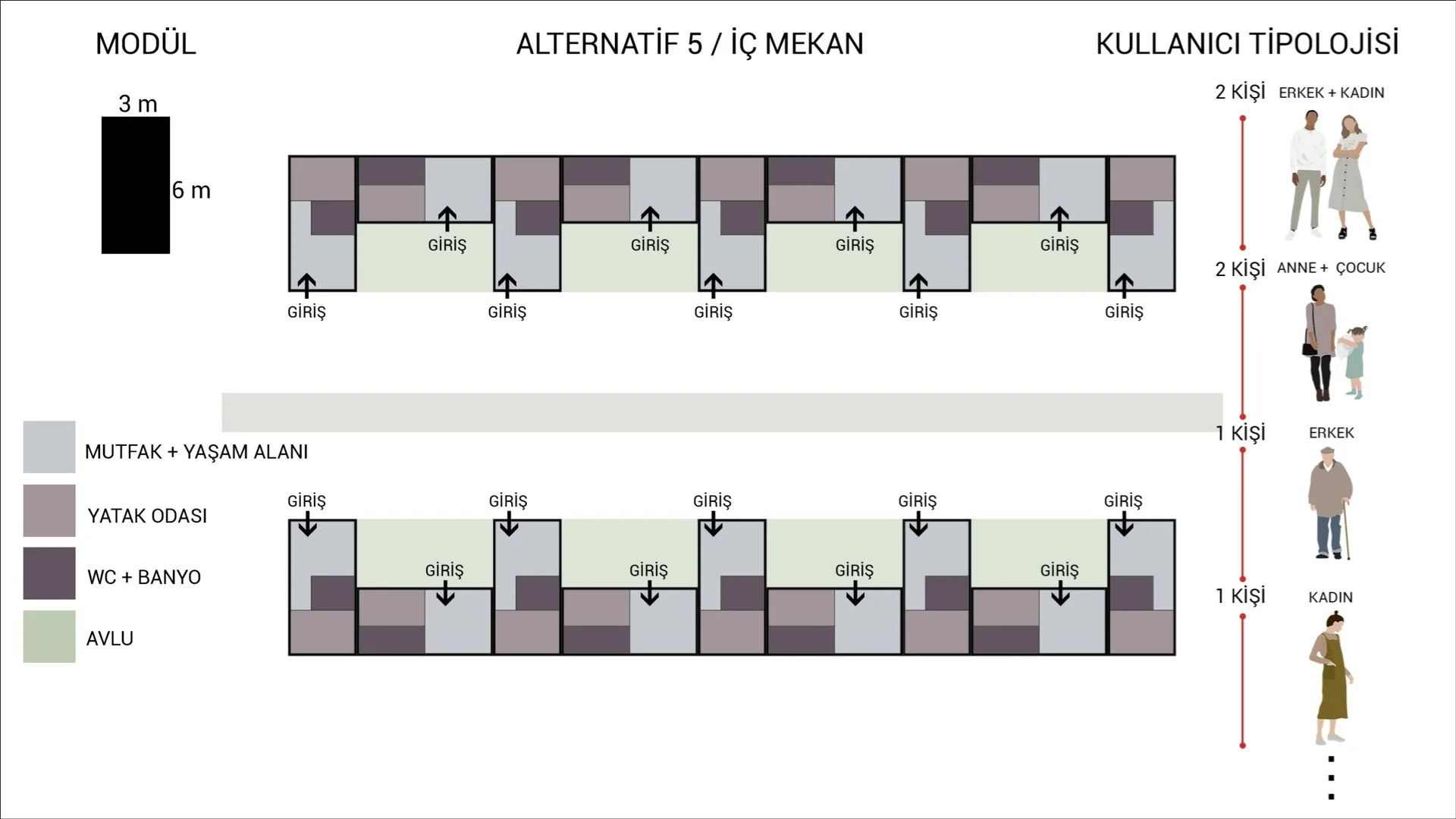
Community and Interstitial Spaces
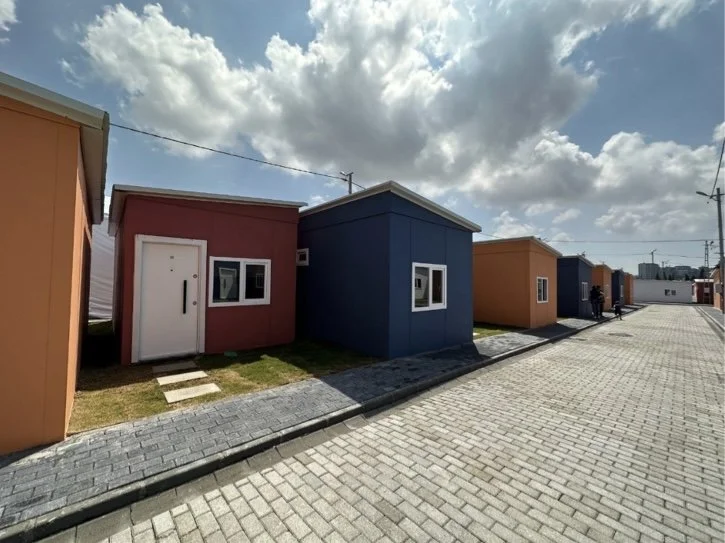
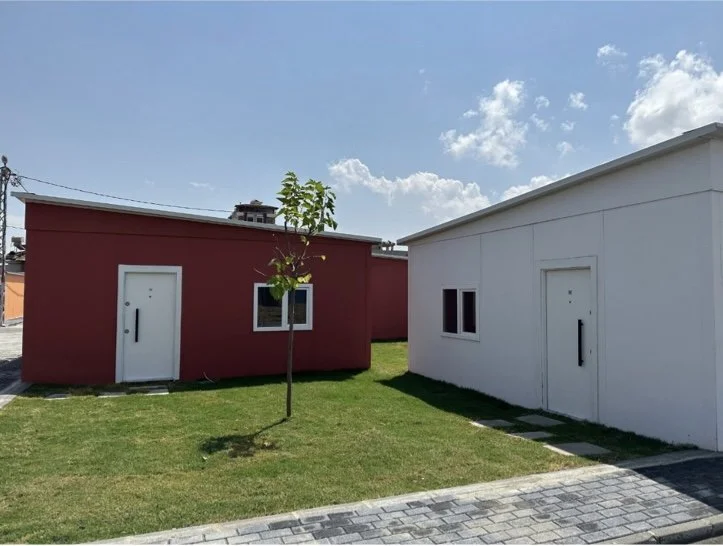
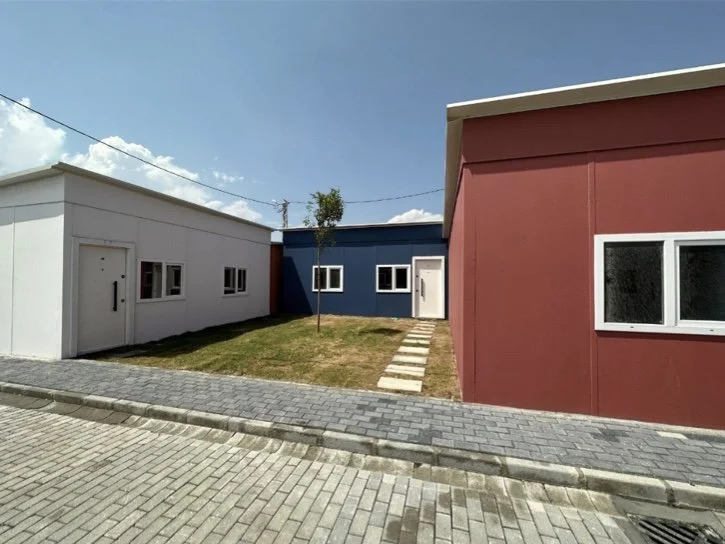
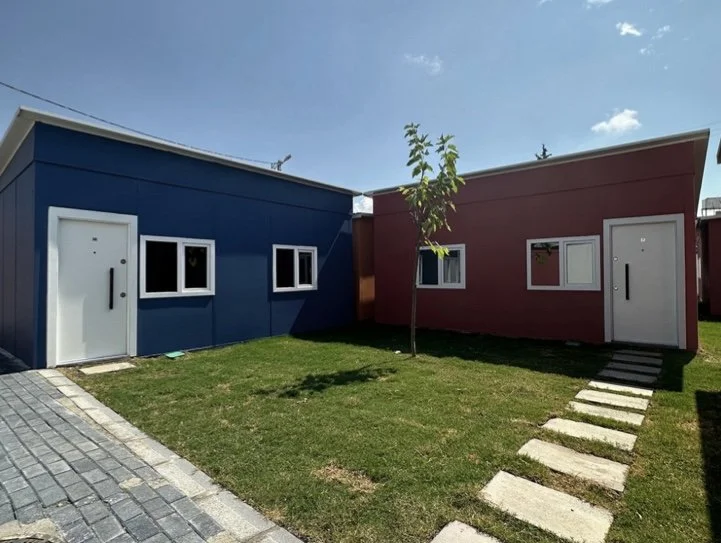
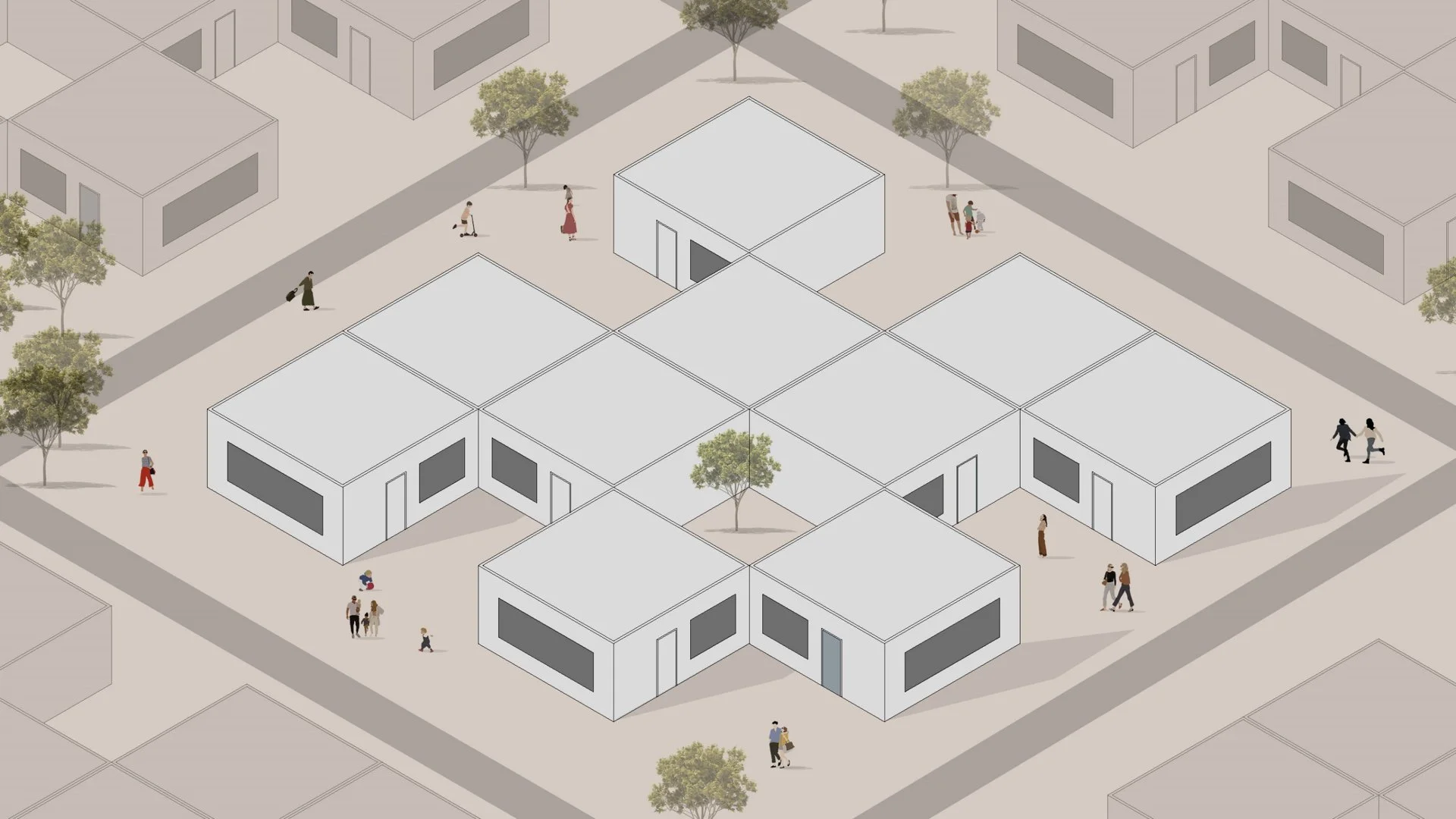
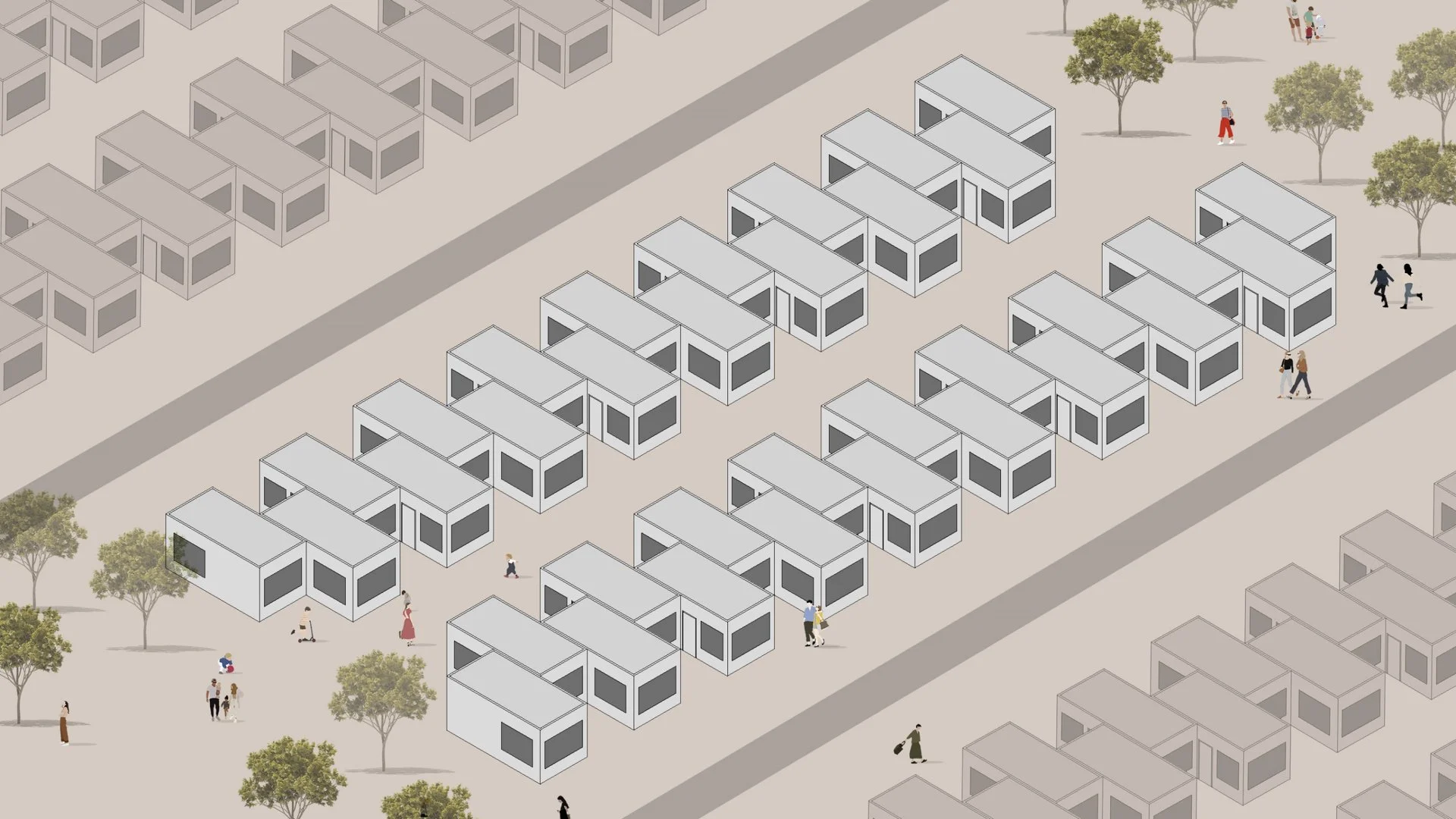
PDG gave particular attention to social spaces and communal infrastructure to address the critical need for socializing during what would inevitably become a multi-year transition towards permanent housing. For example, PDG designed each unit with a private entrance to evoke the traditional "havuş" (shared courtyard) found in Hatay’s historic homes, in this way fostering neighborly connections in a culturally familiar way. These interstitial spaces between the units offer areas where residents may socialize, serve as activity zones for children, or be transformed into green spaces if desired.