
Antakya
Architecture Sans Frontières-UK (ASF-UK) Living Heritage in Antakya
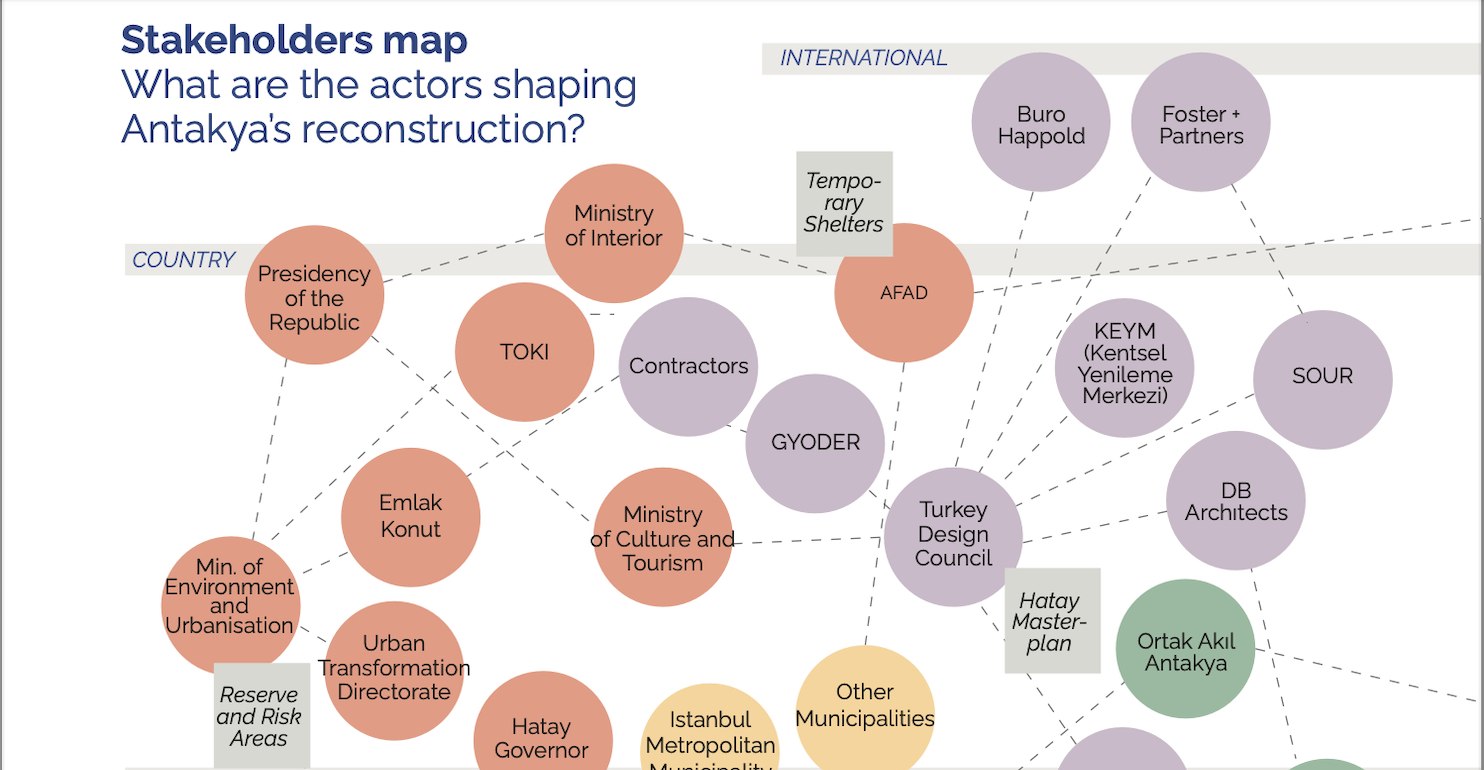
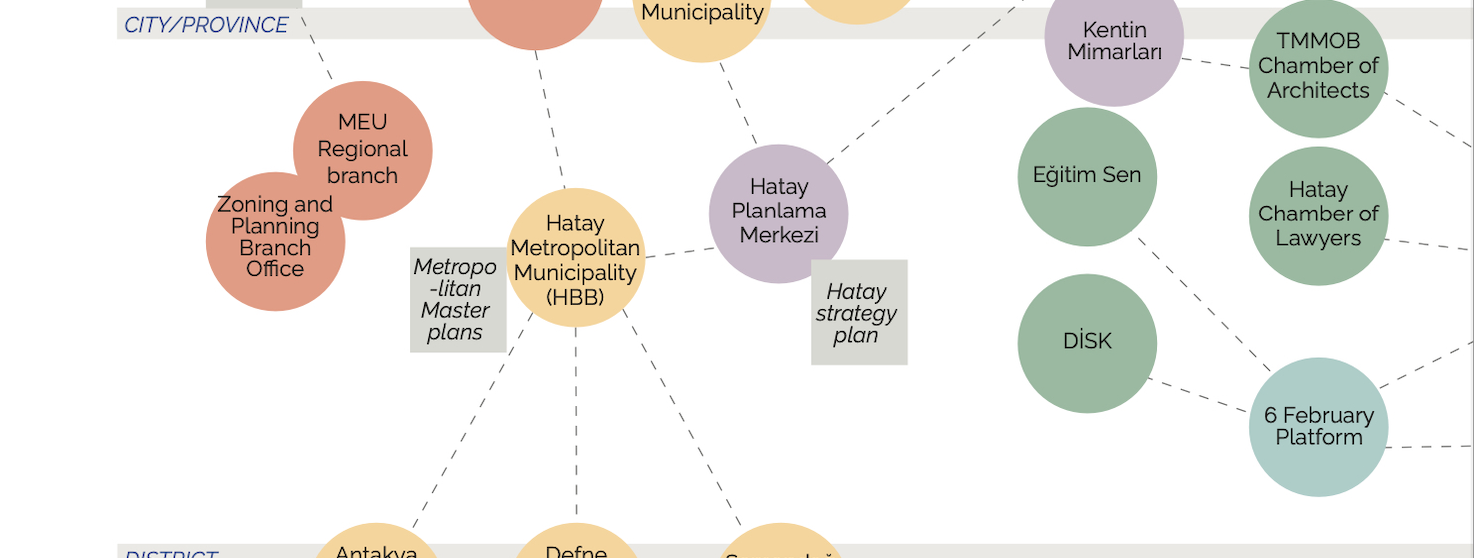
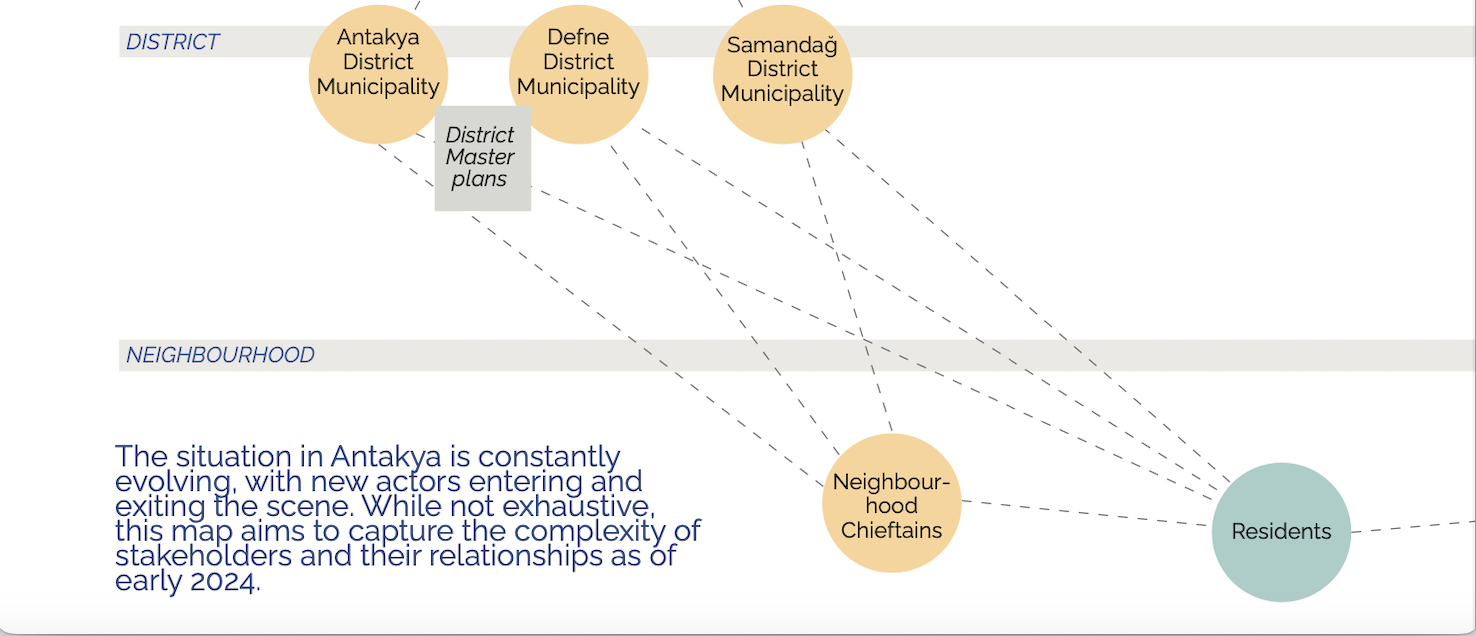
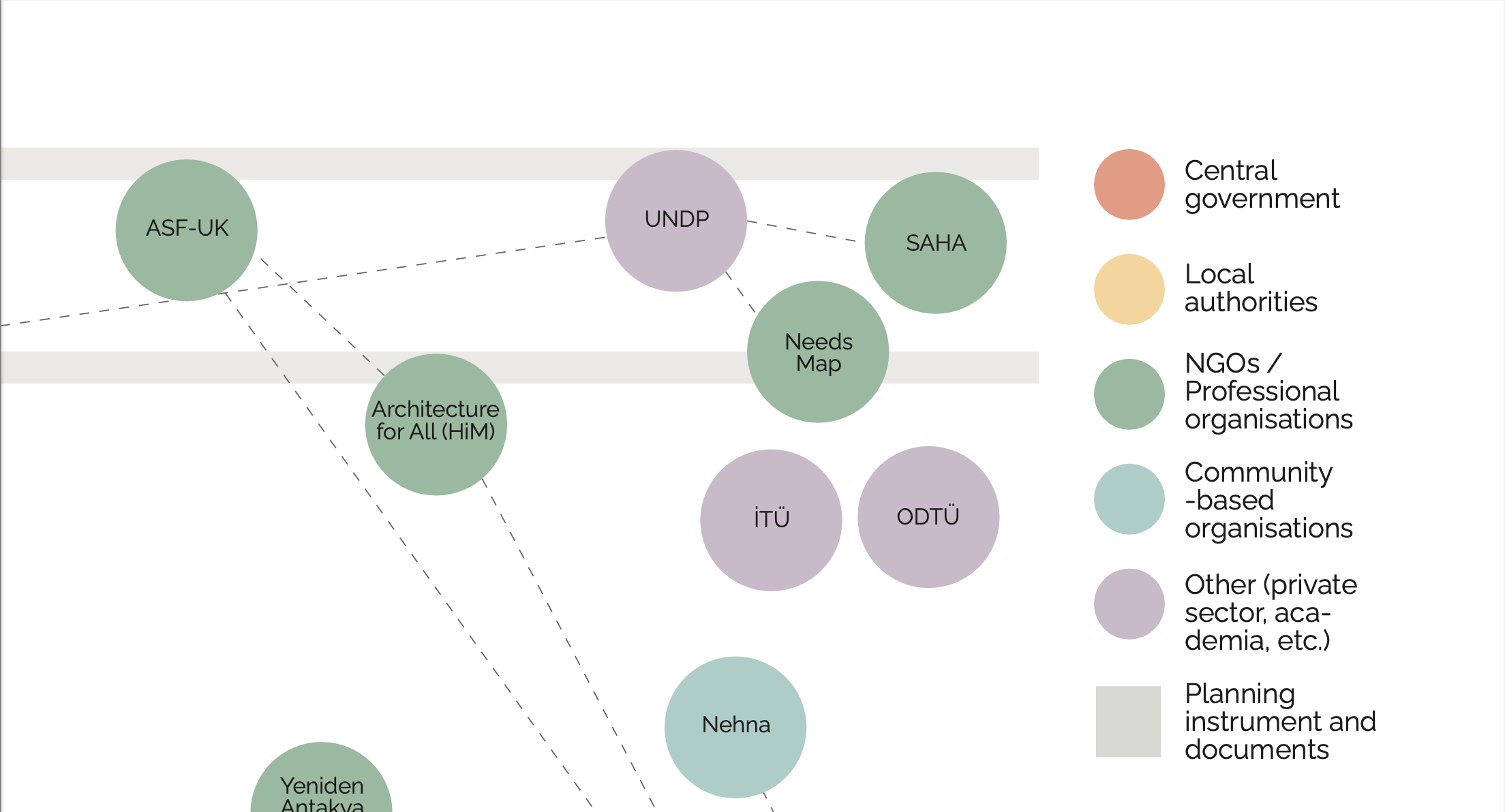
ASF-UK is an NGO that applies community-led design and planning to create more equitable cities. ASF-UK’s work in Antakya after the earthquakes includes various initiatives.
Living Heritage Forum (What makes Antakya is its people). A public forum in late 2023 brought together local actors who identified six urgent challenges and produced a collective statement (signed by the Hatay Chamber of Architects) calling for social, ecological, and cultural concerns to be central to the reconstruction agenda.
Lack of basic infrastructures and increasing depopulation
Ecological destruction and public health hazards
Encroachment on natural and collective spaces
Loss of sense of place, memory, and vernacular heritage
Displacement, gentrification and touristification
Personal safety and security.
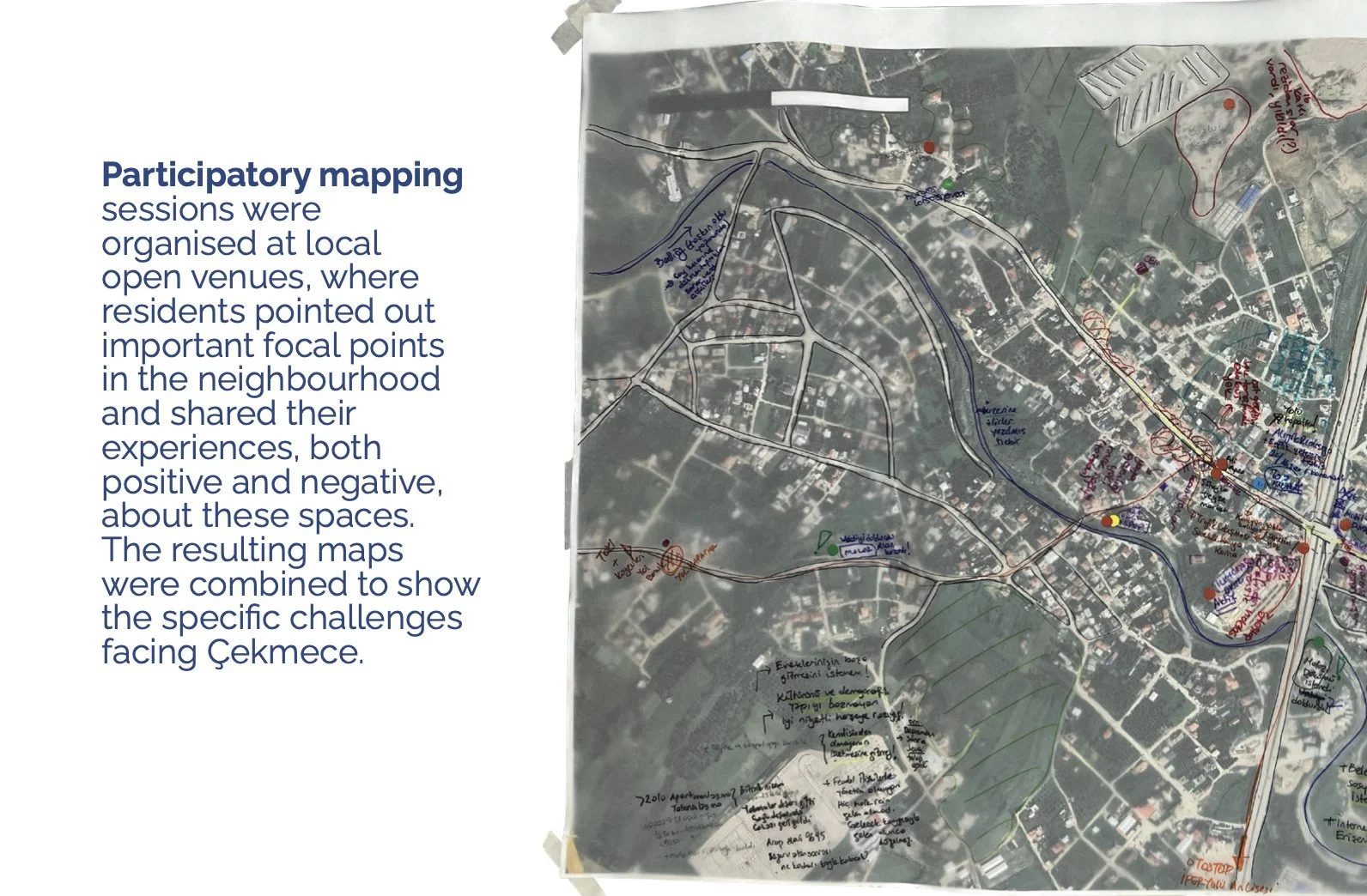
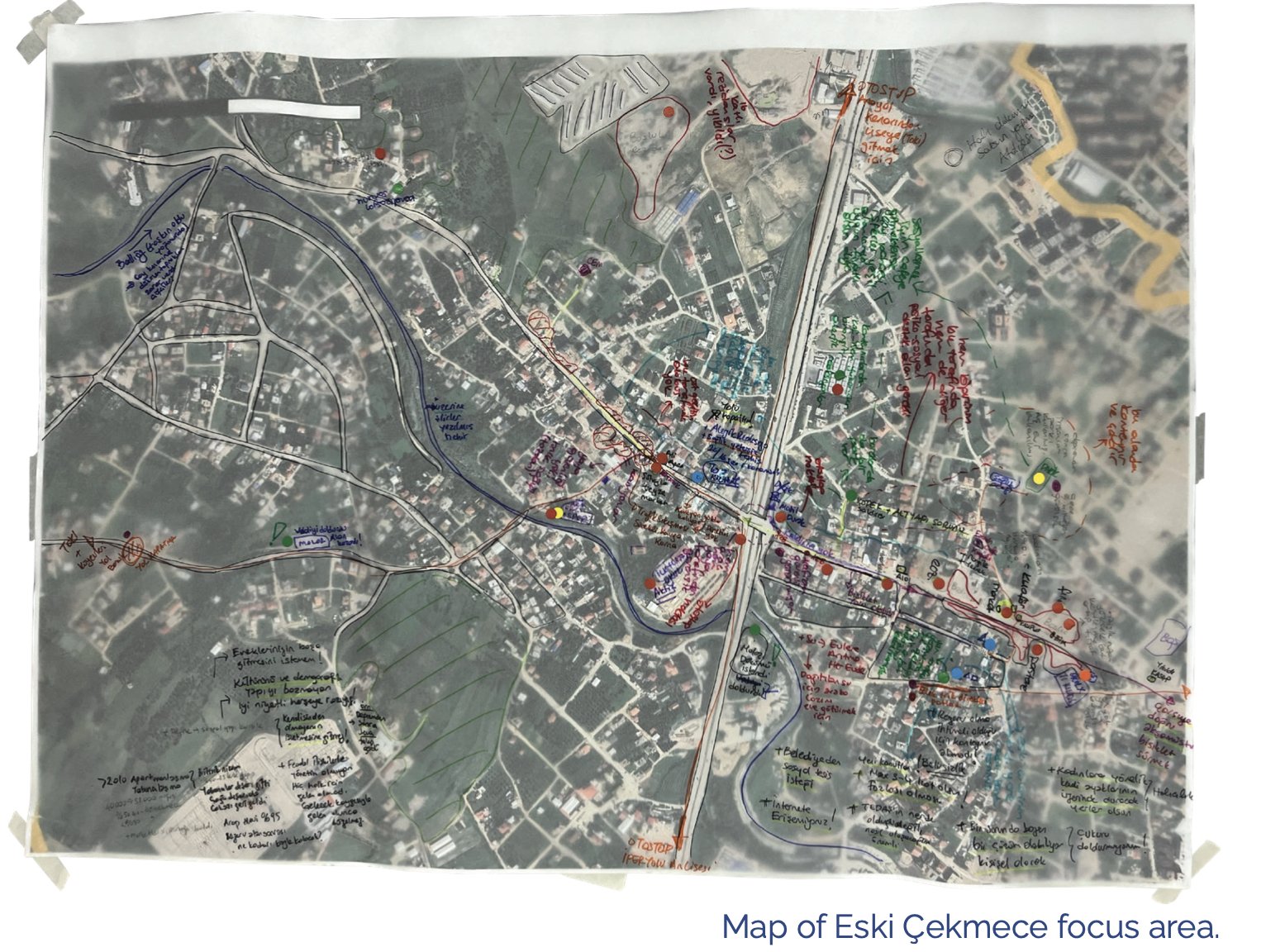
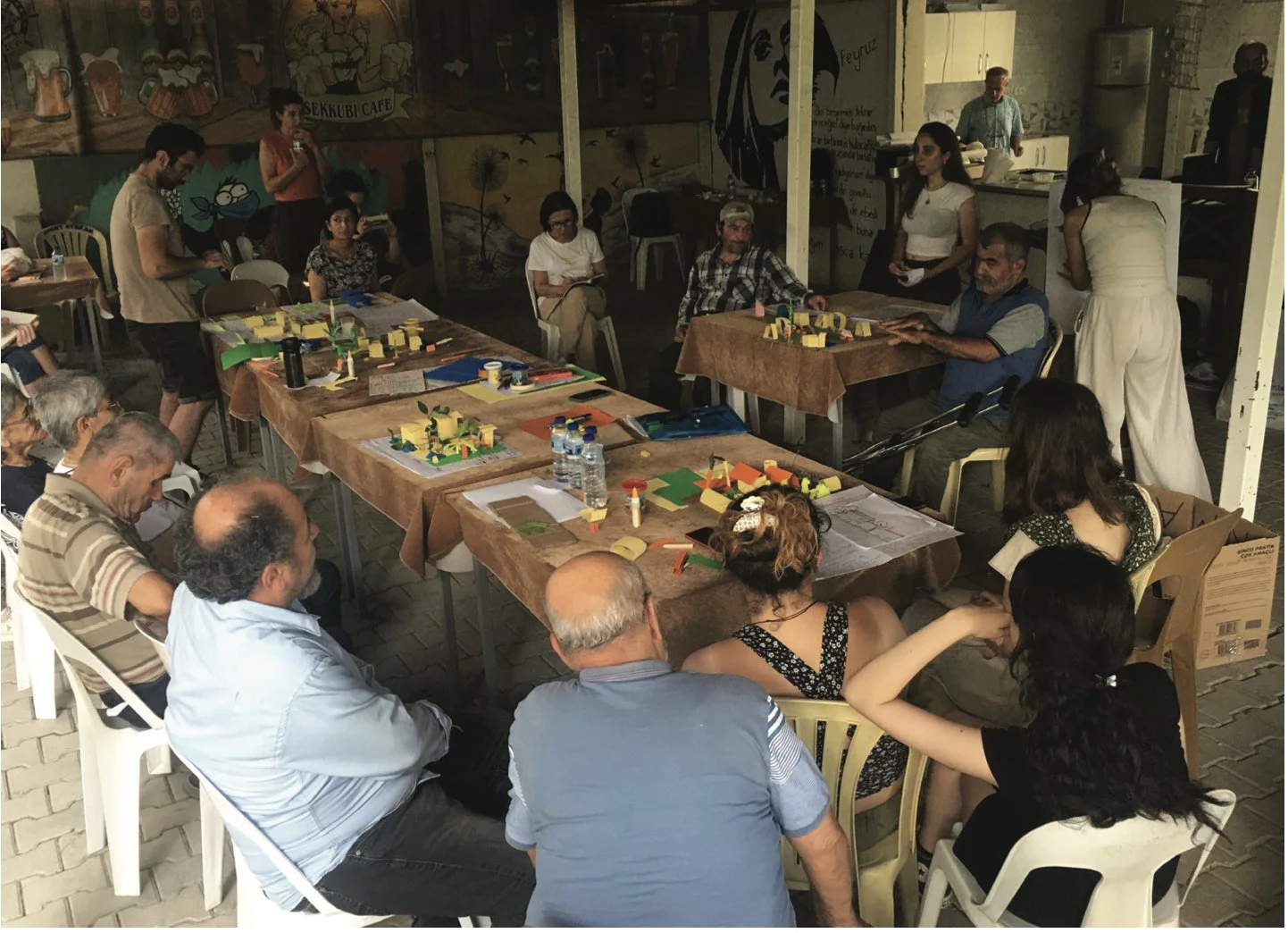
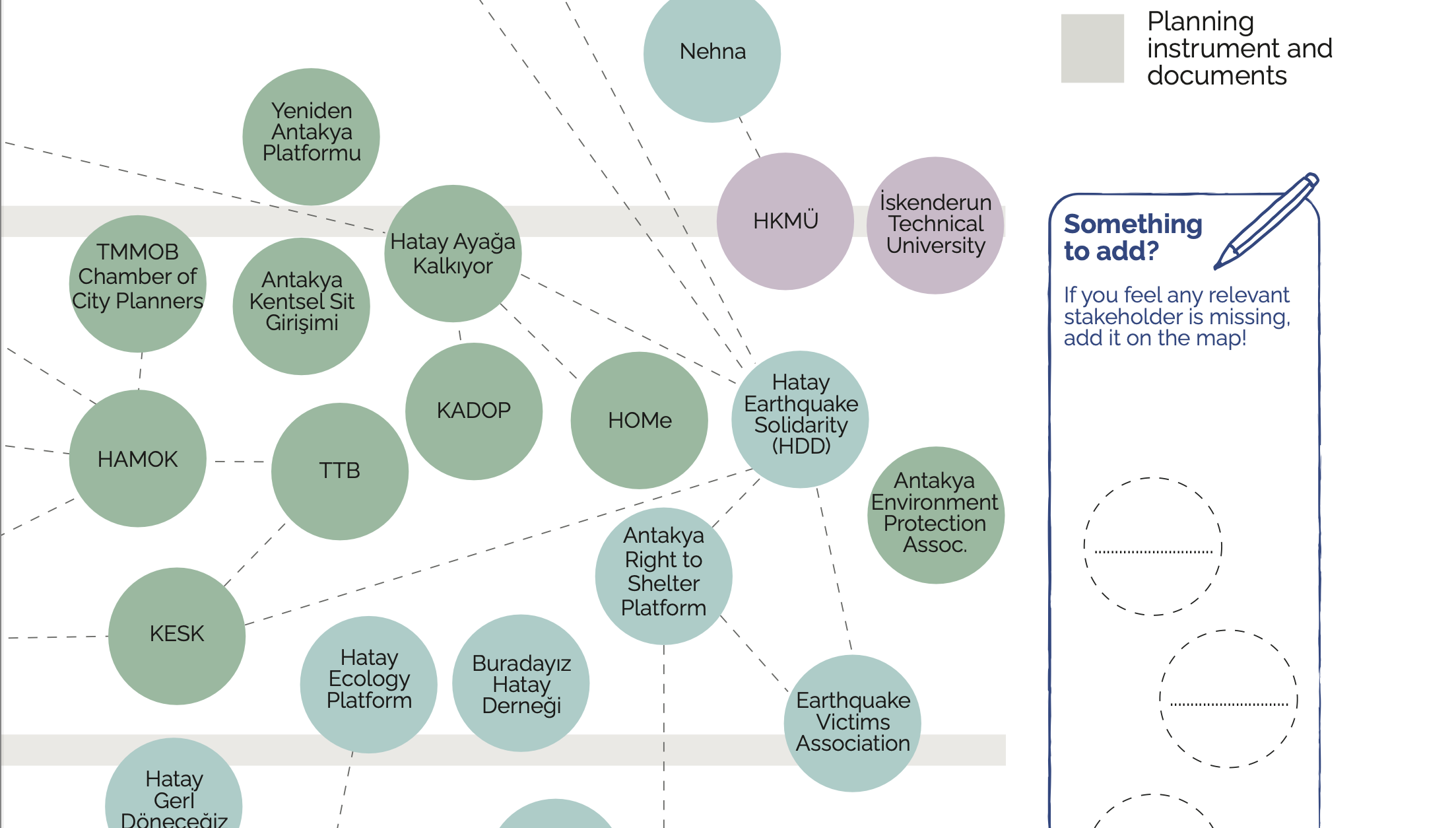
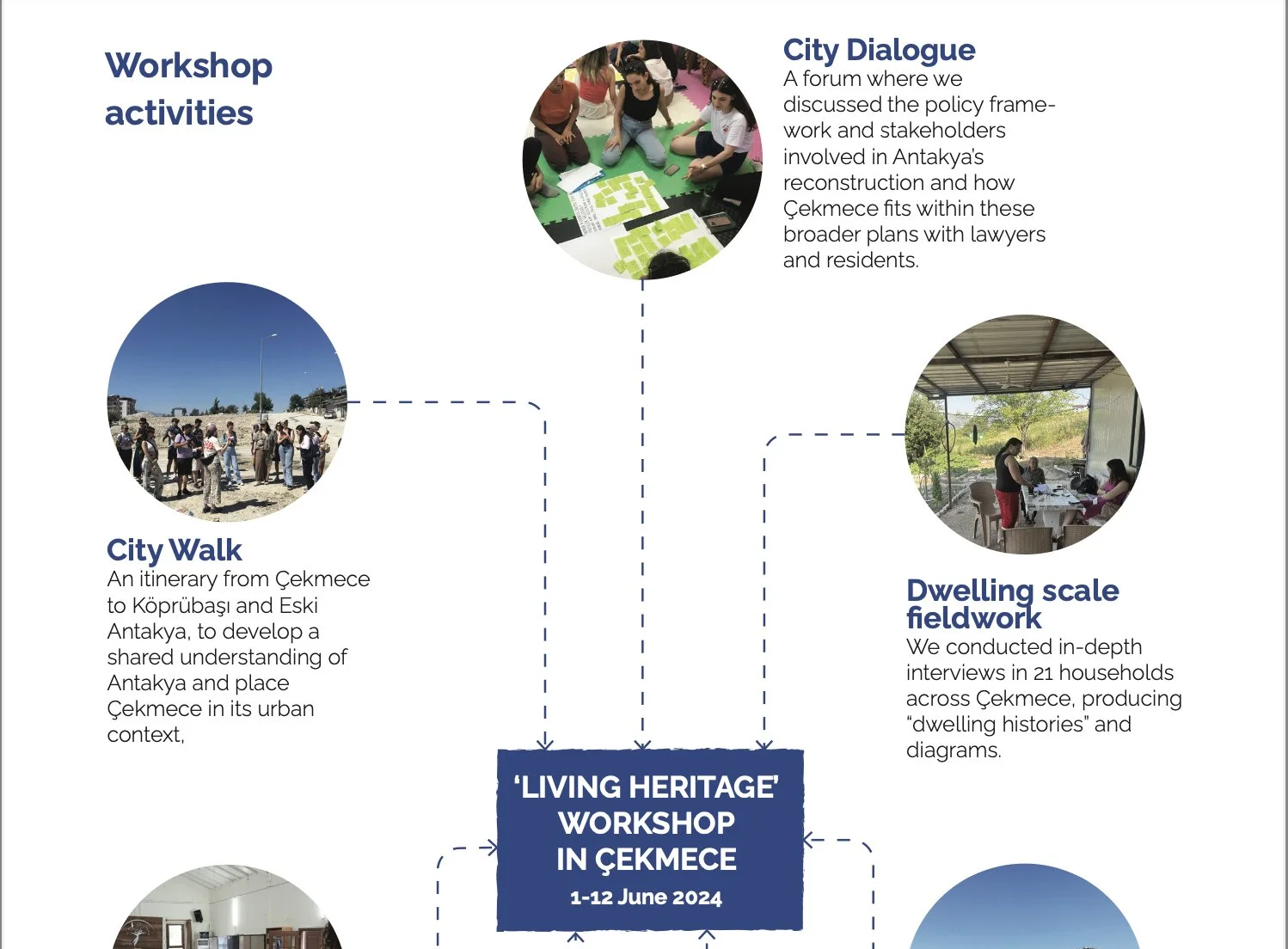
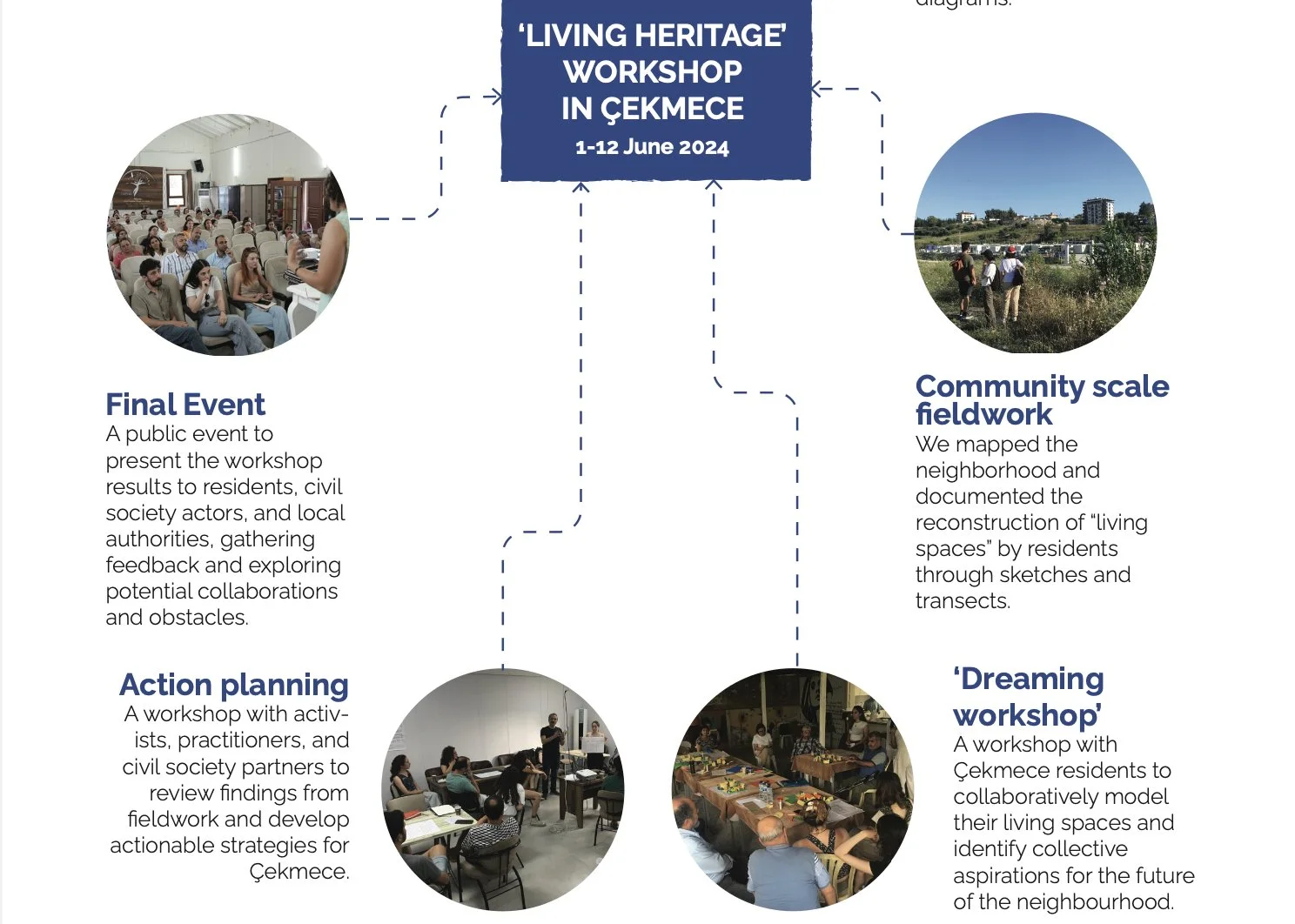
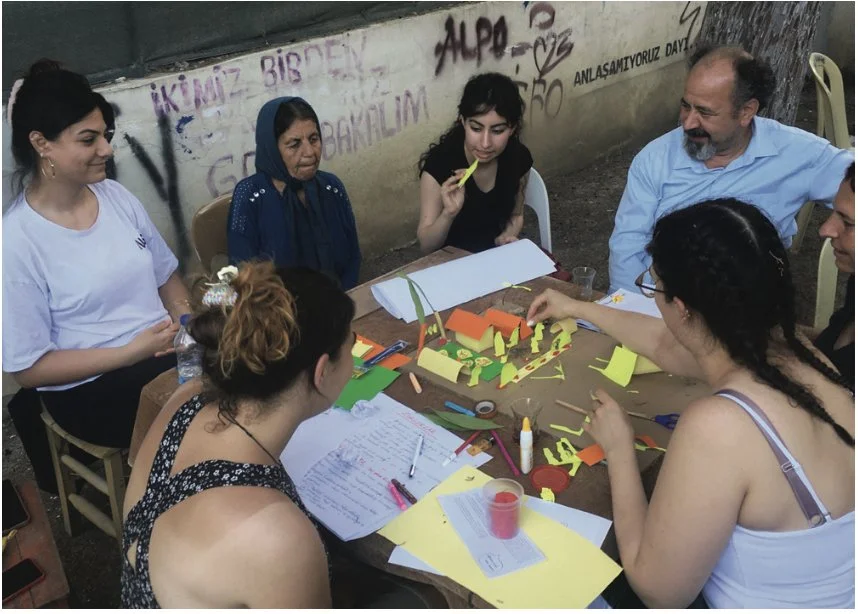
Reviving Living Heritage in Antakya. A collaboration with Architecture for All (Herkes İçin Mimarlık) (HiM) and Hatay Earthquake Solidarity (Hatay Deprem Dayanışması) (HDD) where ASF-UK facilitated participatory planning workshops in the Çekmece neighborhood.
Mapping the Unseen. A partnership with Civil Dreams Association (Sivil Düşler) to support a Dom community by documenting their lives, housing, and neighborhoods before the earthquakes in order to advocate for equitable post-earthquake relocation.
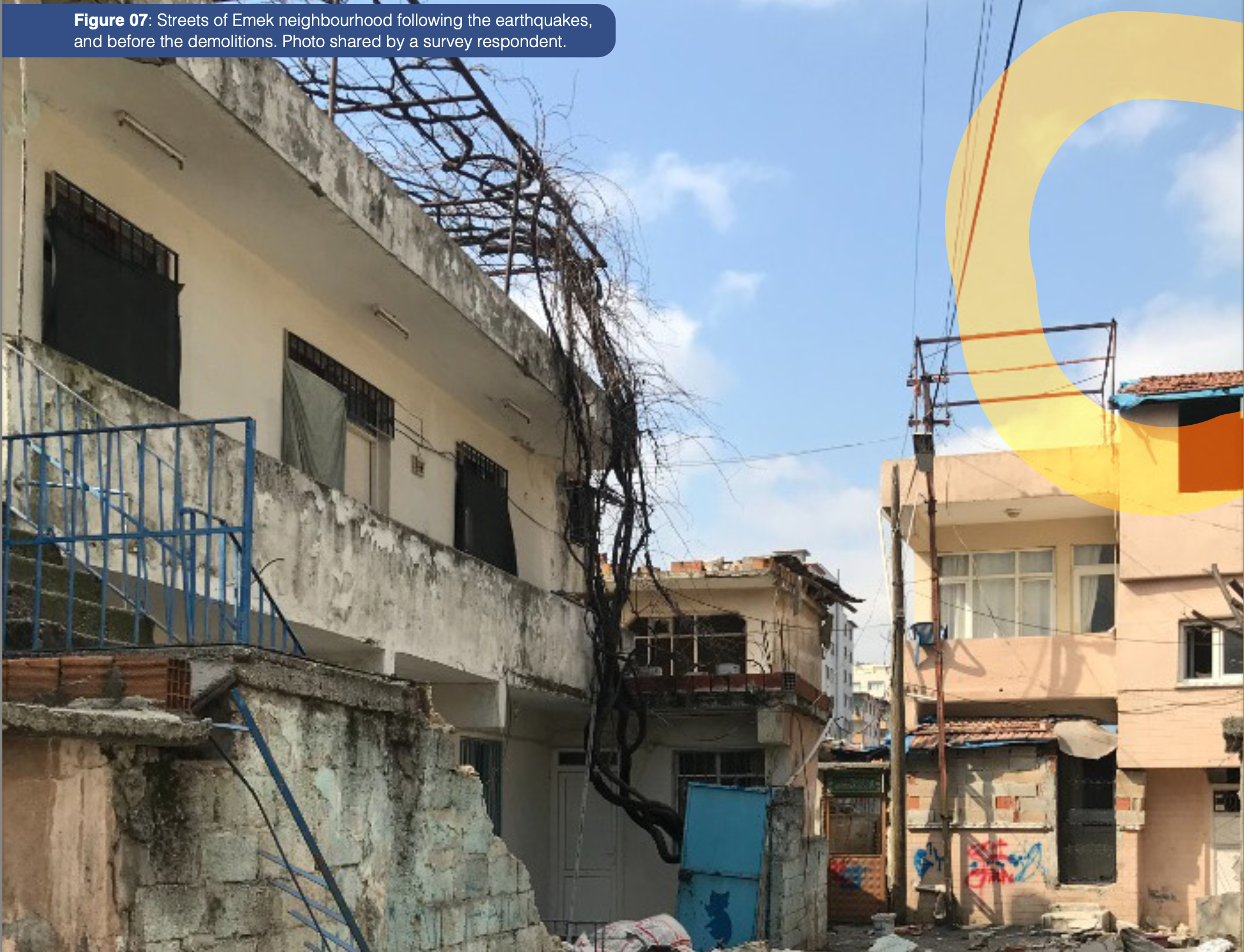
Antakya’s living heritage ranges from informal repairs and mutual-aid networks to small-scale livelihoods and cultural practices reconnecting people to places. This is in contrast to the state’s mass-produced housing on the outskirts and heritage-oriented restoration of a few monumental sites, both sidelining the everyday spaces and relations that hold Antakya together.
Image Credits: ASF-UK, Mehmet Kuyumcu, ACHA
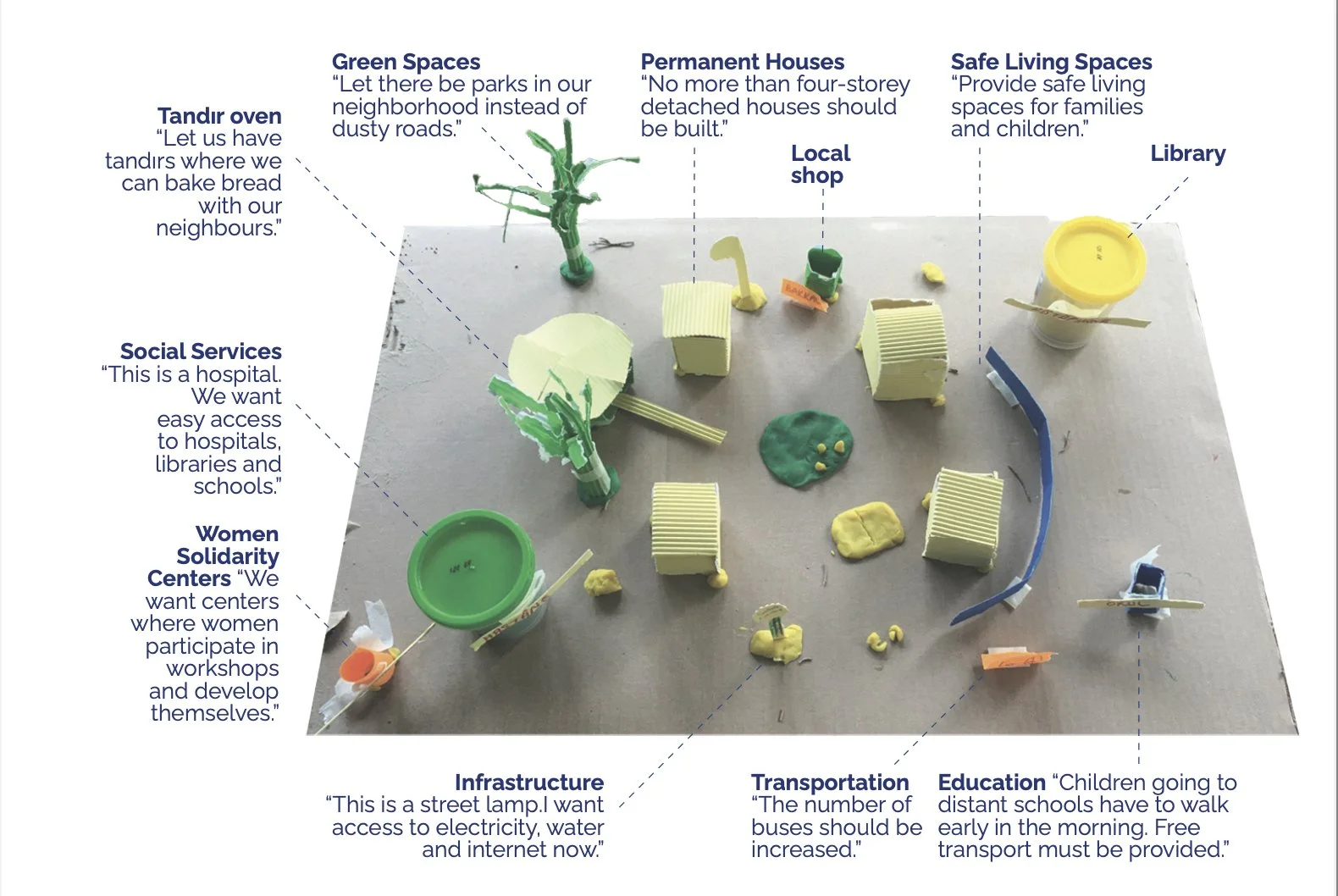
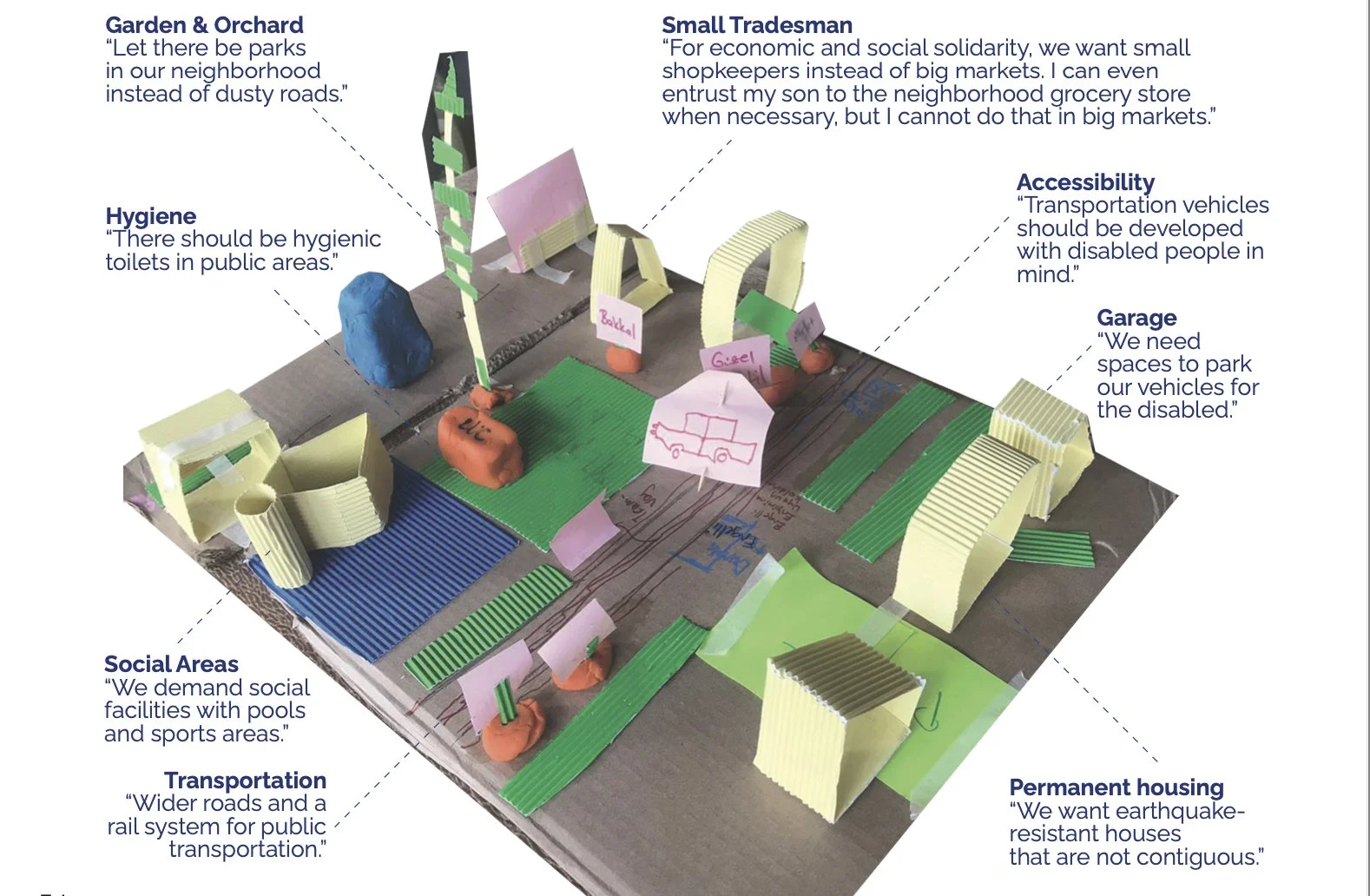
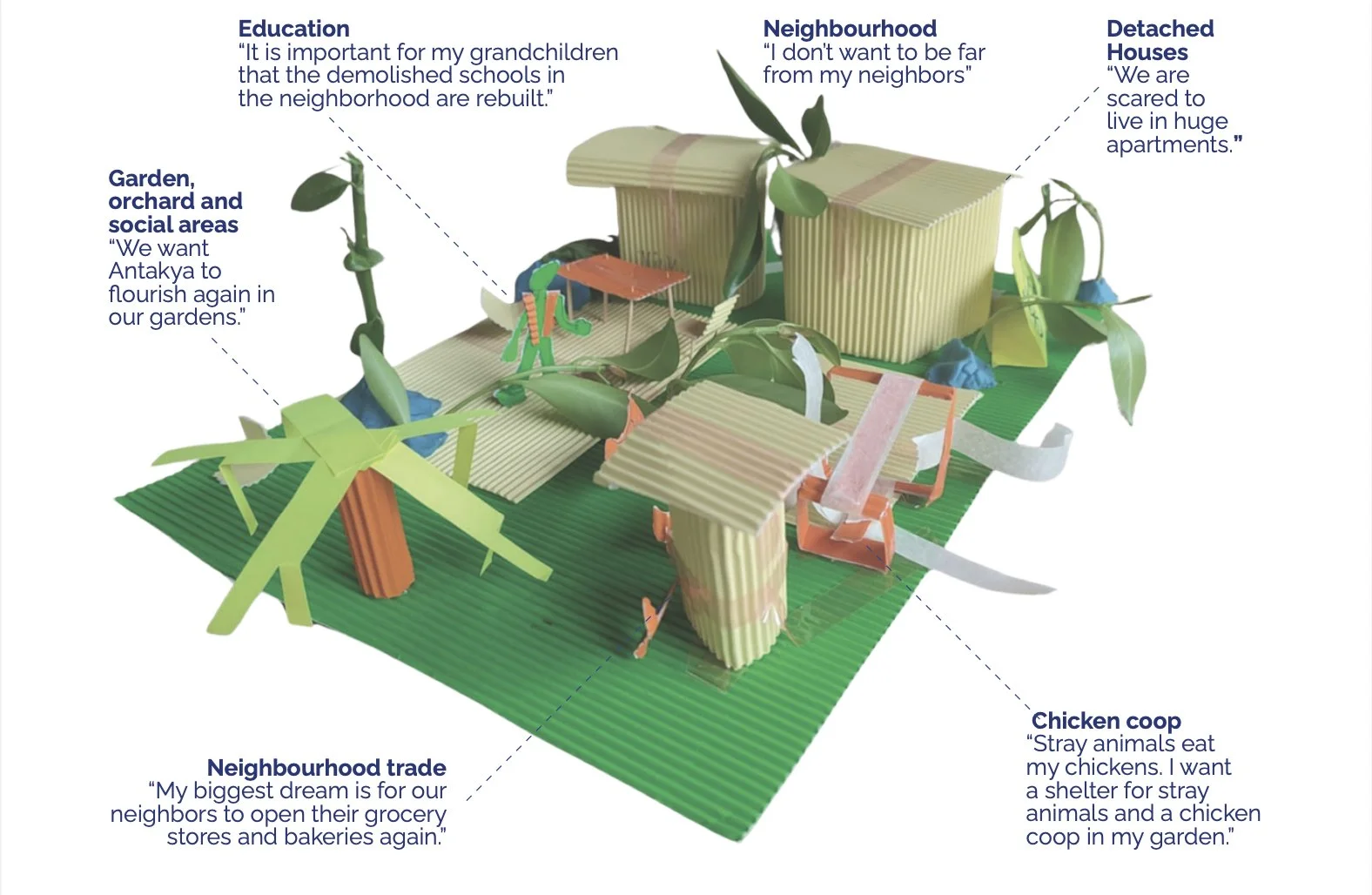
Reviving Living Heritage in Antakya
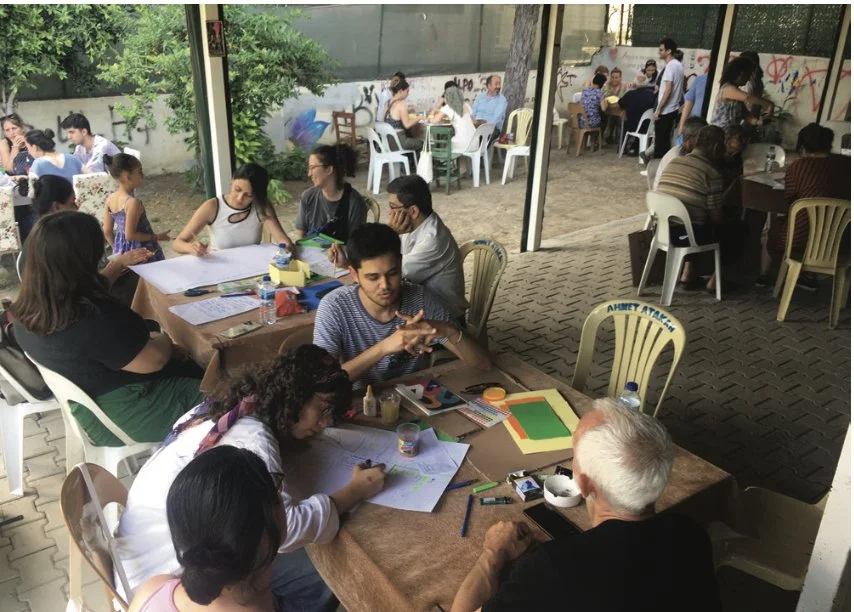
HDD, ASF-UK, and HiM launched a collaboration to demonstrate community-led reconstruction and influence policy. The project had three components: ASF-UK facilitated participatory planning for reconstruction through workshops and research; HiM led the co-design and construction of a community space in Çekmece; and HDD documented, disseminated, and advocated for these efforts.
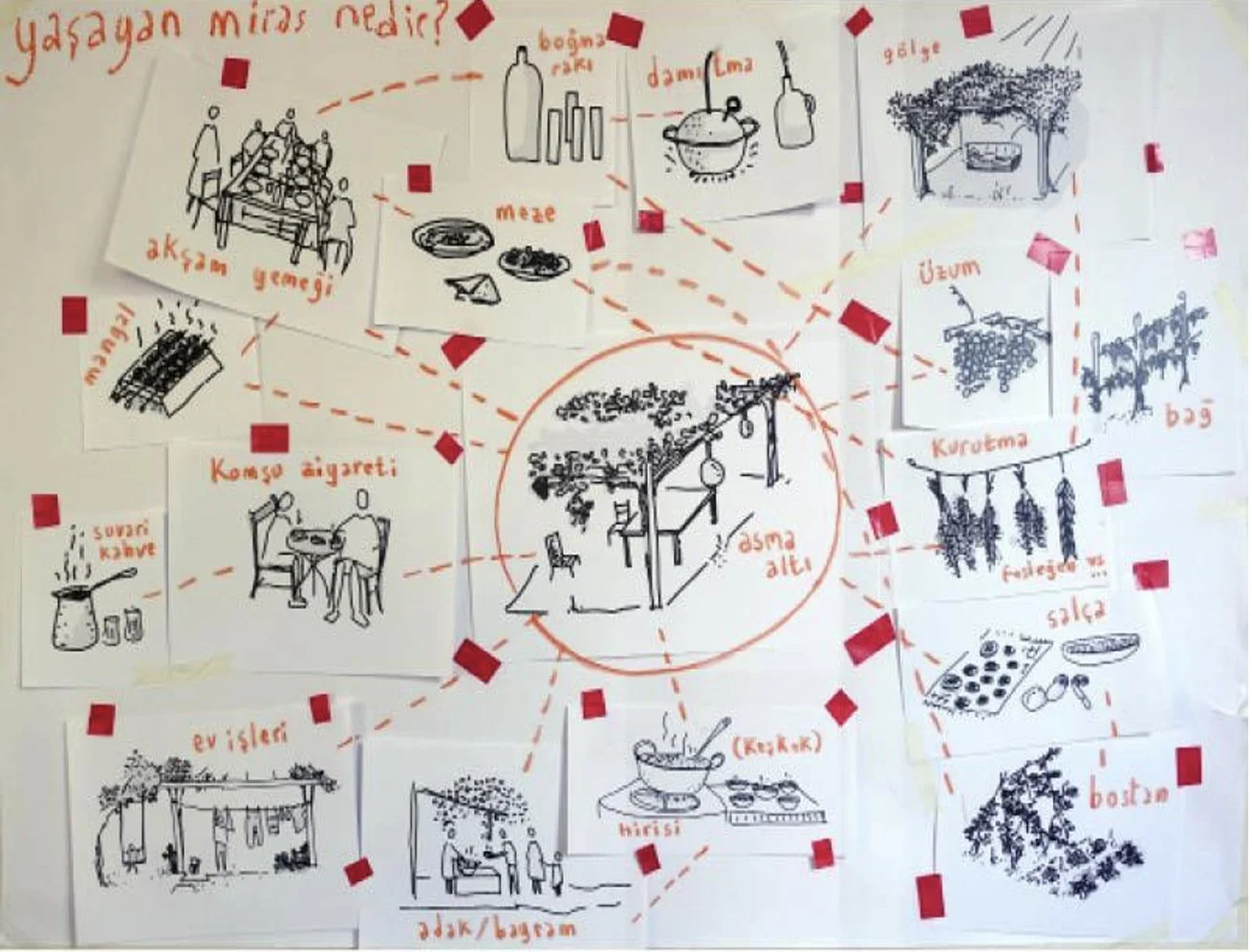
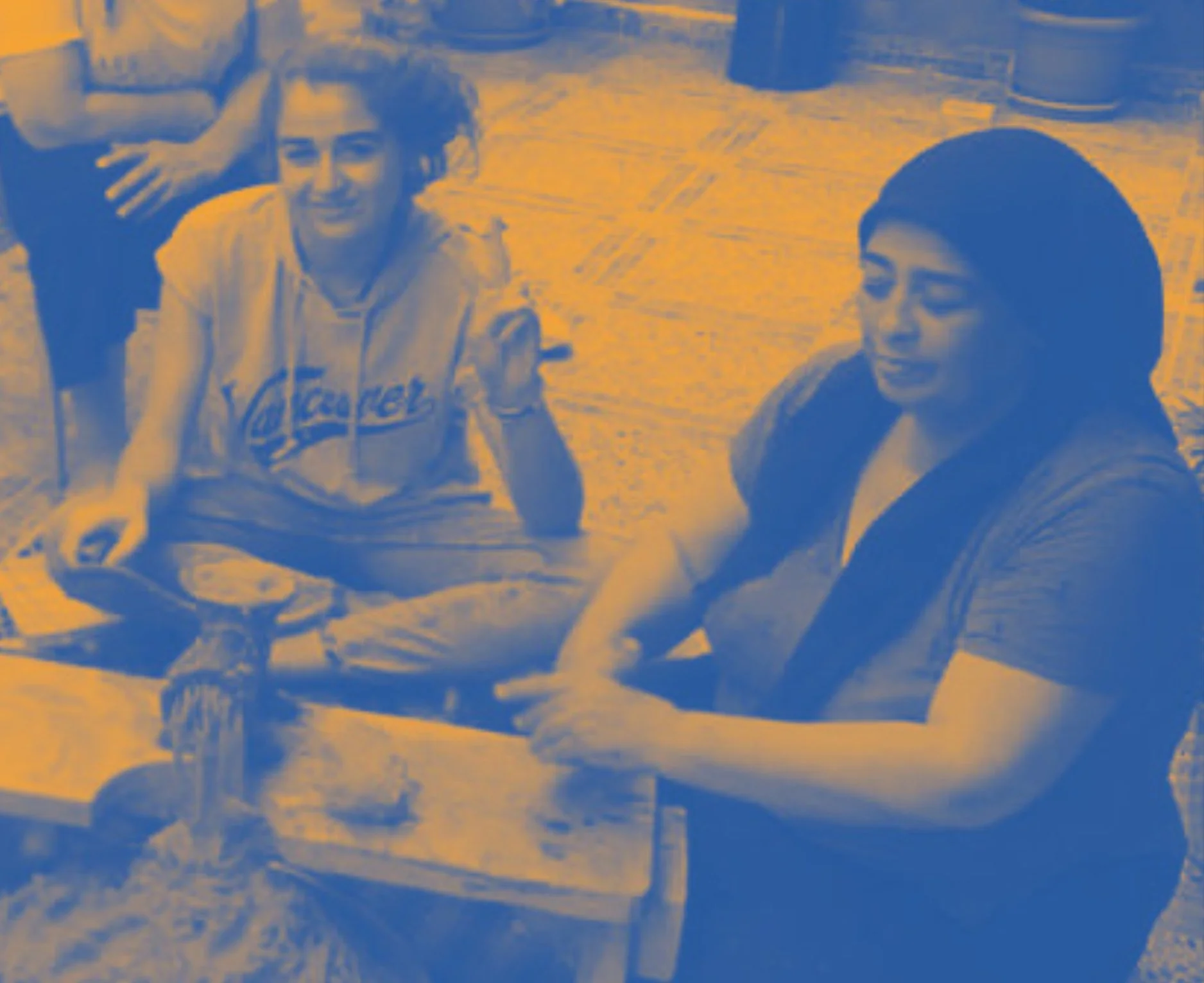
During ASF-UK’s workshops, the concept of living heritage was introduced through the asma altı (under the vine), a common vernacular space. A semi-open space beside or on top of a house, it is shaded by a vine canopy supported by a purpose-built structure. In Antakya’s hot climate, the asma altı provides a cool, shaded area for resting, eating, and gathering. Here, herbs are hung to dry, black coffee is shared with friends, and household chores are done together. It is also the setting for mangal nights, gatherings typically accompanied by music and Antakya’s renowned meze.
While the asma altı is a physical space, with its structure and function tied to local climate and geography, it comes to life through local know-how and practices. This interplay of tangible and intangible elements, giving meaning to one another, is living heritage. The earthquakes disrupted these connections, but the heritage endures and adapts. Residents are not only rebuilding their spaces but also repairing and carrying forward these cultural connections.
Mapping the Unseen
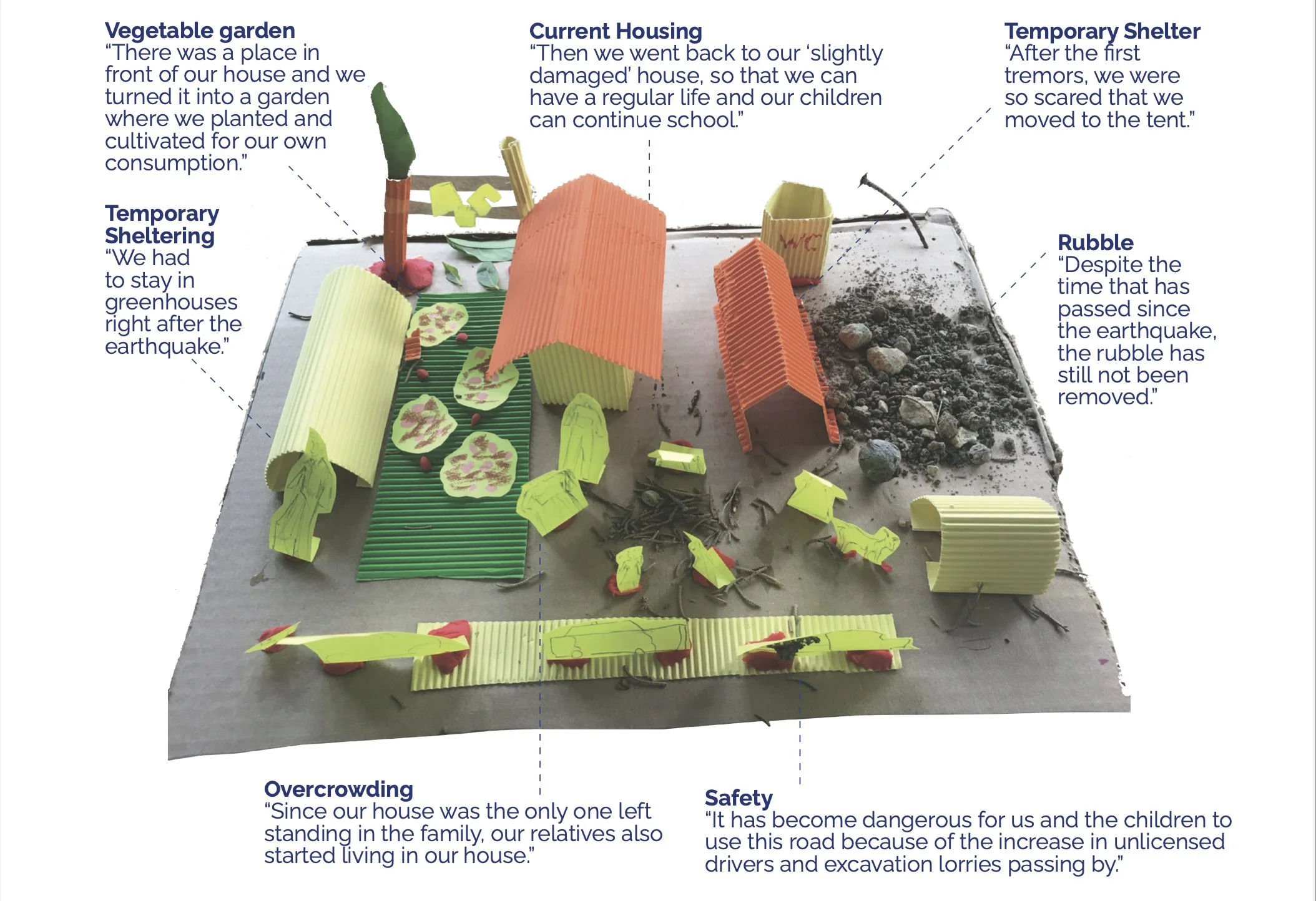
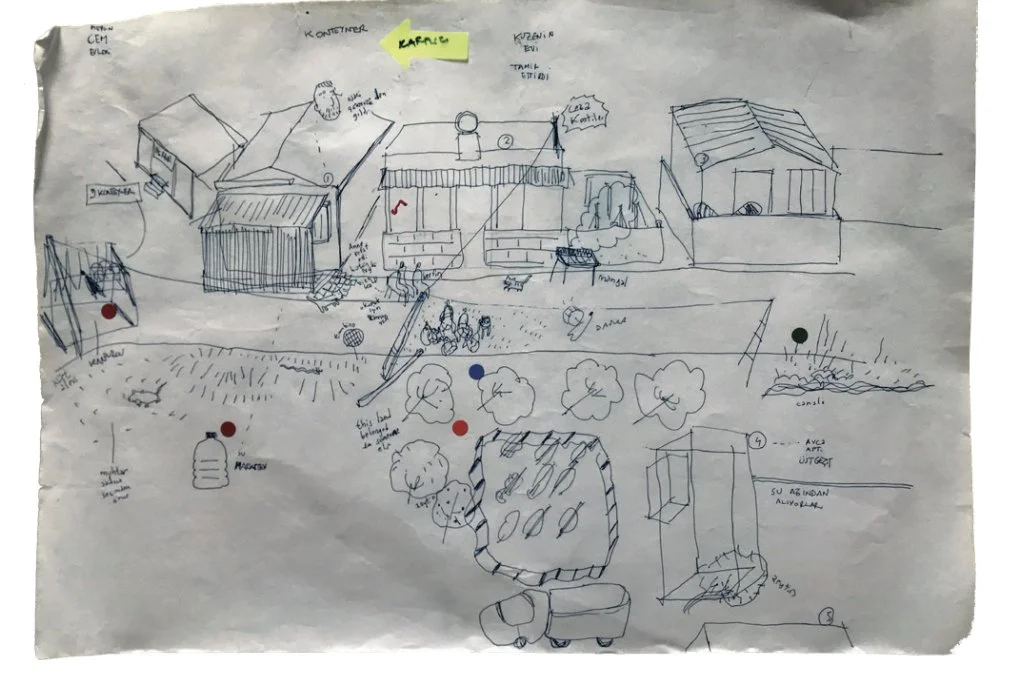
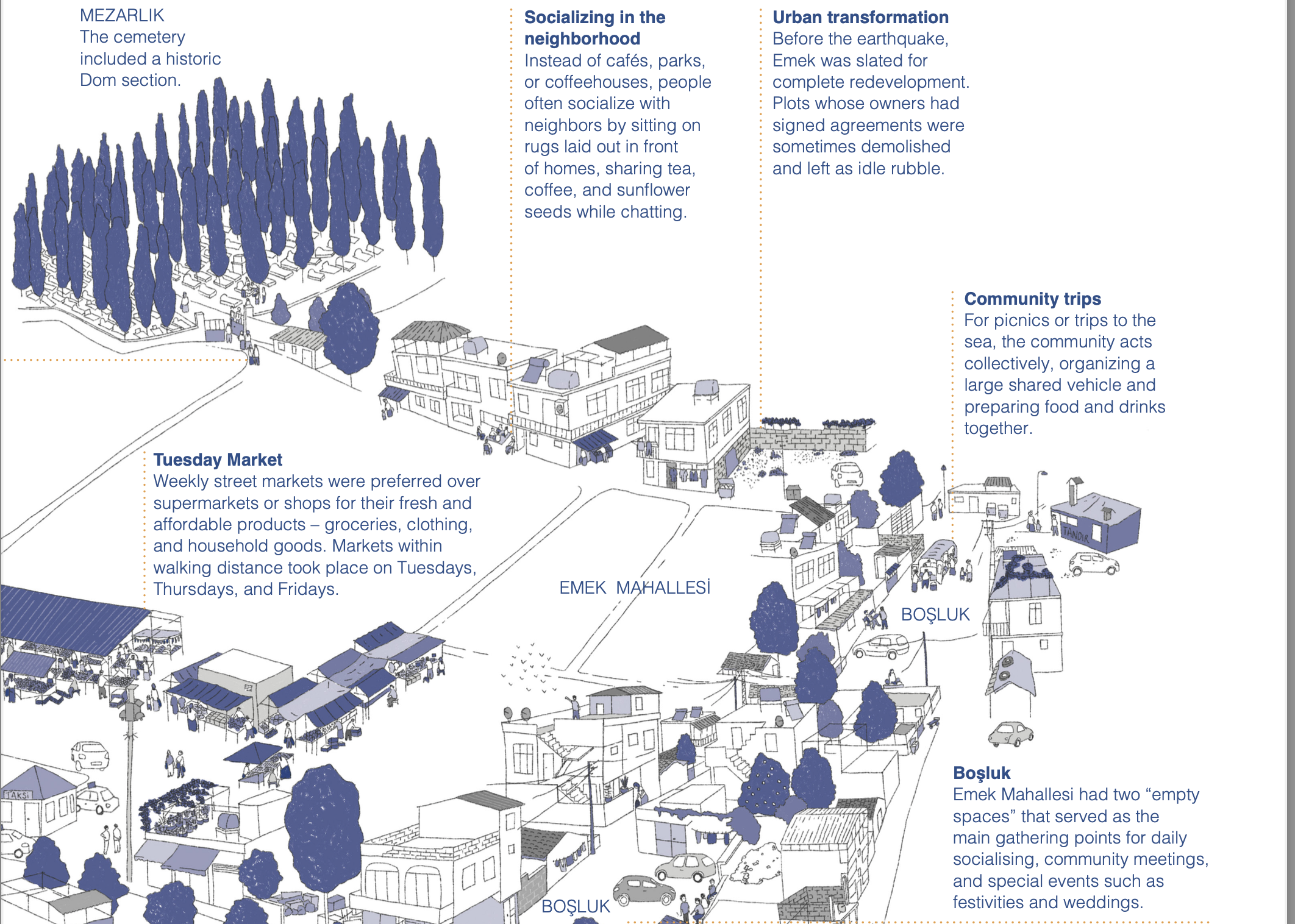
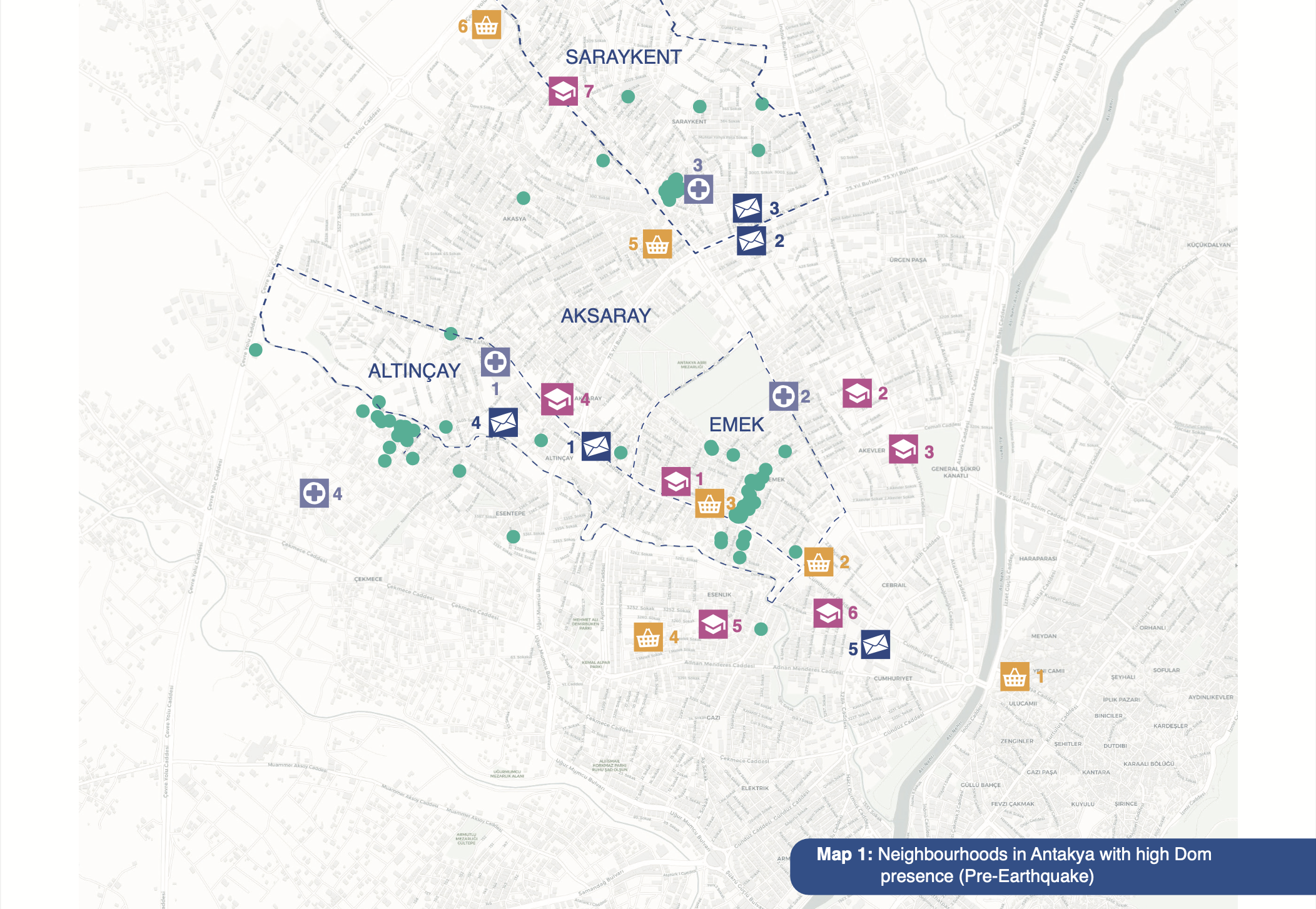
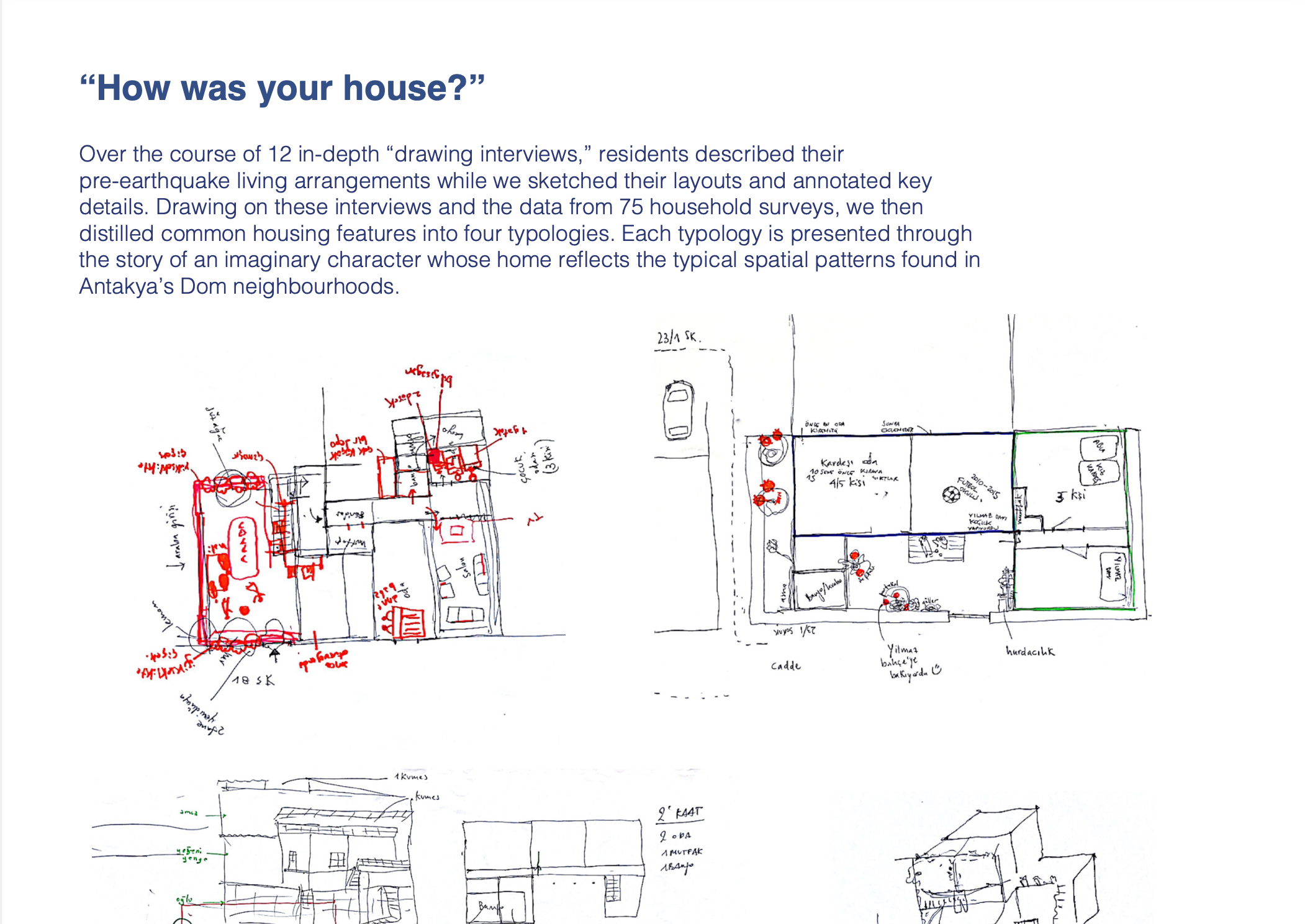
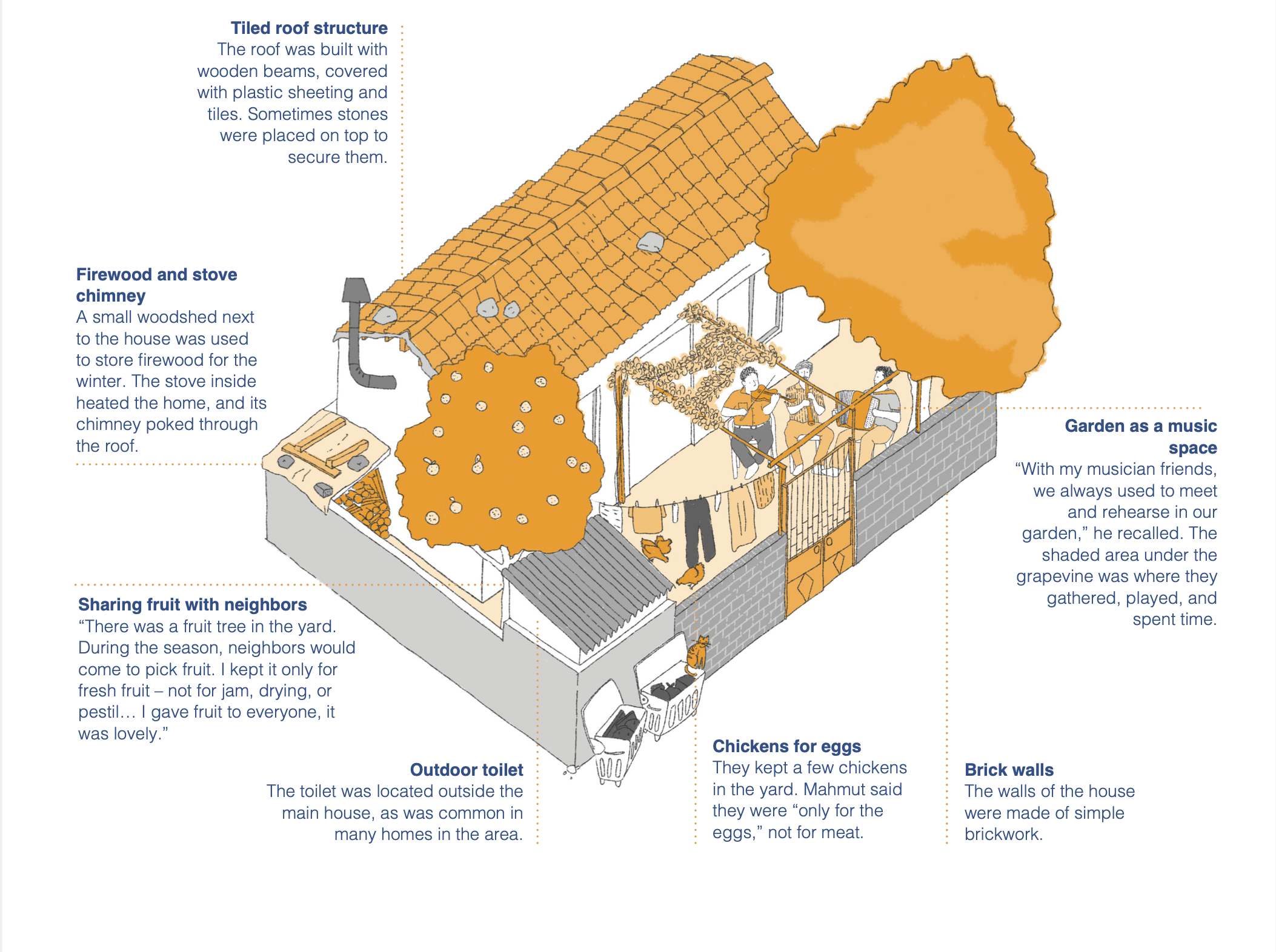
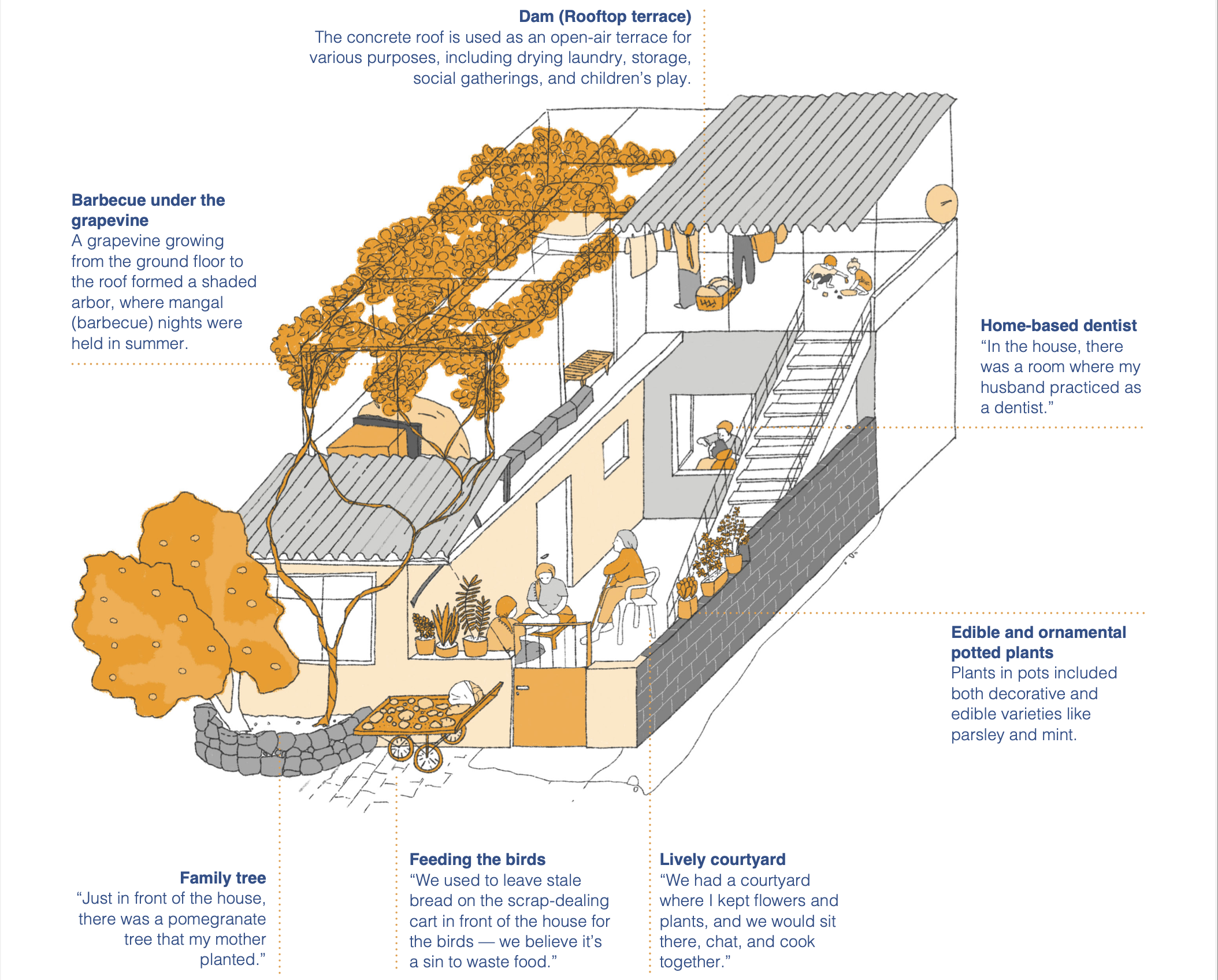
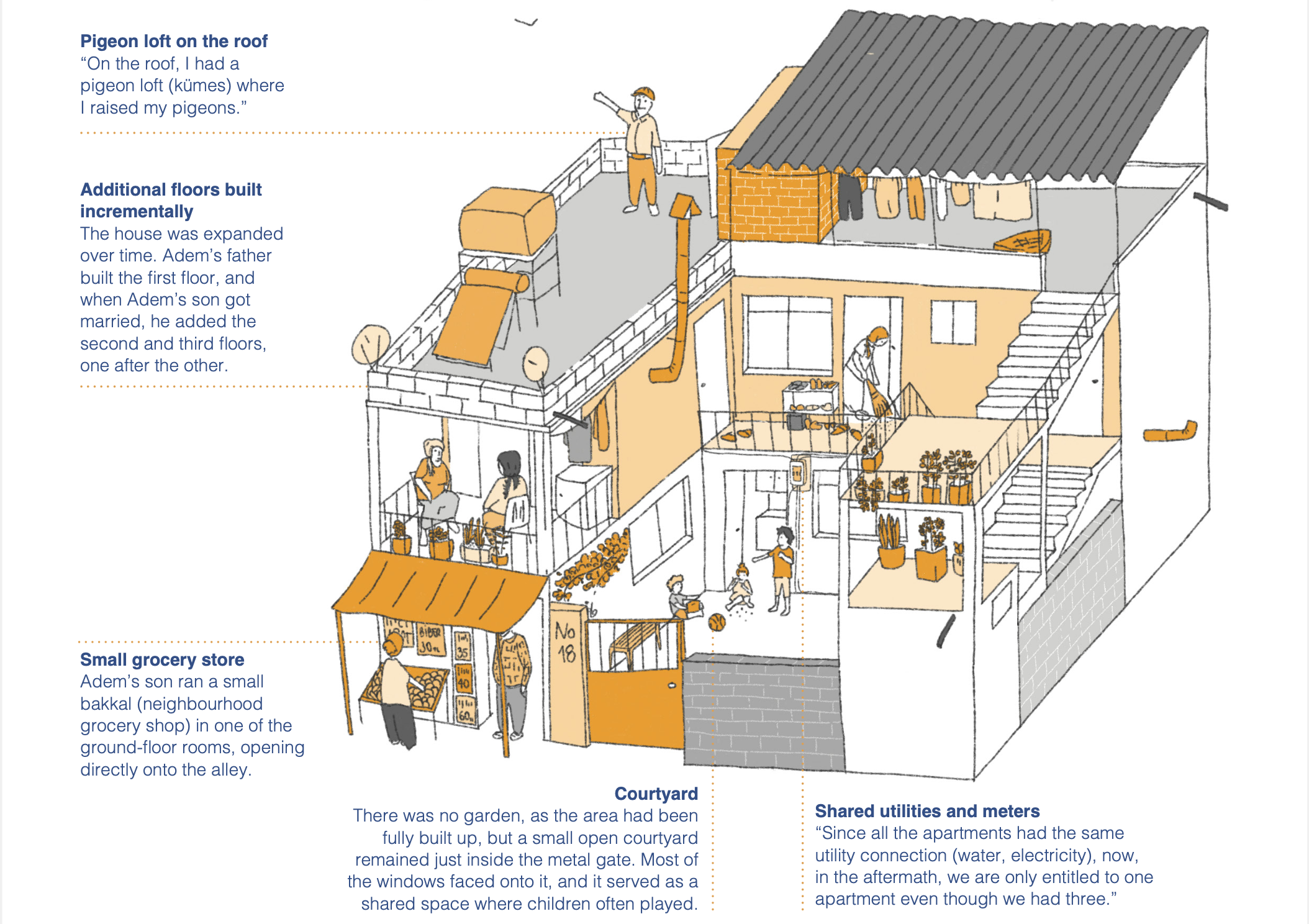
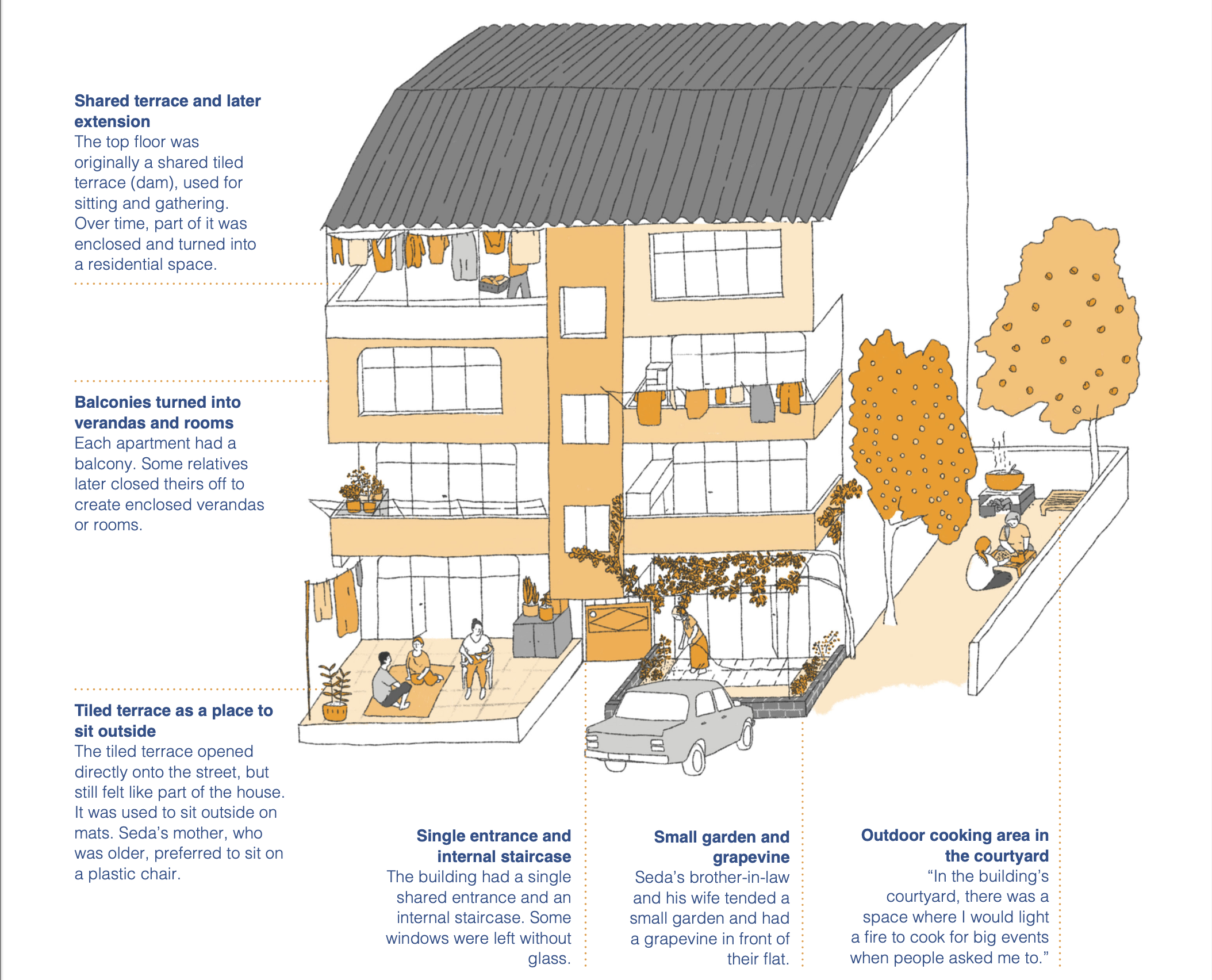
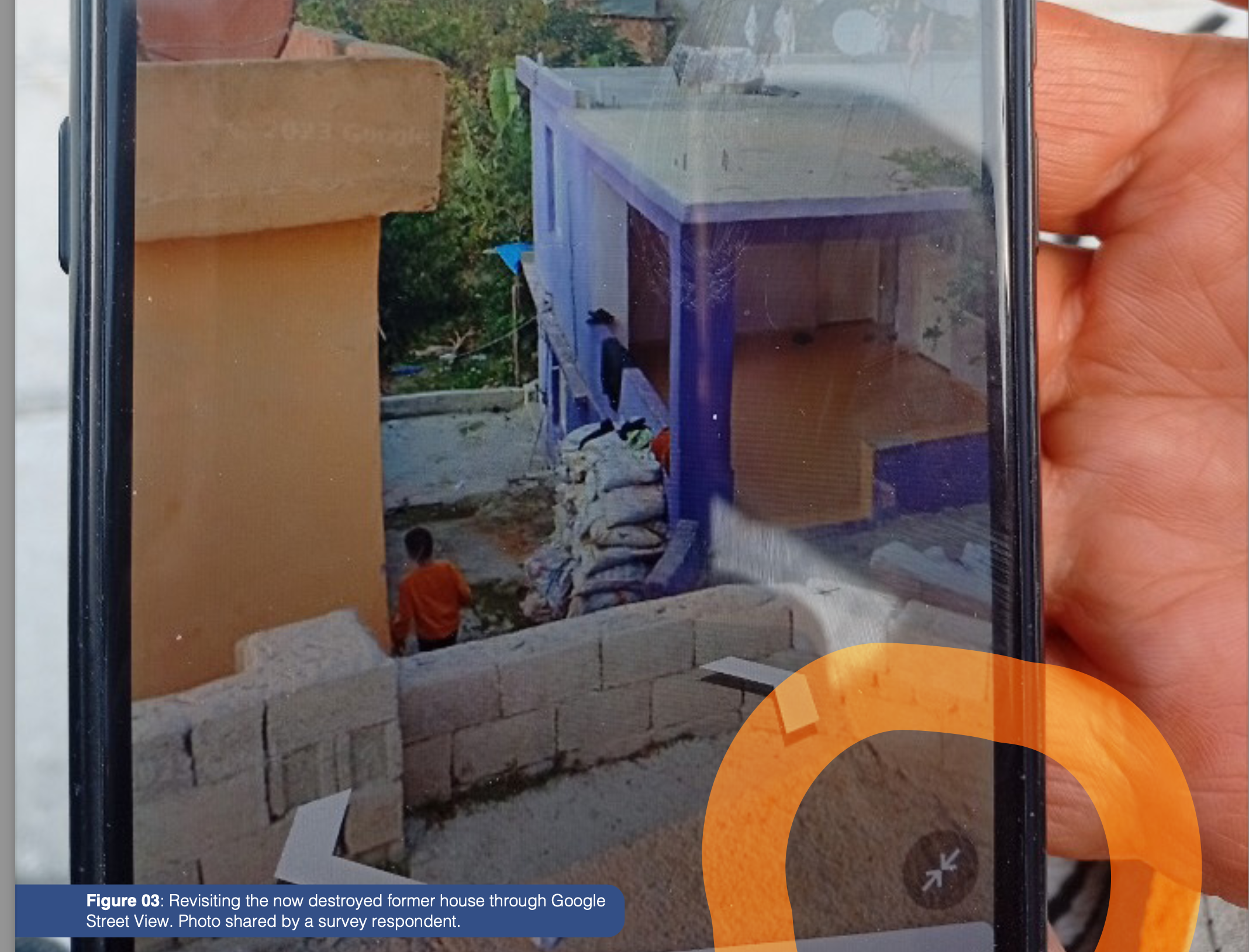
ASF-UK worked with Civil Dreams Association (CDA) to gather and preserve knowledge about the Dom in Antakya before the earthquakes. The Dom, an Indo-Aryan ethnic group which shares origins in India with the Roma, are traditionally known for an itinerant lifestyle, and live in communities across the Middle East. ASF-UK and CDA’s objectives were twofold: first, to document their living spaces in the city center (many of which were destroyed), and second, to provide evidence to the authorities to advocate for fair and culturally appropriate relocation. Most Dom residents held no official deeds for their houses, so this research was designed to support their efforts with the government to recognize their right to housing being built in their former neighborhoods, or even in mass housing developments elsewhere.
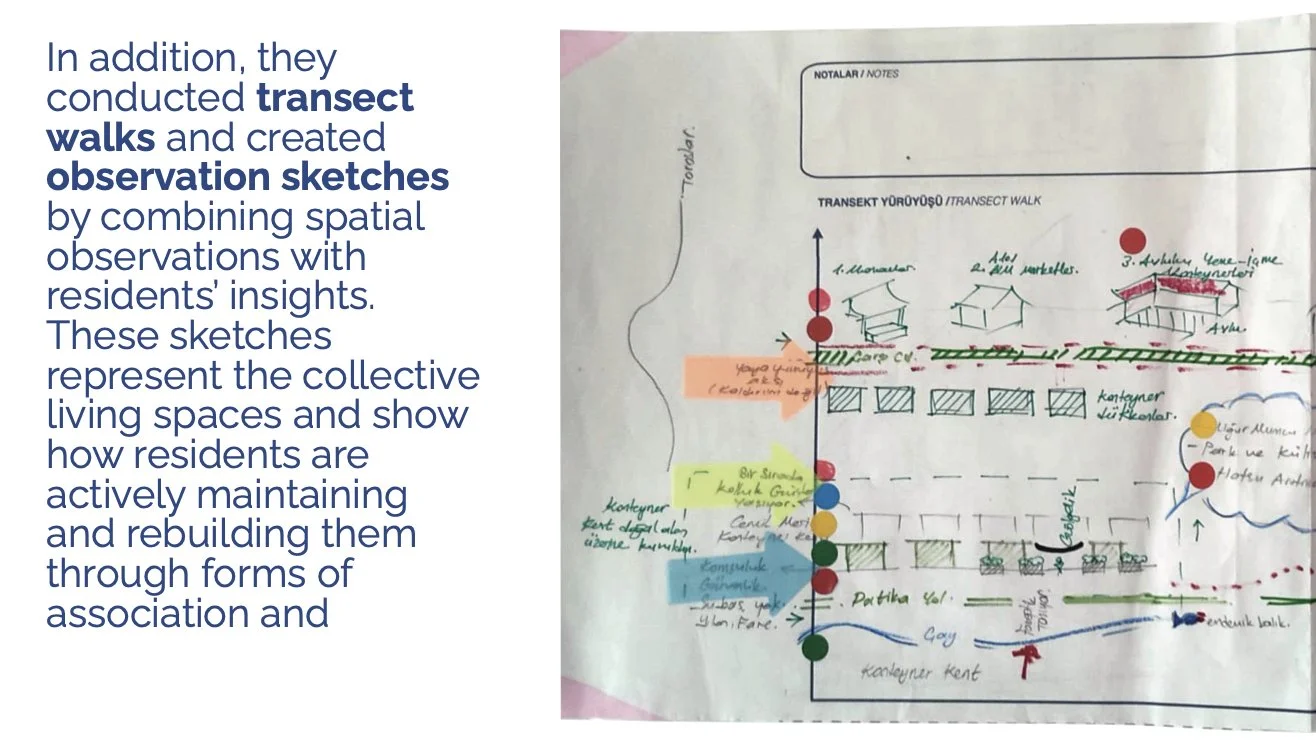
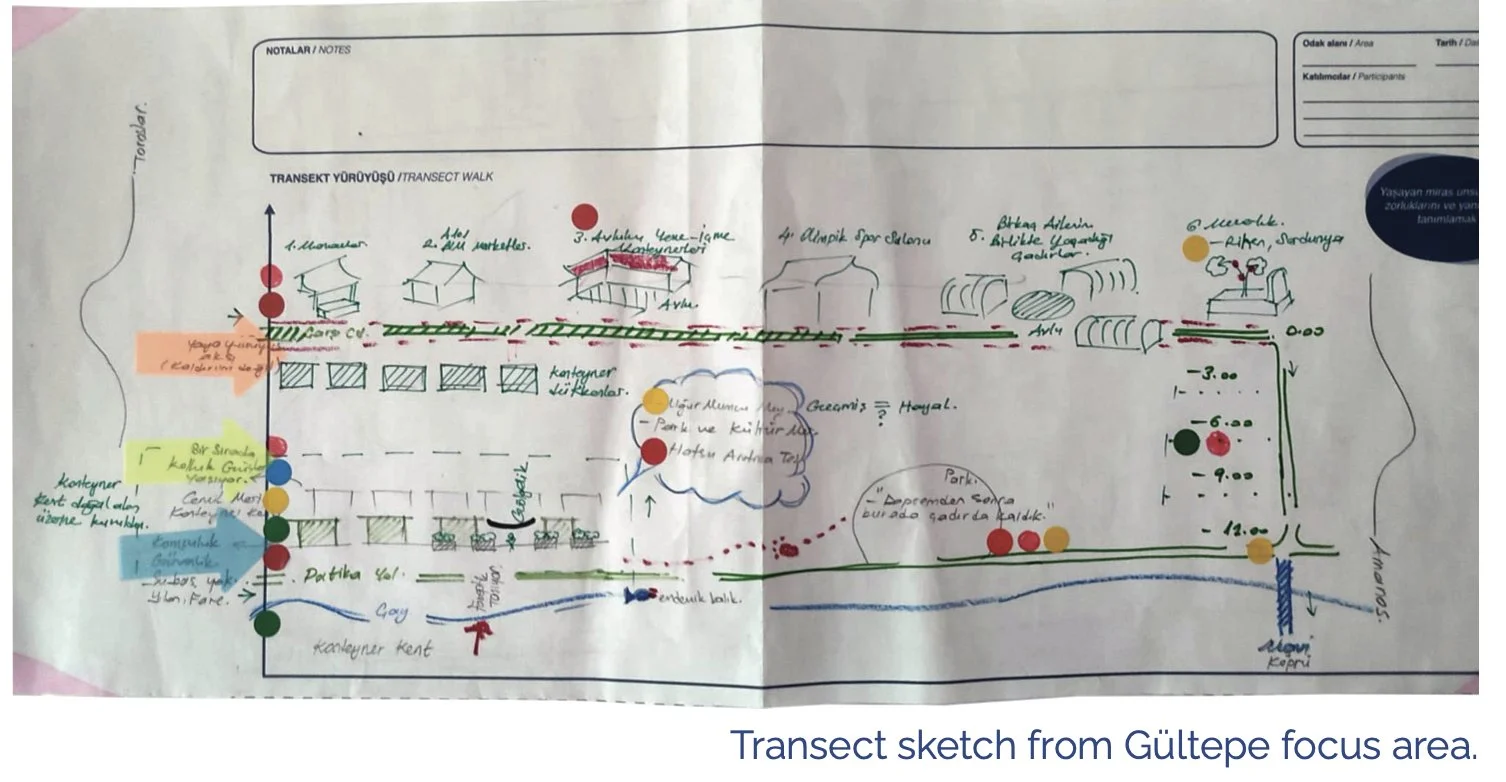
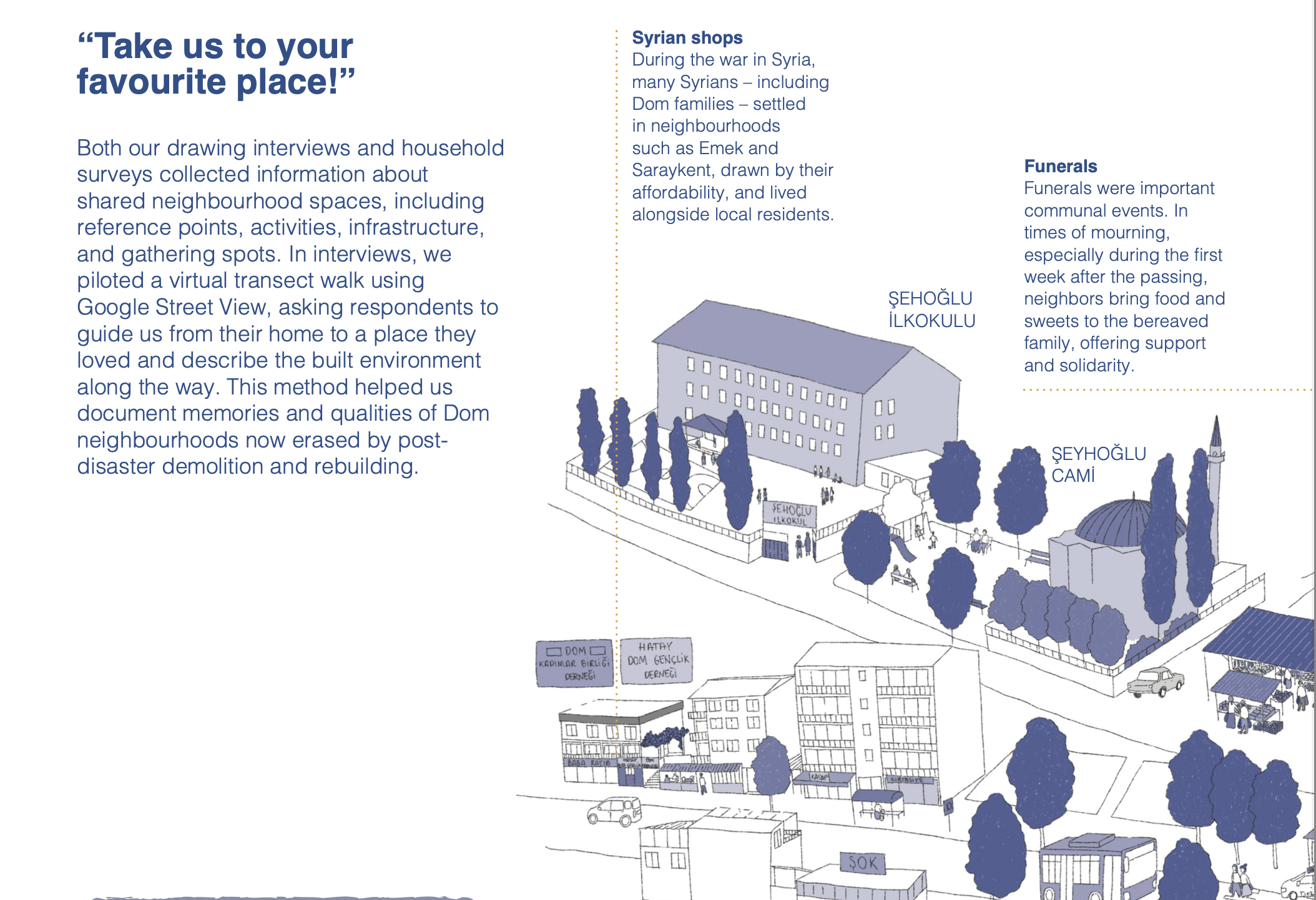
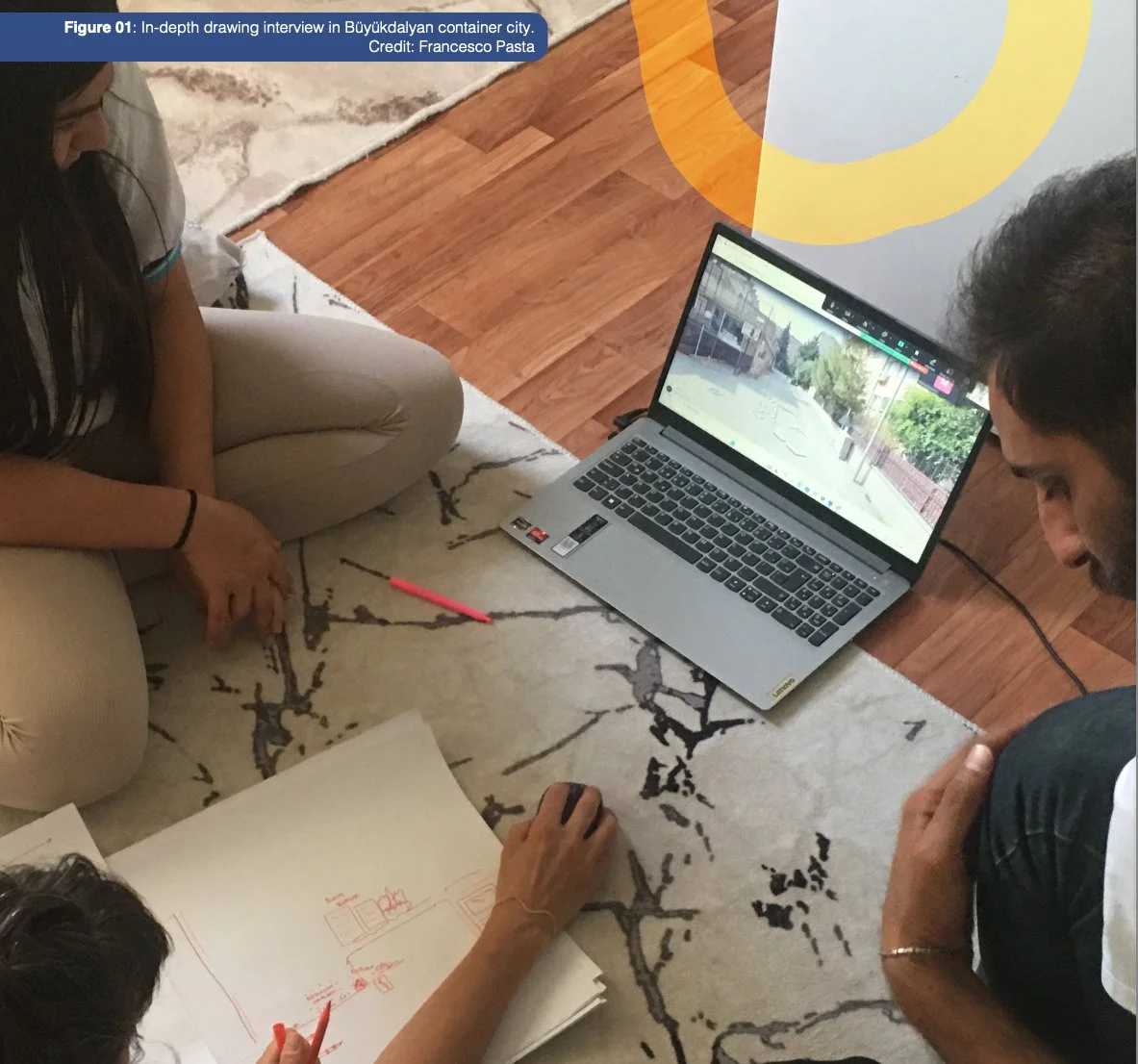
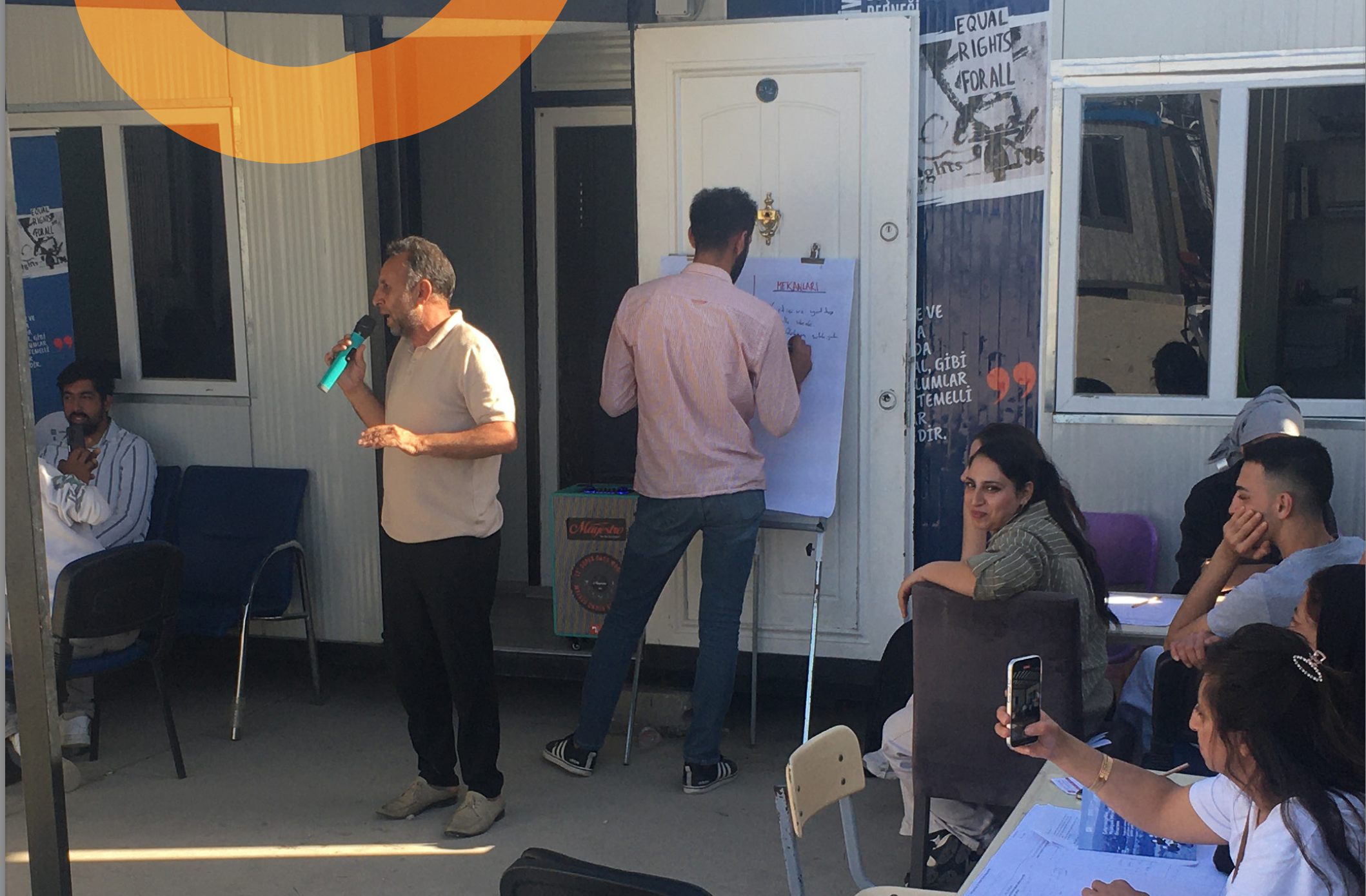
Working with community members, they considered how the Dom once lived and identified the places and elements that held value to them – communal spaces such as door fronts, gardens, and courtyards – documenting the living heritage of their neighborhoods that persists primarily in memory now. They used KoboToolbox, a free digital tool which collects geo-referenced data and provides open-ended audio questions, options to upload photos, and multiple-choice formats. Ten community researchers were trained in its use, and they surveyed 75 Dom households in container cities. They captured data on 350 people, 2% of Antakya’s estimated Dom population of 15,000–20,000.
The aim was to generate evidence to support community advocacy efforts by documenting relationships to homes, neighborhoods, and the broader city. Rather than proposing predefined solutions, they focused on visualizing knowledge for living spaces reflecting the Dom culture, practices, and needs.
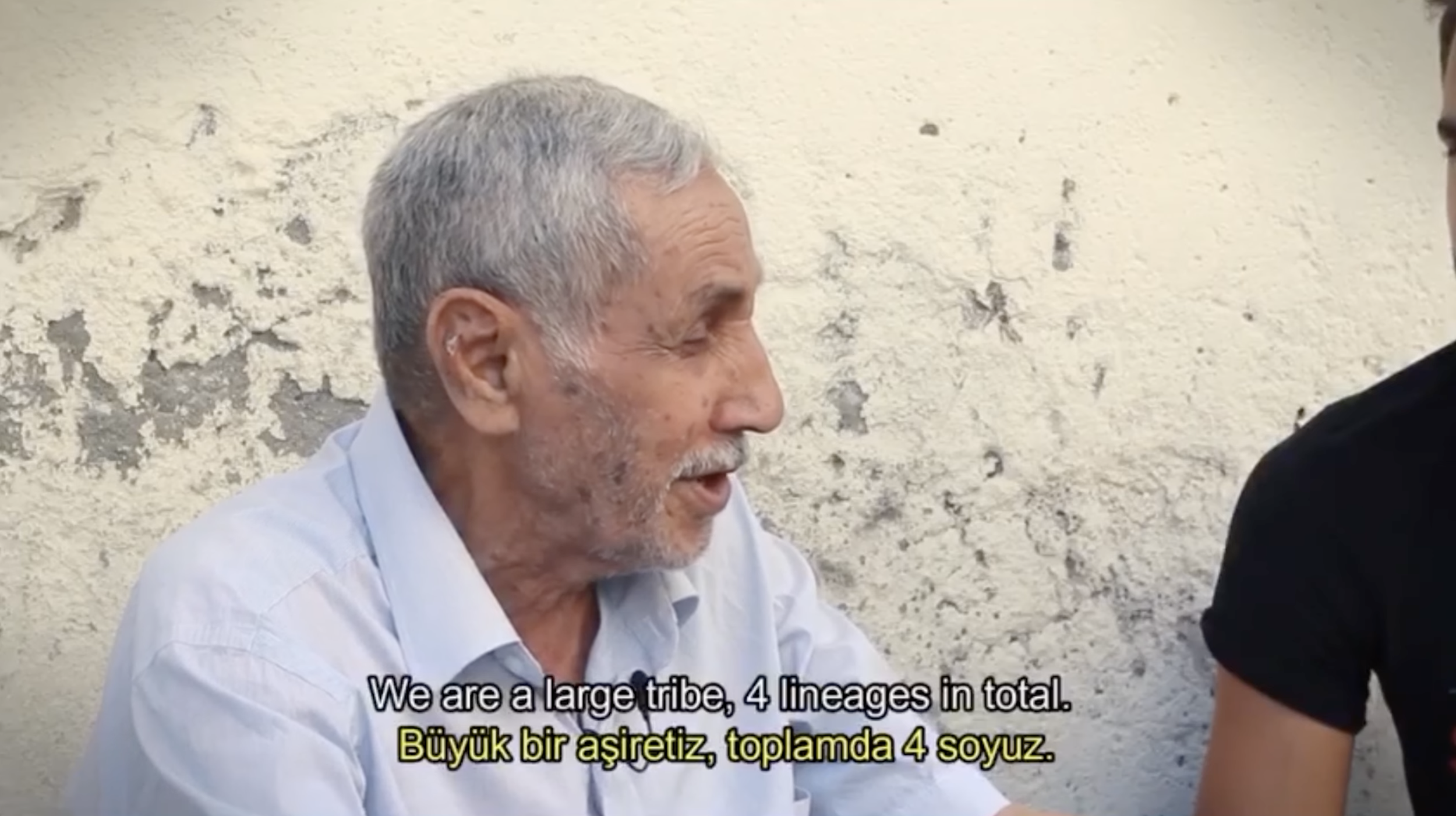
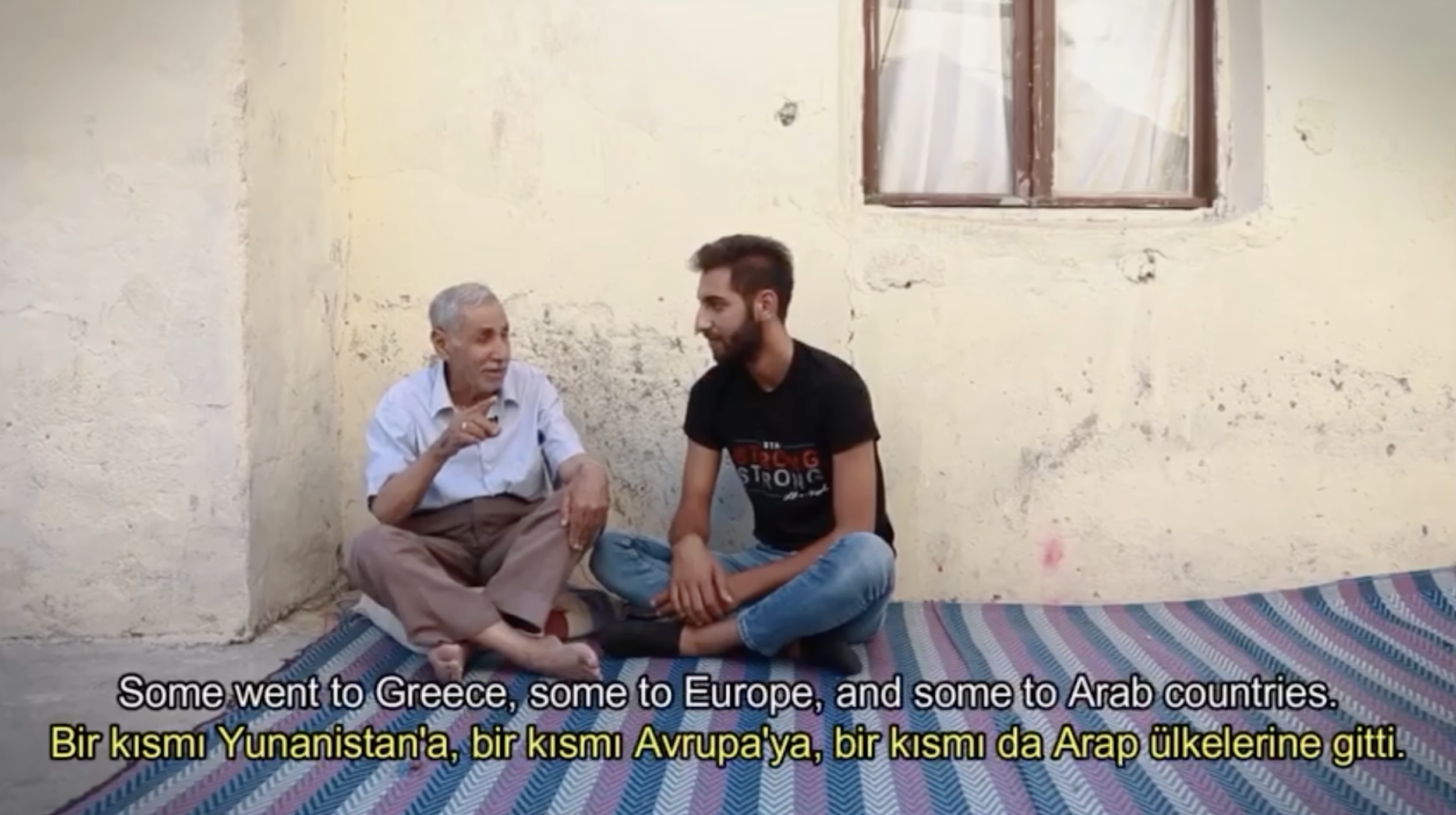
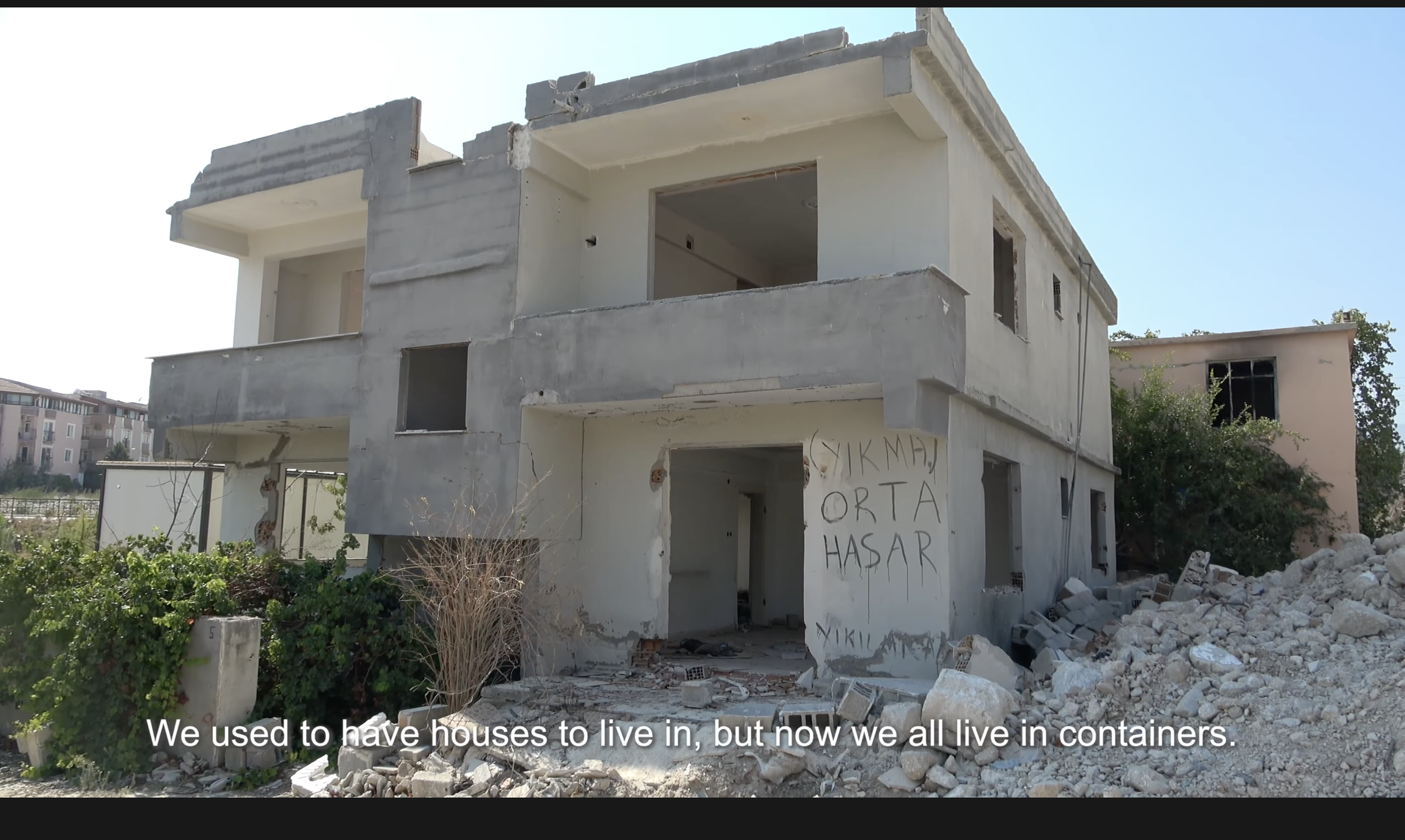
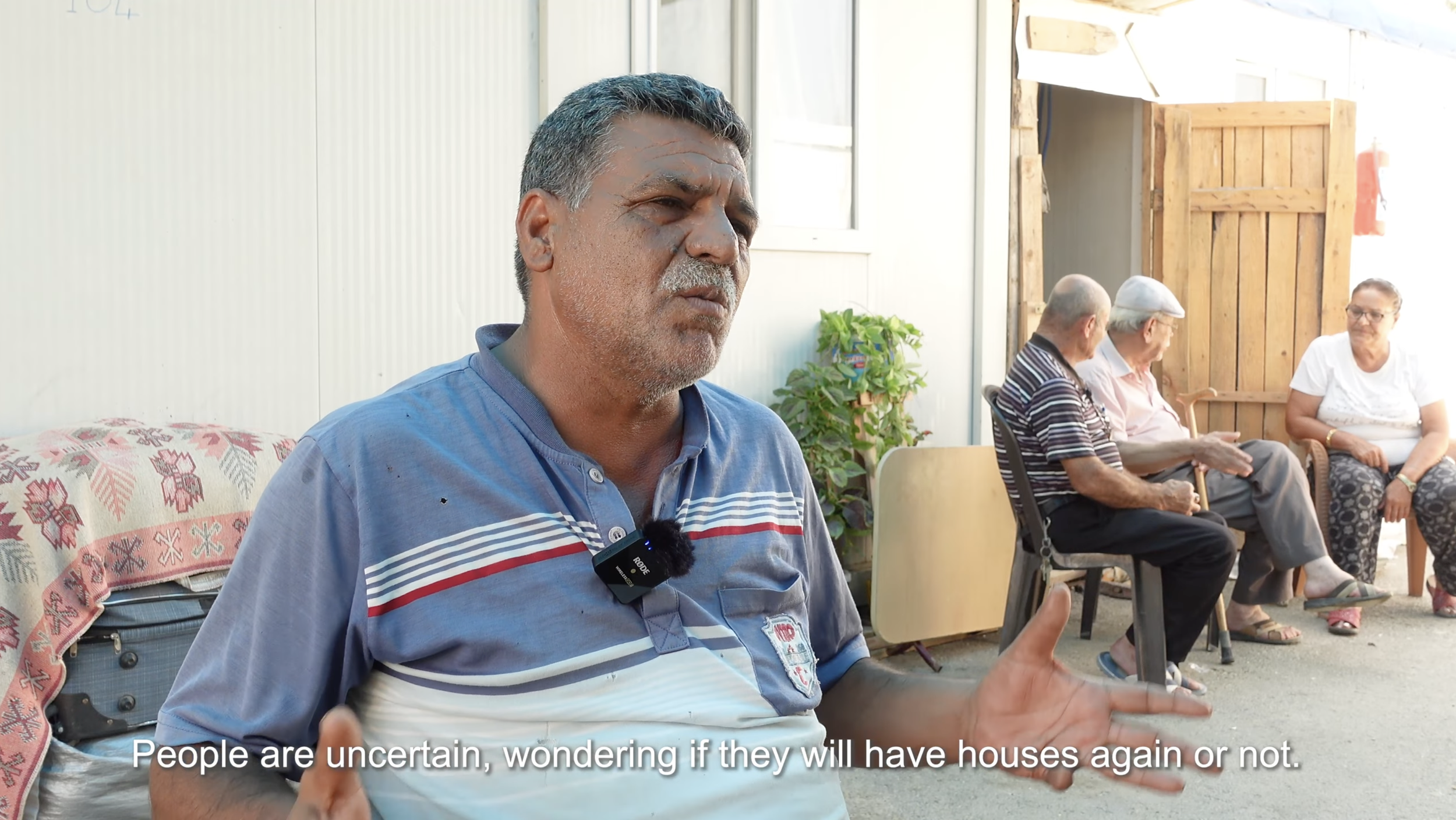
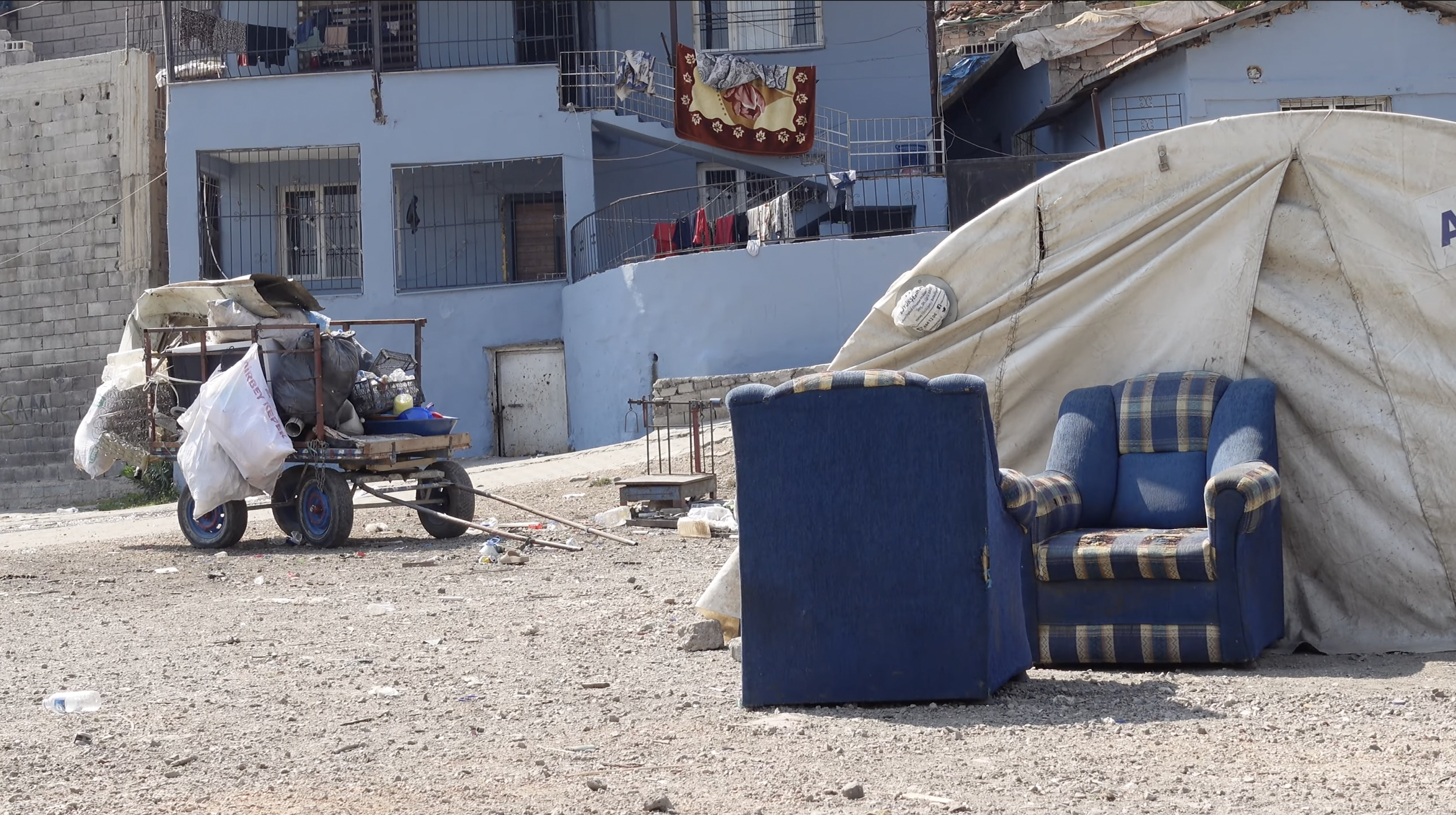
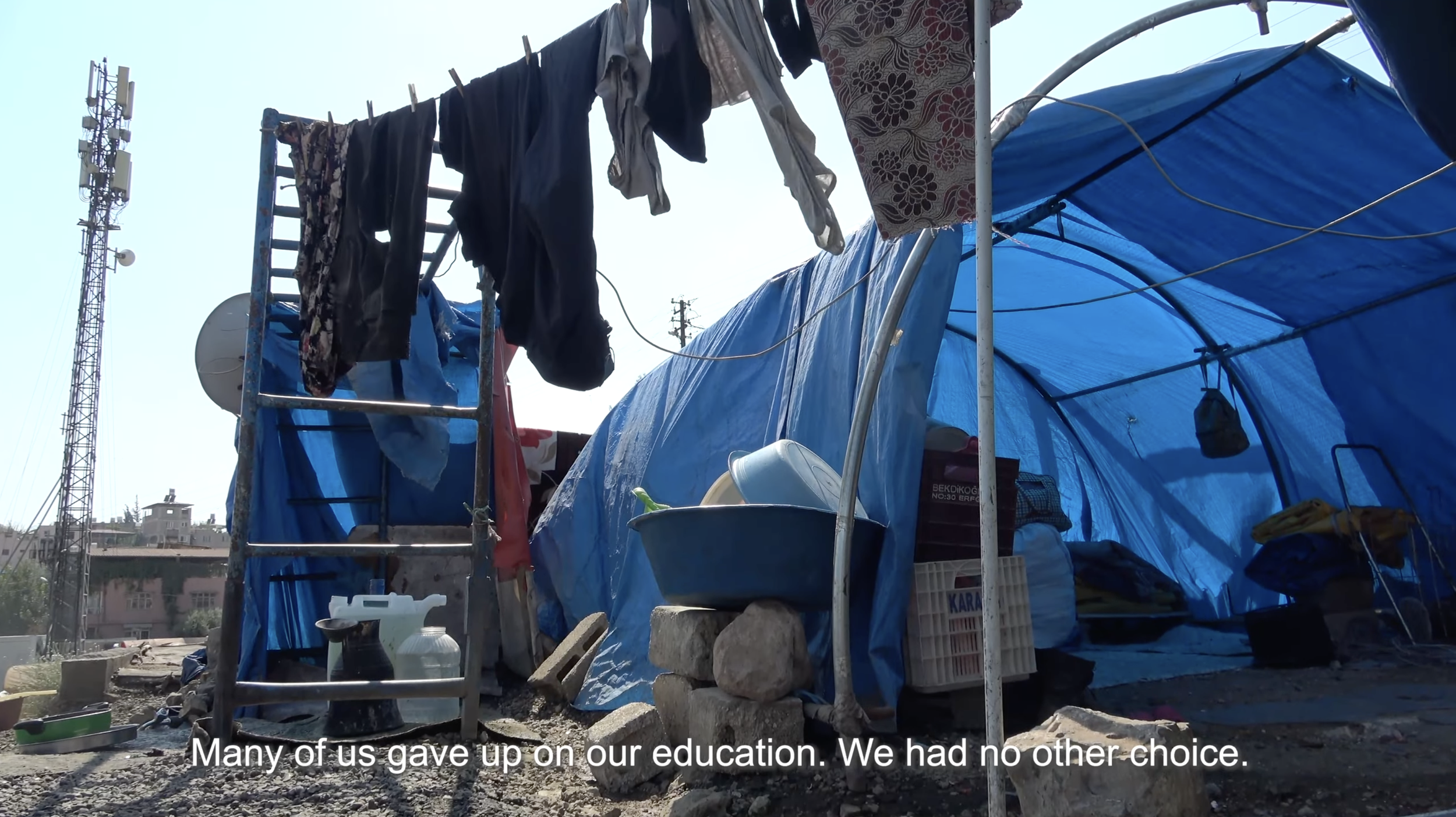
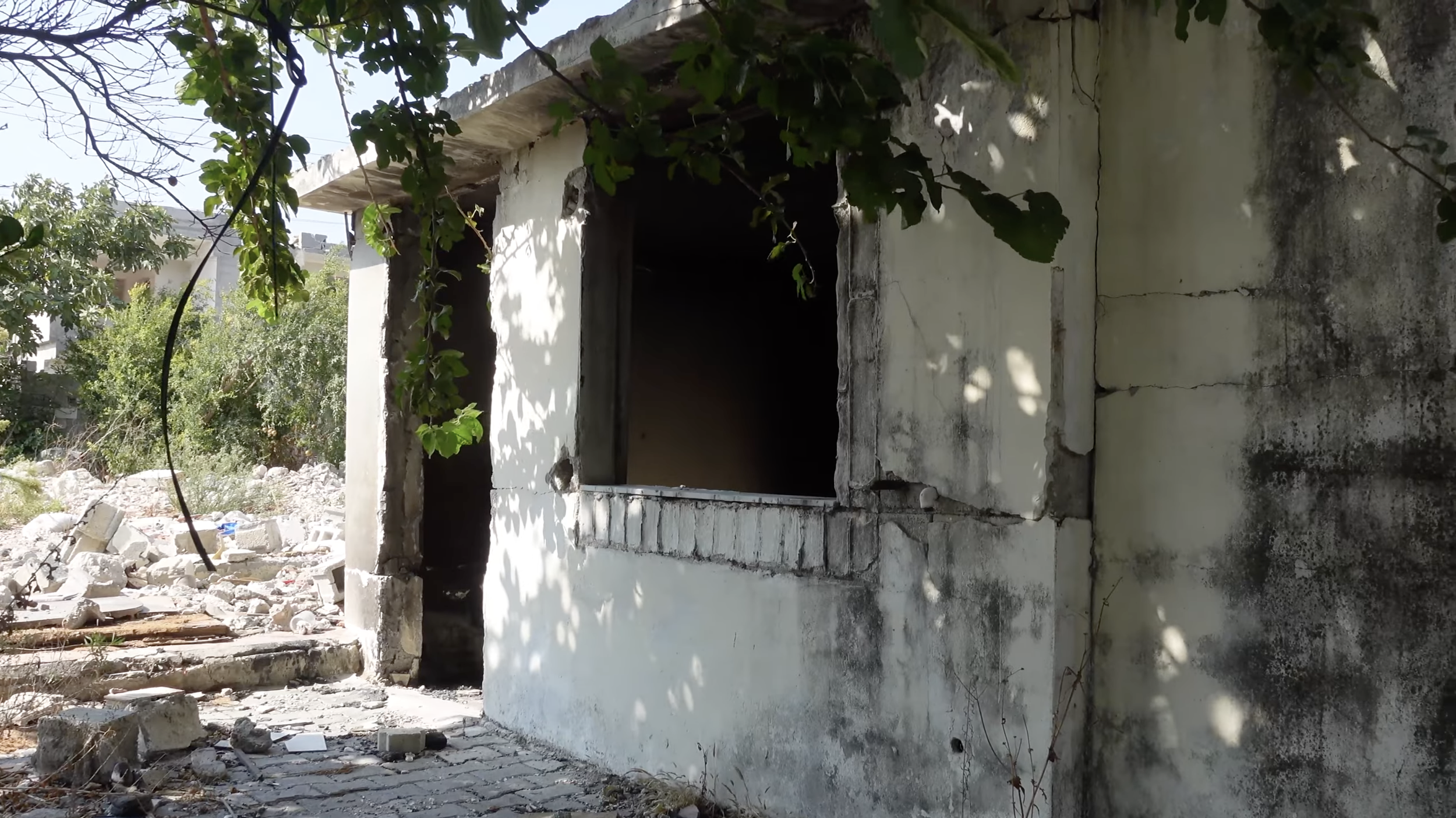
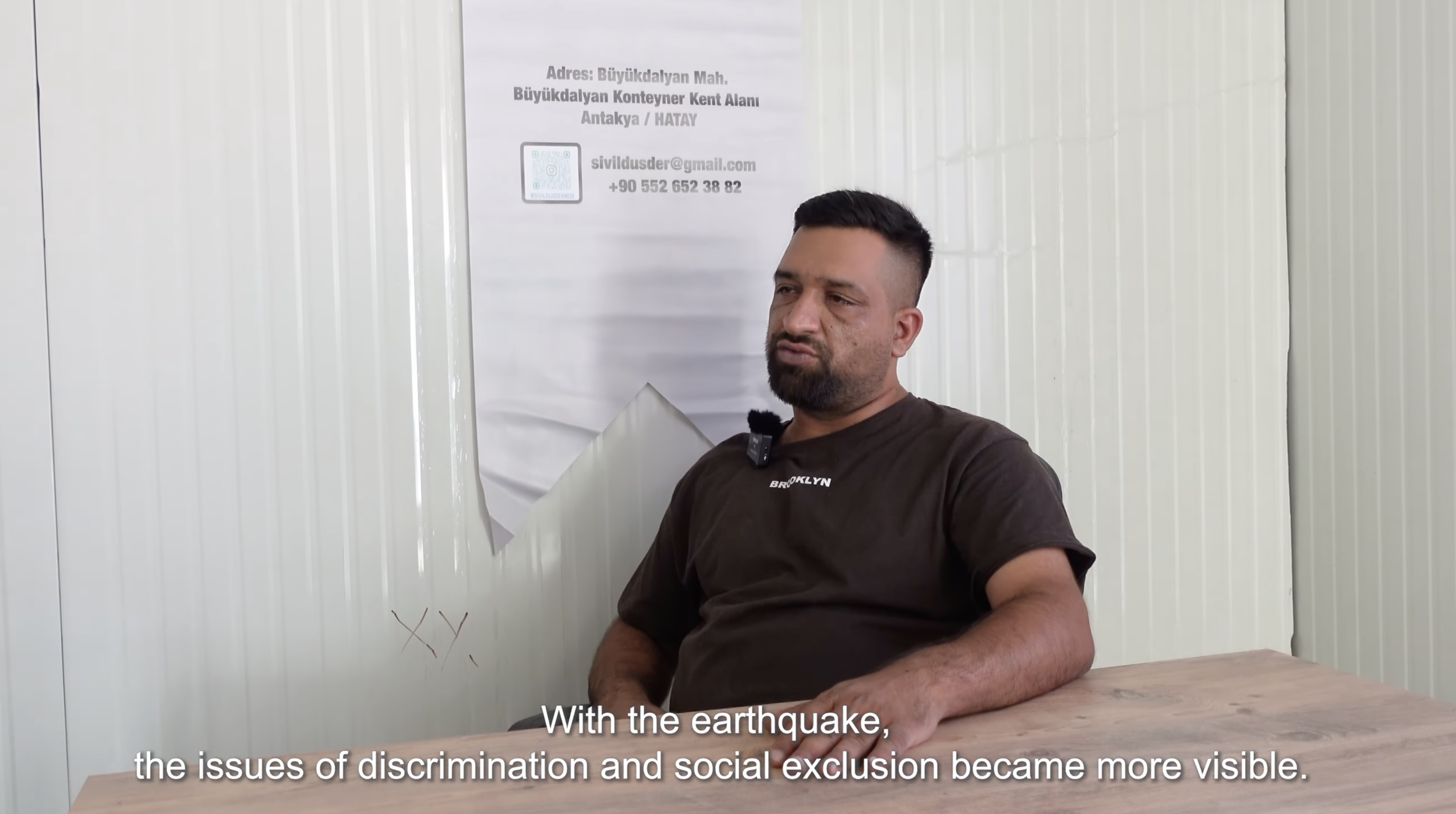
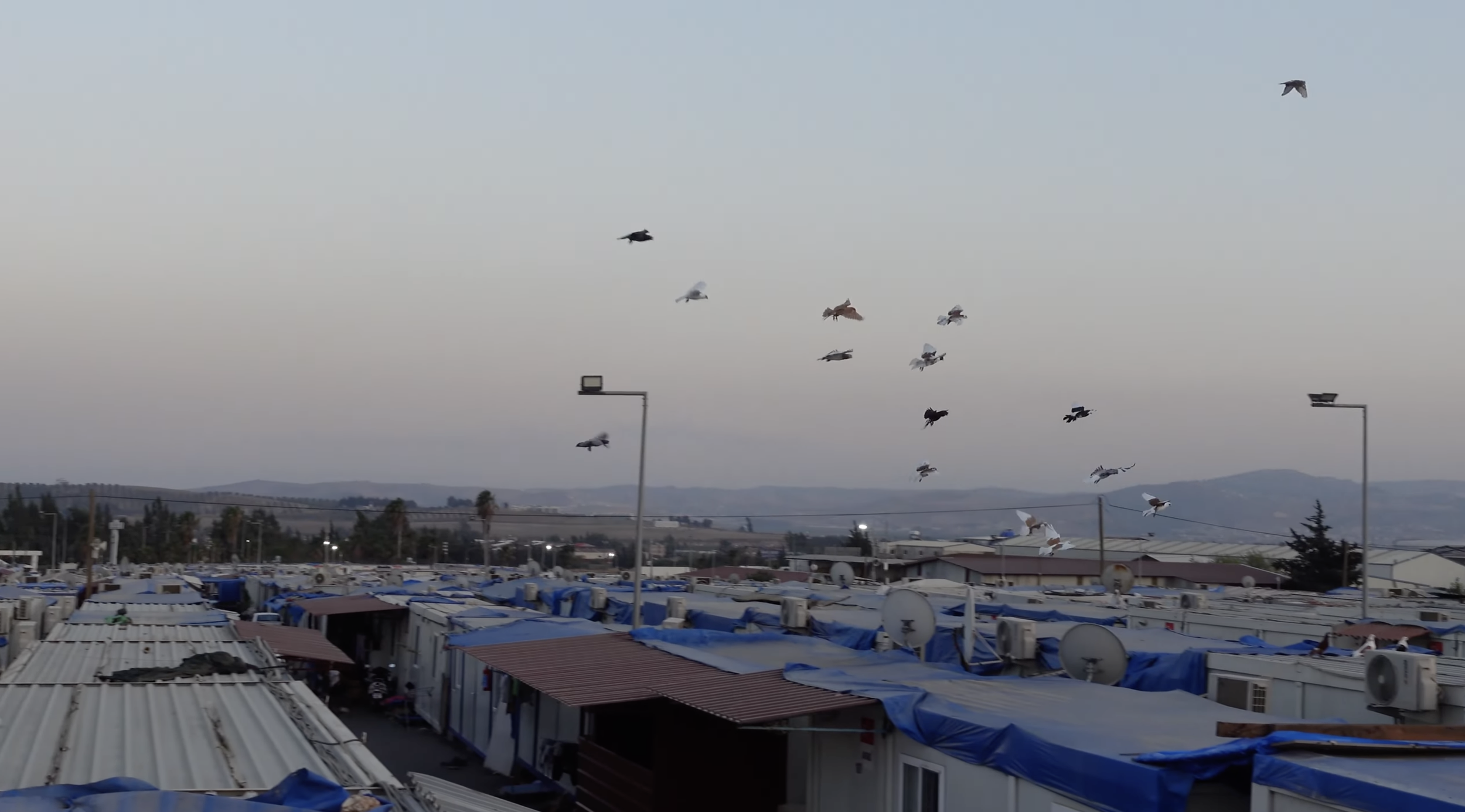
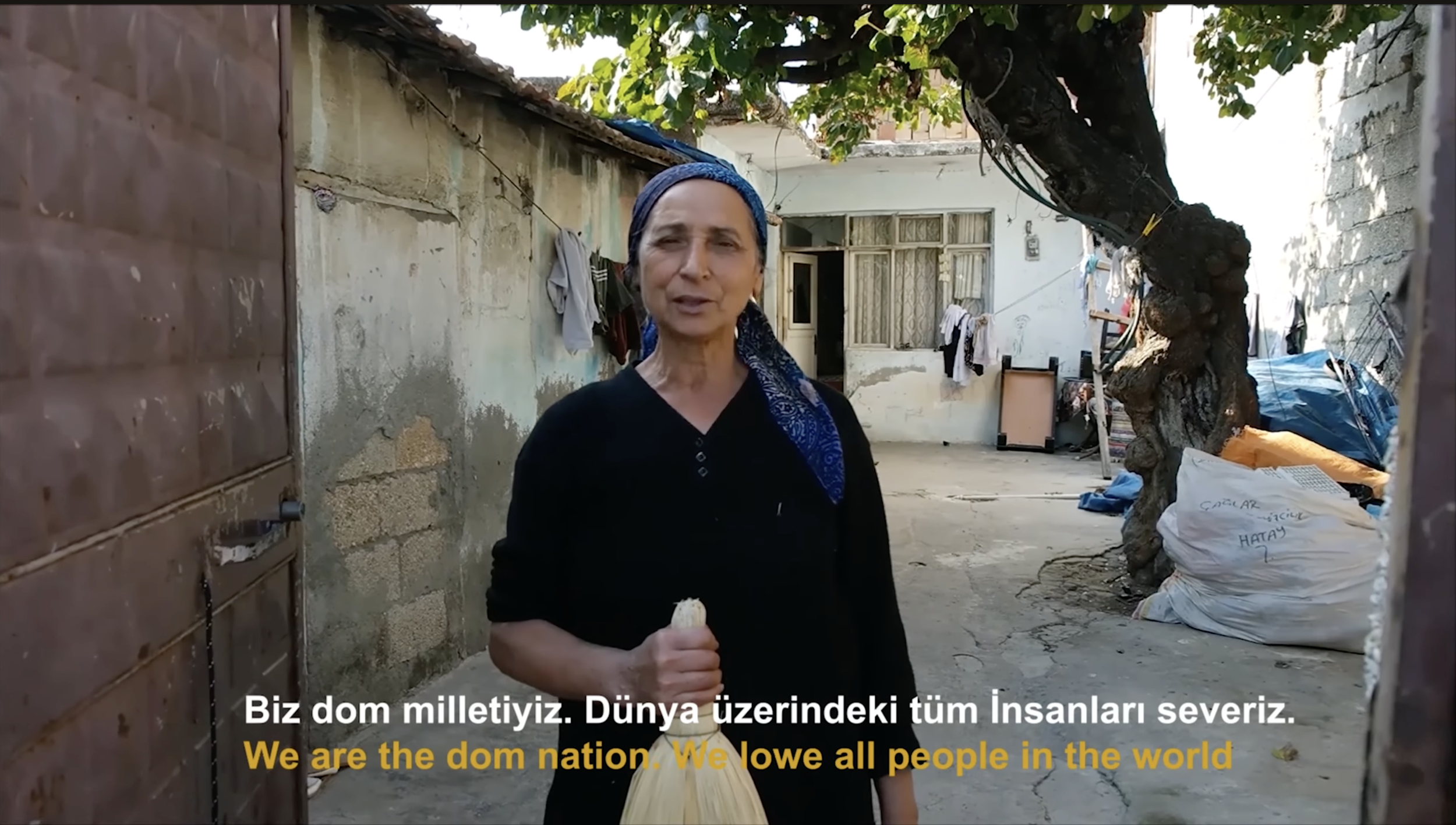
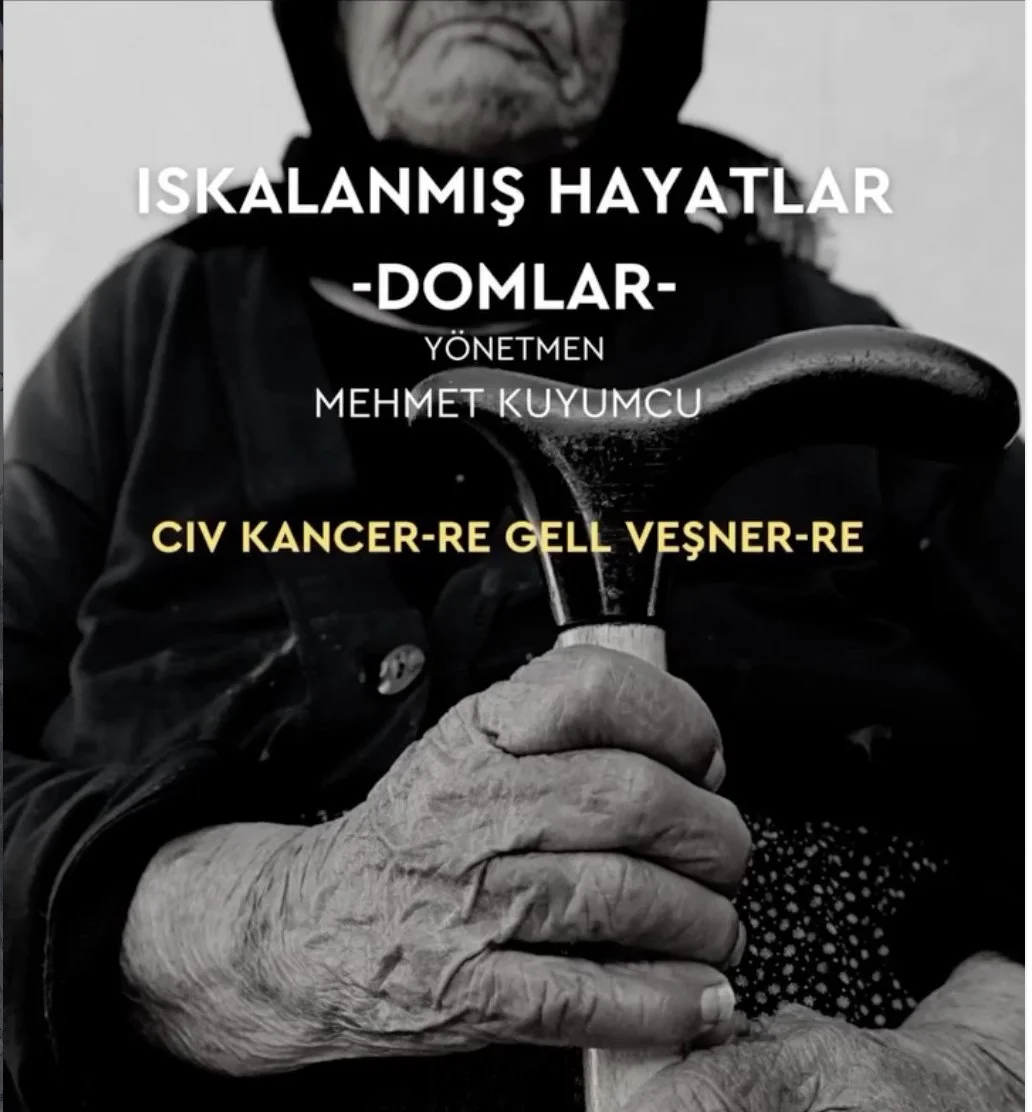
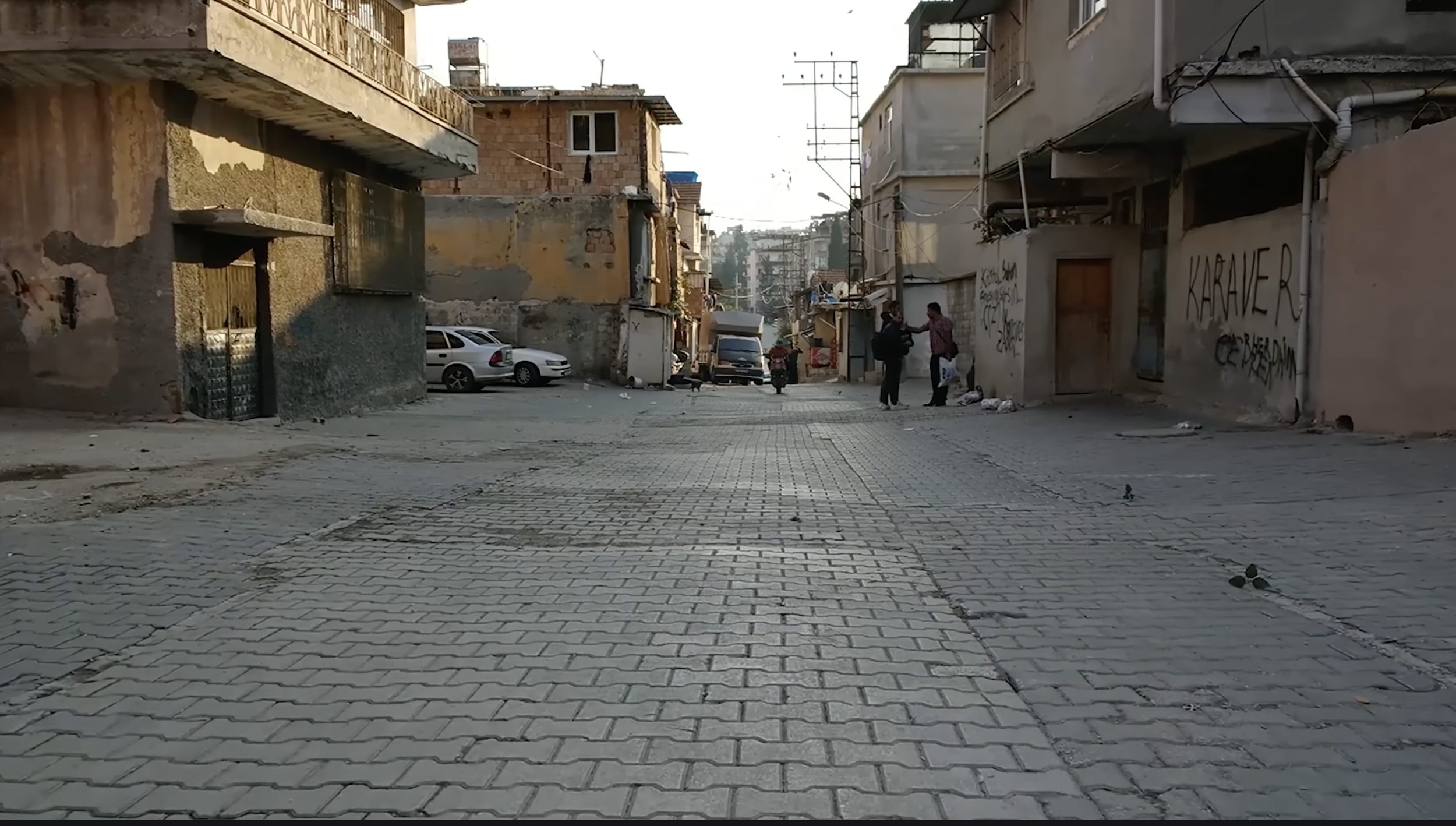
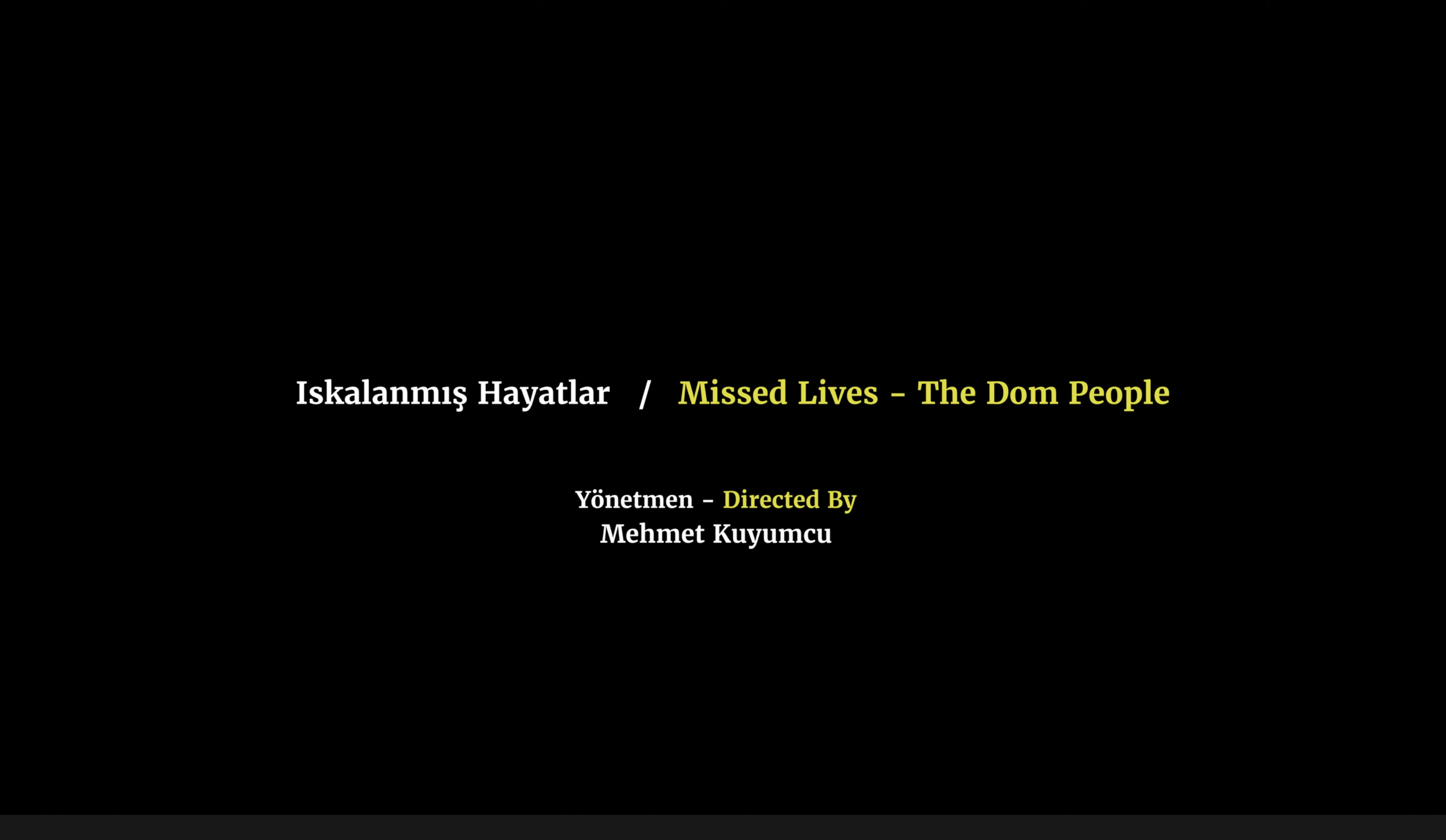
Mehmet Kuyumcu, Writer and Director (b. 1999)
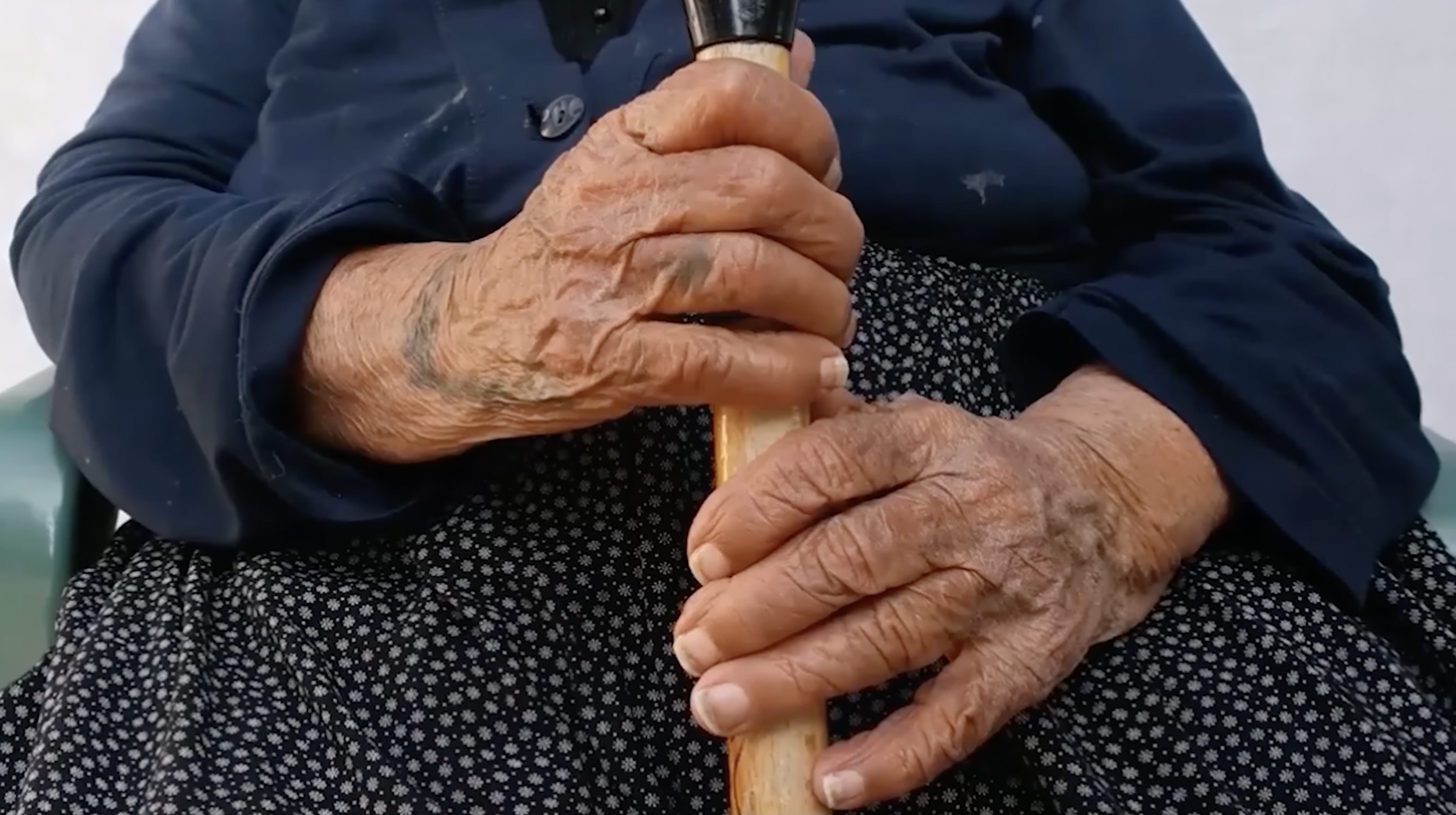
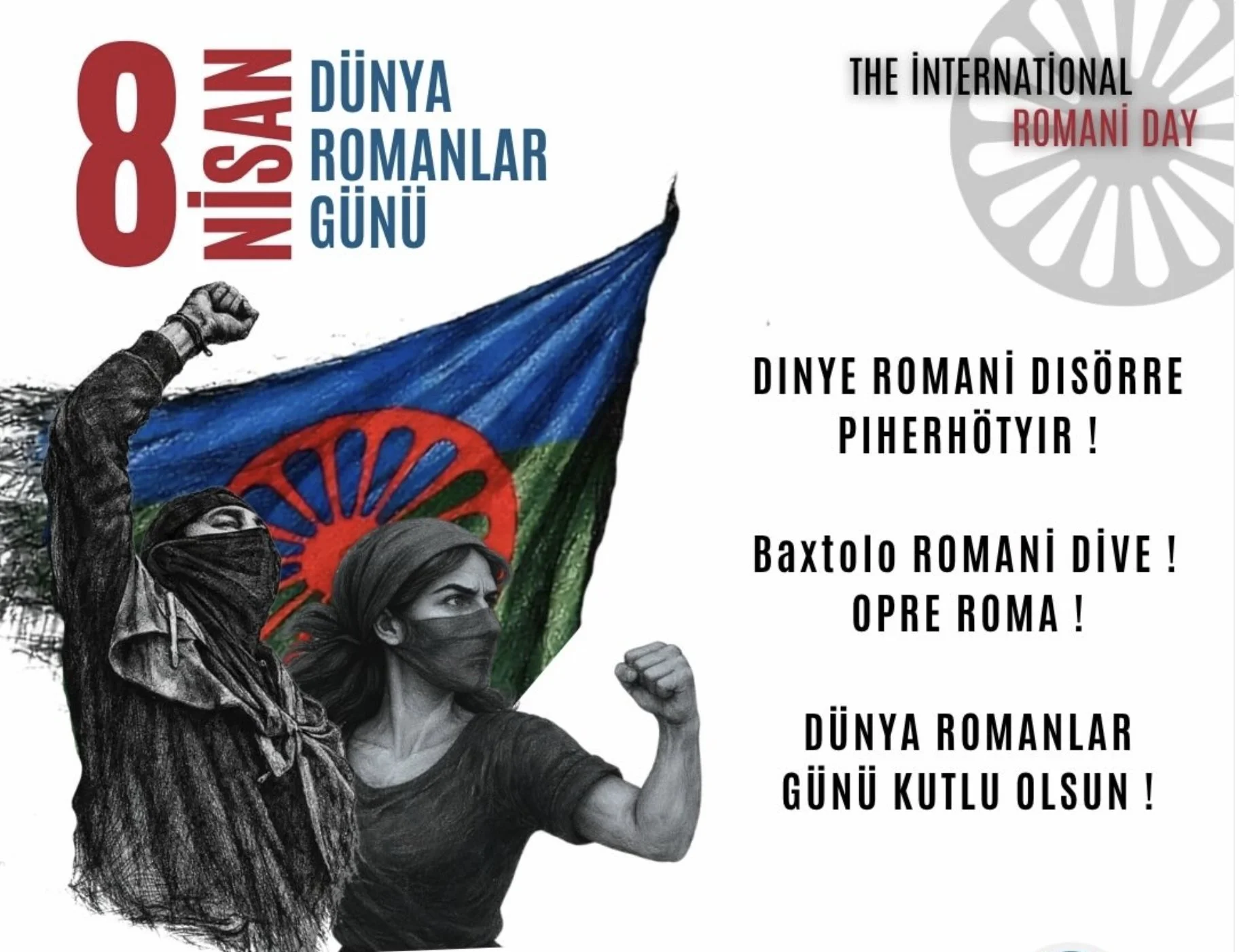
The Dom, an Indo-Aryan ethnic group which shares origins in India with the Roma, are traditionally known for an itinerant lifestyle, and live in communities across the Middle East. Despite centuries of settlement, they often remain socially marginalized and legally unrecognized, with their language and cultural practices transmitted primarily through oral tradition. Hatay is home to Türkiye’s largest Dom community, yet has largely been excluded from the discourses on multiculturalism that celebrate Antakya’s socio-cultural diversity. Limited in their access to fundamental rights such as education, healthcare, housing, and employment, the Dom are often rendered invisible.
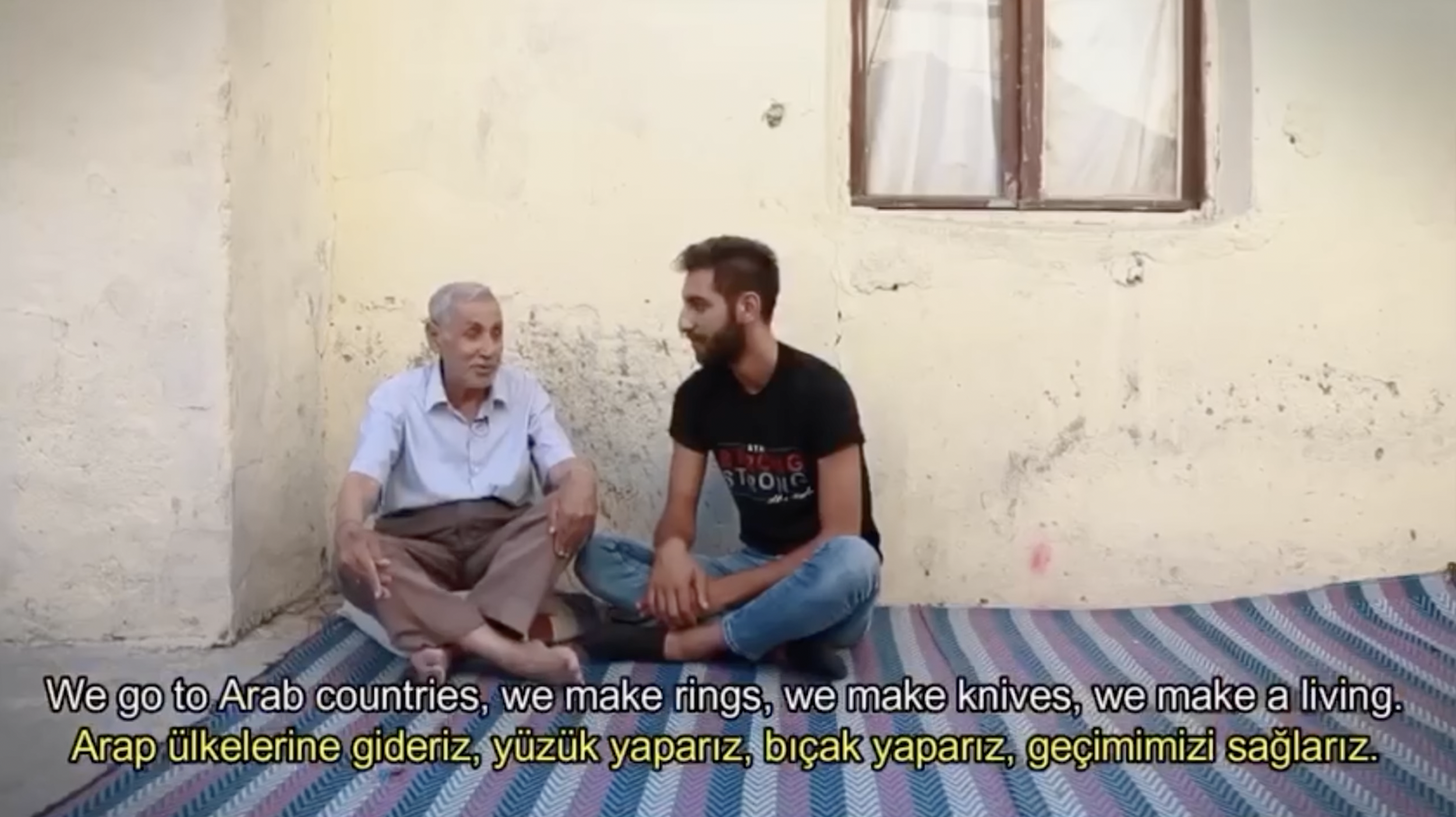
This film sheds light on the Dom’s cultural heritage and living conditions in Antakya before and after the earthquakes through a rights-based lens. Filming began in 2022, shaped by interviews with the remaining masters of traditional Dom crafts such as tinning, jewelry-making, and dentistry. Months of footage was lost in the earthquakes, and the documentary in its initial vision could not be finished. Kuyumcu resumed filming, building upon the original footage, and documenting ongoing human rights violations in the wake of the disaster. The film highlights the importance of preserving cultural diversity, and calls on civil society and media actors to work in solidarity with this community to find just solutions.
Mehmet Kuyumcu is a member of the Dom community and was born in Antakya. He chose to pursue filmmaking in order to tell the stories of his community and to document the discrimination, social exclusion and ignored cultural heritage faced by the Dom and Roma communities living in Hatay. His long-term goals are to increase the visibility and preserve the memory of these communities through film, to produce works that document and archive the destruction of Dom and Roma cultural heritage, and to inspire the next generation of Dom youth to tell their own stories.