
Kahramanmaraş
Kaf Kolektif
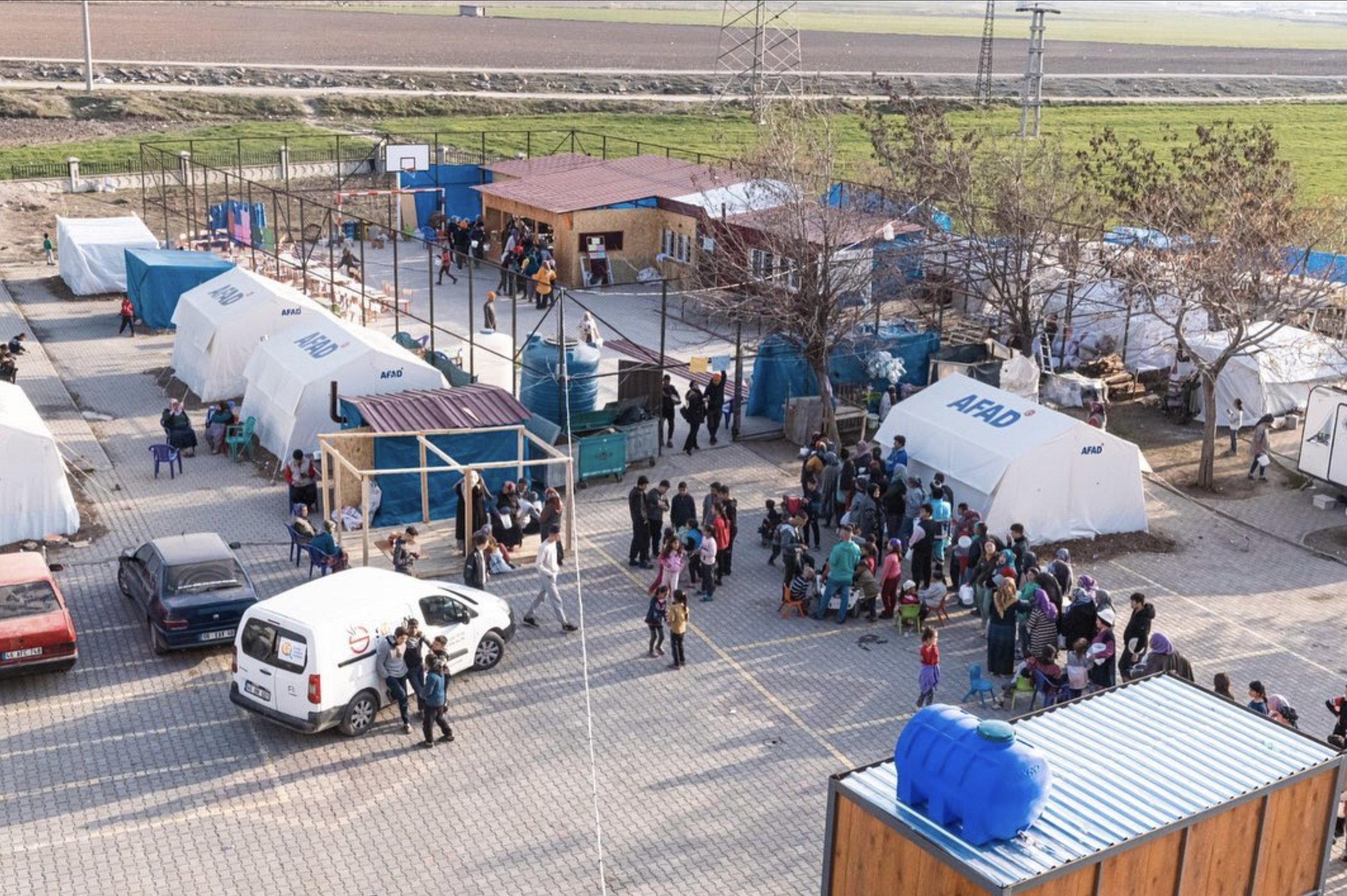
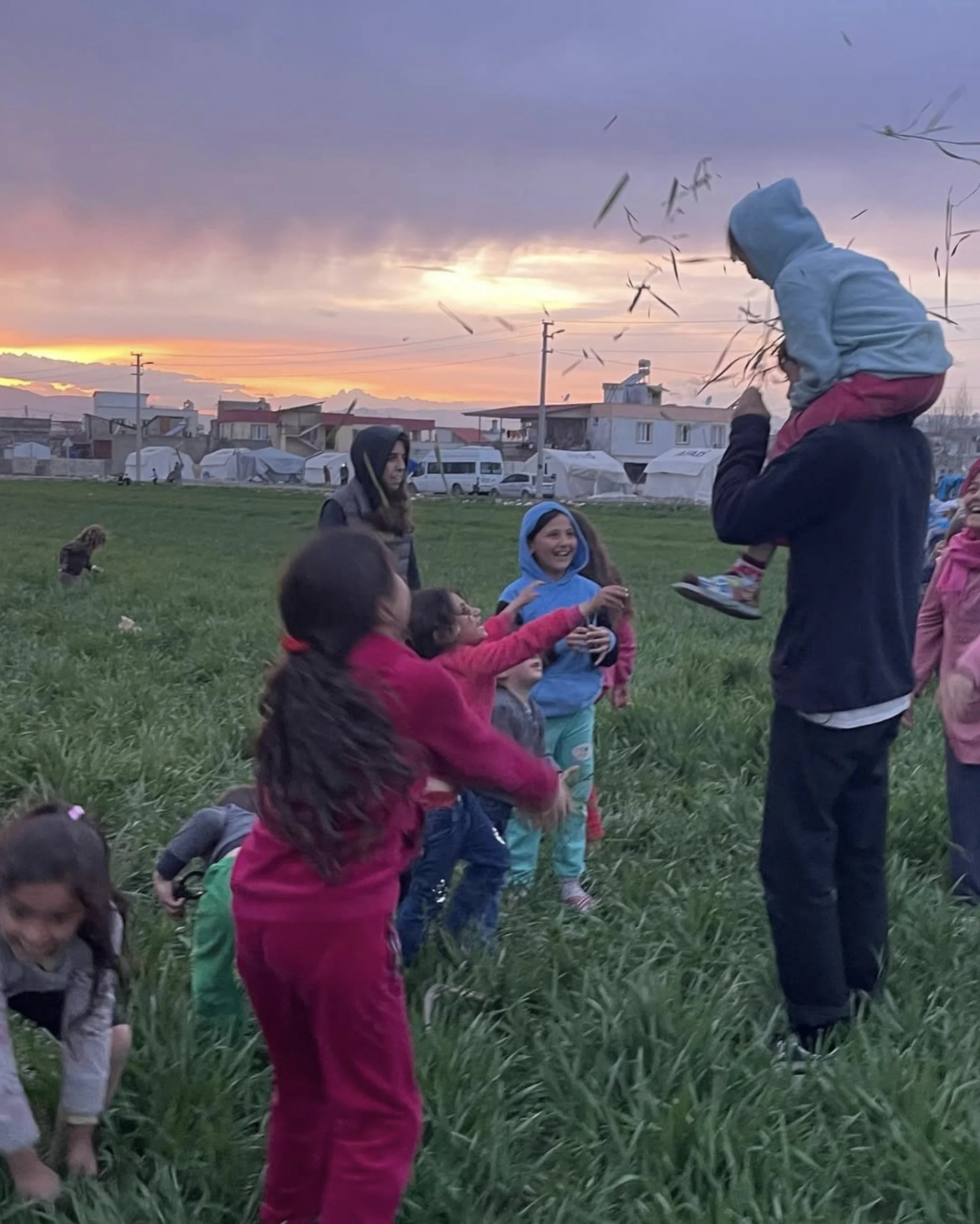
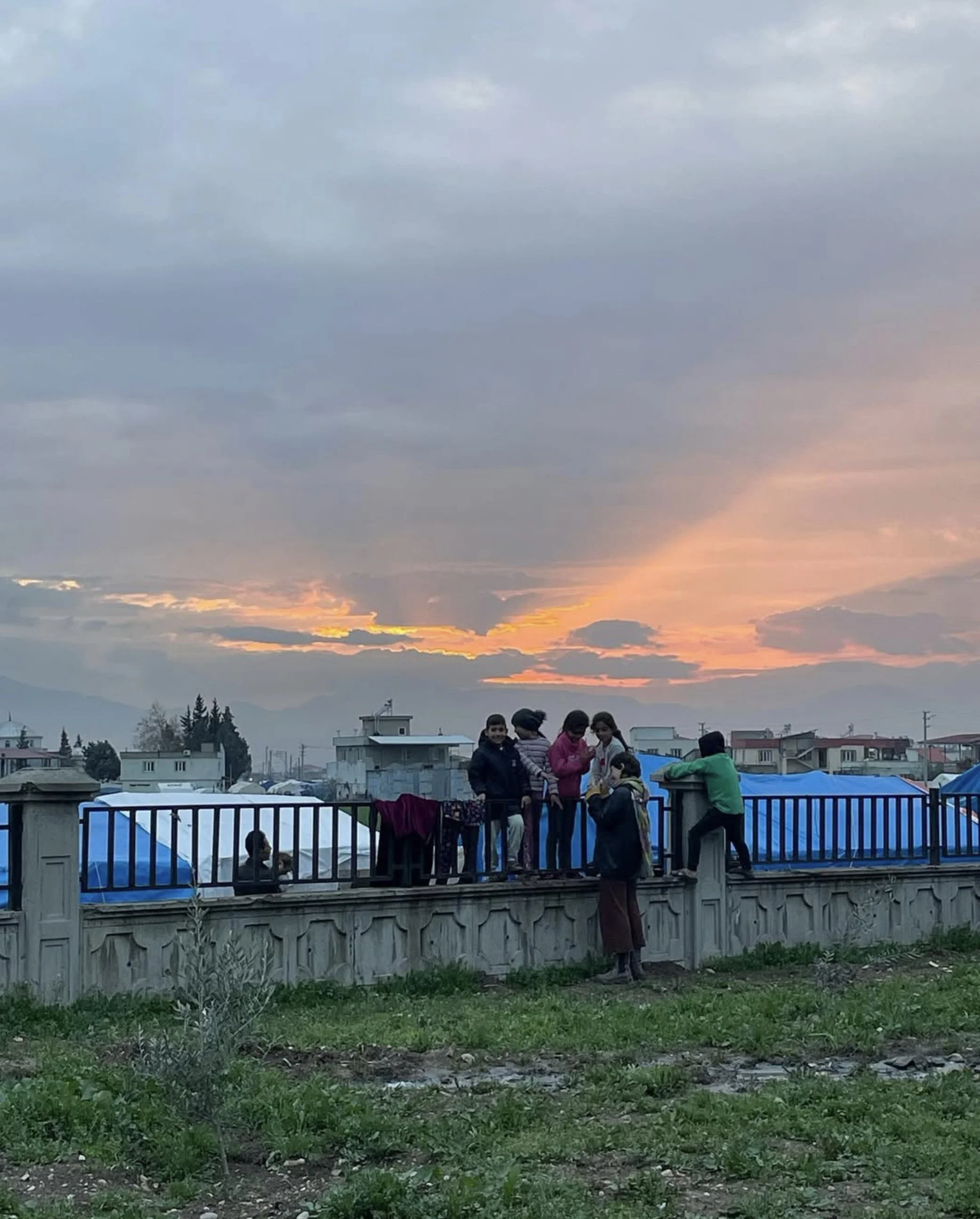
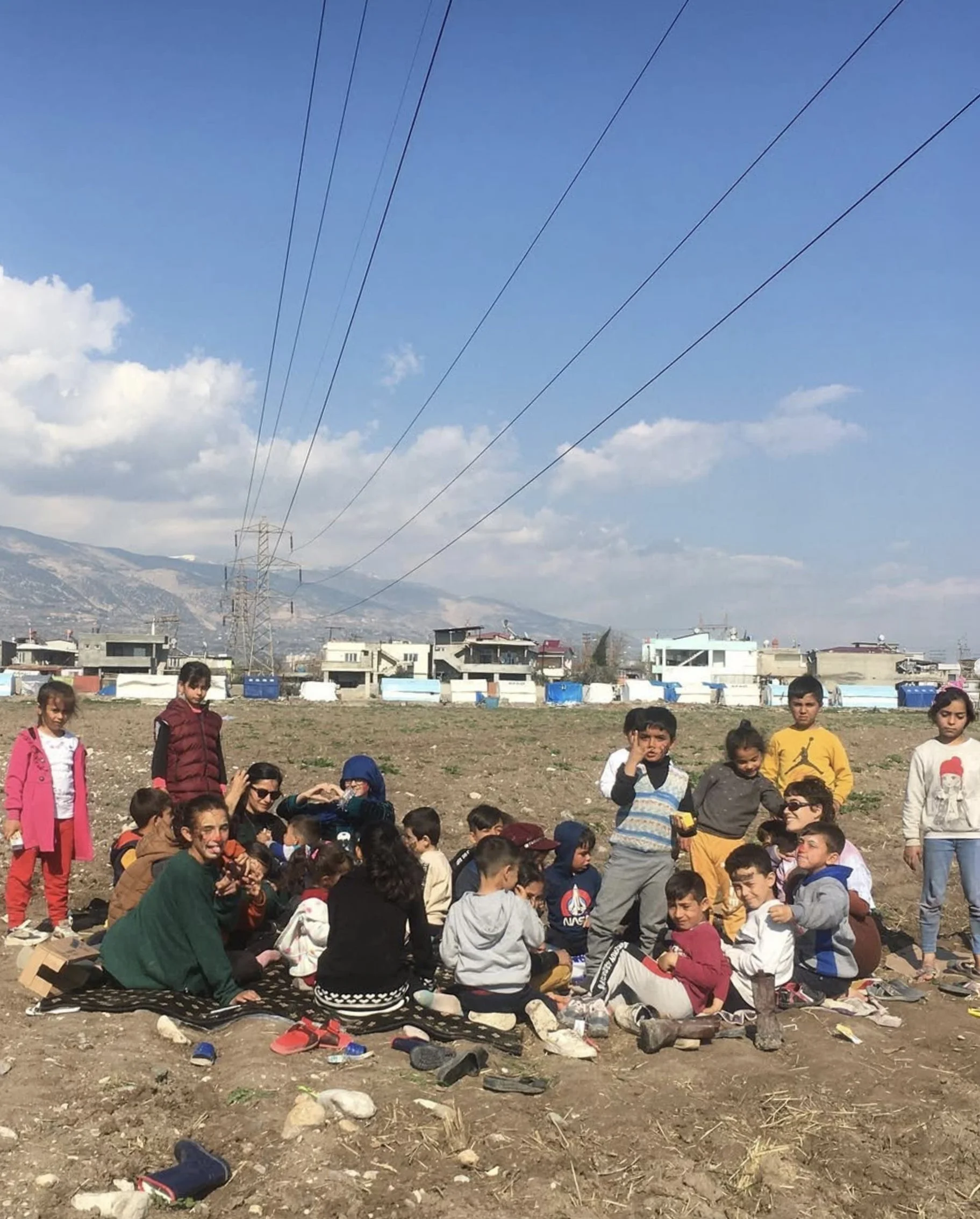
On February 9, 2023, a group of friends arrived in Kahramanmaraş intent on locating a suitable site to provide aid. They located a basketball court at a middle school where 500 children and 600 adults (Turkish nationals and Syrian refugees) were sheltering in tents. It is here, through the use of appropriated materials and skills, that they implemented a sophisticated system to address fundamental needs, while focusing particular attention on children’s trauma.
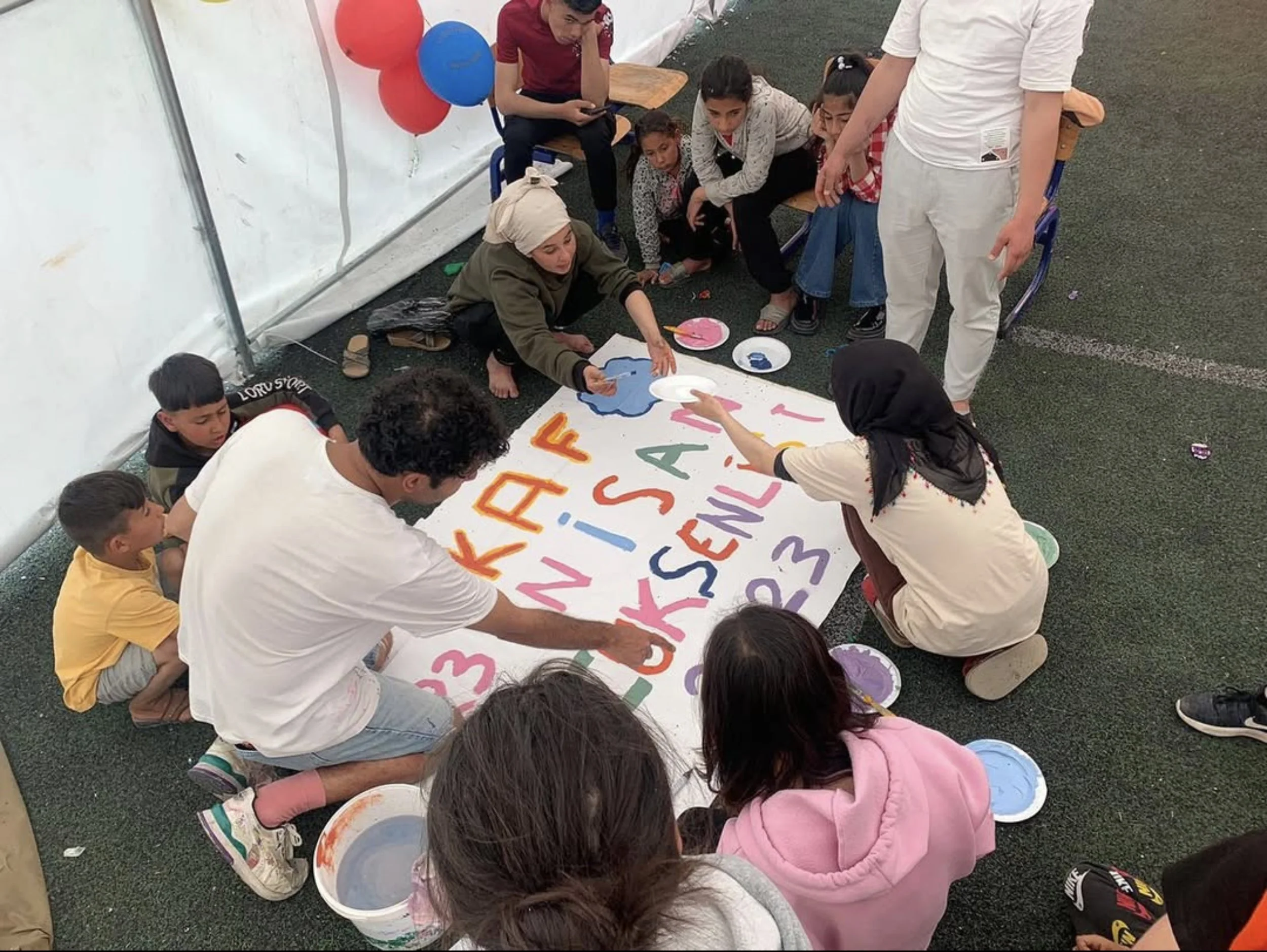
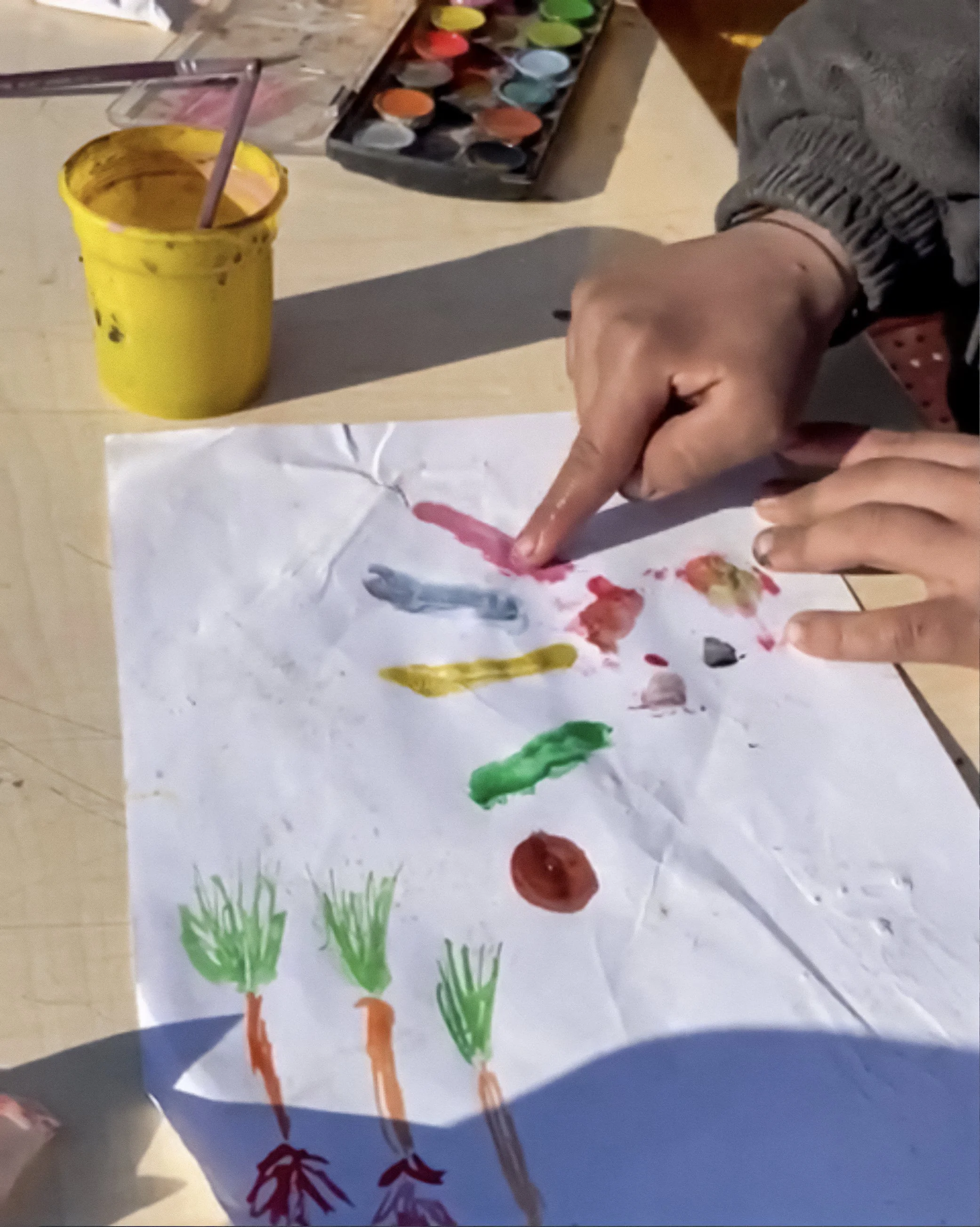
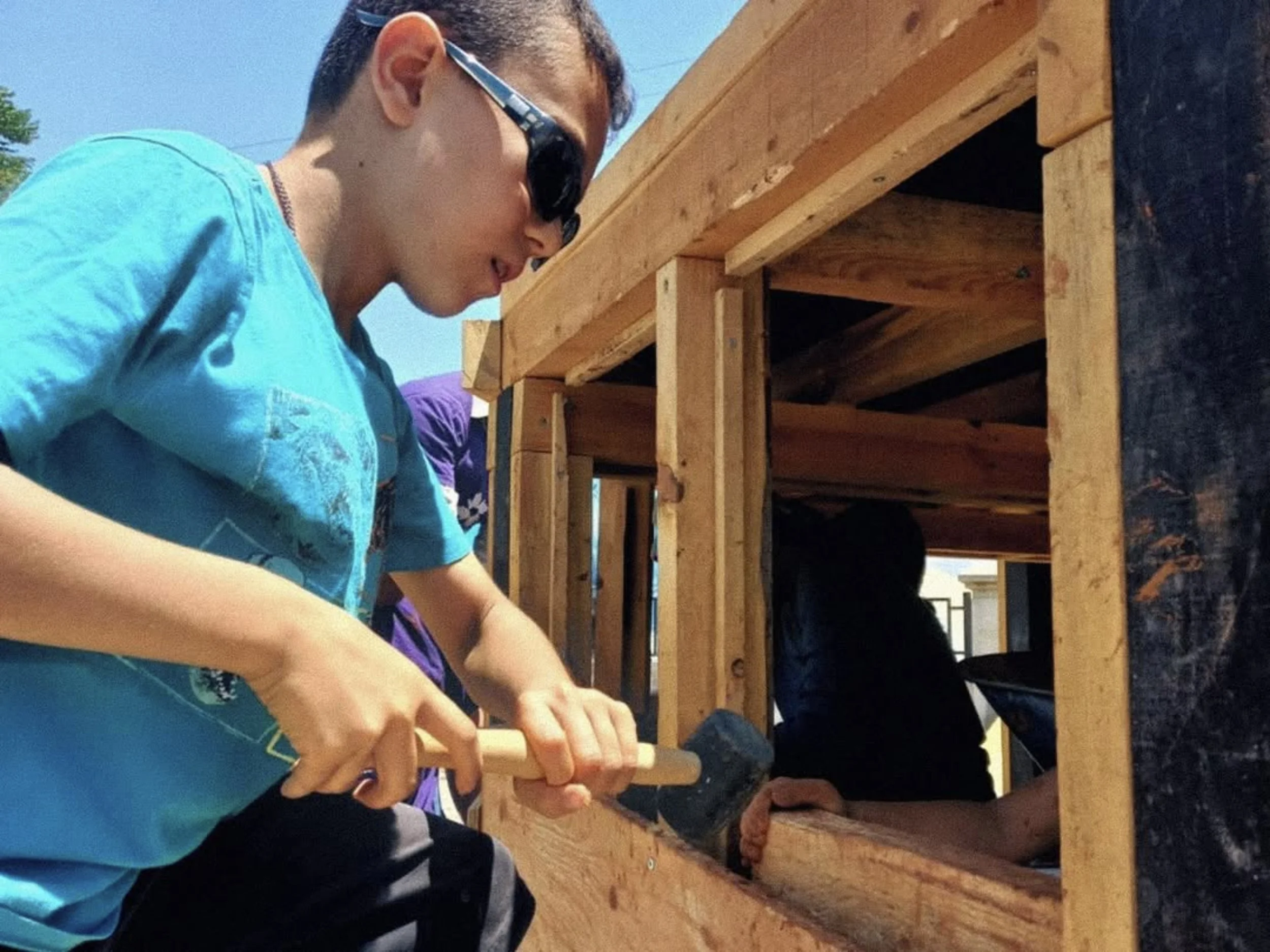
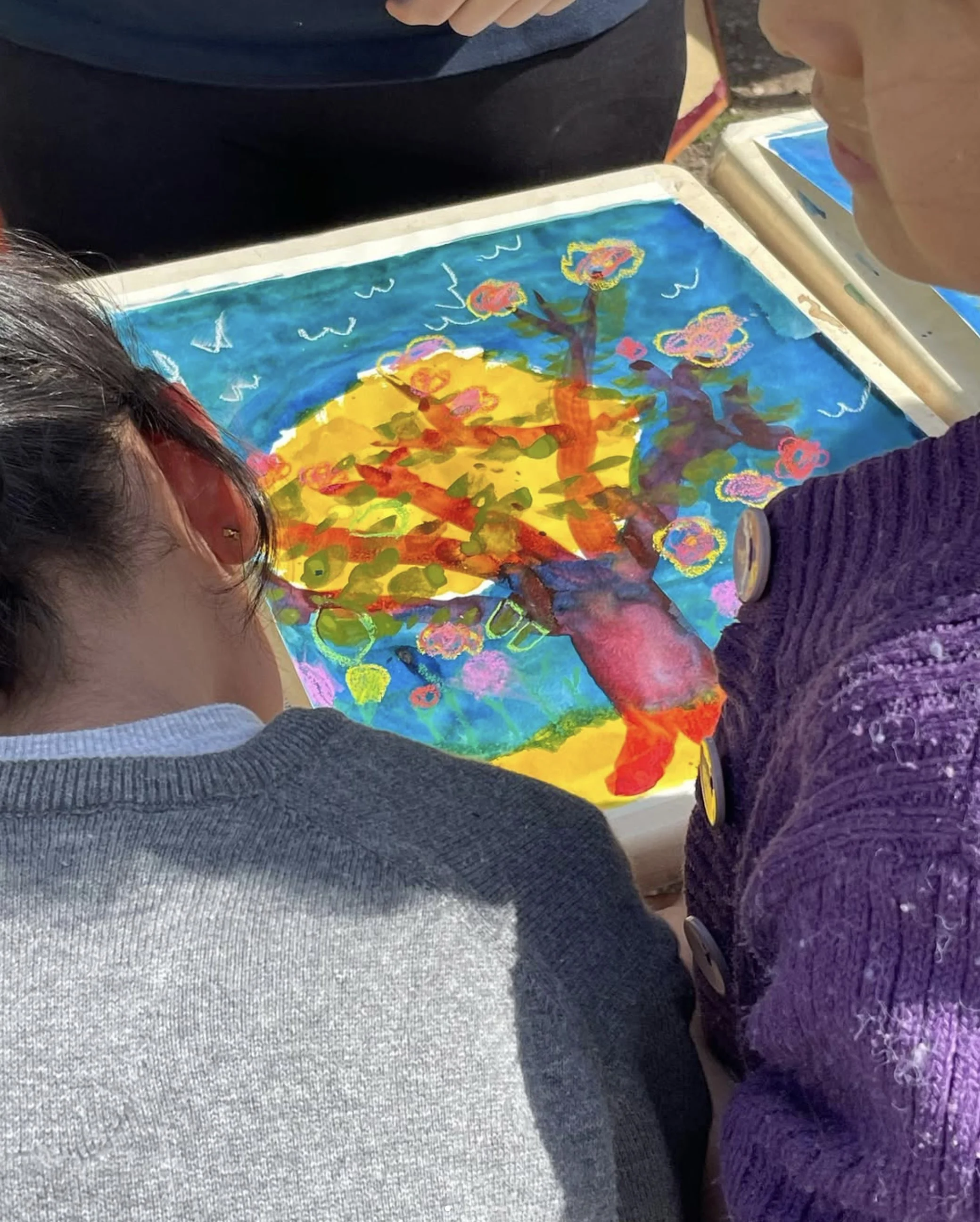
Groups like Kaf were critical in the early stages of recovery because they made it possible for other outside groups invested in long-term repair to quickly join them. Kaf’s own volunteers – artists, musicians, chefs, writers, and architects – dedicated their creative talents to designing art-focused activities, and building spaces for, and with, the children. They engaged them in drawing, playwriting and performance, the fabrication of musical instruments from appropriated materials, and building.
Kaf arrived at a time of extreme crisis in a community already in conflict because of cultural differences. Their efforts sometimes met with resistance from the city and the residents, and despite their devotion, they left within eight months of their arrival.
Collaborators: Architecture for All, All Hearts and Hands, Critical Craft, Water Mission, Atelier Tenera
Image Credits: Kaf Kolektif
Children’s Play
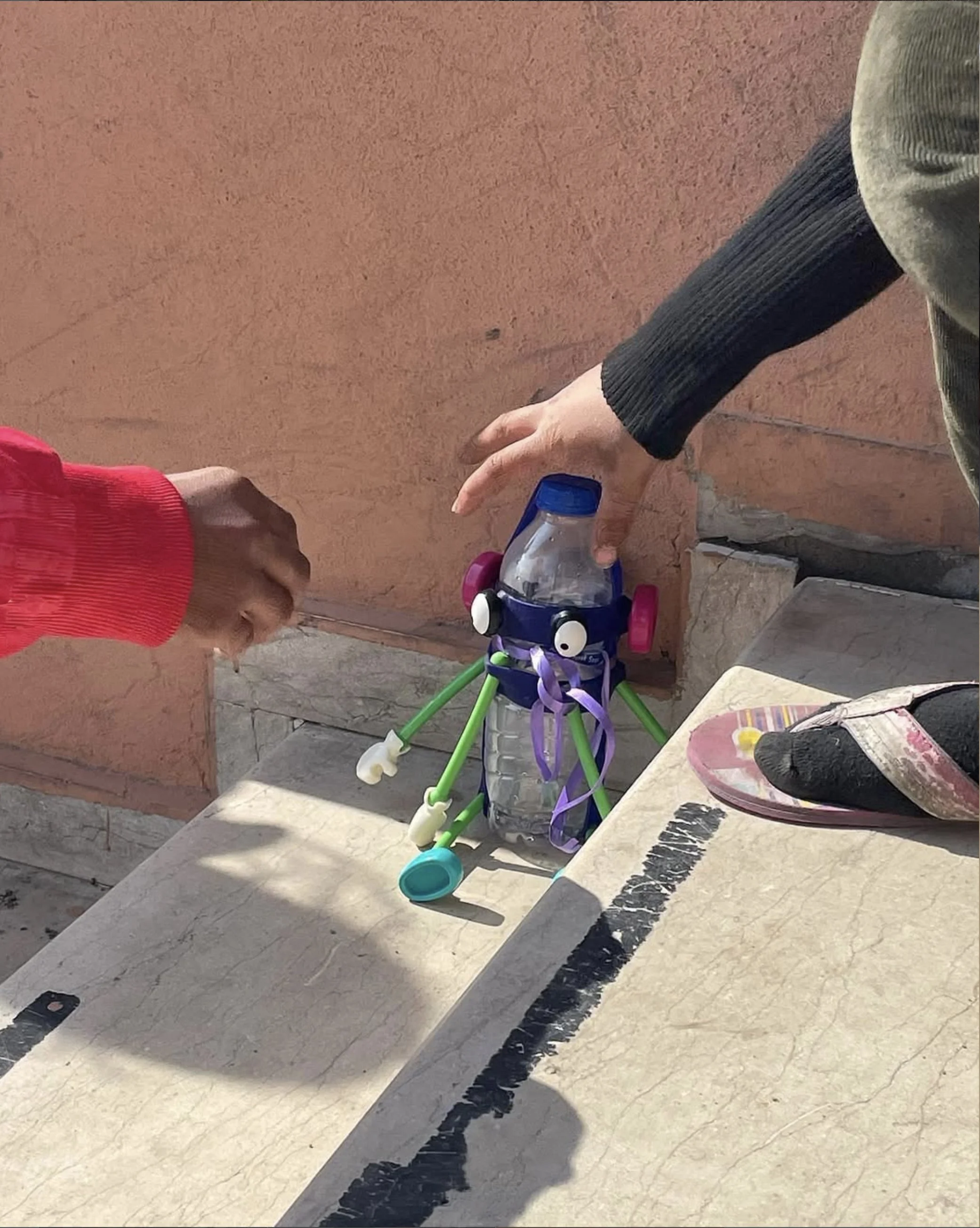
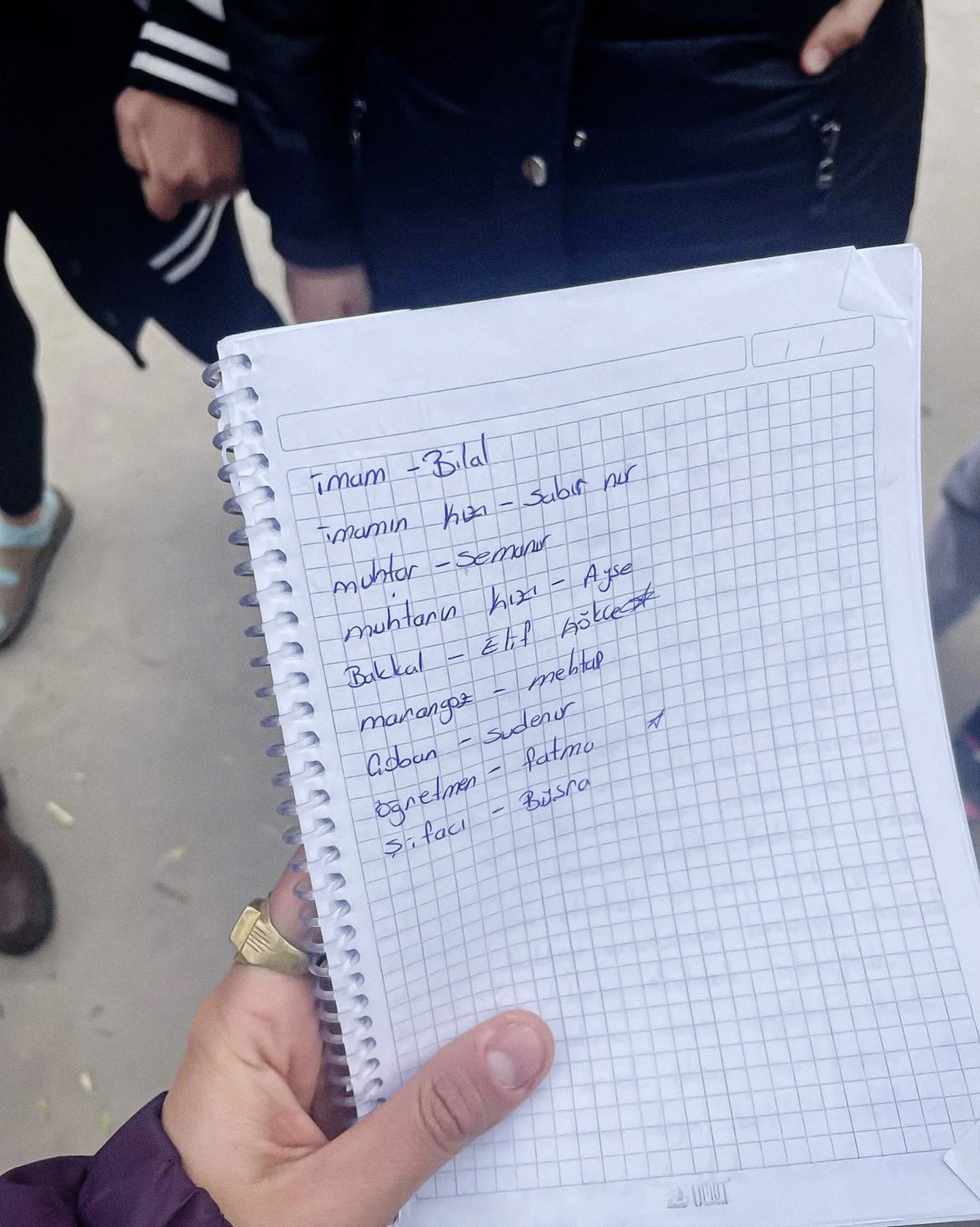
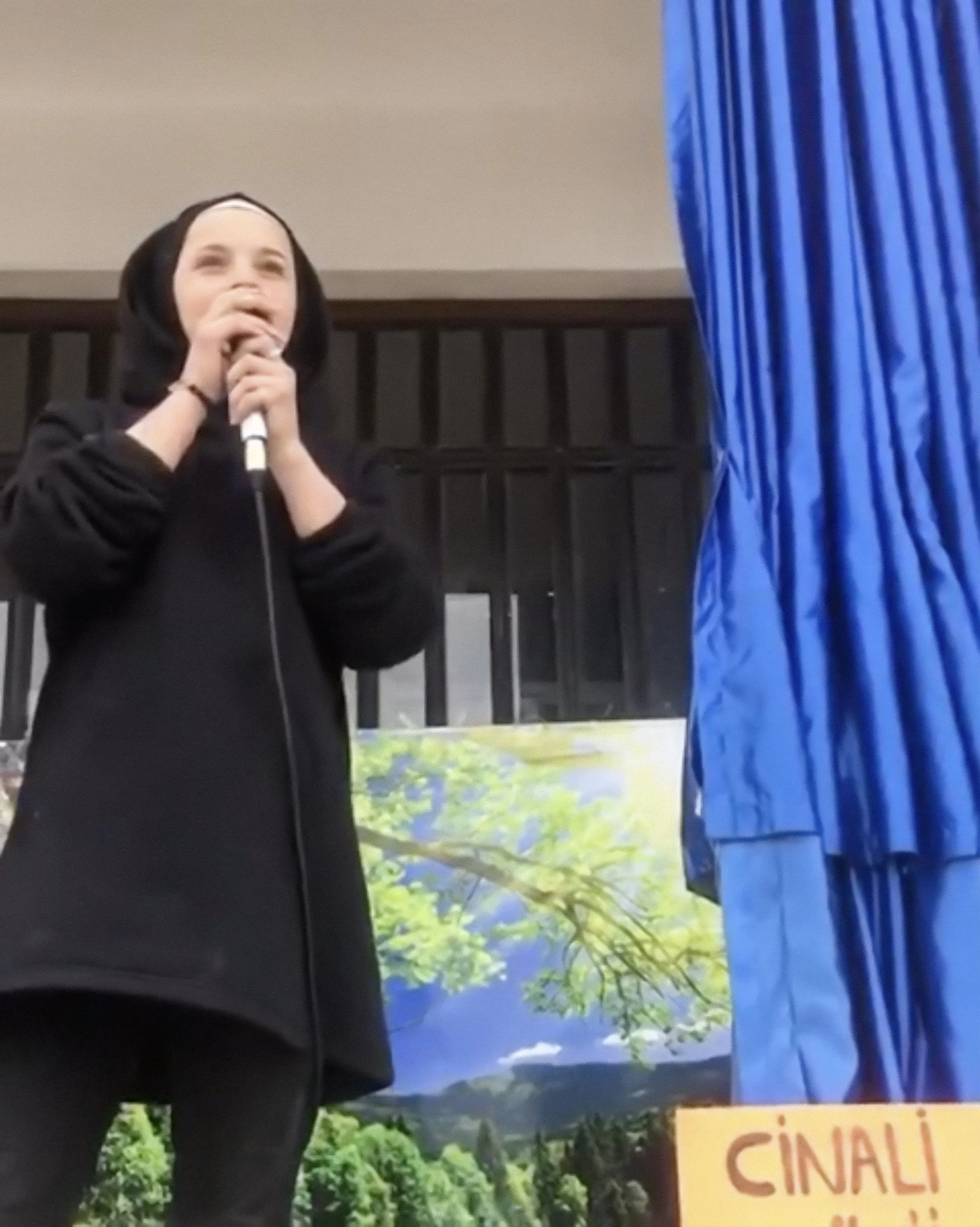
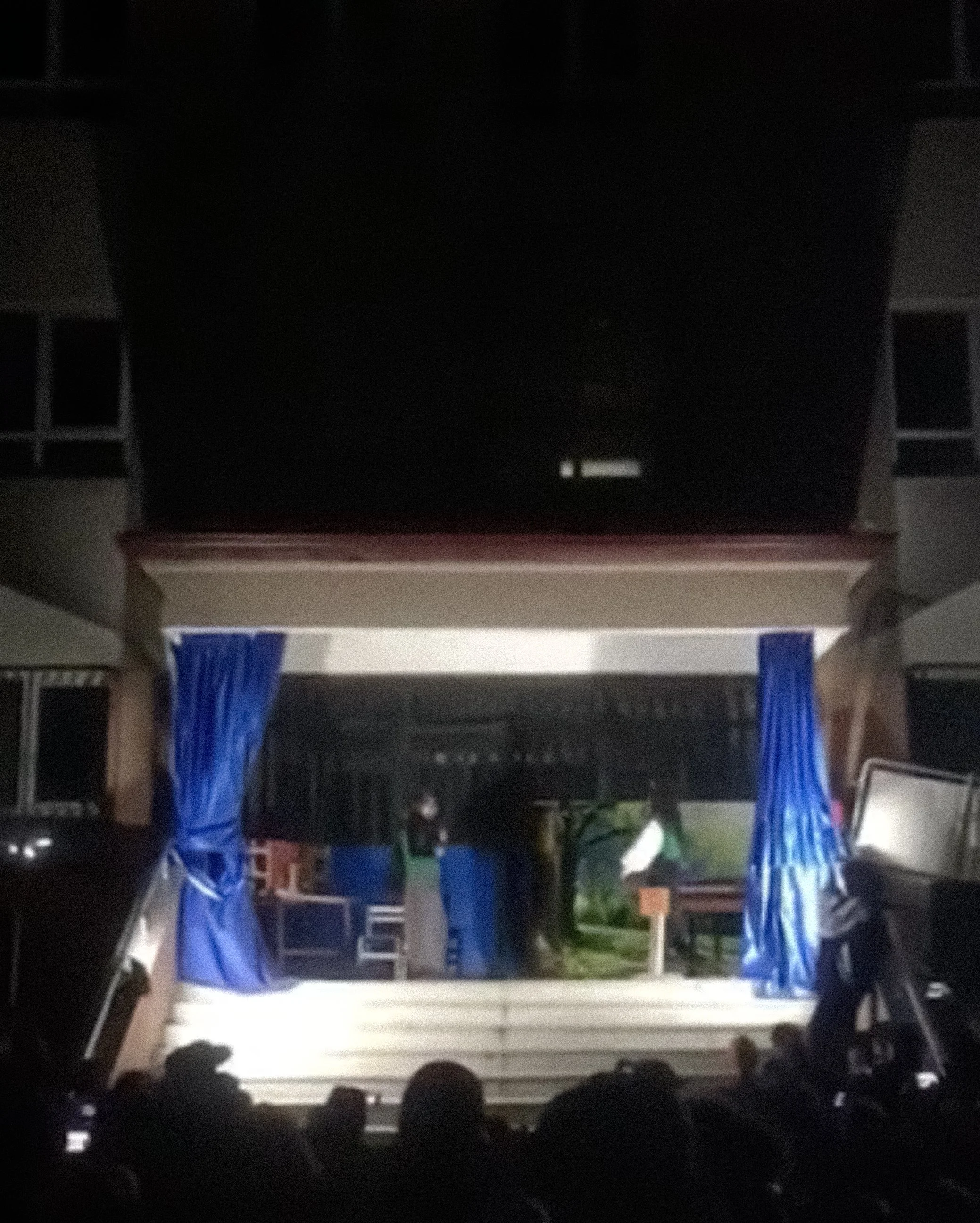
Kaf’s volunteers – artists, musicians, chefs, writers, and architects – dedicated their creative talents to designing art-focused activities, and building spaces for, and with, the children. They engaged them in drawing, playwriting and performance, the fabrication of musical instruments from appropriated materials, and building. Their first play was on April 7, 2023, performed at the school’s front steps.
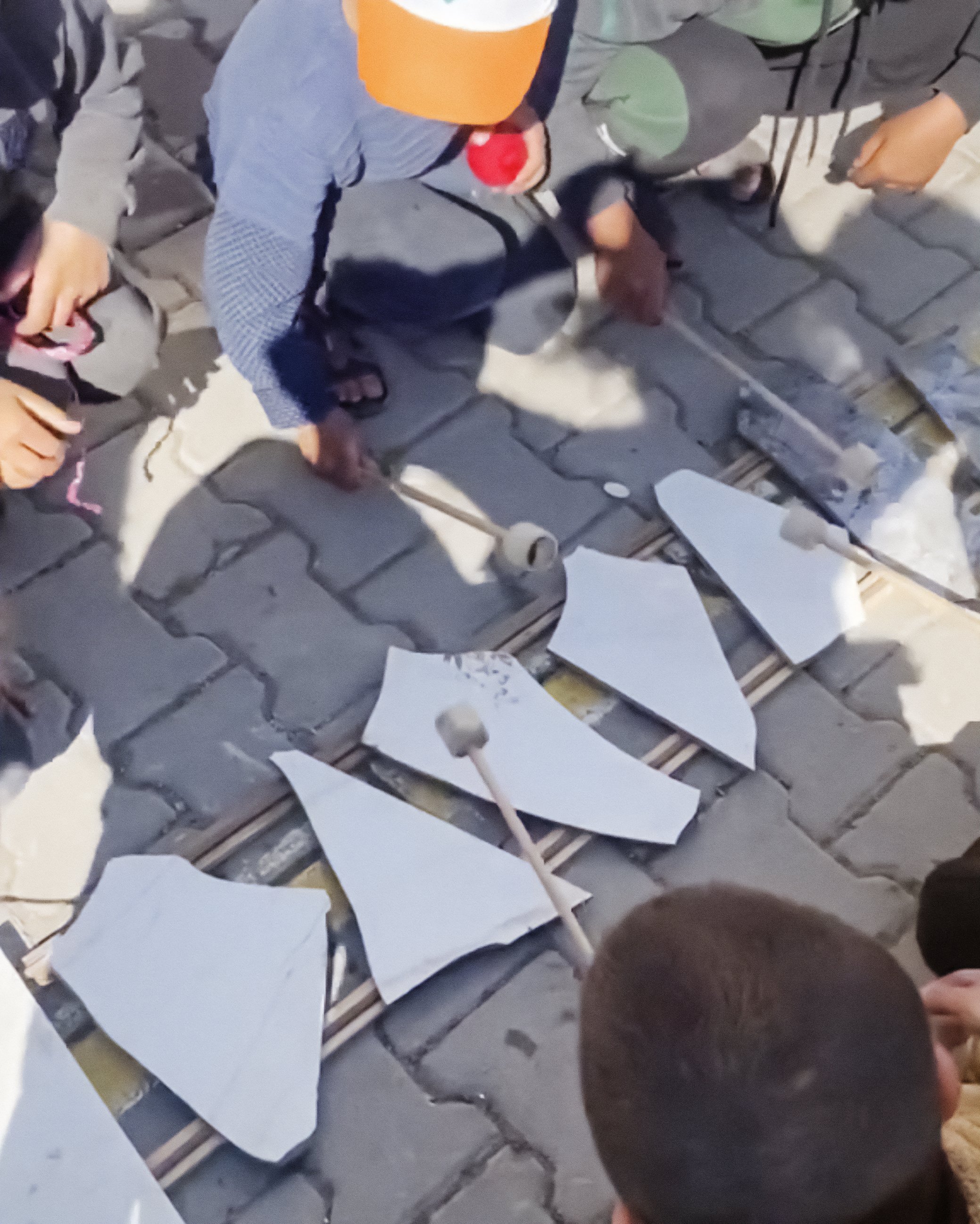
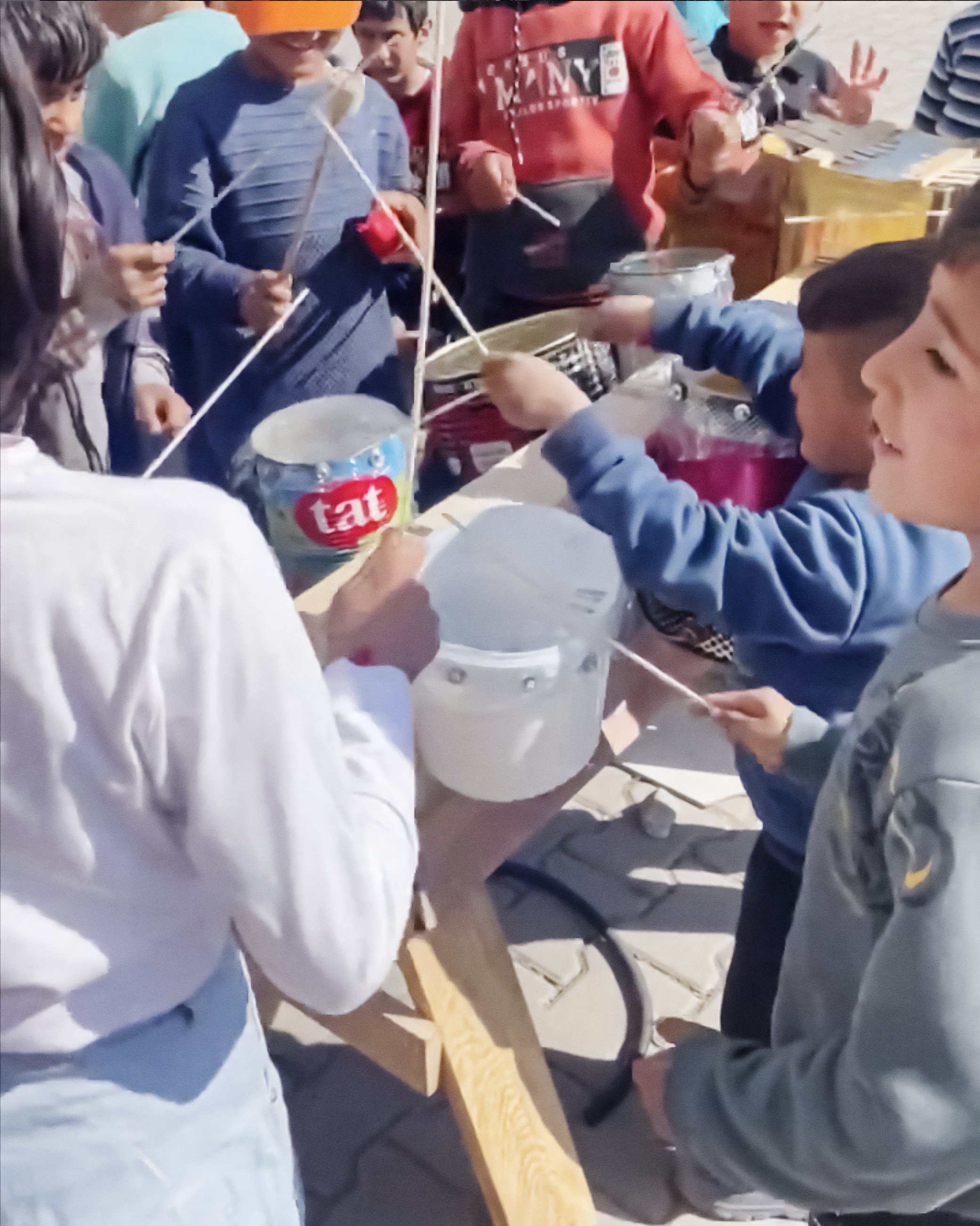
The instruments shown here were fabricated from appropriated materials. They were built by Kaf Kolektif and children from the Sümer neighborhood of Kahramanmaraş within the first weeks of the earthquakes. The children conducted performances using instruments such as the xylophone shown here made from broken ceramic tiles.
Kaf’s ability to engage the children’s artistic capacities to express themselves was counter-balanced by the weight of poverty, racism, violence, and crime present in the neighborhood. Kaf’s volunteers saw how powerful the children’s drive to create something became once they found a space to use it.
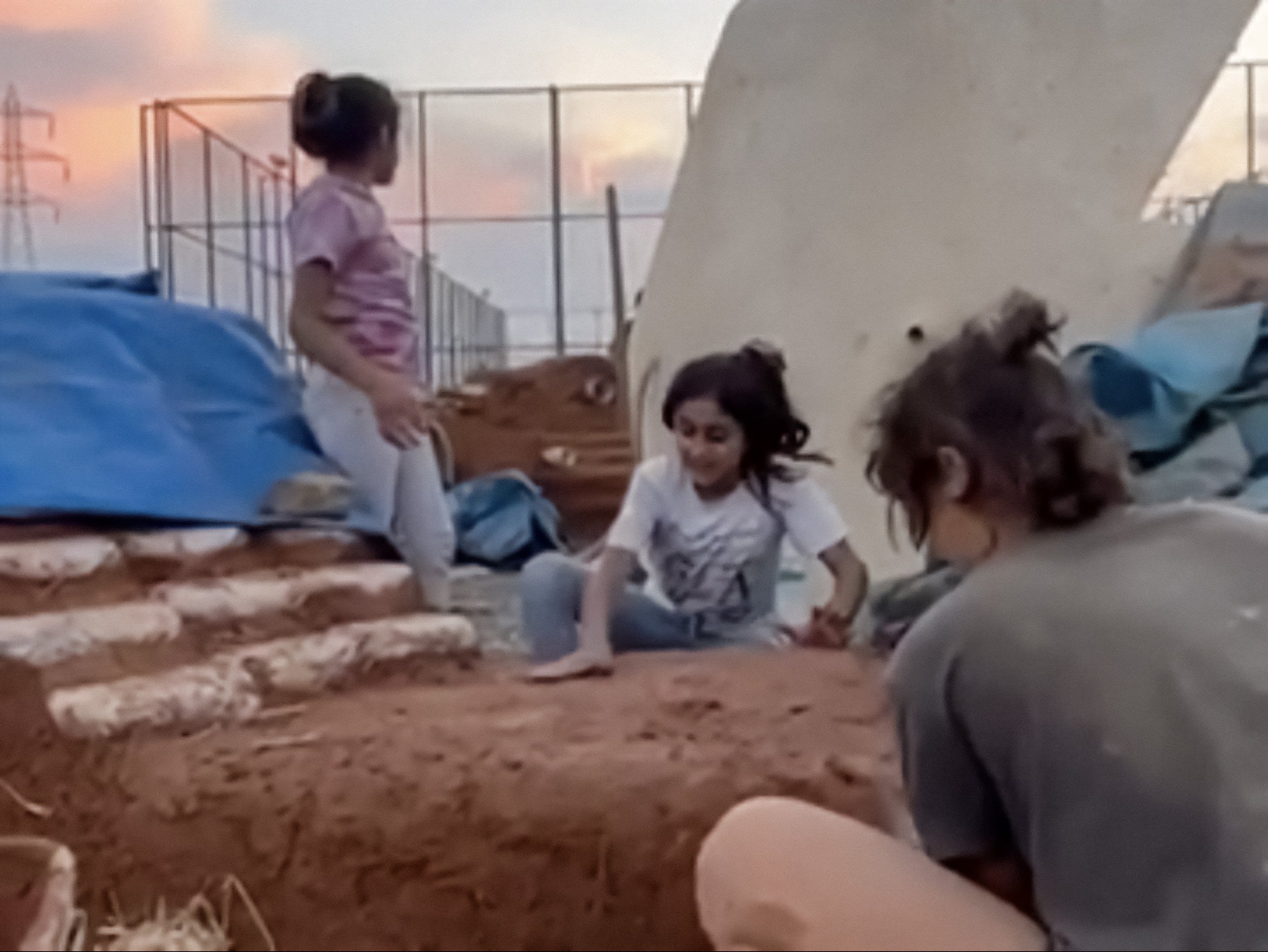
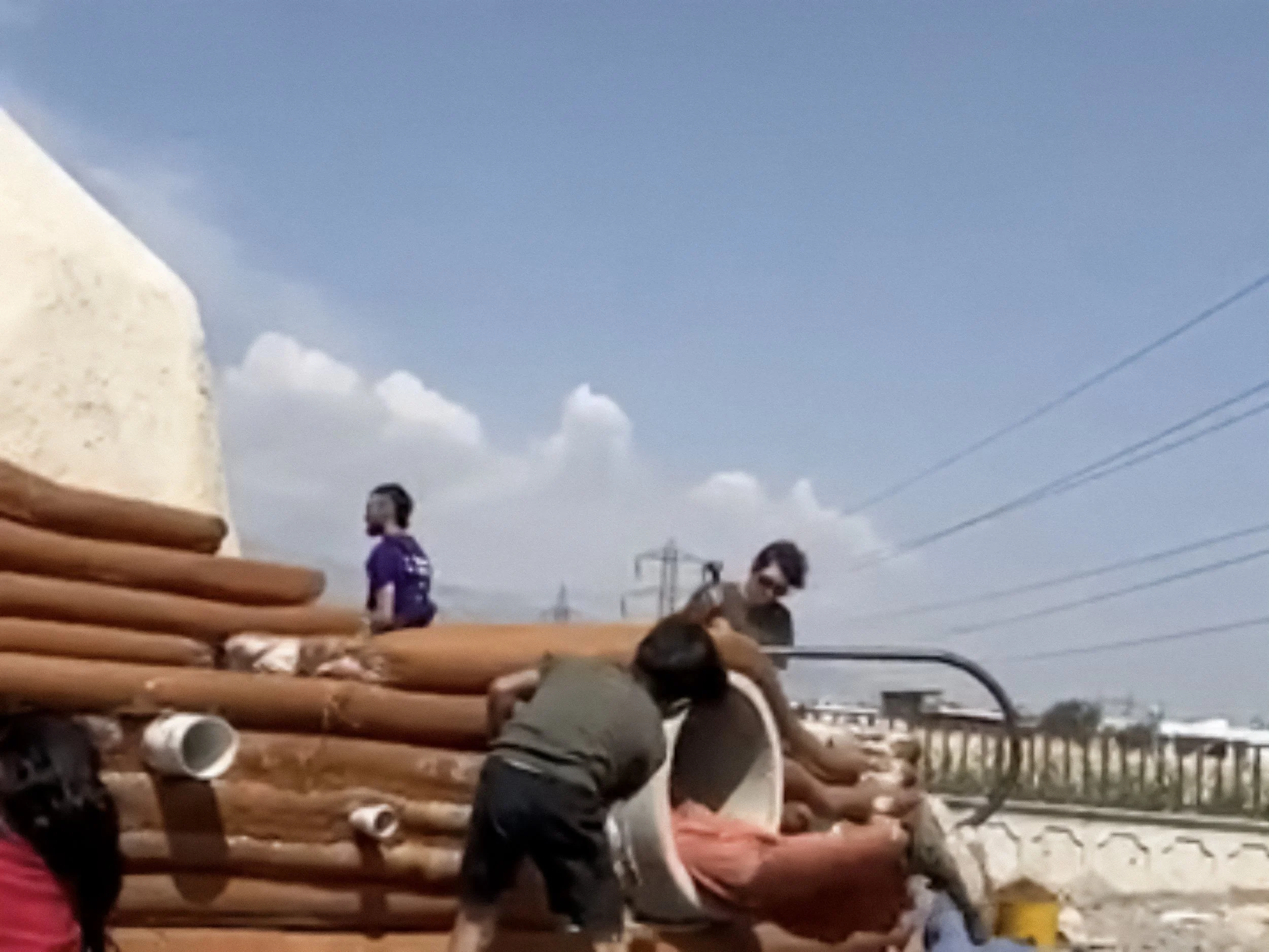
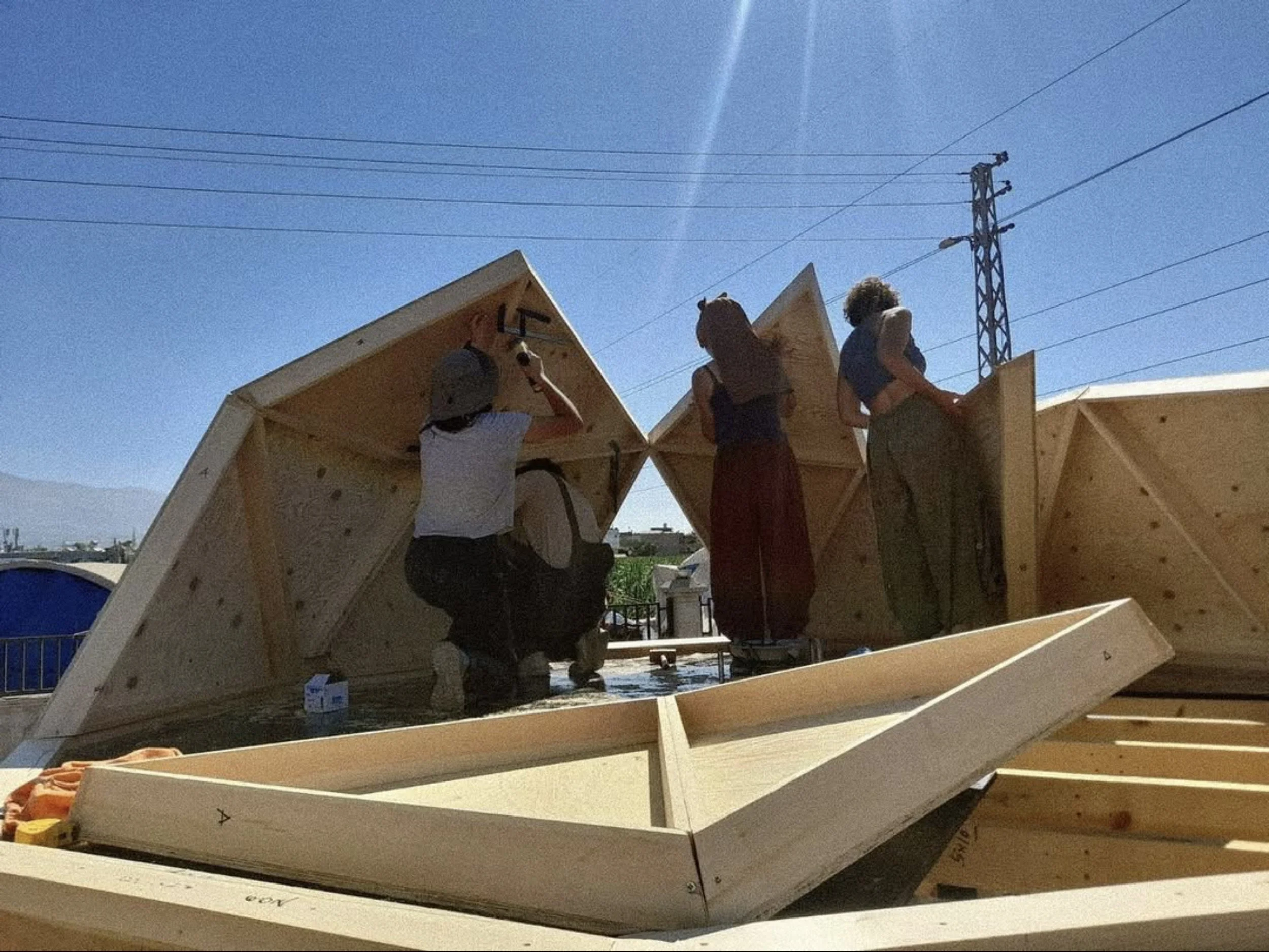
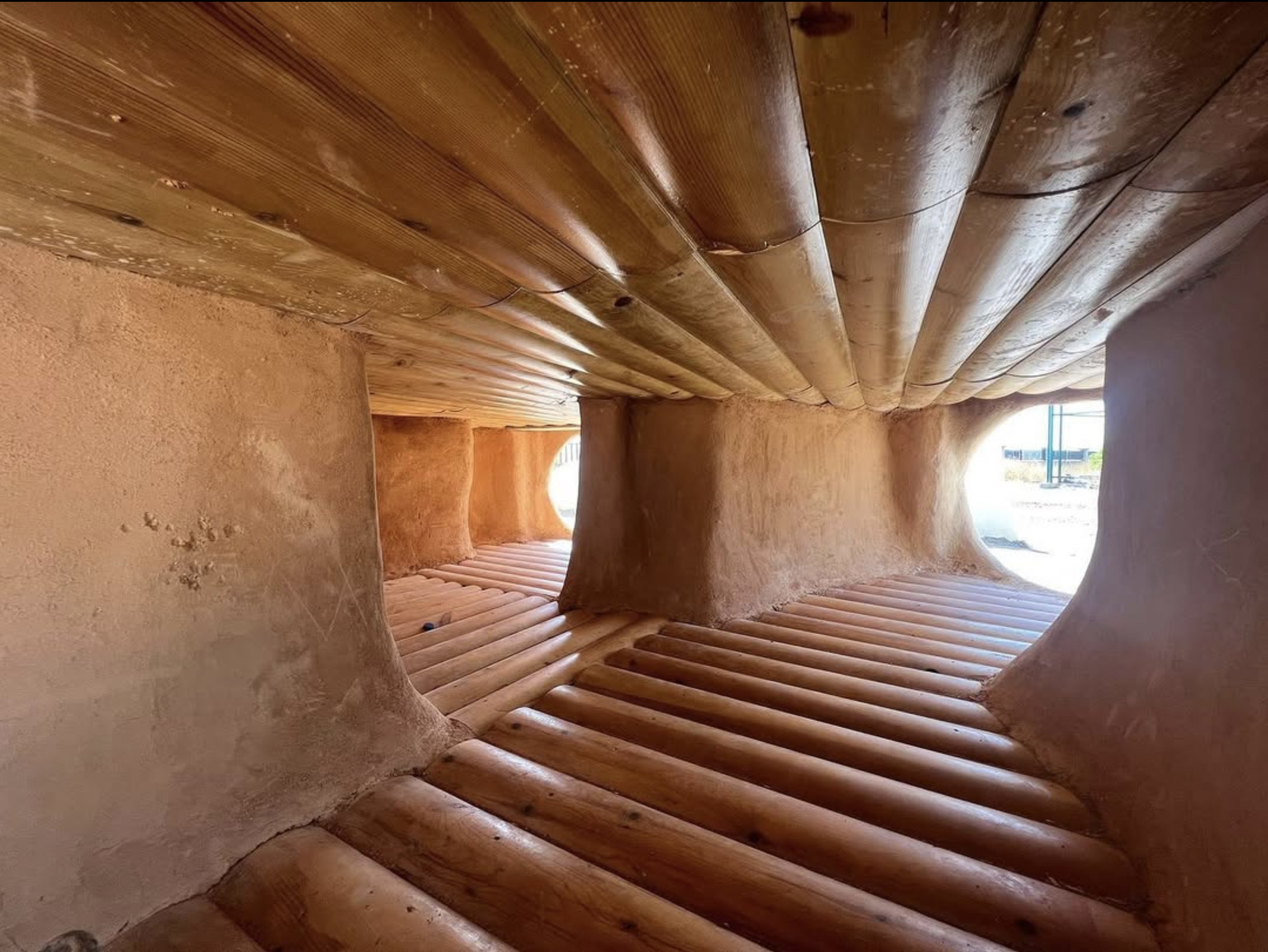
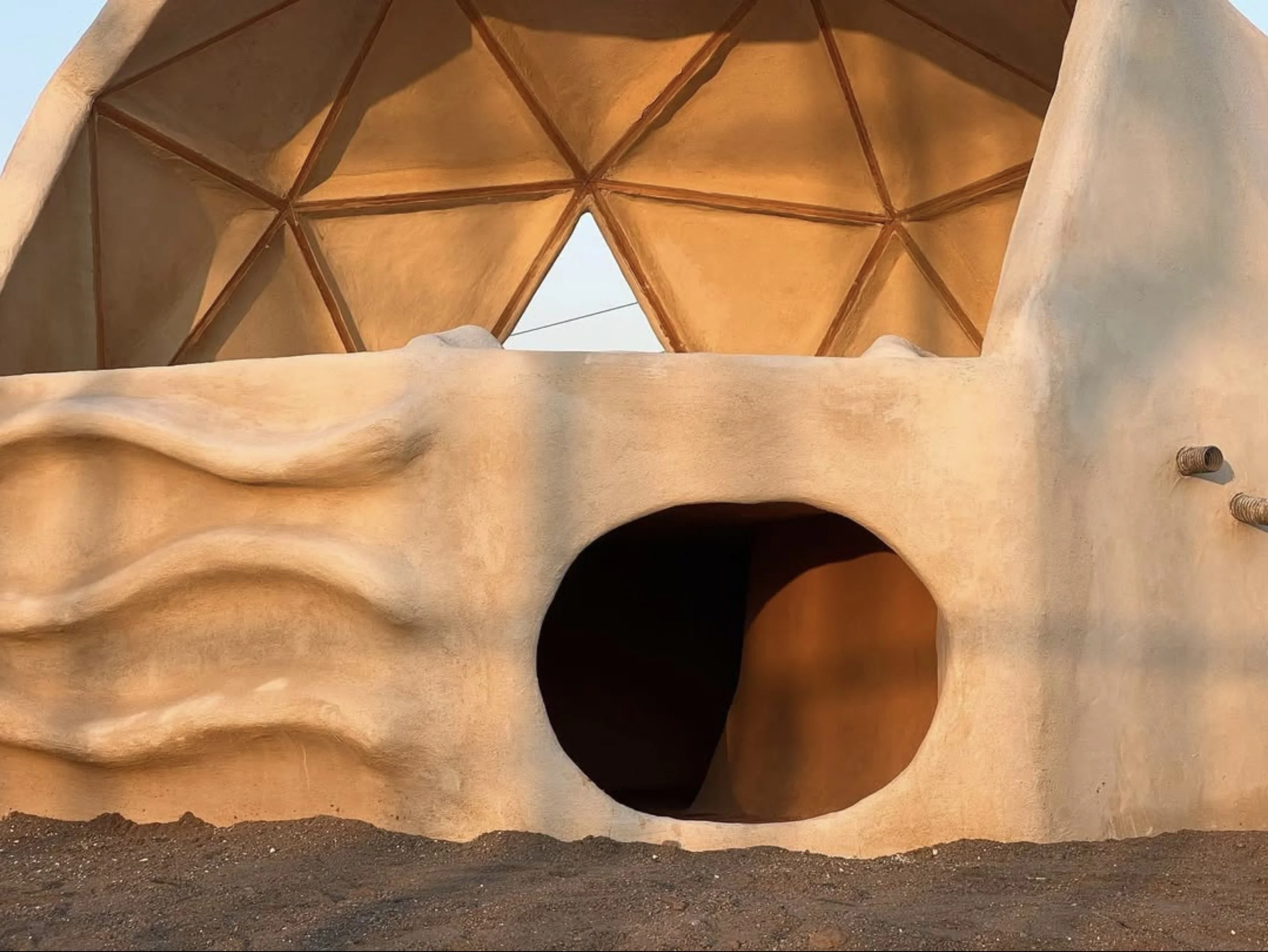
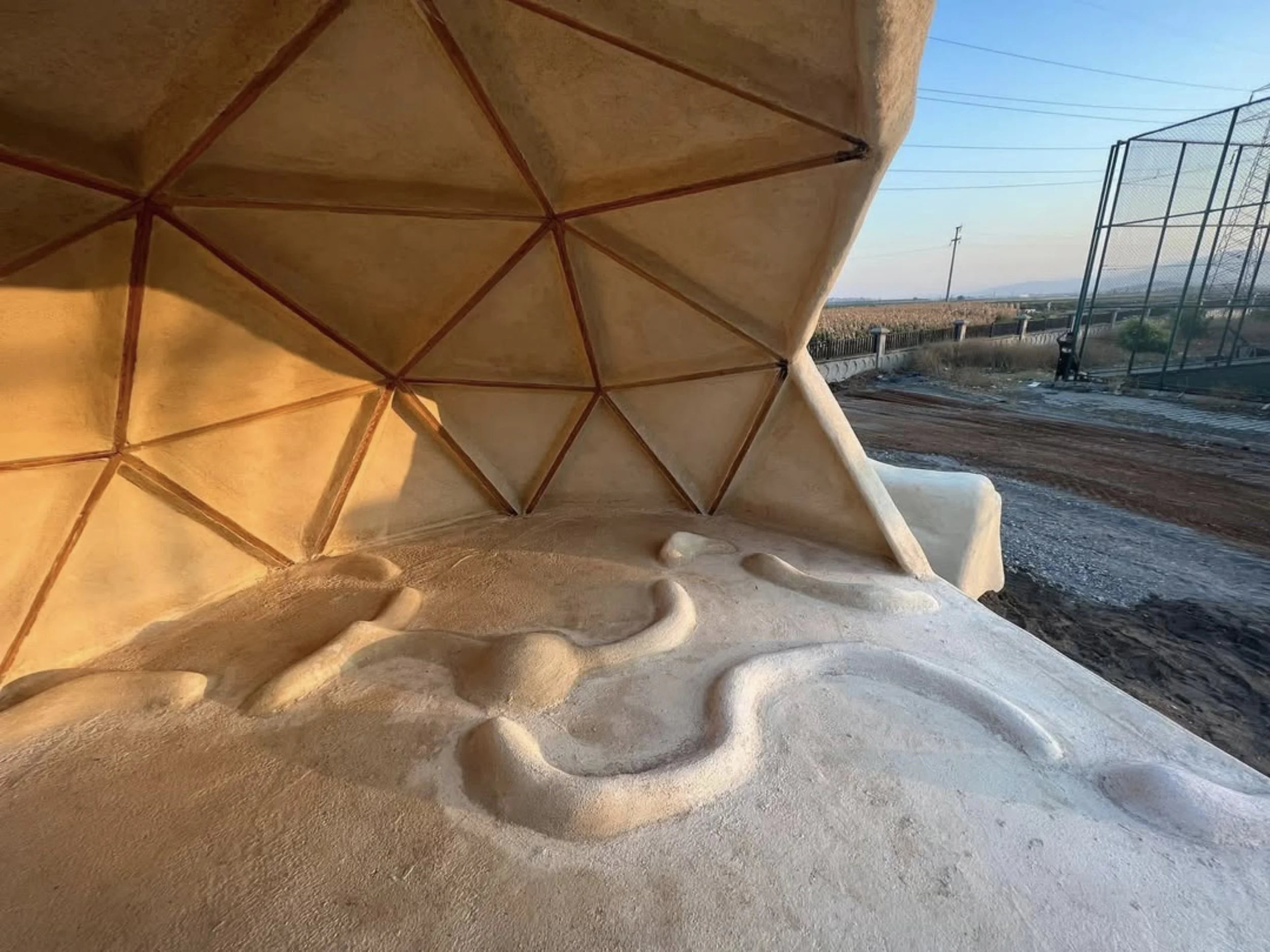
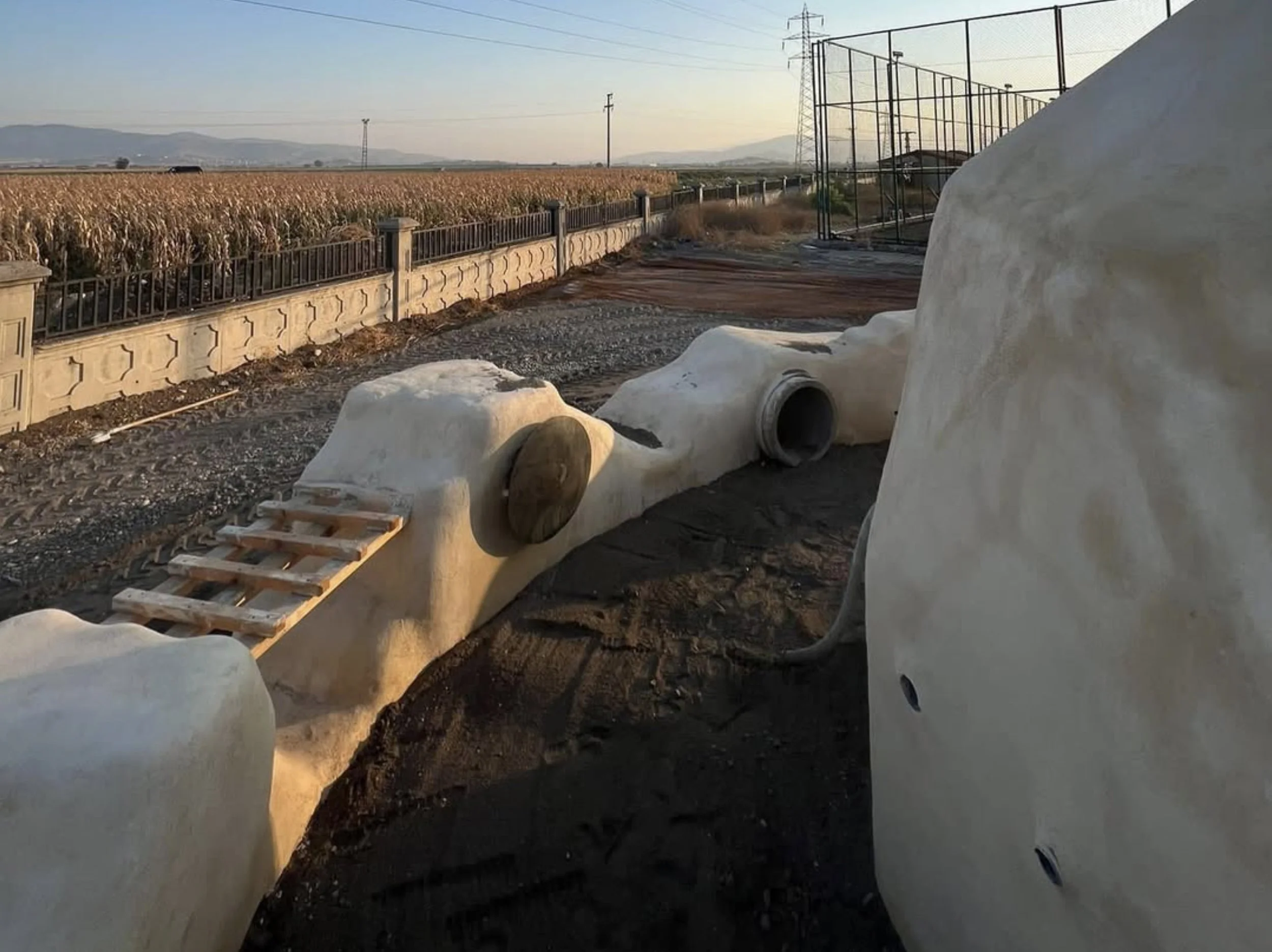
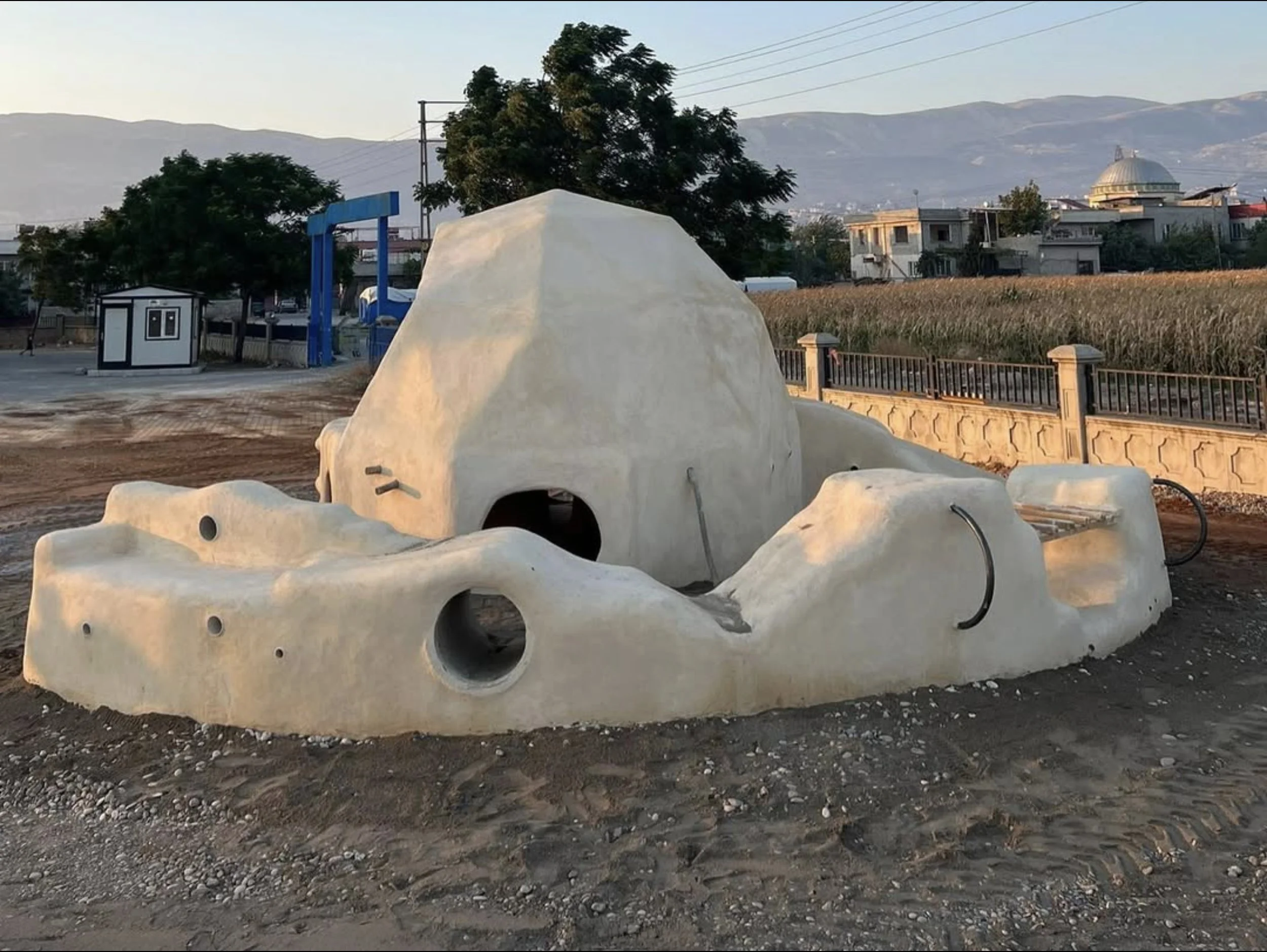
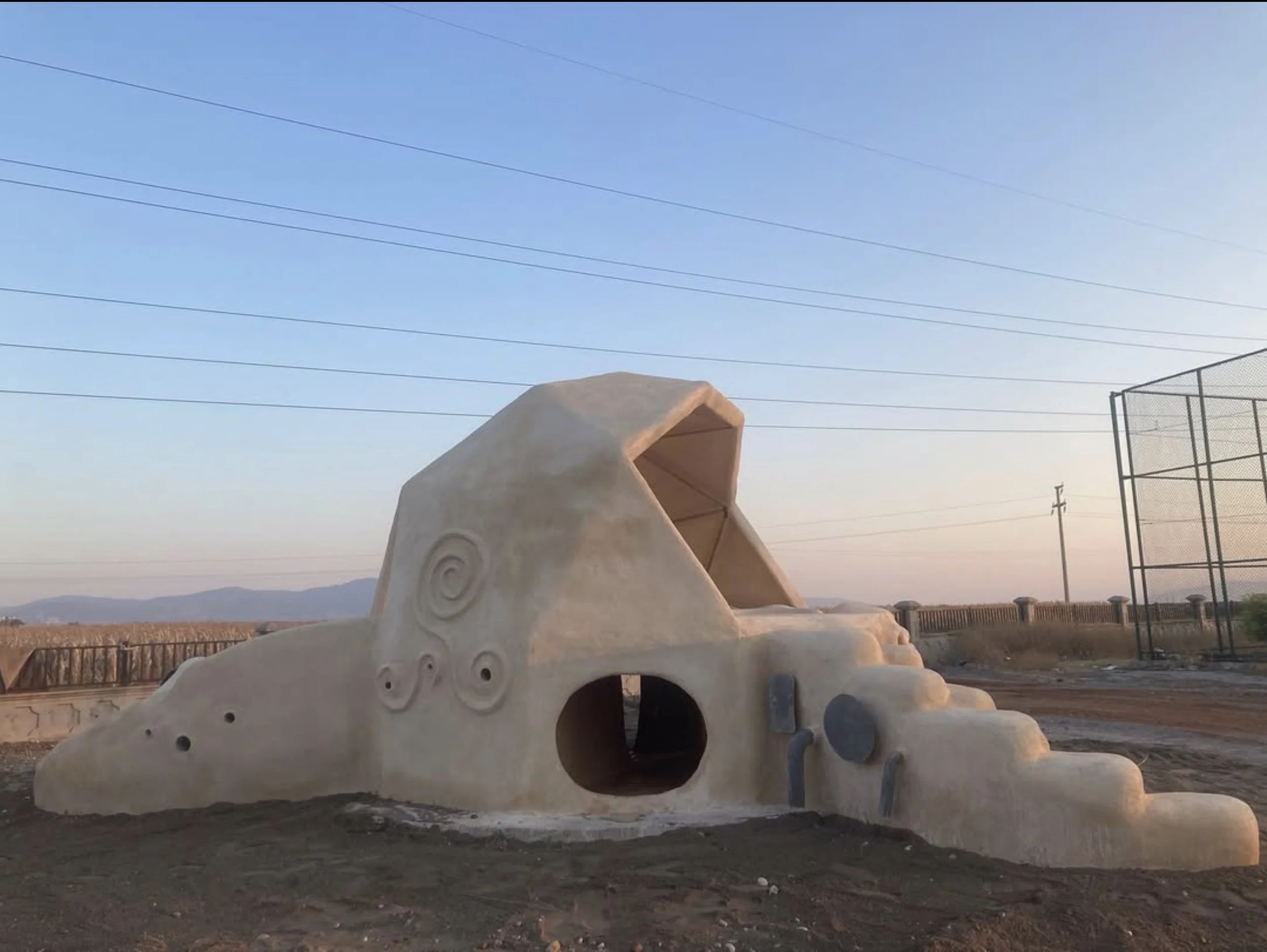
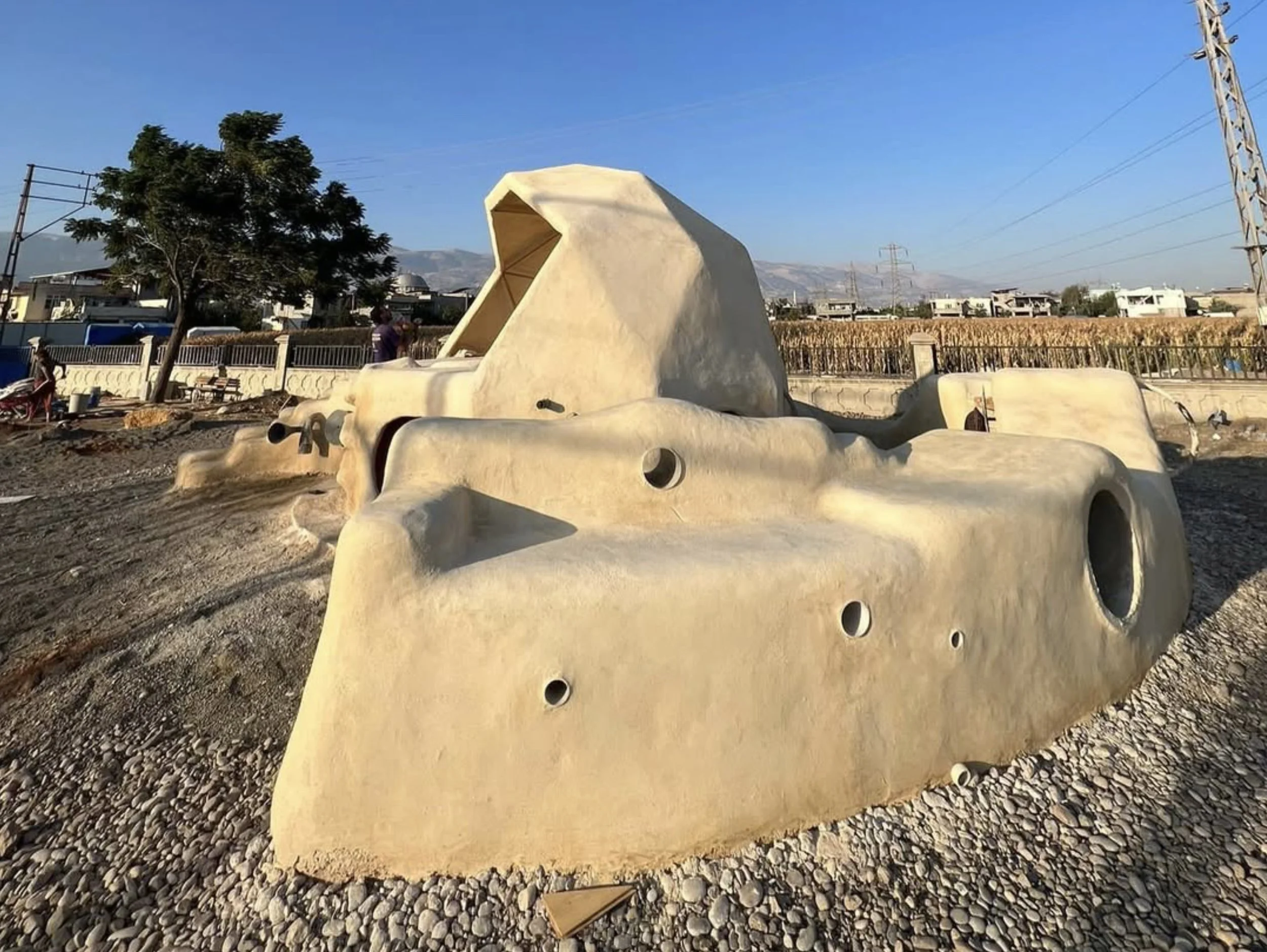
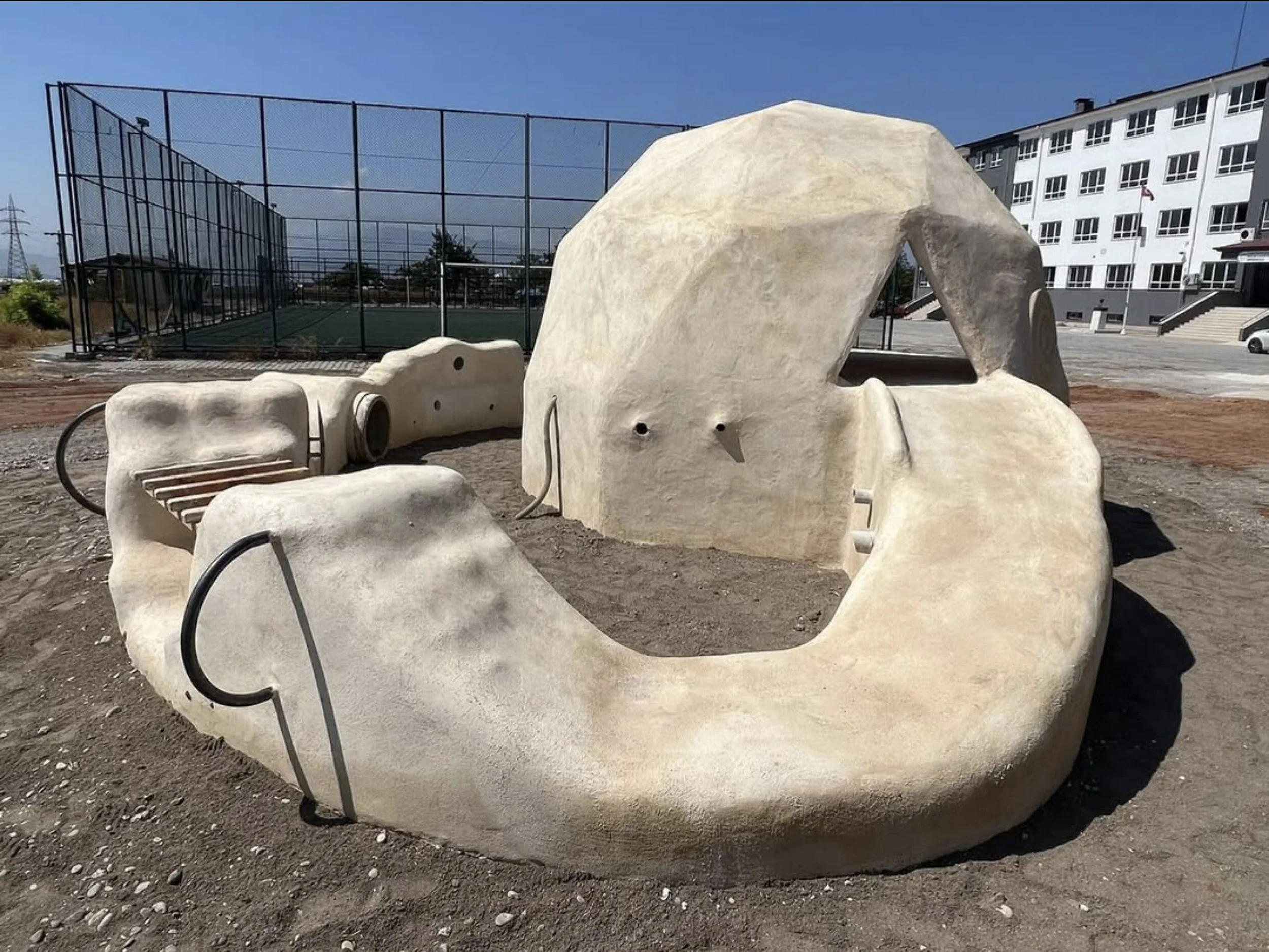
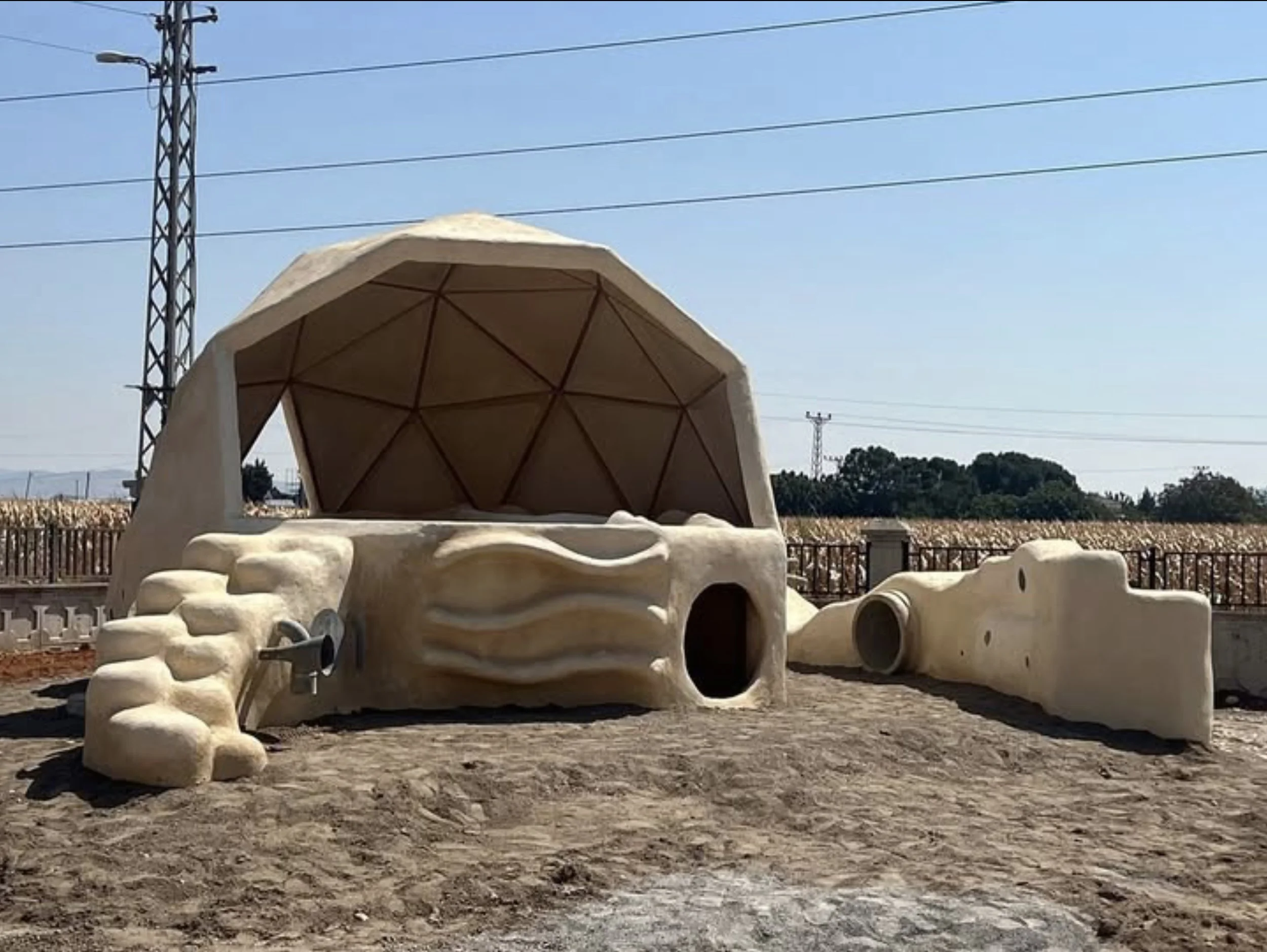
Bird’s Nest . . . a search for a different kind of play on a day when we had run out of games
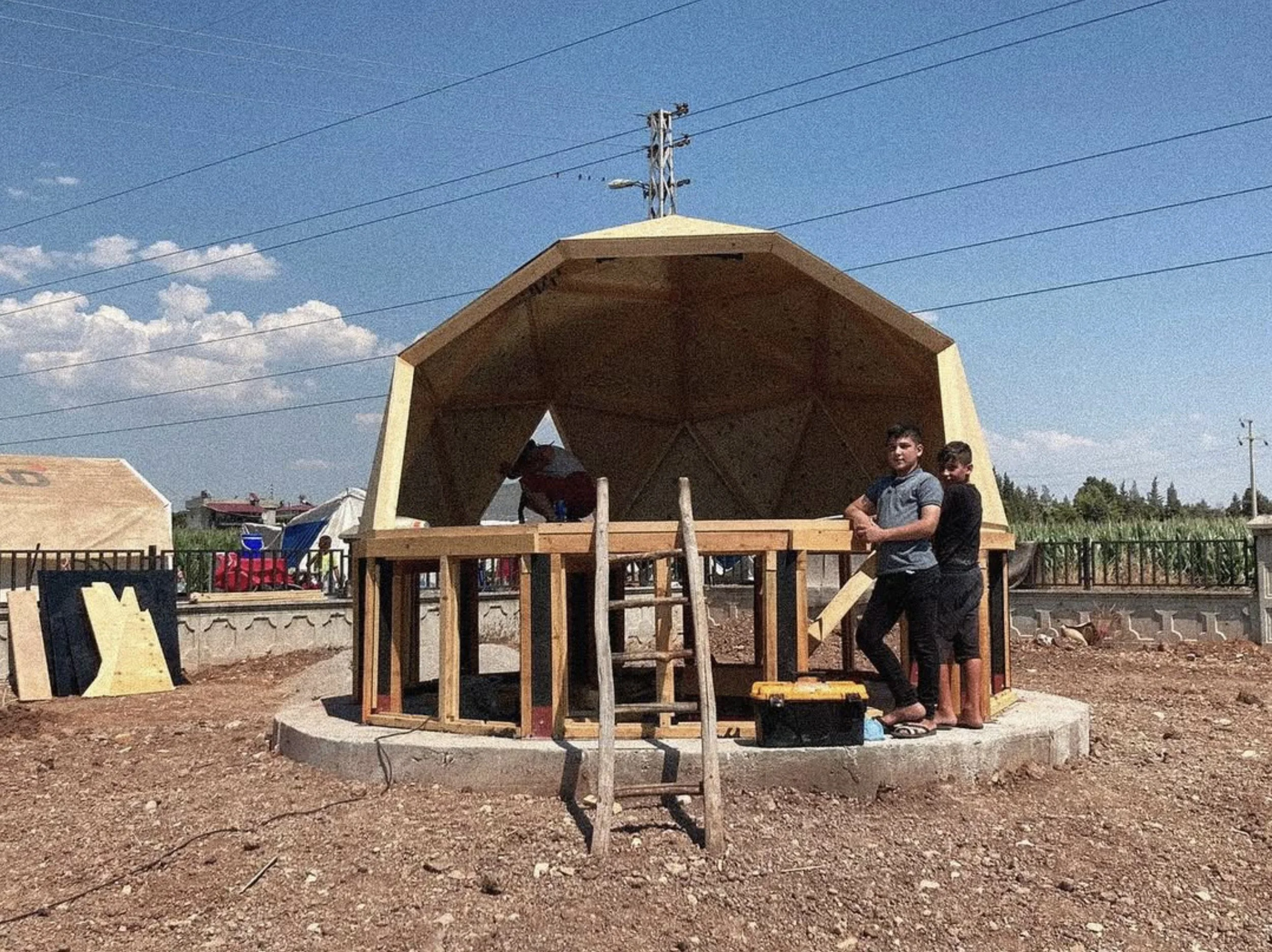
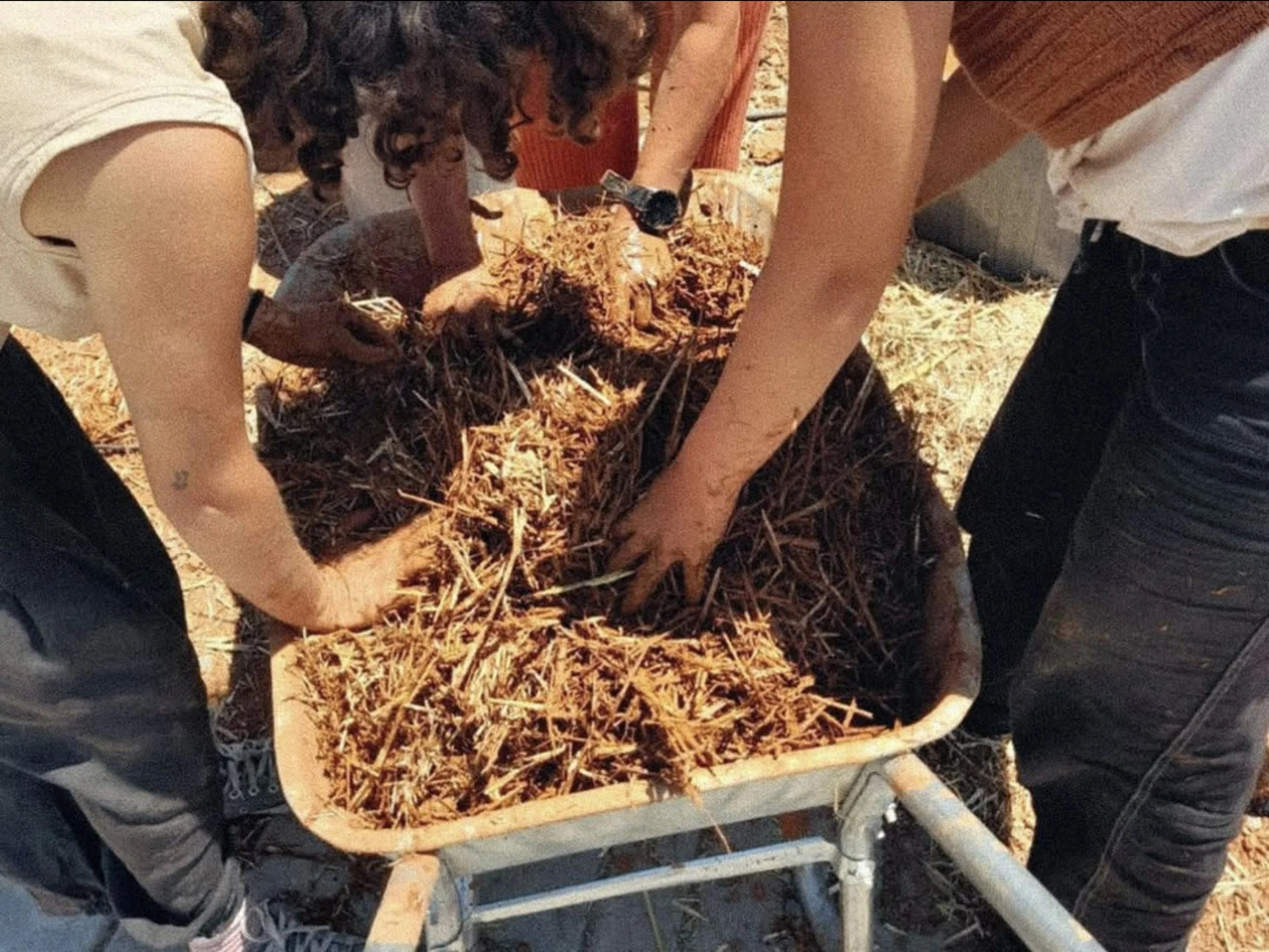
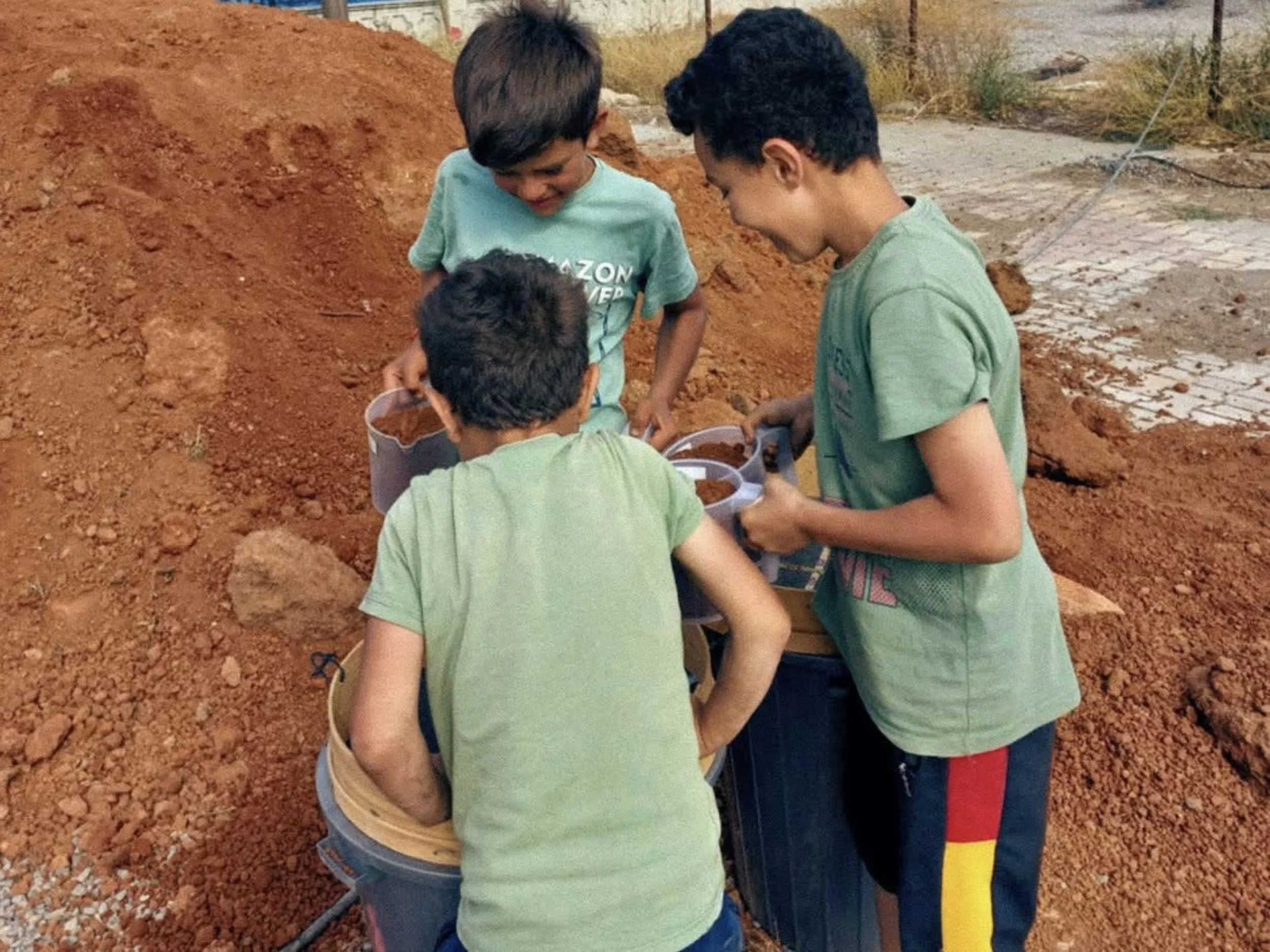
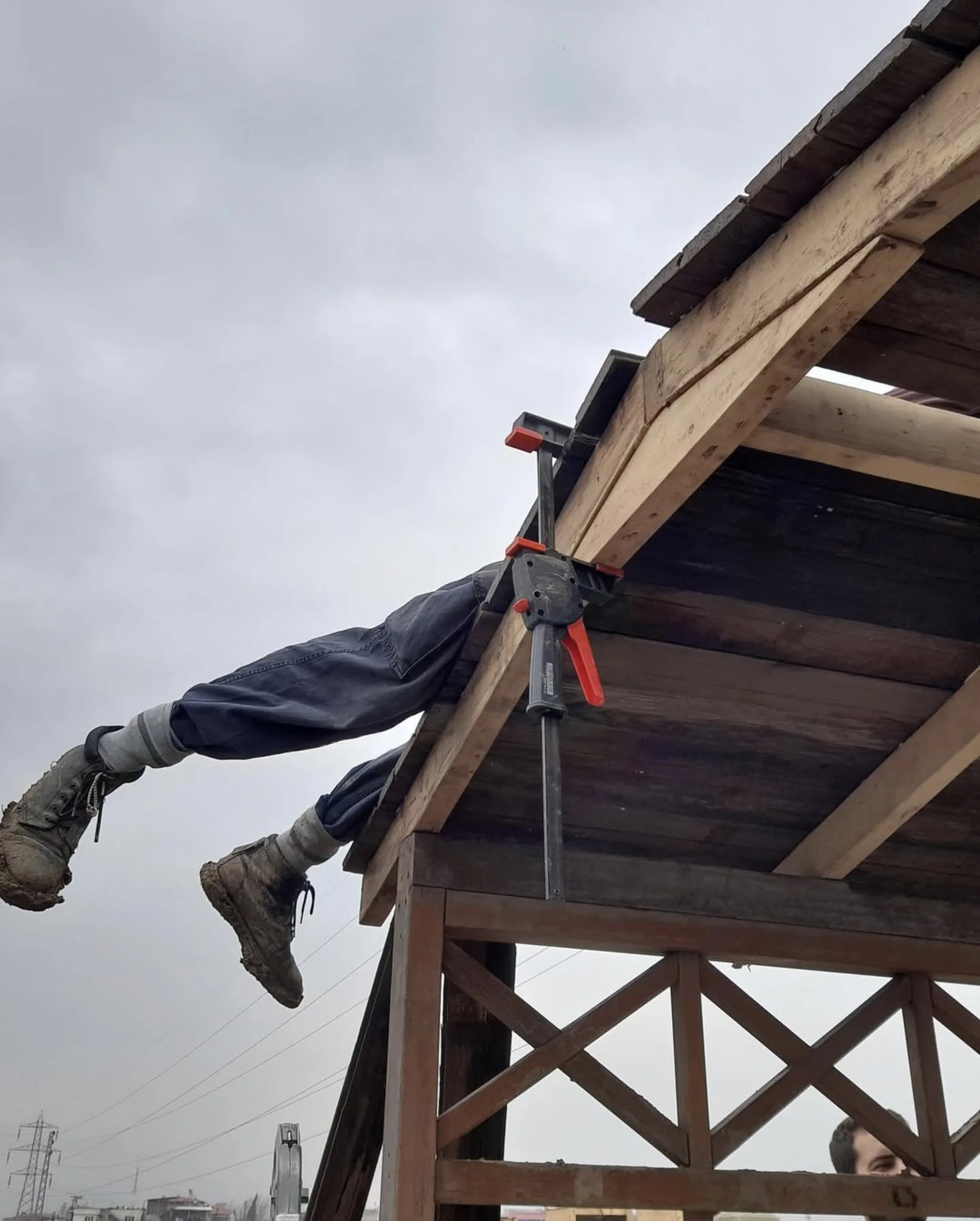
The "Bird’s Nest" (Kuş Yuvası) was constructed with the children over three months using compressed clay-straw panels and a breathable lime plaster finish (preventing structural dampness and rot). With its dome, slides, tunnels, undulating steps, seats, and sound-oriented obstacle course, it became a place for both active play and moments of stillness.
While its elevations, hollows, textures, and varying planes distinguish each area, the structure’s lack of sharp corners, unified texture, and interconnected design bind the whole together. Sound pipes, arranged irregularly around the structure, allow children to locate one another by following the sounds. Noisemakers, gongs, and apertures encouragethe children to talk, shout, and sing. Through its design, the children’s movements transform the Bird’s Nest into an instrument. This structure was taken down after Kaf left.
Infrastructure and Economic Development
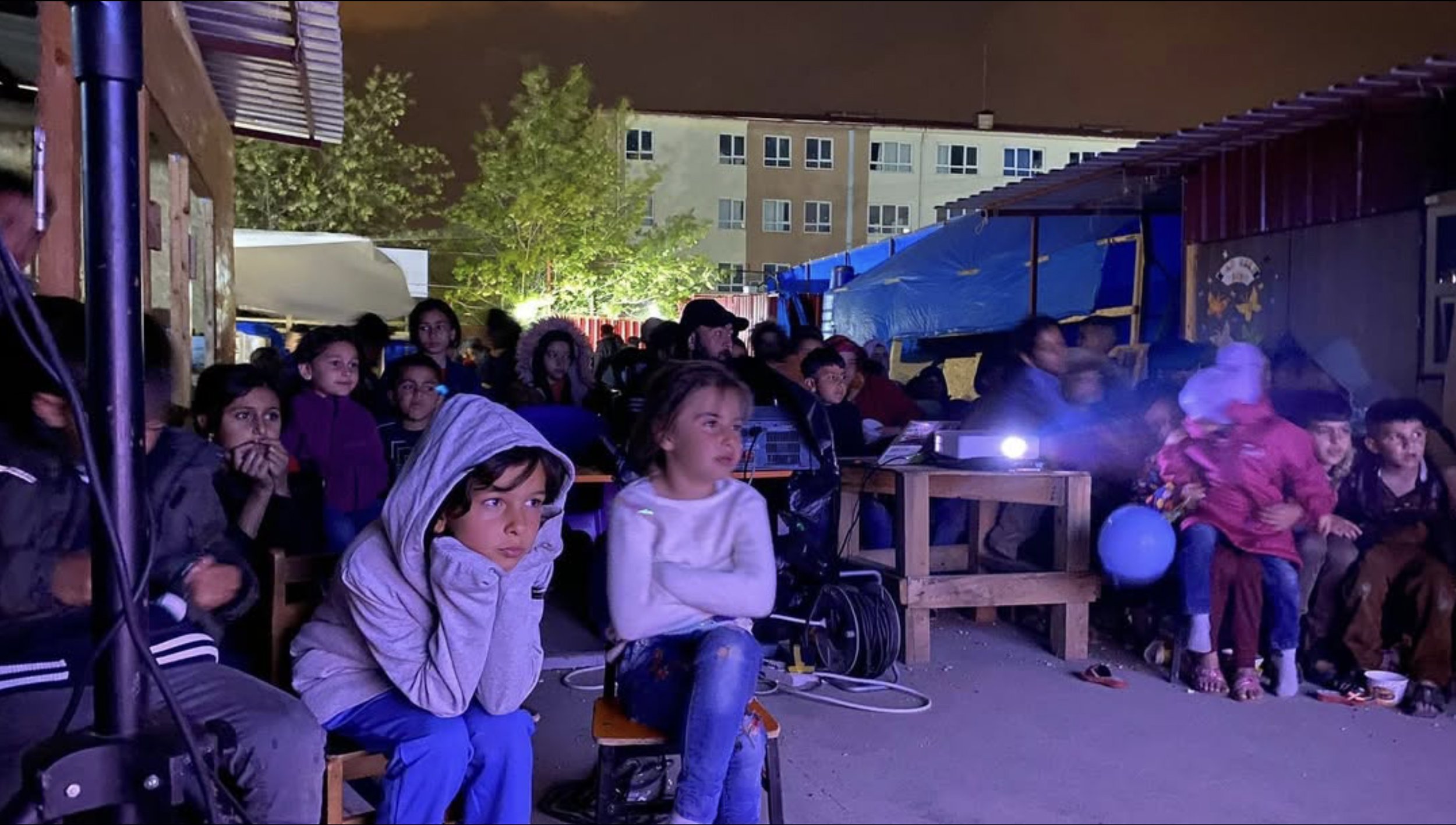
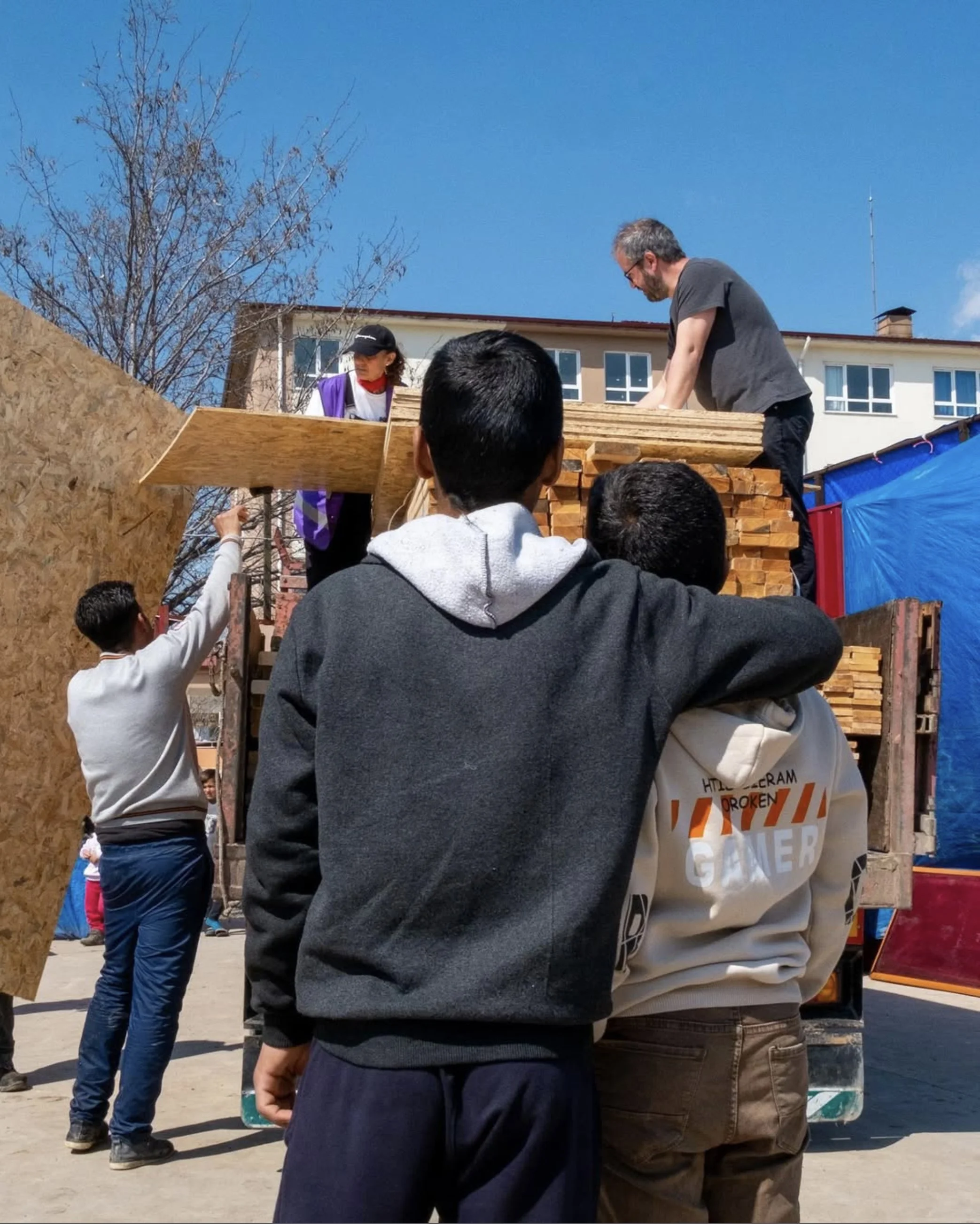
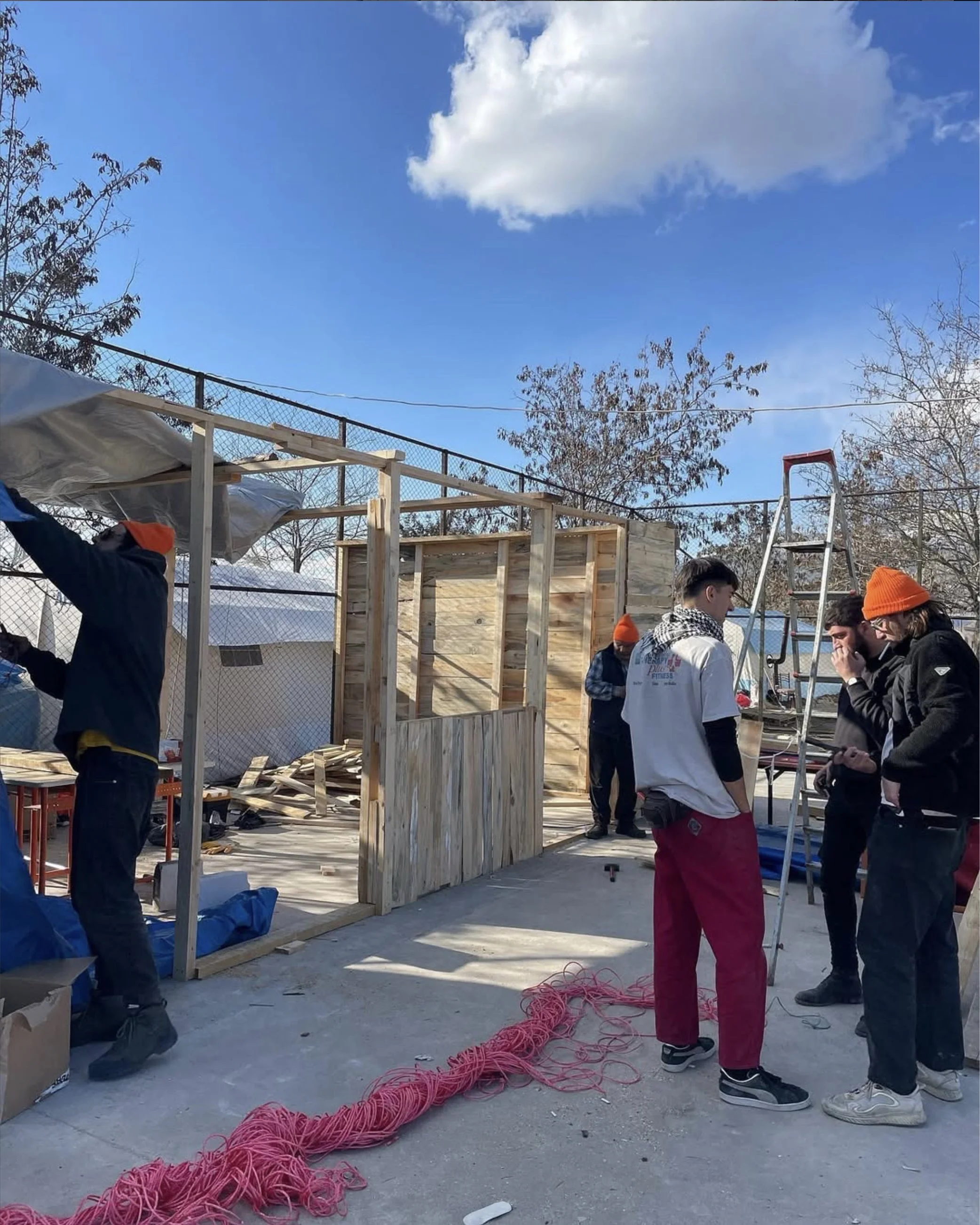
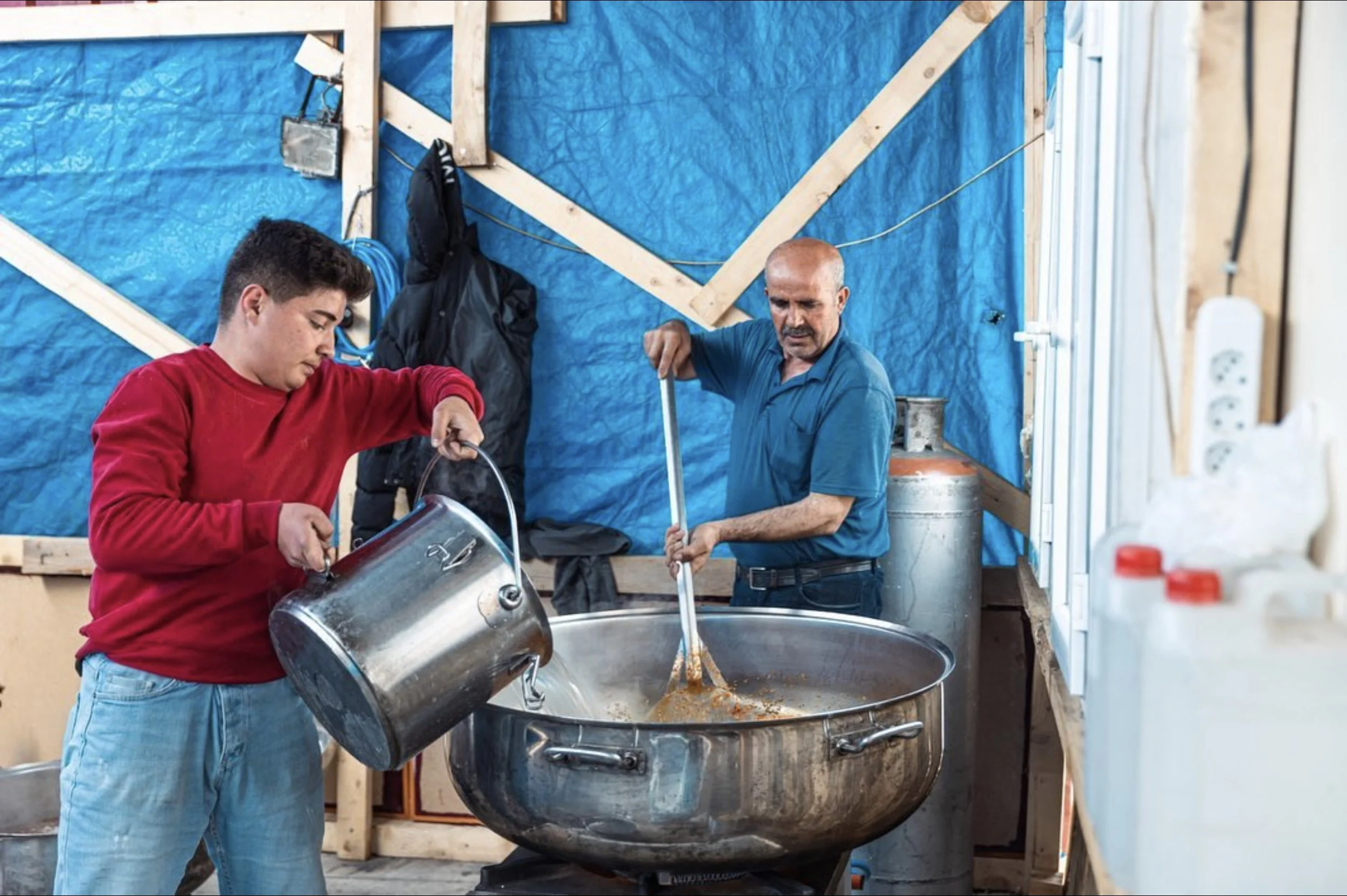
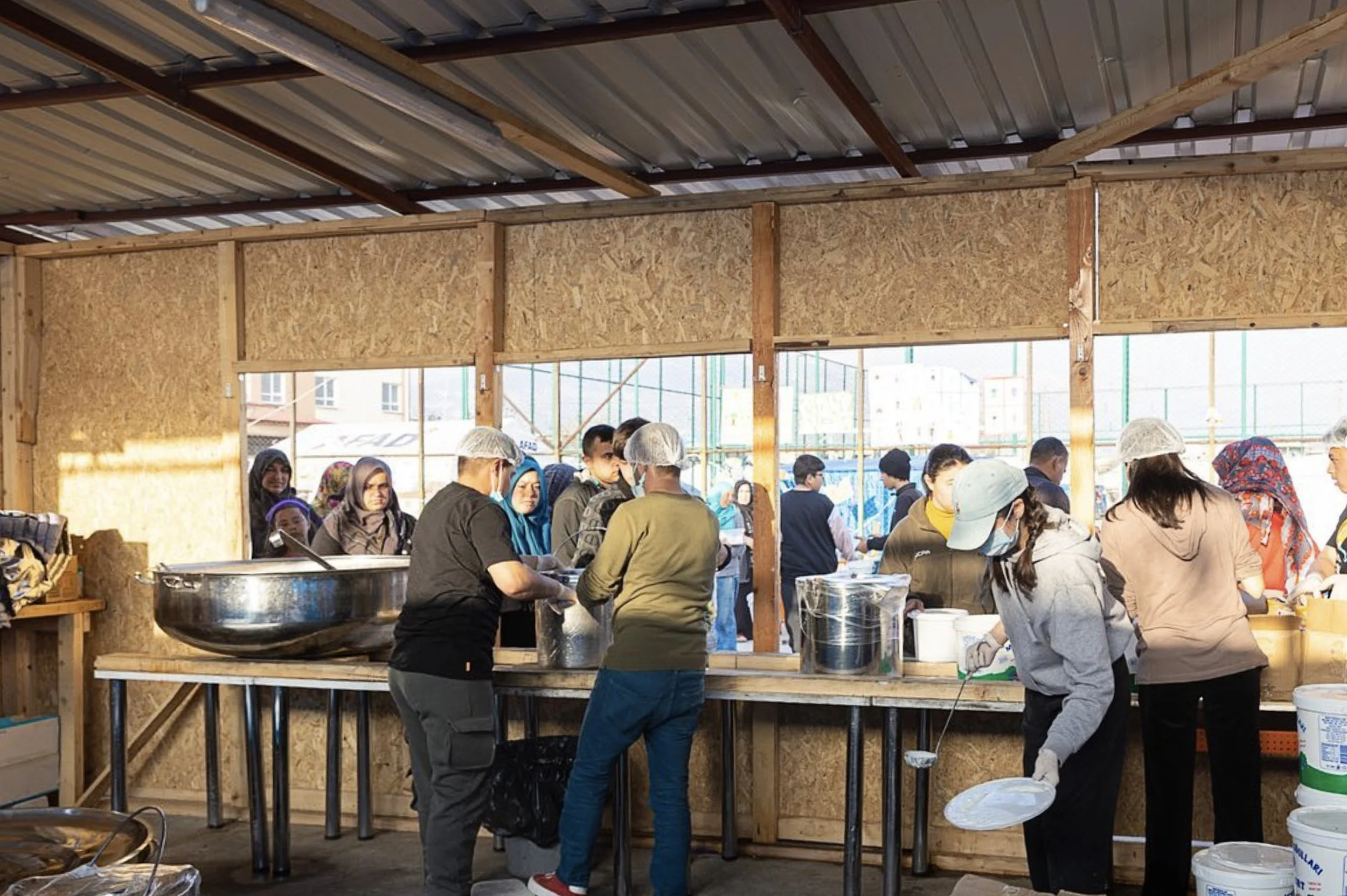
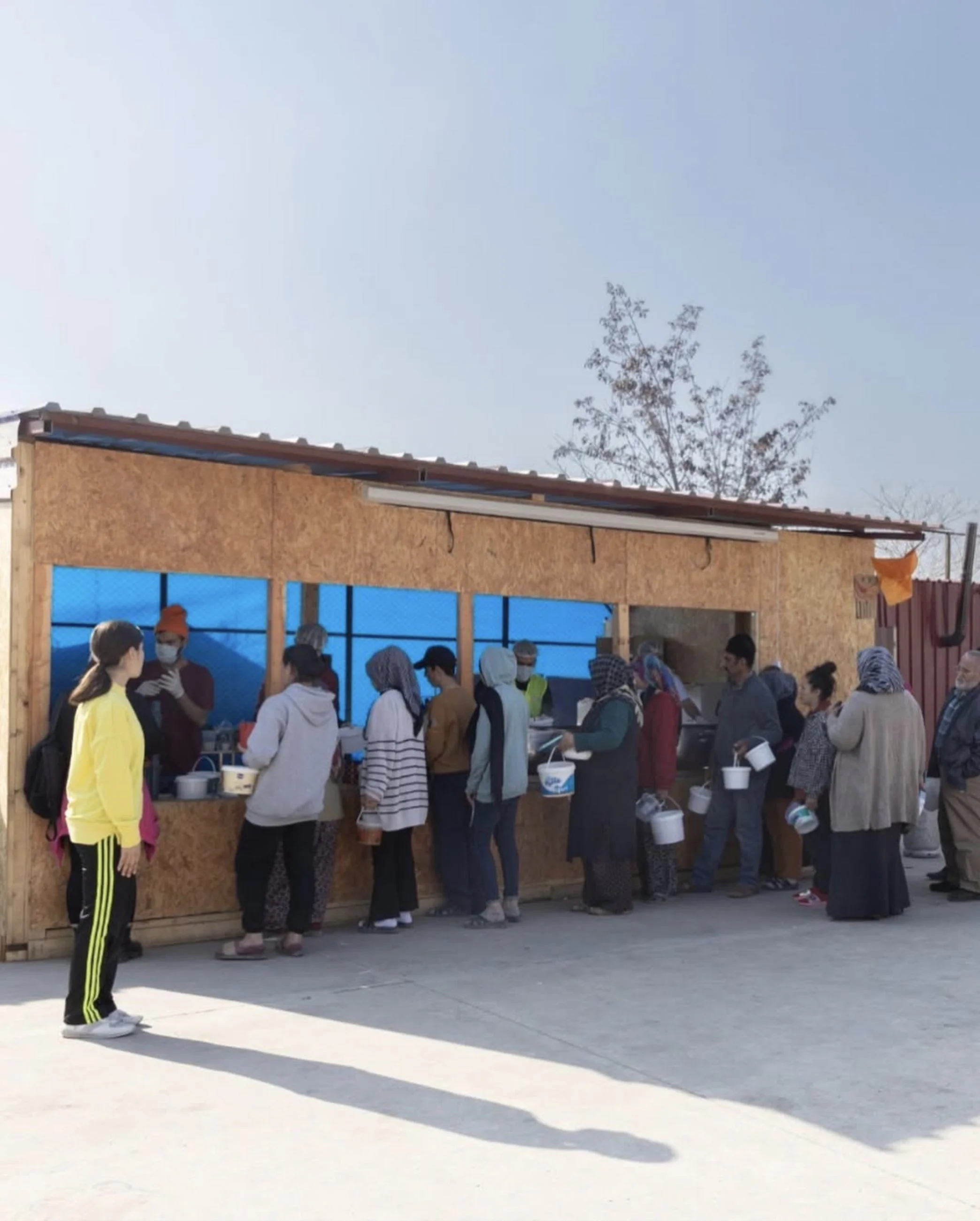
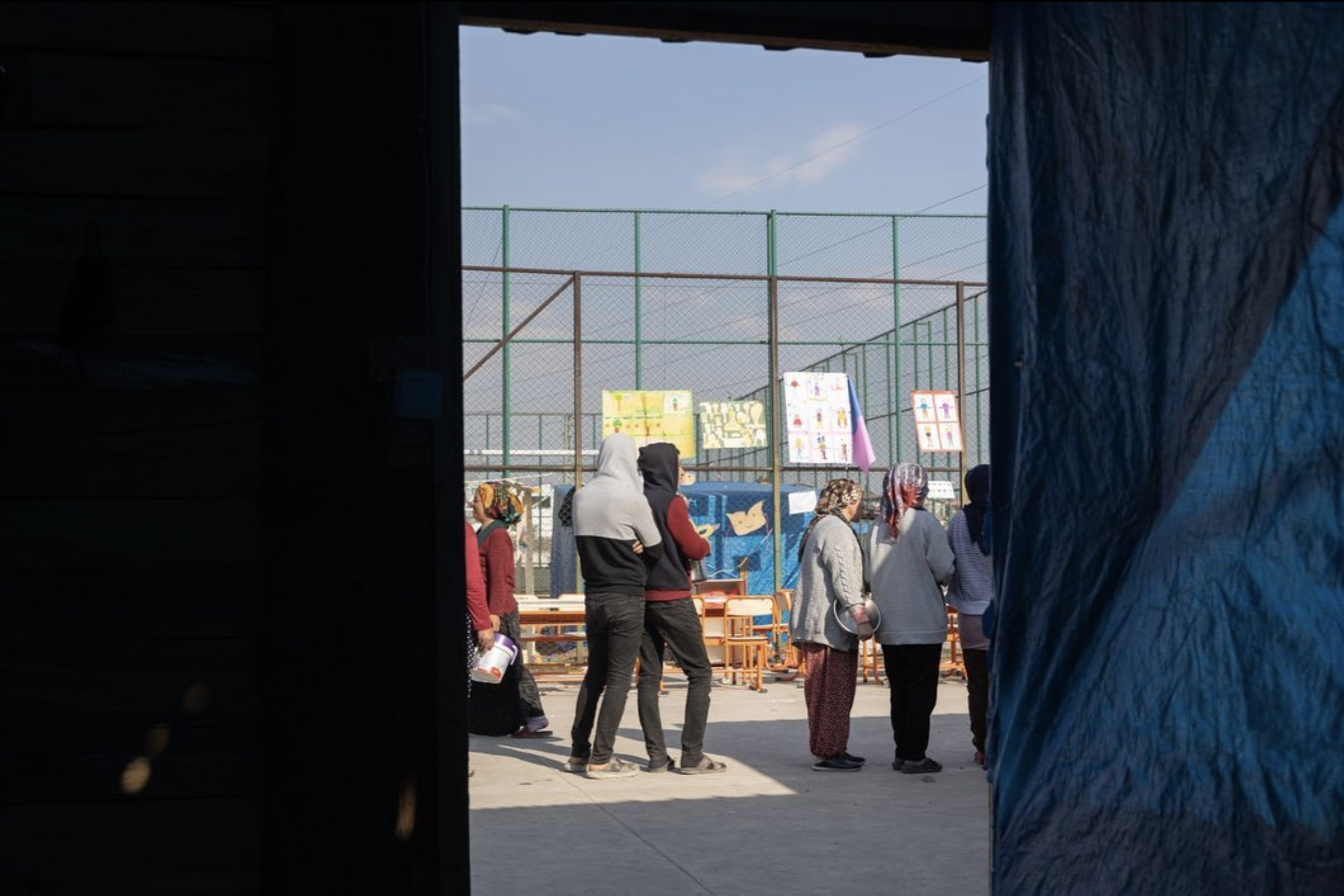
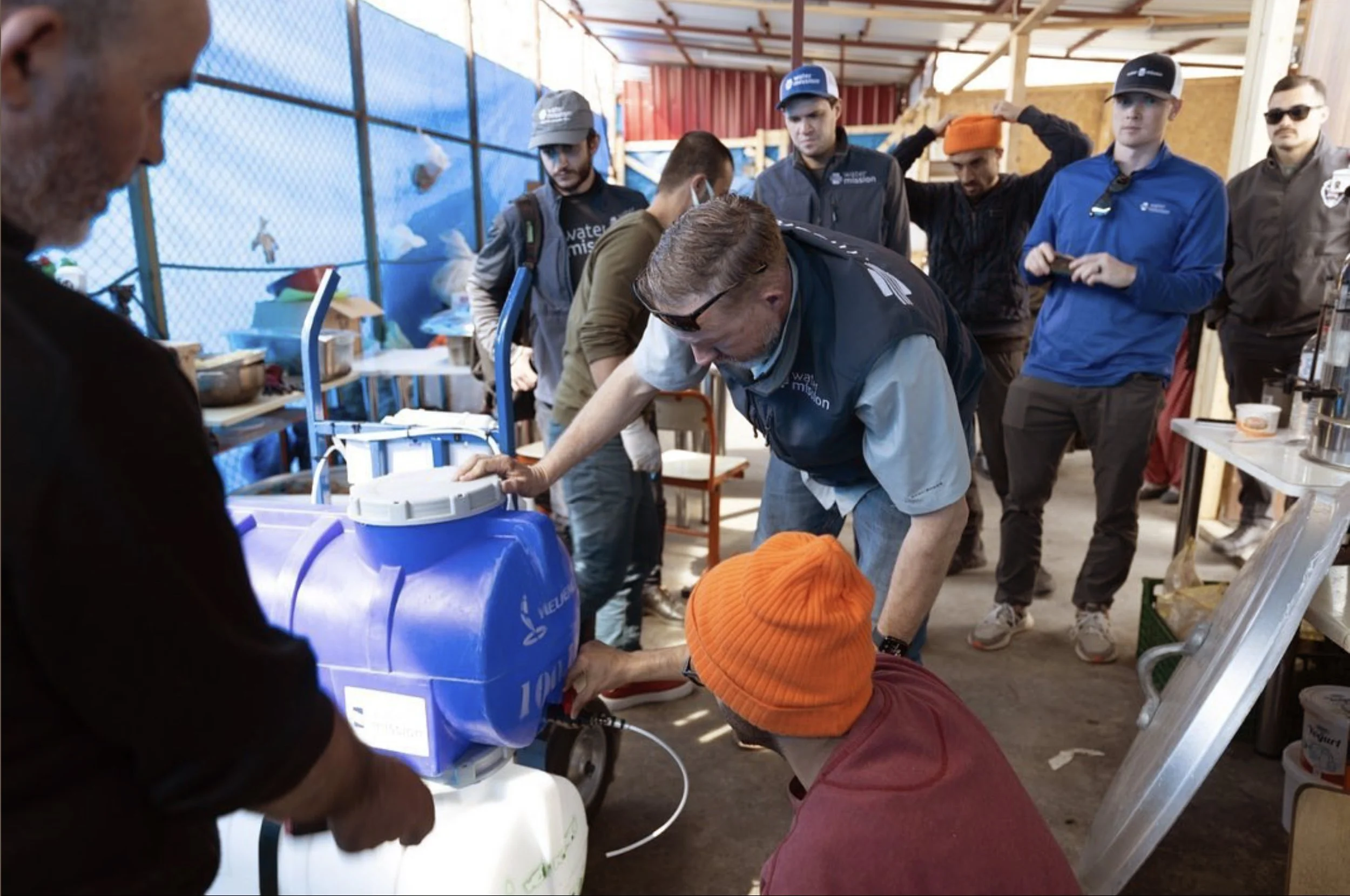
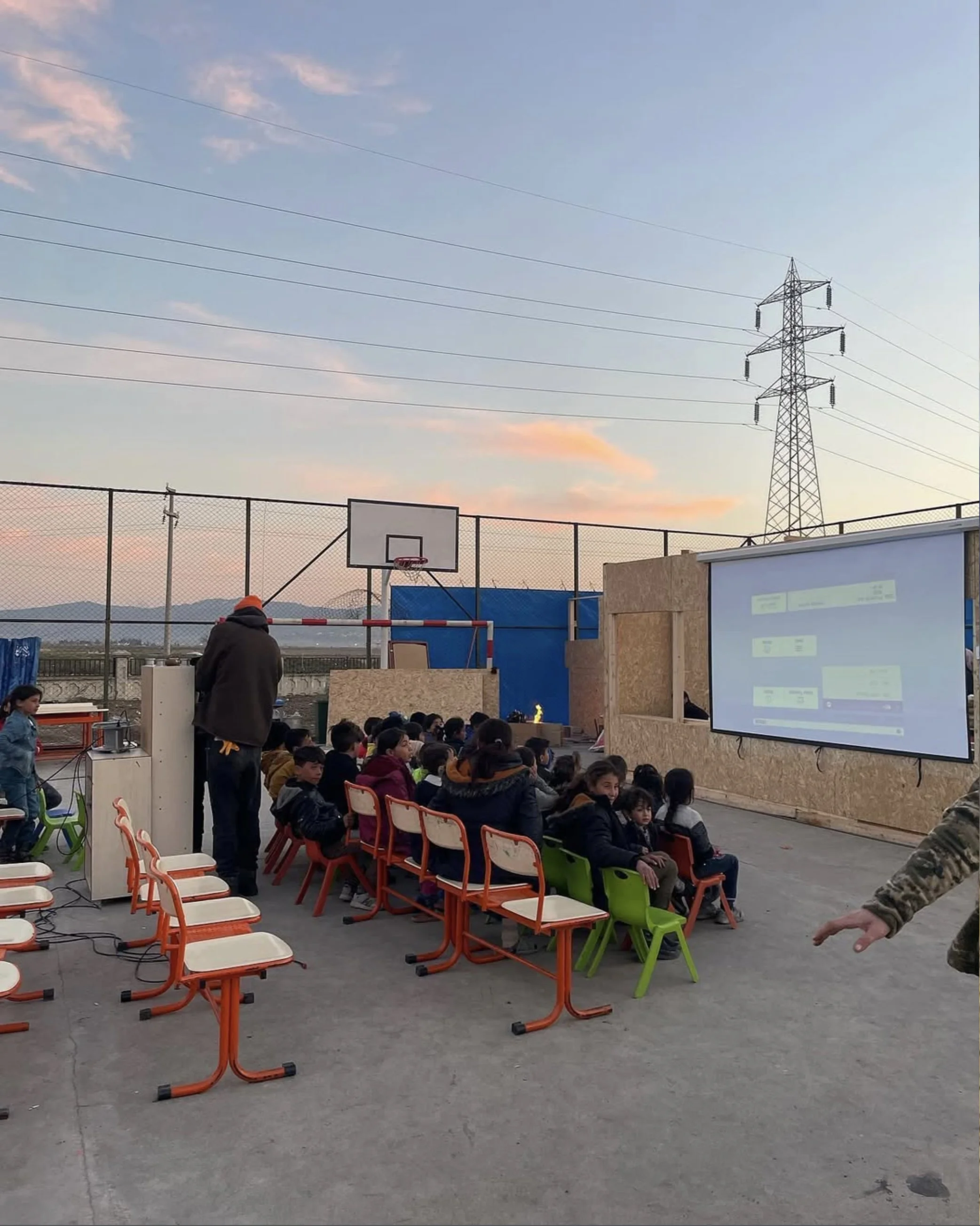
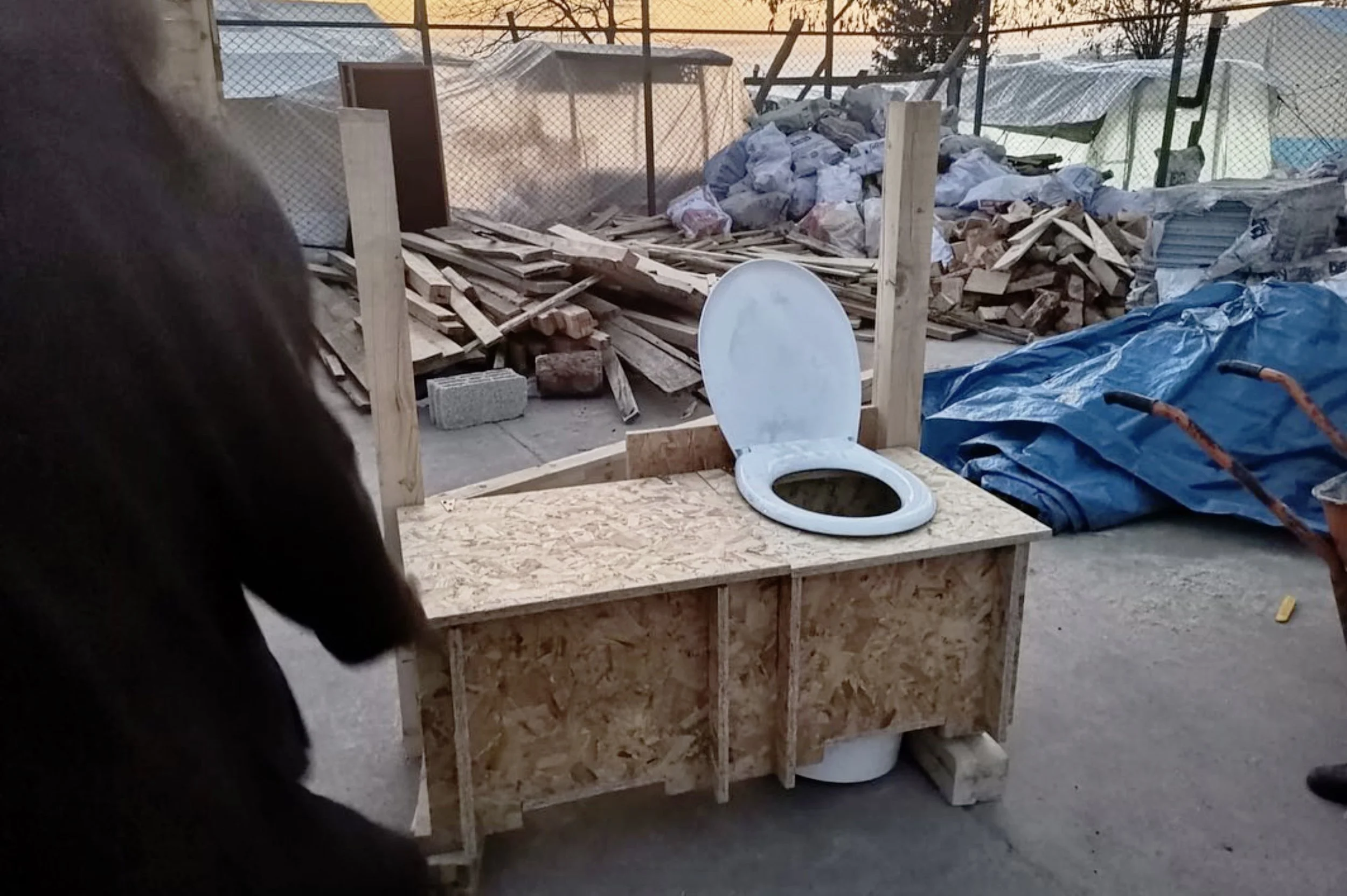
Infrastructure. Kaf built and ran a soup kitchen and bakery that fed up to 10,000 people per day, a warehouse for supplies, a repair and woodworking shop for small construction projects, a water purification system, toilets, a playground, a cinema, and spaces for psychosocial support and women’s workshops. Architecture for All led the construction of these spaces.
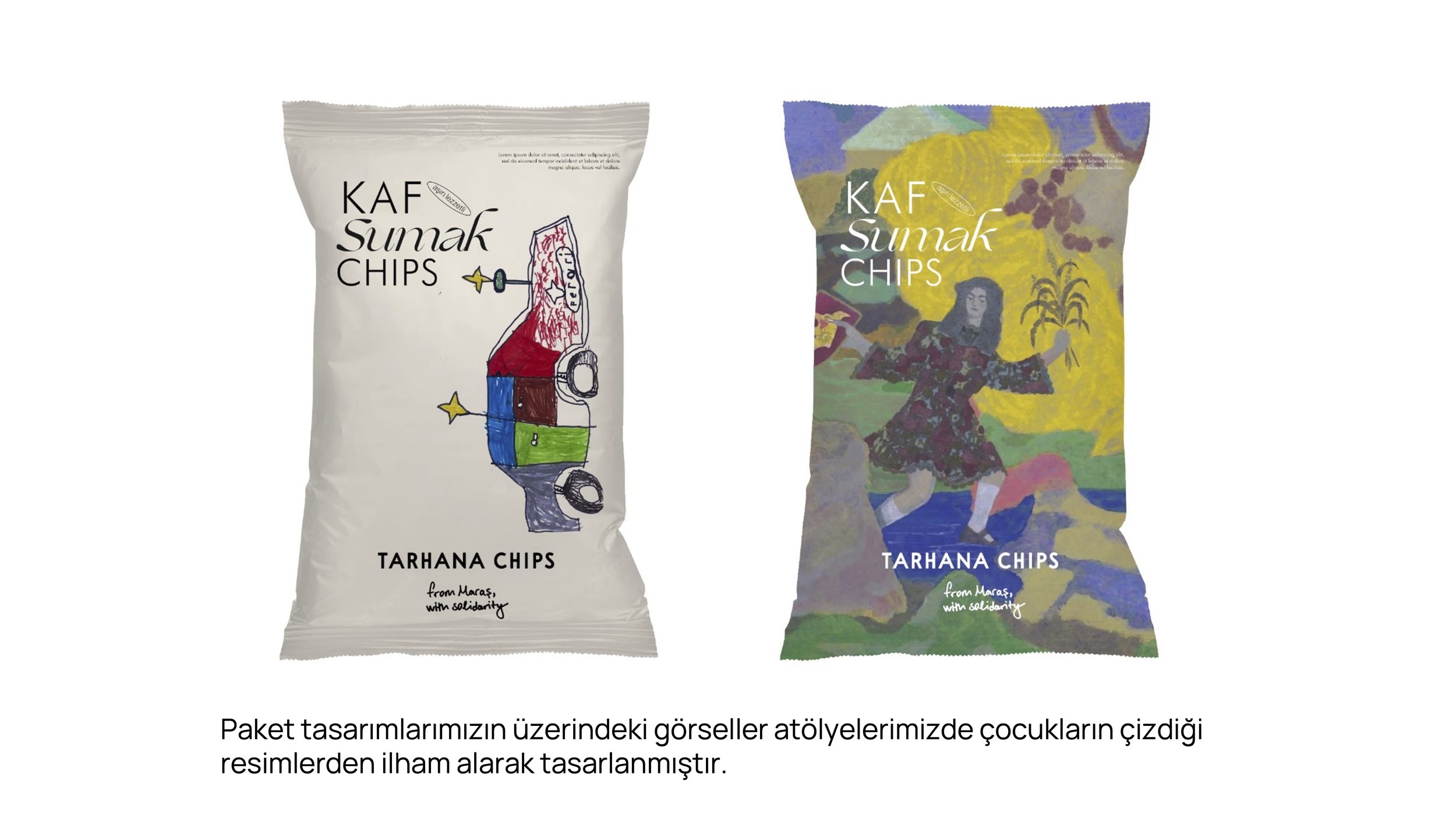
Tarhana Chip Production Coop. While never completed, Kaf worked with families to establish a cooperative to create a more sustainable impact and foster economic development. They worked to develop recipes and branding for tarhana chips, a regional specialty derived from an ancient, fermented grain and dairy product. The visuals on the packaging were created from drawings made by the children.
Infrastructure and Economic Development
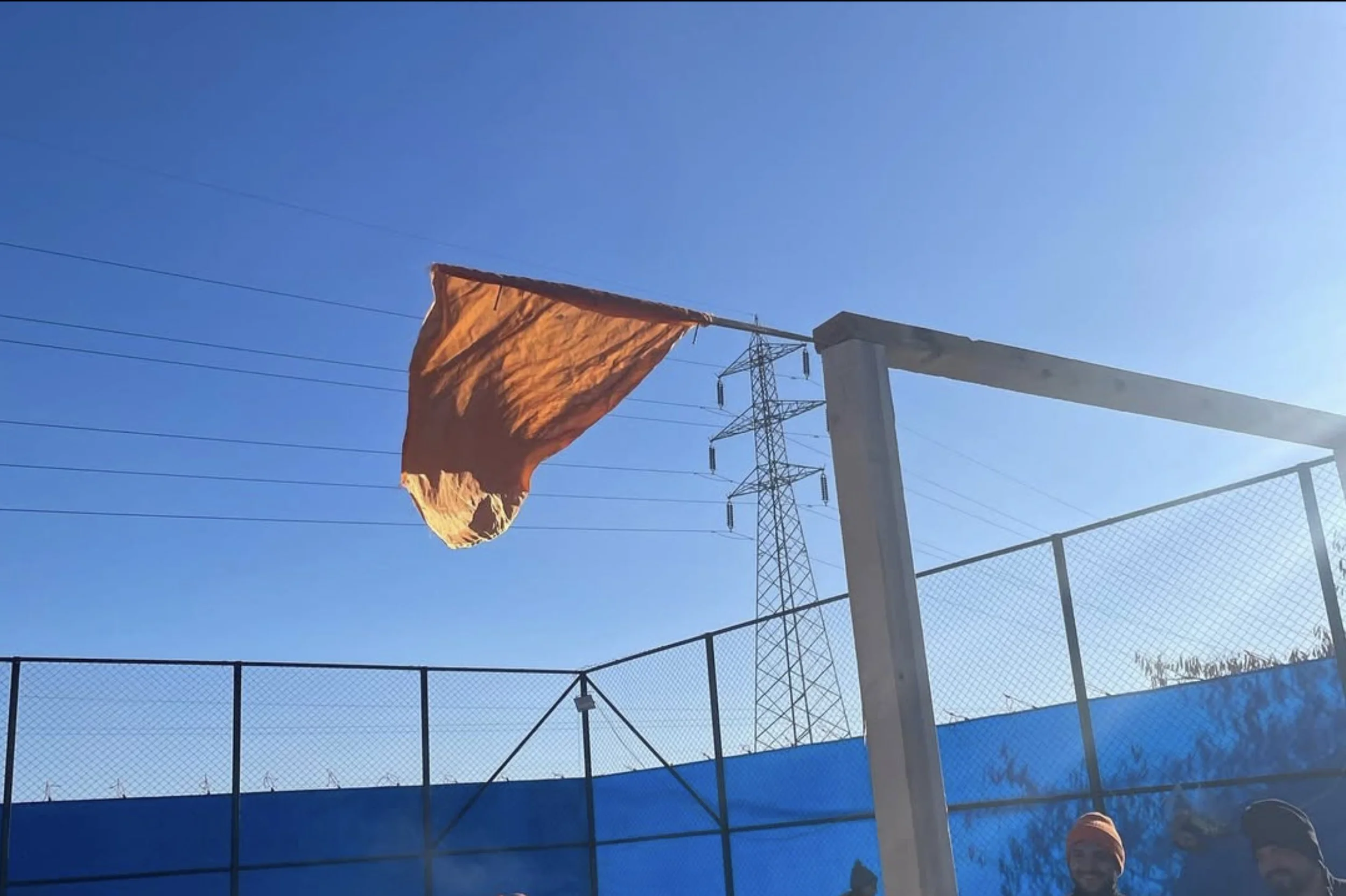
Inventory + Distribution. Kaf numbered the 200 tents, and created corresponding "need cards." The residents indicated what they needed, the supplies were procured by Kaf, added to the inventory, and distributed to the applicable tents, after which inventory outflow was recorded. Kaf distributed thousands of items, including construction materials, clothing, personal hygiene products, health supplies, dry food, and toys. The operation was managed by young volunteers from the neighborhood.
Hard Lessons
We had been spending time with the children for seven months. For the last three months, we built this space together. These children had a history of breaking, demolishing, and smashing things – this was why there was no playground in the neighborhood. We had witnessed just how strong the urge to destroy was here. Yet, we also saw that this urge to destroy was actually a desire to create that had found no outlet.
Syrian families make up nearly half of the neighborhood's population. A deep divide exists, and significant violence occurs between children from Turkey and those from Syria. While the dialogue fostered by working together toward a common goal has occasionally blossomed into friendships, the violence remains severe.